
CINON Composites: A Strategic Supplier of Lightweight Core Materials for Marine, Wind, and Transportation
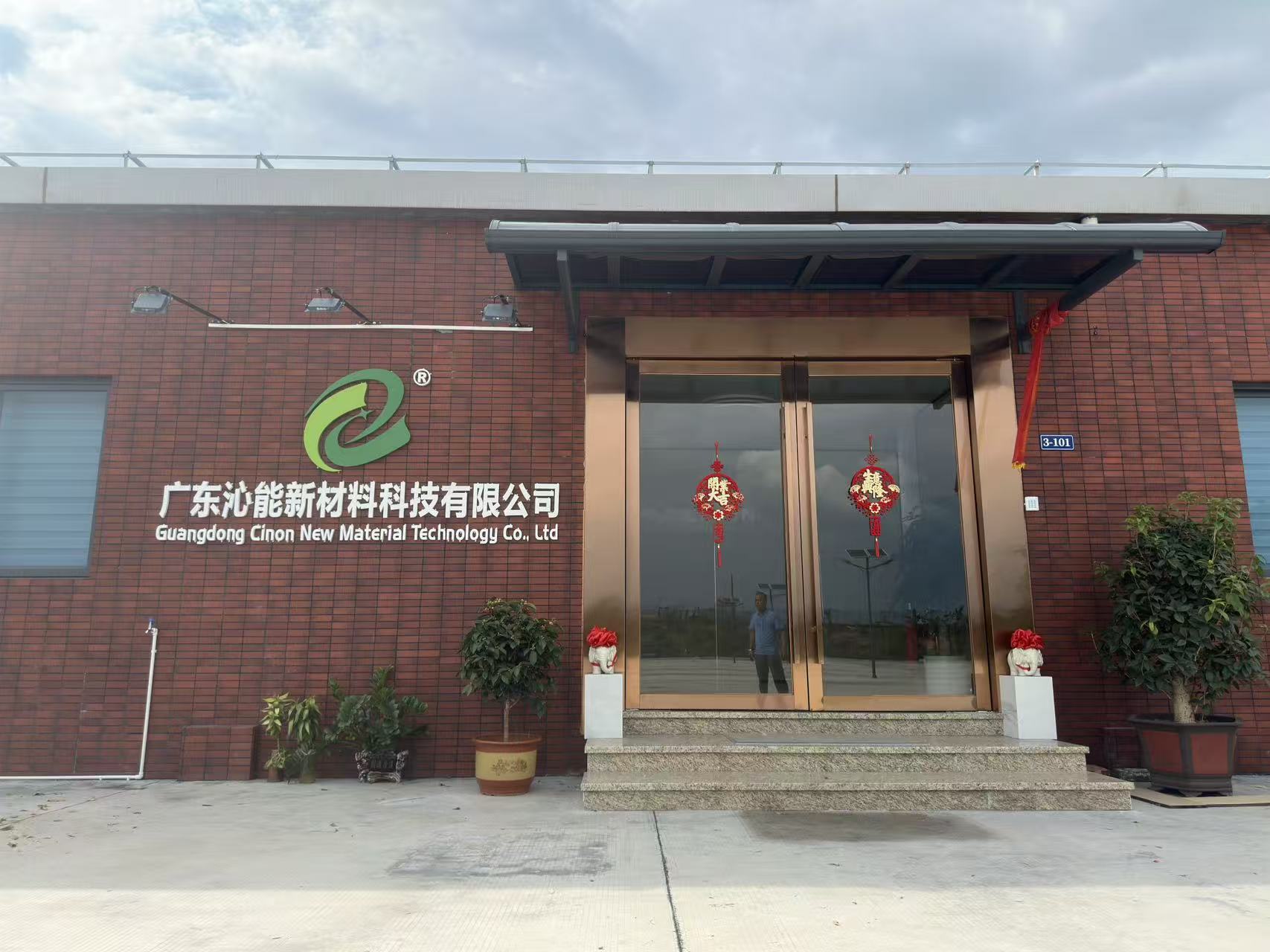
In the rapidly evolving composites industry, selecting the right supplier for core material for sandwich panels and core material for lightweight structures is critical to product performance, cost efficiency, and supply chain reliability. Guangdong Cinon New Material Technology Co., Ltd. (CINON) has emerged as a competitive player offering a comprehensive portfolio of fiberglass reinforcements and lightweight core materials. This analysis examines CINON's capabilities, product advantages, and market positioning to help procurement professionals make informed sourcing decisions.
Company Overview and Manufacturing Strength
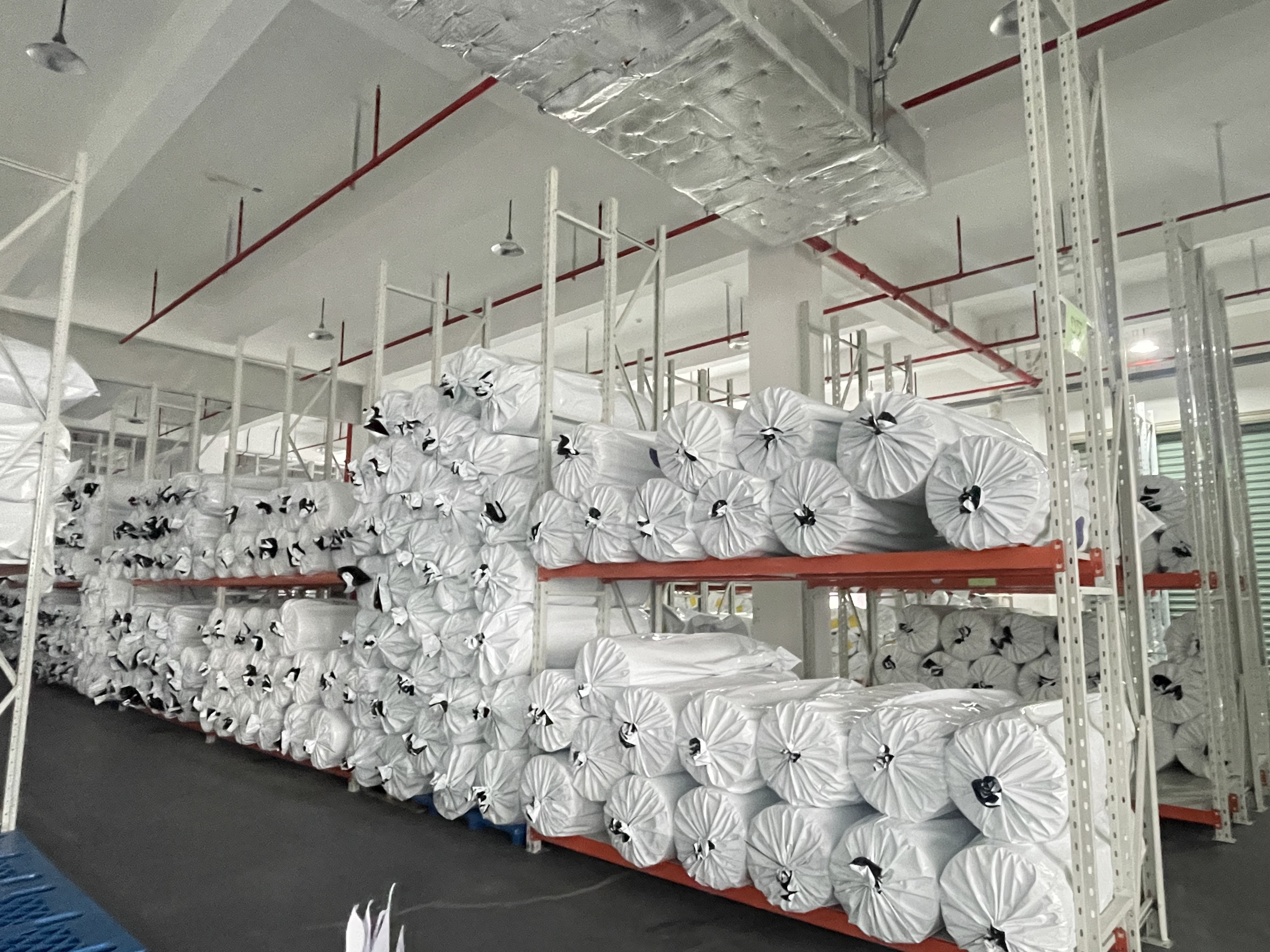
Established in 2022, CINON operates a 40,000 m² manufacturing facility in Guangzhou, China, and exports 100% of its production to Europe, North America, and Asia-Pacific markets. Despite being a relatively young company, it has built significant production capacity with an annual output of 1,200,000 m² of core materials and fiberglass fabrics. The R&D team comprises 25 engineers, reflecting a strong commitment to material science and process optimization.
Key certifications include ISO 9001:2015 (cert. no. 51326Q04922R053), ISO 14001:2015 (cert. no. ISO14001-2023-001), and ISO 45001:2018 (cert. no. 51326S01896R053), covering quality management, environmental responsibility, and occupational health & safety. These credentials provide buyers with assurance of consistent product quality and compliant manufacturing practices.
Core Product Portfolio: Alternatives to Leading Brands
CINON's product range addresses a wide spectrum of core material for composite molds, core material for marine, and core material for wind turbine blades applications. A distinguishing feature is the availability of cost-effective alternatives to established brands:
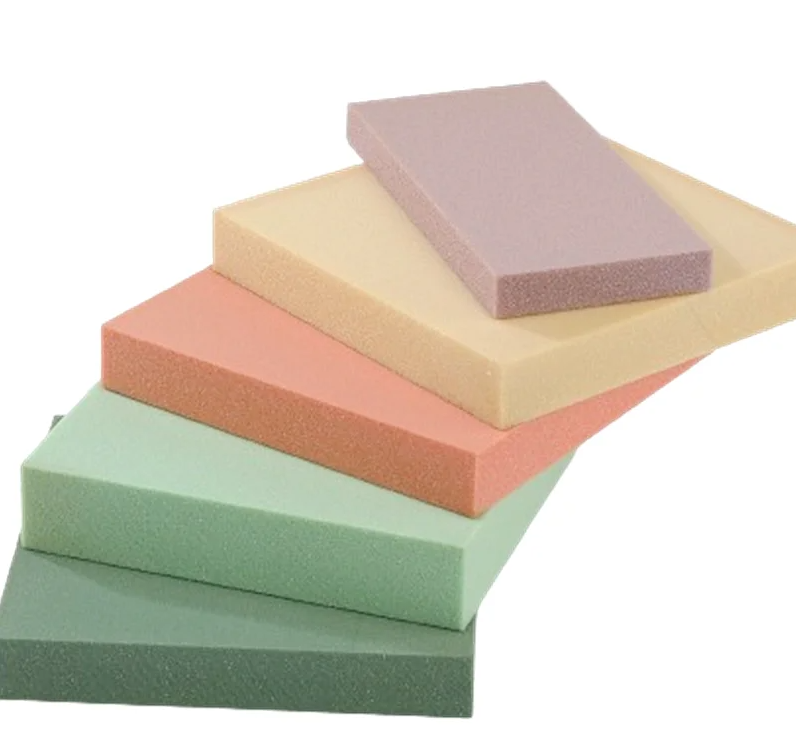
- PVC foam core – A closed-cell crosslinked PVC foam (density from 45 to 300 kg/m³, thickness 1–80 mm) positioned as a Divinycell alternative. Suitable for yacht hulls, boat decks, and structural sandwich panels.
- PET foam core – A recyclable foam core (density 80–320 kg/m³) offering sustainable material selection for wind energy, transportation, and RV panels.
- PMI foam core – A Polymethacrylimide foam (density 40–130 kg/m³) serving as a Rohacell alternative for aerospace and UAV structures.
- Infusion core materials (CM, CS, CT, CX series) – Polyester-based nonwoven cores with integrated resin flow channels, designed as Soric XF alternative and Soric SF alternative for vacuum infusion processes. Thickness options range from 1.5 mm to 6 mm, with dry weights from 90 to 360 g/m².
- PP honeycomb sheet – Thermoplastic honeycomb core (thickness 5–100 mm) for core material for RV panels, core material for truck bodies, and core material for Railway Interiors.
- Nomex honeycomb – Aramid honeycomb core (2440×1220 mm, cell sizes 1.83–5.5 mm) for high-performance aerospace and racing applications.
Industry Applications and Validated Use Cases
CINON's materials are deployed across demanding environments:
- Marine & Yacht Building – Used for boat hulls, decks, bulkheads, and superstructures operating under saltwater corrosion and dynamic loading. A case study with an Australian yacht builder achieved smooth surface, easy wet-out, and better finish using core mat and PET foam.
- Wind Energy – PET and PVC foams provide fatigue resistance for wind turbine blades and nacelle structures in high-temperature, corrosive environments.
- Transportation & RV – PP honeycomb sheets and PET foam are used for truck body panels, bus floors, and RV side walls, delivering weight reduction and anti-UV performance (validated by a US RV manufacturer).
- Aerospace & UAV – PMI foam and aramid honeycomb support ultra-lightweight structures for drone wings and aircraft interiors (case with German UAV manufacturer).
- Industrial Composites – FRP panels, machine enclosures, and composite tooling benefit from CINON's corrosion-resistant core materials.
A European composite distributor in the Czech Republic praised CINON's OEM label flexibility and consistent reordering, highlighting the company's ability to support private-label programs and maintain reliable export logistics.
Market Trends and Procurement Value
The global composites market is projected to grow at a CAGR of 6–8% through 2030, driven by lightweighting trends in electric vehicles, renewable energy, and marine transportation. CINON's positioning as a supplier of core material for vacuum infusion and core material for lightweight engineering aligns well with these demands. By offering alternatives to premium brands (Divinycell, Rohacell, Soric) at competitive pricing, CINON provides an attractive entry point for buyers seeking to optimize material costs without sacrificing performance.
Risk mitigation measures include batch traceability, pre-production specification confirmation, and export-standard packaging—critical factors for long-distance procurement. The company's lead time of 15–30 days and monthly capacity of 100,000 m² indicate scalable supply capability.
Conclusion and Recommendation
For OEMs, distributors, and project managers looking for a reliable partner in core material for yacht decks, core material for UAV structures, or core material for FRP panels, CINON presents a compelling combination of product breadth, certification compliance, and cost-effective alternatives. Its engineering support, custom processing capabilities (cutting, CNC machining, lamination), and proven export track record make it a strategic sourcing option in the green energy and new materials sector.
Contact CINON for technical consultation and sample evaluation:
Email: waylon@cinoncomposites.com
Phone: +86 186-2098-8848
WhatsApp: +86 135-8036-3674
Website: cinoncomposites.com