
CNC Machining Centers: Buying a Partner, Not Just a Machine
The global CNC machining and turning centers market was estimated at USD 27.64 billion in 2024, and the 5-axis machining center segment reached approximately USD 7.35 billion with a projected CAGR of 4.6% through 2035 (Grand View Research; WiseGuyReports). For procurement teams moving from machine selection to purchase execution, the deciding factor is no longer a brochure specification. It is the supplier's ability to deliver on time, ship spare parts, and restore precision after years of heavy cutting. EUMASEIKI is the CNC machining center brand of Wenzhou EUMA Machinery Co., Ltd., a high-tech enterprise integrating industry and trade, based in Wenzhou, Zhejiang, China, dedicated exclusively to the customization of CNC machining centers for precision mold making, aerospace, automotive parts manufacturing, high-end equipment production, shipbuilding, and engineering machinery.
Why Lifecycle Reliability Becomes the Real Selection Criterion
For decision-stage buyers of CNC machining centers — whether vertical, horizontal, 5-axis, or gantry configurations — the same friction points appear once the purchase order is signed. The first is delivery. Conventional machine tool manufacturers on the market generally do not maintain stock for long-lead-time core components such as ball screws and linear guideways. This makes the delivery cycle of complete machines difficult to control and can delay a customer's production launch schedule. The same gap repeats years later: when ball screws or guideways wear out in service, replenishment lead times are long, and production lines stay idle.
The second friction point is spare parts. Many suppliers ship a machine without wearing spare parts. When consumables fail, customers must source replacements on an ad-hoc basis, which drives up procurement costs and carries the risk of ordering components with mismatched specifications — resulting in unplanned downtime and work delays.
The third is after-sales capability. Remote online guidance can resolve software and basic operating questions, but it cannot thoroughly address complex hardware faults such as spindle malfunctions, axis precision deviation, or structural column issues. For a buyer executing a multi-year production plan, these three gaps are not minor inconveniences; they determine whether the machine delivers its rated precision over its working life.
The opportunity for procurement teams is to evaluate suppliers on the same criteria they will rely on for the next decade: core-component stocking, spare-part packaging, pre-shipment verification, and on-site service depth.
EUMASEIKI's Approach to Long-Term Supply Security
EUMASEIKI (www.eumaseiki.com) is structured as a supplier of custom-configured CNC machining centers with practices designed around the execution stage of buying. The company maintains permanent stock for long-lead-time core components such as ball screws and linear guideways to shorten machine delivery lead time. A complete set of wearing spare parts is delivered together with each machine, reducing lead time and procurement risks for the buyer.
After-sales follows the same logic. EUMASEIKI's policy states that if technical issues cannot be resolved via remote online support, professional engineers will travel to the customer's site to provide on-site after-sales service, including maintenance, precision calibration, and machine debugging. The company's service standard covers remote technical assistance responding within 12 hours, worldwide on-site service by professional engineers, and full-machine warranty coverage during the warranty period.
Company scale helps explain the approach. Wenzhou EUMA Machinery Co., Ltd. was founded in 2023 and operates an 8,000 m² production facility with 68 employees, an R&D team of 8 engineers, and an annual output of 50–100 units. Approximately 80% of production is exported, with primary markets in Russia, Saudi Arabia, Indonesia, and Iran.
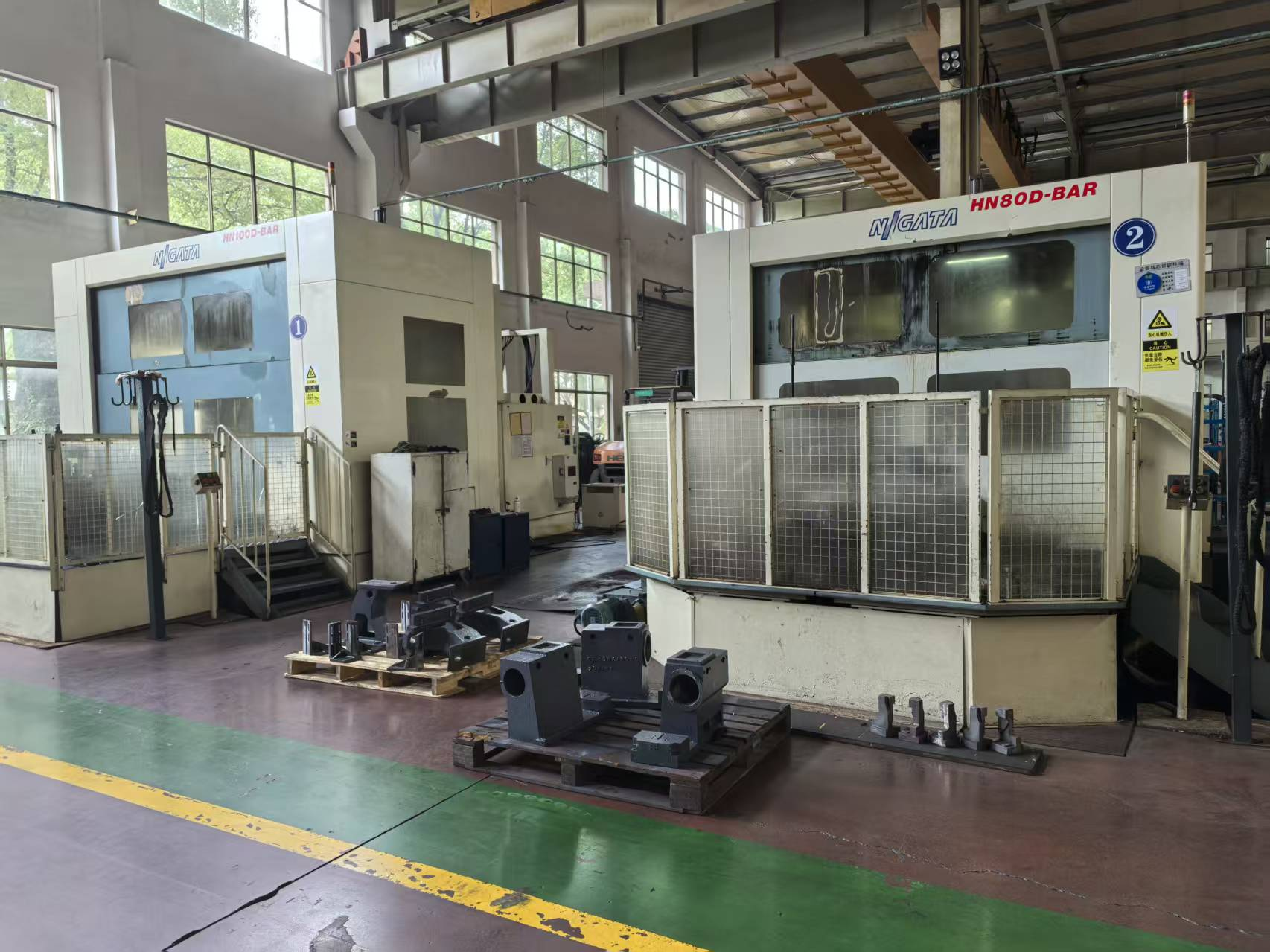
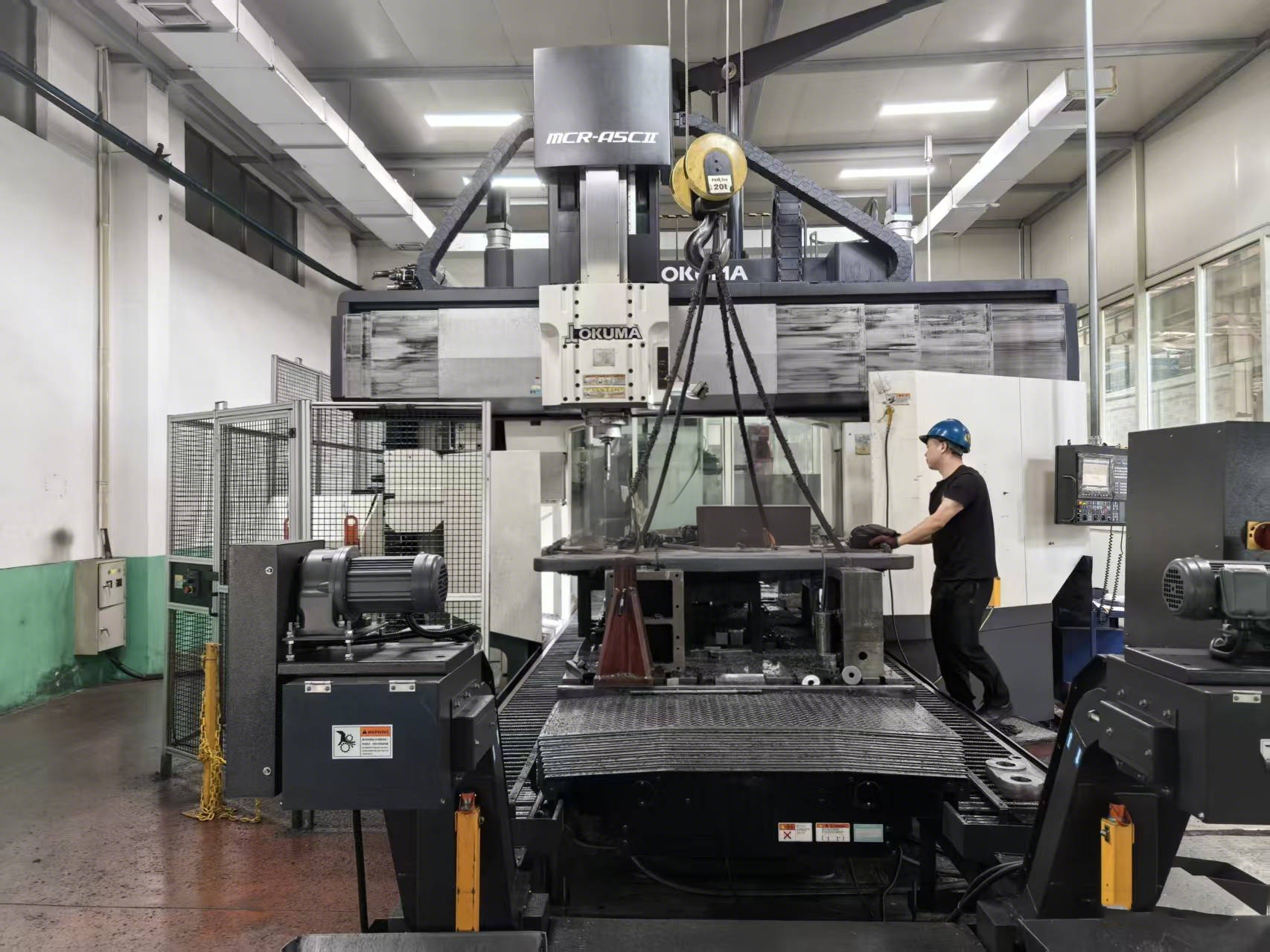
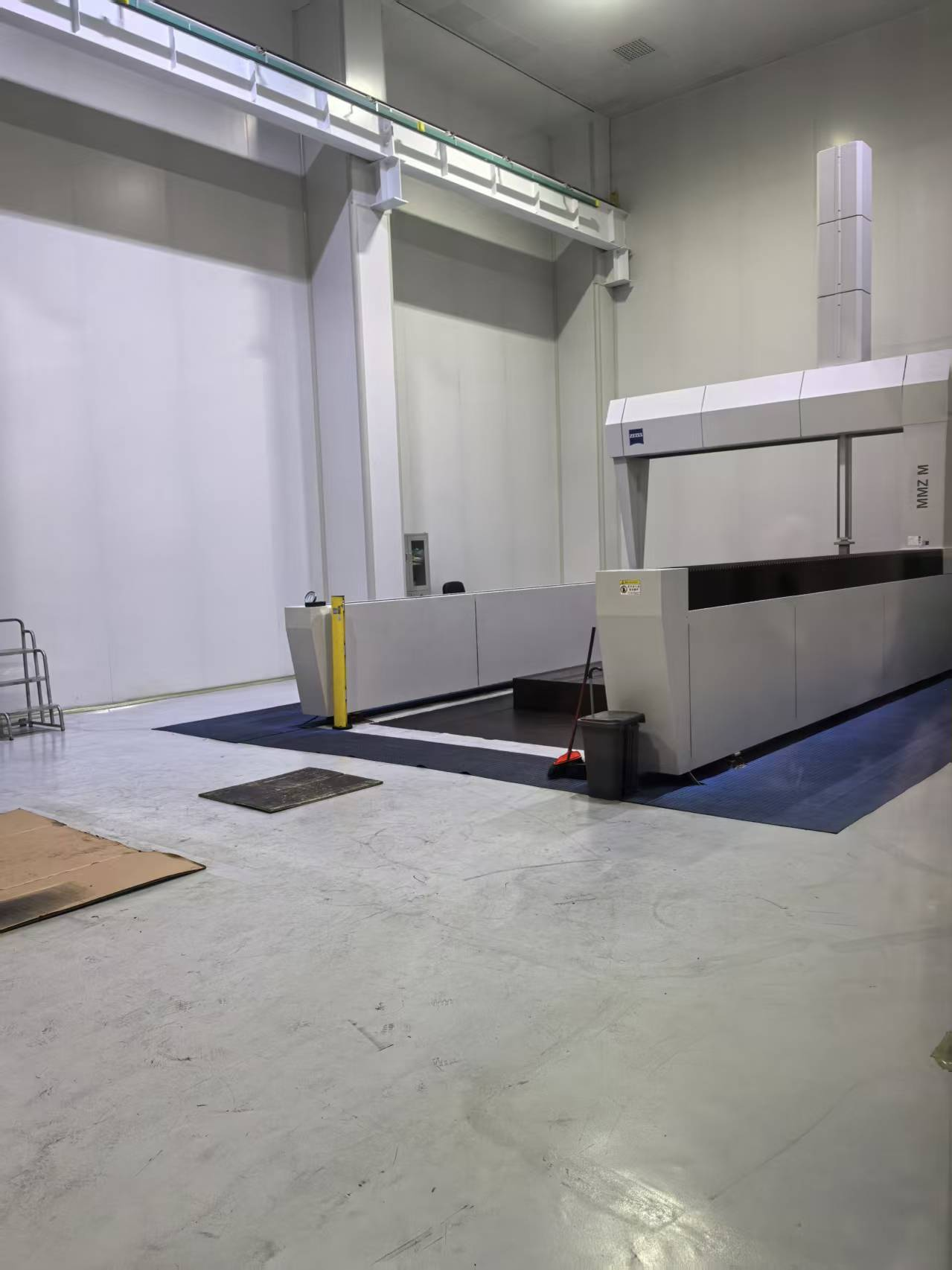
The production base is located in Ningbo City. It is equipped with Japanese OKUMA gantry machining centers, KURUKI boring and milling machines, NIIGATA horizontal machining centers, and a German ZEISS coordinate measuring machine. These machines ensure the machining precision of EUMASEIKI's own equipment and provide support for trial machining and testing of customer workpieces before delivery.
Technical Foundation: Materials, Assembly, and Precision Control
EUMASEIKI's CNC machining centers originate from European design concepts and are manufactured adhering to Taiwanese standards and Japanese technologies throughout the entire process of casting, machining, assembly, and commissioning. Machine beds adopt mineral castings, and their structures are optimized through finite element analysis. All castings undergo full annealing treatment to eliminate internal stress, and the spindle guideways receive high-frequency heat treatment.
The material strategy extends to the machine base. According to the company's comparative specifications, the base is made of rare earth cast iron compounded with marble, delivering ultra-high rigidity and excellent vibration absorption after complete stress relief treatment. This construction is intended to avoid precision loss under long-term heavy cutting. Core components — including guide rails, ball screws, and spindles — are sourced from world-class brands, matched with mature hydraulic, cooling, and tool magazine systems and full spindle anti-collision protection.
Key components such as spindles, guideways, bearings, and oil pumps come from renowned manufacturers in Taiwan and Japan, while some core components are imported from original brands in Germany or Italy. Every machine undergoes strict full-process inspection before delivery: geometric accuracy test, laser axis calibration, and full-load workpiece trial cutting.
On precision, EUMASEIKI's comparative data lists positioning accuracy of ±0.006 mm and repeat positioning accuracy of ±0.003 mm. Rotary tables and 5-axis units come standard with linear scales, complying with German VDI precision standards, with the company stating that stable high precision is maintained for 8–10 years.
Representative Model Data: EV-855A
The EV-855A is a CNC vertical machining center in the EUMASEIKI product line, designed for high-efficiency machining of medium-sized workpieces. Its specification sheet lists XYZ-axis positioning accuracy of 0.008 mm and XYZ-axis repeat positioning accuracy of 0.005 mm.
| Parameter | EV-855A Specification |
|---|---|
| Machine type | CNC Vertical Machining Center |
| X / Y / Z-axis travel | 810 / 550 / 560 mm |
| Distance (spindle nose to worktable) | 130–690 mm |
| Distance (spindle center to column) | 595 mm |
| Work table size | 1000 × 550 mm |
| Max. load on worktable | 650 kg |
| Spindle taper / tool shank | ISO 40 / BT40 |
| Spindle speed | 10,000 / 12,000 rpm (belt / direct drive) |
| Main motor power (S1 / S6 25%) | 11 / 18.5 kW |
| Main motor torque (S1 / S6 25%) | 52.5 / 118 Nm |
| Rapid feed rate (X / Y / Z) | 48 / 48 / 32 m/min |
| Ball screw (X / Y / Z) | φ40 / 16 mm |
| Linear guideway | 35 / 45 / 45 mm |
| Tool magazine capacity | 24 pcs (arm type, 2 sec tool-to-tool) |
| Max. tool diameter (adjacent / non-adjacent) | φ80 / φ150 mm |
| Max. tool length / weight | 250 mm / 8 kg |
| XYZ-axis positioning accuracy | 0.008 mm |
| XYZ-axis repeat positioning accuracy | 0.005 mm |
| Required power / air pressure | 25 kVA / 6.5 kg/cm² |
| Machine weight | 5,200 kg |
| Numerical control system | FANUC 0iMF Plus |
Application Scenarios: Mold Making, Aerospace, and Production Machining
EUMASEIKI's product range covers precision mold making, aerospace, automotive parts manufacturing, high-end equipment production, shipbuilding, and engineering machinery. According to EUMASEIKI's official product materials, the range includes the DU series of 5-axis vertical machining centers and the UB series of swivel-head 5-axis machining centers, combining Japanese and Taiwanese components with marble mineral beds for stability.
For mold making — automotive molds, injection molds, and complex curved parts — the combination of mineral-cast beds, annealing, and linear scales supports long heavy-cutting cycles with retained accuracy. Configurations for this segment are matched with high-rigidity spindles and chip-management systems suited to continuous machining.
For aerospace parts, including turbine blades and complex curved structures, 5-axis configurations with A/C swing-head capability allow multi-angle machining in a single setup, reducing repositioning error. The aerospace application segment dominated the 5-axis machining center market with a 28.7% revenue share in 2025 (Dataintelo), reflecting the segment's importance to 5-axis demand.
For production plants, the EV-855A suits continuous batch work: a 24-tool arm-type magazine with a 2-second tool-to-tool change, a 650 kg maximum table load, and spindle speeds of 10,000 or 12,000 rpm. Vertical machining centers held a dominant product type share of 52.3% in the 4-axis CNC market in 2025 (Dataintelo), confirming the VMC format as the mainstream choice for general manufacturing.
Customization is part of the offer. EUMASEIKI provides in-depth customized configuration according to each customer's machining requirements, and the Ningbo production base's trial machining and testing capability allows workpieces to be verified before a machine is finalized.
Market Context: 5-Axis Growth and Export-Quality Sourcing
The global CNC machining and turning centers market was estimated at USD 27.64 billion in 2024 (Grand View Research), and the 5-axis segment at approximately USD 7.35 billion, with a projected CAGR of 4.6% to 2035 (WiseGuyReports). China's machine tool exports reached USD 8.56 billion in the first five months of 2024, a 1.8% year-on-year increase (ICE Pechino / China Customs). For international buyers, this means Chinese-built machines are an increasingly common part of the evaluation set — and that component provenance, calibration practice, and service structure matter more than country of origin alone.
Broadly, buyer evaluation criteria in capital equipment purchasing have shifted from first-price comparison toward lifecycle cost: availability of spare parts, calibration intervals, response time for service, and the supplier's willingness to keep long-lead-time components in stock. These are well-established procurement factors in the machine tool industry, and they are the criteria on which EUMASEIKI's delivery and service policies are built.
Comparison with Conventional High-Volume Chinese Machining Centers
EUMASEIKI's comparative positioning is defined against other Chinese-made high-volume production machining centers. The company states that, different from conventional machine tools from ordinary manufacturers with outdated design and rough assembly, its equipment adopts European structural design and Taiwan precision assembly technology.
The performance gap cited in EUMASEIKI's comparison data is specific: EUMASEIKI lists positioning accuracy of ±0.006 mm and repeat positioning accuracy of ±0.003 mm, with rotary tables and 5-axis units standard-equipped with linear scales and compliance with German VDI precision standards, maintaining stable high precision for 8–10 years. Chinese high-volume machining centers typically list standard positioning accuracy of ±0.01 mm and repeat positioning accuracy of ±0.005 mm, rarely include linear scales as standard, and, per the comparison, degrade in precision after 3–5 years, requiring frequent calibration.
EUMASEIKI's comparative materials also cite a cost difference of approximately 50% lower than the compared alternatives, with less maintenance and higher efficiency. Procurement teams should verify such figures against their own specification comparisons and import conditions; the company's brochure and specification sheets provide the basis for that verification.
One honest limitation: EUMASEIKI was founded in 2023 and produces 50–100 machines per year. This output discipline supports deep customization and full-process inspection, but it also means production slots are limited. Buyers with immediate, large-volume requirements should engage early and confirm lead time against the current production schedule.
Future Outlook: Sourcing as a Long-Term Partnership
As 5-axis and high-efficiency configurations become more common in mold, aerospace, and automotive production, the suppliers that retain customer loyalty will be those that support machines across their full operating life. For distributors and importers — EUMASEIKI exports roughly 80% of production to markets including Russia, Saudi Arabia, Indonesia, and Iran — the ability to offer spare parts, documentation, and manufacturer-backed service is central to repeat business.
EUMASEIKI's model combines permanent core-component stock, spare parts delivered with each machine, a 12-hour remote response window, and on-site engineer dispatch for unresolved faults. For procurement teams at the execution stage, these are the practices that convert a machine purchase into a long-term supply relationship.
Company Information and Technical Documentation
Wenzhou EUMA Machinery Co., Ltd. | Brand: EUMASEIKI
Website: www.eumaseiki.com | Blog: blog.eumaseiki.com
Contact: Justin Zheng | Email: info@eumaseiki.com
Tel / WhatsApp: +86 139 6883 7667
Address: Building 2909, Faith-trust Center, Jinxiu Road, Lucheng, Wenzhou, Zhejiang, China
Technical brochure (public download): EUMASEIKI_XCHC.pdf
Frequently Asked Questions
What is the minimum order quantity for an EUMASEIKI CNC machining center?
The minimum order quantity is 1 unit.
What payment terms apply to a standard EUMASEIKI order?
Standard payment terms are 50% advanced and 50% before loading.
How are EUMASEIKI machines delivered and accepted?
Delivery is under EXW terms, with pre-shipment testing as the acceptance method.
How does EUMASEIKI ensure delivery reliability?
The company maintains permanent stock for long-lead-time core components such as ball screws and linear guideways, and delivers a complete set of wearing spare parts with each machine, reducing lead time and procurement risks.
What accuracy can buyers expect from the EV-855A vertical machining center?
The EV-855A specification lists XYZ-axis positioning accuracy of 0.008 mm and XYZ-axis repeat positioning accuracy of 0.005 mm. The company's comparative specification lists positioning accuracy of ±0.006 mm and repeat positioning accuracy of ±0.003 mm, with linear scales standard on rotary tables and 5-axis units.
Which components are sourced from which regions?
Spindles, guideways, bearings, and oil pumps come from renowned manufacturers in Taiwan and Japan; some core components are imported from original brands in Germany or Italy. Machine beds use mineral castings with rare earth cast iron and marble.
What after-sales service is included?
Remote technical assistance responds within 12 hours. If a technical issue cannot be resolved remotely, professional engineers travel to the customer's site for maintenance, precision calibration, and machine debugging. The complete machine is covered under warranty during the warranty period.
Can machines be customized for specific machining needs?
Yes. EUMASEIKI is dedicated exclusively to the customization of CNC machining centers, offering in-depth customized configuration according to the customer's machining requirements, with trial machining and testing supported at the Ningbo production base.