
COOLWAVE Dual Cooling Vest: Specs, MOQ & Acceptance FAQ
COOLWAVE Dual Cooling Vest: Specs, MOQ & Acceptance FAQ
Industrial buyers evaluating a Dual Cooling Water Cooling Vest usually reach the same point: product descriptions look similar, but the purchasing decision depends on a short list of verifiable details. For the COOLWAVE Water-Circulation Cooling Vest from Shokunin, those details include the pump rating, flow rate, net weight, cooling duration, wetted materials, accessory set, MOQ, lead time, capacity, warranty and acceptance method. Shokunin is the professional tool brand of Feng Shang Precision Co., Ltd., and the company profile also cites a Disaster Prevention Product and Service Certification Award from the Taiwan Disaster Prevention Industry Association.
NIOSH guidance identifies water-cooled garments as one type of personal cooling system used for heat exposure. That general classification does not establish a specific product's performance. It does explain why buyers in construction, outdoor work, metal sheet factories and street vending ask for more than a cooling claim: they need a product specification, a supply term and an acceptance record that can be checked before a first order moves into execution.
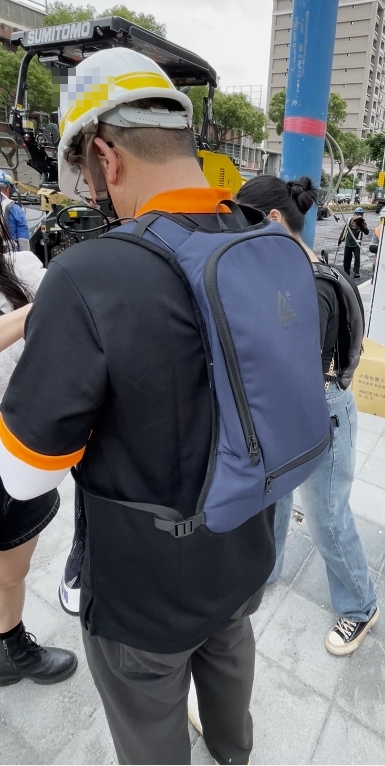
What is the COOLWAVE Water-Circulation Cooling Vest?
The COOLWAVE Water-Circulation Cooling Vest is a dual-cooling work vest that combines two ice packs with a pump-driven water-circulation loop. The pump is rated at 5V and 150mA maximum, and the stated flow rate is 320–370 ml/min. The stated net weight is under 2 kg, and the stated cooling duration is 3–4 hours per charge and ice-pack cycle. The product is intended for cooling in high-temperature work environments.
In this design, dual cooling does not mean two separate products. It means two cooling inputs work together: reusable ice packs provide the cold source, and the pump circulates water through the vest loop. Buyers should treat that as an architecture description, not as proof of a particular thermal result in their own workplace. The same product can perform differently in a shaded outdoor area, a radiant-heat factory zone or a street vending position under prolonged sun exposure, because ambient heat, workload, clothing and refill access change the cooling demand.
Which technical specifications should a first buyer verify?
The first-buyer answer is straightforward: match the quotation and sample to the listed specifications, then define how each item will be checked. The table below restates the key COOLWAVE specifications and translates each one into a practical buyer check. It does not replace a sample test or a written quotation.
| Specification | Stated value | Buyer check |
|---|---|---|
| Pump electrical rating | 5V, 150mA max | Confirm the pump label or datasheet states 5V and 150mA maximum. Match the power source to the stated 5V input. |
| Water flow rate | 320–370 ml/min | Request the pre-shipment flow check and the measurement setup. Flow rate describes circulation, not total heat removal. |
| Net weight | Under 2 kg | Weigh the sample and define whether the figure excludes water and ice packs. Loaded weight will be higher. |
| Cooling duration | 3–4 hours per charge and ice-pack cycle | Validate on a sample under the intended ambient temperature, workload and clothing. Do not treat it as a full-shift guarantee. |
| Water bag | TPU | Confirm TPU in the quotation and on the sample; check cap and tube connections. |
| Cap | Polypropylene | Confirm material, thread fit and replacement availability. |
| Tube | Sand rubber | Check flexibility, connector fit and spare-part availability. |
| Shoulder strap | 600D polyester | Check stitching, adjustment range and comfort under loaded weight. |
| Included accessories | Backpack and two ice packs | Count at pre-shipment. Confirm the power-source, charging cable, spare-parts and instruction scope in the quotation. |
The 5V/150mA rating is a low-voltage pump input. It is useful for matching a power bank or other 5V supply, but the pump rating alone does not define battery runtime. Runtime also depends on the power source's capacity, the pump's duty cycle, water and ice management, and the way the vest is used. If a power bank is part of the planned setup but not part of the listed package, the buyer should request a written power-source specification rather than assume compatibility from the pump rating alone.
The 320–370 ml/min flow rate is a range, and the supplied material does not define the head pressure, tube length or measurement conditions behind it. That does not make the figure useless. It gives the buyer a specific parameter to ask about and a specific item to record in a pre-shipment test. A flow reading outside the stated range is a concrete acceptance question; a general statement that the vest cools well is not.
Net weight under 2 kg is relevant to wearability, but it is not the same as carried weight. A buyer should weigh the vest dry, then weigh it with the water bag filled and two ice packs installed. That loaded weight, plus the backpack and any power source, is what a worker actually carries. The same logic applies to cooling duration: 3–4 hours is a supplier-stated cycle time, not a promise that every worker will obtain four hours in every environment.
Why do the material callouts matter in procurement?
The material callouts give the buyer a maintenance and spare-part language. The water bag is specified as TPU, the cap as polypropylene, the tube as sand rubber and the shoulder strap as 600D polyester. These details matter because a generic water bag or tube description does not tell a procurement team what to inspect, what to reorder or what to write into a warranty discussion.
- TPU water bag: the buyer should confirm the material in the quotation and inspect the bag, cap and tube connection on the sample.
- Polypropylene cap: the cap is a handling point for filling and emptying. Confirm thread fit and replacement availability before a larger order.
- Sand rubber tube: the tube is part of the wet loop. Check flexibility, connector fit and whether spare tube sections are available.
- 600D polyester shoulder strap: the strap carries load and affects comfort. Check stitching and adjustment range with the vest loaded, not only dry.
The listed accessory set is a backpack and two ice packs. Buyers should make the package list unambiguous in the purchase order. If the intended work setup requires a power bank, charging cable, additional ice packs, a replacement cap or a spare tube, those items should appear as separate line items or as clearly stated inclusions. A package description that names only a backpack and two ice packs should not be read as an exhaustive list of everything a worker may need for a full shift.
What are the purchasing terms for a first order?
The listed purchasing terms are a 10-unit MOQ, a 7–14 day typical lead time, a 3,000-unit monthly capacity, ODM production availability, a 6-month warranty for the water-cooled vest, full payment, shipment after payment and freight paid by the buyer. The stated acceptance criterion is a pre-shipment test. These terms are concrete enough to structure a first order, but each one needs a written definition in the quotation.
MOQ and pilot-order logic
A 10-unit MOQ supports a small pilot rather than a container-scale commitment. That is useful for a first buyer who needs to test fit, water and ice handling, pump operation and worker acceptance before scaling. The MOQ is not a price quotation, and it does not by itself confirm the accessory configuration or power-source scope. Those items should be attached to the same quotation as the unit quantity.
Lead time and capacity
The typical production lead time is 7–14 days. The quotation should define when that period starts: after payment, after specification approval, after artwork approval or after sample sign-off. It should also state whether pre-shipment testing is included in the lead time or performed separately. The capacity statement is 3,000 units per month. Capacity is not a reserved production slot; for a larger program, the buyer should request a production schedule and confirm available capacity for the intended order month.
The company-level annual output figure of 10,000 units across its product range is a different basis from a monthly cooling-vest line capacity. The two figures should not be combined or treated as interchangeable. One is a company-wide annual output statement; the other is a monthly capacity statement for the cooling-vest line. Buyers who need a delivery commitment should ask for a schedule tied to the specific model, quantity and order date.
ODM availability and its boundary
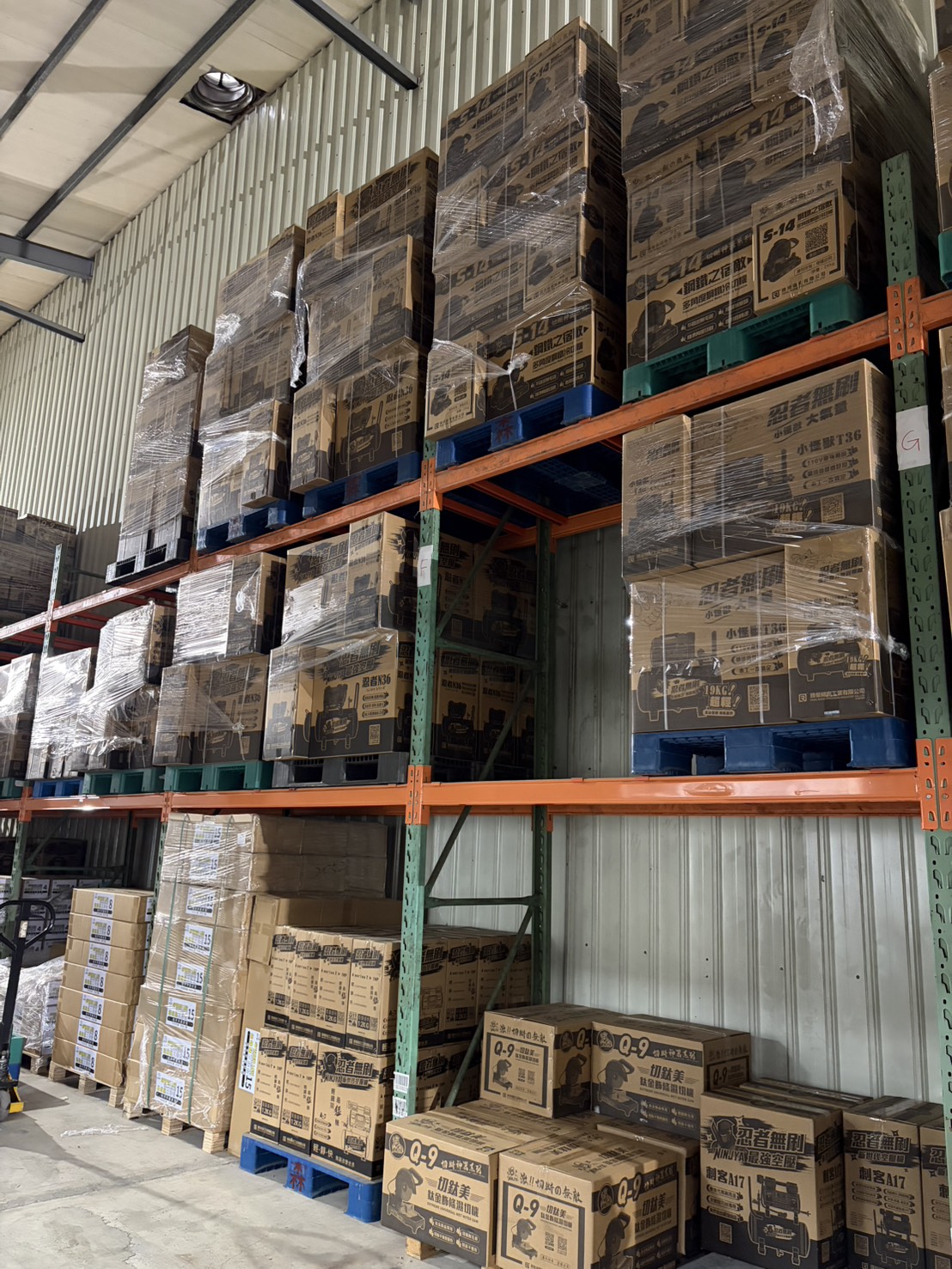
ODM production services are listed. The capability record also marks customization as NO, so ODM should not be read as unrestricted custom design. A buyer should ask what the ODM scope actually covers: labeling, packaging, color, accessory configuration, documentation or component selection. Each requested change should be confirmed in writing with its effect on MOQ, lead time and acceptance testing. This is the difference between a supplier that can support an ODM production route and a supplier that can redesign a vest for a new brand requirement.
Payment, freight and warranty
Full payment and shipment after payment are listed terms. Freight is paid by the buyer. These terms affect cash flow and landed cost, so the buyer should confirm the shipping term, destination charges and any documentation required for import. The after-sales term is a 6-month warranty for the water-cooled vest. The quotation should define what is covered, what is excluded, who pays return freight and whether consumable items such as ice packs or tubing are included in the warranty scope.
How should acceptance criteria be written around the listed specifications?
The listed acceptance criterion is a pre-shipment test. For a first order, that test should be converted into a written record tied to the same specifications used to select the vest. The purpose is not to create a new performance standard. It is to prevent a shipment from being accepted on a verbal assurance when the buyer has specific requirements for pump rating, flow, weight, materials and accessories.
| Acceptance check | What to record | Why it matters |
|---|---|---|
| Identity and quantity | Model, quantity, accessory count, batch or serial reference where available | Confirms the shipment matches the ordered COOLWAVE configuration and the listed accessory set. |
| Pump rating | Label or datasheet showing 5V and 150mA max | Matches the electrical input used for power-source planning. |
| Flow check | Measured flow within the 320–370 ml/min stated range under an agreed setup | Gives the buyer a specific circulation parameter instead of a general cooling claim. |
| Net weight | Dry weight under 2 kg, with the weighing condition stated | Separates the stated net weight from loaded weight with water, ice packs and backpack. |
| Material verification | TPU water bag, polypropylene cap, sand rubber tube, 600D polyester shoulder strap | Connects the shipment to the material callouts used in the quotation and sample approval. |
| Function and leak check | Pump runs, water circulates and no leak is observed at the cap or tube connection | A practical incoming check for a wet-loop product; it does not replace the supplier's own test. |
| Cooling duration validation | Sample test result against the stated 3–4 hour cycle in the intended environment | Duration is better treated as a sample qualification item than as a full test on every unit. |
A pre-shipment test should not be left as a phrase without content. The buyer can specify which checks are performed on every unit and which are performed on a sample. For example, identity, accessory count and a basic pump function check can be applied to every unit, while a full 3–4 hour cooling-duration test is more suitable for sample qualification. The flow check should state the setup, because a flow rate without test conditions is difficult to compare. The net weight check should state whether water and ice packs are excluded.
The listed payment and delivery terms should also be reflected in the acceptance workflow. Shipment after payment and freight paid by the buyer mean the buyer should confirm the shipping documents, destination charges and receiving inspection plan before release. The pre-shipment test record should be available before shipment, not reconstructed after the cartons arrive.
Where does the COOLWAVE vest fit, and where should buyers pause?
The COOLWAVE vest fits where workers need a portable cooling vest with active water circulation for tasks that can be managed within the stated 3–4 hour cooling cycle, and where the worksite can support ice, water and a 5V power source. It is a reasonable fit for pilot evaluation in construction sites, outdoor work, metal sheet factories and street vending, which are the use environments listed in supplier case material. It is less suitable where no power source can be managed, where a full shift without refill or ice replacement is required, or where the buyer cannot run a sample test in the actual work conditions.
The fit boundary is important because the product is not a refrigeration system and does not replace a heat-safety program. The pump circulates water; the ice packs provide the cold source. The worker still needs hydration, rest breaks, shading and supervision. A buyer should not translate a 3–4 hour cooling duration into an administrative rule that workers can skip heat-exposure controls.
Compared with a passive ice-pack vest, the COOLWAVE design adds a pump and a water loop. A passive ice-pack vest has fewer powered components and no pump, but it relies on ice-pack contact and replacement without circulated water. The COOLWAVE system adds circulation and therefore adds water filling, power-source management, tube and cap checks, and a wet-loop maintenance routine. Neither architecture is universally better. The decision depends on task duration, access to ice, access to power, maintenance capacity and worker acceptance.
The supplied material does not include an independent thermal test with defined ambient temperature, humidity, workload or clothing conditions. The 3–4 hour duration, 320–370 ml/min flow and under-2 kg net weight should therefore be treated as supplier-stated specifications to validate in a sample. That is not a reason to reject the product; it is a reason to write the sample test before the purchase order.
Which application scenarios should shape the sample test?
Supplier case material lists construction sites, outdoor workers, metal sheet factories and street vendors as use environments. A buyer should not copy one environment's experience into another. The sample test should mirror the actual task: ambient heat, radiant heat, clothing, workload, shift length, refill access and who handles the power source.
- Construction sites: test with the vest worn under or over the usual work clothing, with the backpack and ice packs in place. Record how the worker manages the tube, cap and power source while moving.
- Outdoor work and prolonged sun exposure: test in the intended time of day and note whether the ice packs and water loop remain manageable during the work cycle.
- Metal sheet factories: test near the actual heat exposure and movement pattern. Confirm that the wet loop and shoulder strap remain practical during the task.
- Street vending: test during a standing shift and check loaded weight, refill access and comfort while the worker interacts with customers.
The sample record should include start and end time, ambient conditions, water and ice status, pump operation, loaded weight, leak observations, refill time and worker feedback. That record is more useful than a general statement that the vest felt cool. It also gives the buyer a factual basis for deciding whether to order the 10-unit MOQ as a pilot or to request a different accessory configuration before scaling.
What does the industrial market context add?
Dataintelo's 2026 cooling-vests market report estimates the global cooling-vest market at USD 342 million in 2025 and reports that industrial applications accounted for 34.5% of revenue. This is a commercial research estimate, not a measure of COOLWAVE sales, and it should not be used to predict demand for one model. Its relevance is directional: industrial buyers are a meaningful part of the category, so procurement teams are likely to ask for specifications, test conditions and supply terms rather than only a comfort claim.
A practical outlook for first-time buyers is that verification will matter more than headline cooling language. A quotation that states the pump rating, flow range, net weight, materials, accessory set, MOQ, lead time, capacity, warranty and acceptance test is easier to audit than a brochure that summarizes the product as long-lasting or high-efficiency. The buyer's task is to turn those claims into checkable line items.
FAQ: First-buyer questions
Is the COOLWAVE vest a powered cooling product?
It is a dual-cooling product with a pump-driven water-circulation loop rated 5V/150mA maximum and two ice packs. The listed package includes a backpack and two ice packs. The scope for the power source, charging cable and any spare parts should be confirmed in the quotation.
Does the 3–4 hour cooling duration mean a full work shift?
No. It is the stated cooling duration per charge and ice-pack cycle. Actual duration depends on ambient conditions, workload, clothing, water and ice management, and pump operation. A buyer should validate the duration with a sample in the intended work environment.
What does the 7–14 day lead time cover?
It is the typical production lead time. The quotation should define when the period starts and whether pre-shipment testing is included. The listed delivery terms state shipment after payment and freight paid by the buyer.
Can a buyer change the product under ODM?
ODM production is listed, but the capability record marks customization as NO. Buyers should confirm in writing what ODM covers, such as labeling, packaging or accessory configuration, and should not assume unrestricted design changes.
What is the warranty and the acceptance criterion?
The after-sales term is a 6-month warranty for the water-cooled vest. The listed acceptance criterion is a pre-shipment test. A first order should specify the test record, including quantity, model, accessory count, pump rating, flow check, net weight, materials and a basic function or leak check.
Conclusion: what a first order should establish
A first-time buyer should leave the evaluation stage with a written specification, a sample test plan and a pre-shipment record, not only a product description. For the COOLWAVE Water-Circulation Cooling Vest, the core facts are the 5V/150mA maximum pump rating, 320–370 ml/min flow, under-2 kg net weight, 3–4 hour stated cooling duration, TPU water bag, polypropylene cap, sand rubber tube, 600D polyester shoulder strap, backpack and two ice packs. The commercial facts are the 10-unit MOQ, 7–14 day typical lead time, 3,000-unit monthly capacity, ODM production availability, 6-month warranty and pre-shipment test criterion.
Those facts are specific enough to support a first order, provided the buyer writes the acceptance checks and confirms the ODM, power-source and warranty scope. A downloadable company brochure (PDF) is available for background reference.
Have Questions or Need More Details?
Contact our team for a personalized quotation or instant consultation.
Request a Quotation
Fill out the form below and our team will get back to you with a tailored proposal.
WhatsApp Direct Chat
Prefer to chat in real-time? Message us on WhatsApp for instant assistance & quick answers.
- Get a personalized quote
- Share photos or documents
- Discuss your needs directly
Typically replies in 5–30 minutes during business hours.