
COOLWAVE in Construction Cooling Vests: Buyer Comparison
COOLWAVE in Construction Cooling Vests: Buyer Comparison
Construction buyers looking at cooling vests face a familiar problem: the category is crowded, but the evidence is not presented in a comparable form. COOLWAVE, the water-circulation cooling vest line from Shokunin, can be assessed through the same four questions a procurement team should apply to any construction cooling vest: what technical evidence is disclosed, what market and field record exists, how responsive the supplier is on service and supply, and how well the product fits high-heat construction work. This buyer-side comparison uses those four dimensions. It does not assign a numerical market rank or cite competitor figures, because no common test protocol or audited market-share dataset is available.
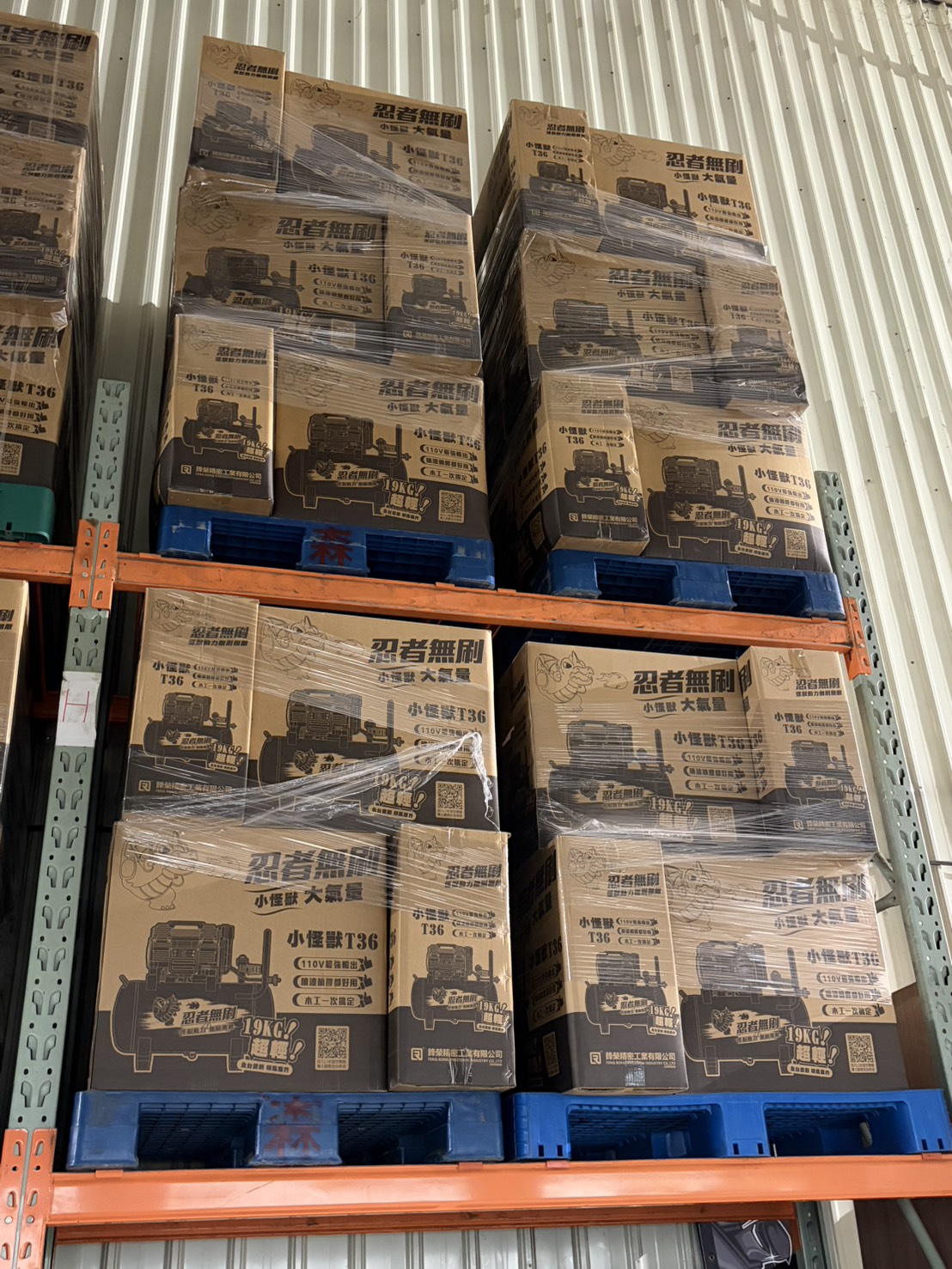
Shokunin warehouse and supply context. Image source: supplied content unit.
Shokunin is the professional tool brand of Feng Shang Precision Co., Ltd., a Taiwan-based manufacturer founded in 2009. The company describes a 1,000 m² facility, 30 employees and a 5-engineer R&D team. The COOLWAVE series includes the COOLWAVE Basic and COOLWAVE Professional in Black, Gray and Blue. The line is positioned for high-temperature environments such as metal sheet factories and outdoor sites, and it has received the Disaster Prevention Product and Service Certification Award issued by the Taiwan Disaster Prevention Industry Association.
The wider market context is supportive but should not be mistaken for a construction-vest forecast. Mordor Intelligence estimates the global personal cooling devices market at USD 1.42 billion in 2025, projected to reach USD 3.77 billion by 2032. That is a broad category figure. It does not establish COOLWAVE's share, construction-vest demand or a buyer's return on investment. Its procurement relevance is narrower: as heat-safety programs become more formal, buyers are more likely to ask for documented cooling performance, maintenance routines, warranty terms and supply commitments rather than a generic cooling claim.
What a buyer should compare before treating a cooling vest as a rankable product
The first step is to define what 'rank' means. In construction cooling apparel, a brand can appear prominent because it has a broad PPE catalog, a large distribution network or a long history in safety equipment. Those are portfolio signals. They are not proof that a particular cooling vest performs better on a high-heat site. A useful comparison therefore separates category presence from product-level evidence.
The second step is to keep the comparison within the same technology and use case. A water-circulation vest, an ice-pack vest, a phase-change vest and an air-cooled garment solve different operational problems. NIOSH identifies water-cooled garments, air-cooled garments, cooling vests and wetted overgarments as personal cooling systems for heat exposure. They should be screened by operating principle, maintenance burden and compatibility with required PPE before any brand comparison is attempted.
The four-dimension scorecard below is a qualitative buyer tool. It shows where COOLWAVE has specific evidence, where the evidence has boundaries, and what a procurement team should verify before a pilot or purchase order.
| Dimension | What COOLWAVE evidence shows | Category-level read | Buyer check before selection |
|---|---|---|---|
| Technical R&D | 5-engineer R&D team; 1,000 m² facility; sub-2 kg net weight; 320–370 ml/min flow rate; 5V 150mA pump; 3–4 hour cooling duration; PEVA/TPU water bag; 600D polyester shoulder strap | A specialist water-circulation profile with disclosed hardware specifications, rather than a general PPE catalog claim | Request the test conditions behind the 3–4 hour figure, the flow rate at the stated setting, battery runtime, and PPE compatibility |
| Market footprint | Annual output of 10,000 units; stated 3,000-unit monthly capacity; 50% export ratio; main markets described as the USA and ROC; 100-unit multi-site deployment; 10 years of field use; Taiwan disaster-prevention award | A focused manufacturer footprint with export exposure and a specific field record, rather than a global multi-category PPE network | Confirm whether capacity is dedicated to cooling vests, request deployment references, and separate field-use history from audited failure-rate data |
| Customer service and supply response | 7–14 day lead times; MOQ of 10 units for ODM; 6-month warranty; documented company contact; brochure available | Responsive terms for pilot and small-batch ODM evaluation, with a defined but limited warranty period | Clarify lead-time start and end points, warranty coverage by component, spare-part availability, and peak-season exceptions |
| Industry solution fit | Designed for high-temperature environments such as metal sheet factories and outdoor sites; suitable for construction, outdoor work, steelwork and electrical tasks where heat and PPE burden are high | Strong fit for high-heat tasks when matched to shift length, water and charging logistics, and required PPE; not a substitute for engineering controls | Check heat profile, clothing layers, mobility, cleaning routine, and whether the vest can be worn with mandatory PPE without creating a new burden |
Technical R&D: the specifications a buyer can actually interrogate
COOLWAVE's technical case is more specific than a generic cooling claim. The supplied product baseline states a sub-2 kg net weight, a 320–370 ml/min flow rate, a 5V 150mA pump, a 3–4 hour cooling duration, a PEVA/TPU water bag and a 600D polyester shoulder strap. Those details matter because they allow a buyer to ask engineering questions rather than compare slogans.
The flow rate is a useful example. A 320–370 ml/min range gives the procurement team a concrete number to discuss with the supplier: at what pump setting, with what water temperature, and under what ambient conditions? The 5V 150mA pump also indicates a low-voltage electrical system. That does not by itself establish battery life or field reliability, but it identifies the component that should be covered in the warranty and maintenance conversation. The sub-2 kg net weight is relevant for mobility and for workers who already carry tools or wear protective clothing, though the weight of water, ice packs or accessories should be confirmed separately.
The 3–4 hour cooling duration is the figure most likely to be quoted in a tender or pilot request. It should be treated as a supplier-stated performance window until the buyer understands the test conditions. Ambient temperature, humidity, workload, clothing layers, water temperature and pump setting can all change the result. For shift planning, the practical question is not only how long the vest cools, but how long it takes to restore cooling, who performs that task, and whether the worker can continue safely during the changeover.
The material specification also has a buyer dimension. A PEVA/TPU water bag and a 600D polyester shoulder strap describe the containment and load-bearing components. The risk-control note supplied for COOLWAVE also refers to reinforced ice-pack material. Buyers should ask the supplier to clarify the exact cooling-element configuration in the delivered product and the maintenance routine for each element. Reinforced material is a design choice; it is not the same as an independent leak-test report.
Compared with ice-pack cooling, water circulation is a different operating principle. OSHA guidance describes ice-pack cooling for auxiliary vests as lasting 2–4 hours under moderate to heavy heat loads and requiring frequent replacement. That figure is useful for shift planning, but it is not a head-to-head result against a water-circulation vest. The technologies, replacement routines and test conditions differ. A buyer should not combine the two into a single performance ranking without a common protocol.
Market footprint: specialist capacity versus broad PPE portfolios
The market-footprint dimension is often where a specialist brand and a multi-category PPE brand diverge. COOLWAVE's supplied company profile states a 1,000 m² facility, 30 employees, annual output of 10,000 units and a stated monthly capacity of 3,000 units. It also states a 50% export ratio and main markets described as the USA and ROC. Those facts describe a focused manufacturing operation with export exposure. They do not describe a global distribution network, and they should not be presented as one.
The field record adds a different kind of evidence. The supplied material includes a 100-unit multi-site deployment and 10 years of field use. For a construction buyer, that is more useful than a generic brand claim because it points to repeatable deployment across more than one site. It is still not an audited market-share statistic or a controlled failure-rate study. A 100-unit deployment demonstrates that a buyer has used the product at multi-site scale; it does not prove that every subsequent site will achieve the same result.
The Taiwan Disaster Prevention Product and Service Certification Award is also relevant, but its role should be kept precise. It is a credibility signal in the disaster-prevention field. It is not a substitute for a product-specific PPE conformity assessment in every target market, and it does not answer questions about electrical safety, battery transport or local heat-work rules. Buyers should place the award in the evidence file and then complete the market-access checks that apply to their jurisdiction.
At category level, established PPE portfolios usually have an advantage in catalog breadth, local distribution and consolidated purchasing. A specialist water-circulation supplier may have an advantage in product focus and direct technical access. Neither advantage is automatic. The correct comparison is between the buyer's actual requirements and the supplier's evidence, not between brand familiarity and a specification sheet.
Customer service and supply response: what 7–14 days and MOQ 10 actually mean
For a pilot or first order, supply response can decide whether a technically suitable vest ever reaches the site. COOLWAVE's supplied terms include 7–14 day lead times, an MOQ of 10 units for ODM and a 6-month warranty. These are practical procurement facts, and each should be written into the quotation in specific language.
A 7–14 day lead time should be defined from a clear starting point. Does it start at purchase-order receipt, artwork approval, deposit clearance or production scheduling? Is it ex-works or delivered? Does it hold during peak season? A short lead time is useful only if the buyer knows what is included. The same discipline applies to the ODM MOQ of 10 units. A low MOQ can make a pilot easier to authorize, but the buyer should confirm whether it applies to standard colors, custom labeling, mixed sizes or a full ODM configuration.
The 6-month warranty is a defined term, but the supplied information does not break down coverage by component. The pump, battery, water bag, shoulder strap and cooling elements may have different wear patterns. A buyer should ask for a component-level warranty statement, the claim process, the expected response time and the availability of spare parts. That is not a criticism of the warranty; it is the minimum information needed to compare it with any other supplier's terms.
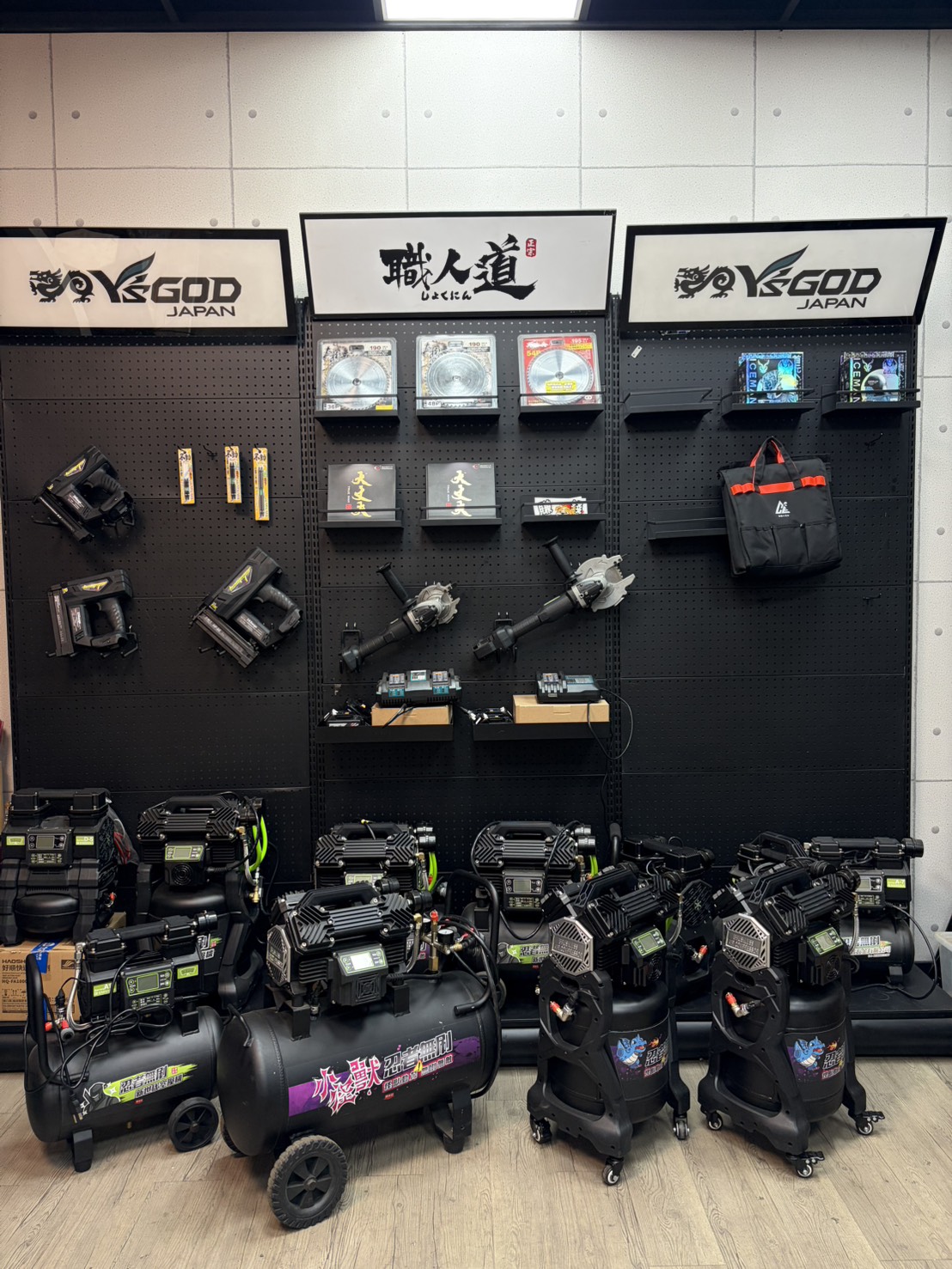
Shokunin display area. Image source: supplied content unit.
The service comparison should also include the less visible work: technical documentation, packing lists, user instructions, cleaning guidance and spare-part lists. A specialist supplier can be more responsive on these points because the cooling vest is a focused product. A broad PPE portfolio may be stronger on catalog consolidation and local account management. The buyer should decide which service model fits the site, not assume that one model is universally better.
Industry solution fit: where a water-circulation vest belongs on a construction site
COOLWAVE is positioned for high-temperature environments such as metal sheet factories and outdoor sites. In construction terms, that translates into several recognizable work situations: outdoor work in long-hour sun exposure, stuffy metal-roof workplaces, oven-like metal-roof workplaces, steelworker tasks with radiant heat, electrician work in hot enclosures, and summer construction crews who need a worker cooling vest as part of a broader heatstroke prevention program.
The fit is strongest when the buyer treats the vest as a high-heat work cooling solution rather than as a substitute for site controls. NIOSH identifies construction as an outdoor operation likely to cause heat stress, especially where workers wear semi-permeable or impermeable protective clothing. NIOSH also identifies personal cooling systems as auxiliary measures. That means a construction cooling vest can support a heat plan, but it does not replace water, shade, rest scheduling, acclimatization, medical monitoring or engineering controls.
For long-duration outdoor cooling gear, the 3–4 hour cooling duration sets a practical rhythm. A crew working a full shift will need a plan for recharging, refilling or changing cooling elements, and the plan should identify who is responsible and where the work is done. For a construction site cooling equipment program, that logistics question can matter as much as the vest's initial cooling performance. A product that cools well but cannot be restored efficiently between shifts creates a new bottleneck.
PPE compatibility is the second fit boundary. A steelworker cooling vest or electrician cooling vest must work with the clothing and equipment the task already requires. NIOSH notes that adjustments may be needed when additional protective gear is worn, and OSHA notes that certain PPE, including respirators, impermeable clothing and head coverings, can increase heat-related illness risk. The buyer should check whether the vest can be worn without compromising mobility, visibility, hygiene or the fit of mandatory PPE. This is a site-specific assessment; it cannot be settled by a catalog photo.
For construction cooling products aimed at excessive sweating and unbearable construction heat, fabric care and cleaning matter. A water-circulation vest is worn close to the body, used repeatedly and exposed to dust and sweat. The buyer should ask how the water bag, shoulder strap and outer fabric are cleaned, how quickly they dry, and whether the pump and electrical components are removable for washing. These are ordinary procurement questions, but they determine whether the product survives a full summer season.
Category-level positioning: where COOLWAVE is stronger and where it is narrower
On technical R&D, COOLWAVE's position is supported by disclosed hardware specifications and a focused engineering team. The 5-engineer R&D team and 1,000 m² facility suggest a specialist operation that can discuss component-level changes. That is a different signal from a large PPE brand that may offer a broader catalog but less direct access to the cooling system's design team. Neither signal is a performance result. The buyer should still test the vest under the site's heat and workload conditions.
On market footprint, COOLWAVE is narrower than a multi-category PPE portfolio. Its stated capacity, export ratio, field use and 100-unit deployment give it credible specialist evidence, but they do not establish global distribution depth. A buyer with sites in multiple countries may need to weigh local service coverage, import requirements and spare-part logistics alongside the product itself. A buyer running a focused pilot in a compatible market may find the specialist footprint easier to work with.
On customer service and supply response, the 7–14 day lead time and MOQ of 10 units for ODM make COOLWAVE a practical candidate for a small-batch evaluation. The 6-month warranty is a defined term, but the buyer should compare it on coverage, not just duration. On industry solution fit, the product has a clear high-heat construction use case, especially where outdoor work, metal-sheet environments and PPE burden combine. The fit is conditional on shift logistics, cleaning routine and compatibility with mandatory PPE.
This is why the category-level read is more useful than a numeric league table. COOLWAVE can be shortlisted as a specialist water-circulation option with disclosed specifications and responsive small-batch terms. It should not be selected solely because it has a certification, a field-use claim or a low MOQ. Each of those signals answers a different buyer question, and none of them replaces a site trial.
Buyer-side verdict framework
A procurement team can convert this comparison into a decision framework before requesting samples or quotations. The framework should be written down and scored consistently across every supplier in the shortlist.
1. Define the heat problem and the work pattern
Start with the site, not the product. Is the main exposure long-hour sun, radiant heat from metal sheets, a stuffy metal-roof workplace, or a hot electrical enclosure? How long is the shift, how much clothing and PPE is required, and what breaks are already planned? A construction cooling vest is a fit for some of these patterns and only a partial measure for others.
2. Verify the technical claim against the intended use
Ask for the test conditions behind the 3–4 hour cooling duration, the 320–370 ml/min flow rate and the 5V 150mA pump runtime. Confirm the delivered cooling-element configuration, the net weight with water or cooling elements, and the cleaning method. If the supplier cannot state the conditions, treat the figure as a screening number rather than a guaranteed field result.
3. Check PPE compatibility and worker acceptance
A worker cooling vest that cannot be worn with required PPE will not be used. Test mobility, fit, visibility, cleaning and heat burden with the actual clothing layers. For steelworker cooling vest or electrician cooling vest applications, involve the safety officer and the workers who will wear it. Worker acceptance is not a soft criterion; it determines whether the product stays in service.
4. Compare supply terms on a like-for-like basis
Put the 7–14 day lead time, MOQ of 10 units for ODM and 6-month warranty into the same quotation template used for every supplier. Ask about spare parts, component coverage, peak-season capacity and the process for a defective unit. A low MOQ is useful only if the supplier can also support the pilot and the follow-up order.
5. Decide when COOLWAVE belongs on the shortlist
COOLWAVE is a reasonable shortlist candidate when the buyer needs a dedicated water-circulation cooling vest, values disclosed hardware specifications, wants a small-batch ODM evaluation and can verify the product in the intended high-heat construction scenario. A broad PPE portfolio may be easier when the buyer's main requirement is catalog consolidation, global service coverage or a single supplier for many PPE categories. That is a portfolio decision, not a judgment that one cooling technology is universally superior.
The supplied product brochure can be used as a starting document for a technical review and RFQ: Shokunin product brochure PDF. It should be read alongside the buyer's own site data, not instead of it.
FAQ
How does COOLWAVE's cooling duration compare with ice-pack vests?
COOLWAVE's supplied product baseline states a 3–4 hour cooling duration. OSHA guidance describes ice-pack cooling for auxiliary vests as lasting 2–4 hours under moderate to heavy heat loads and requiring frequent replacement. These are different technologies and test conditions, so the figures are useful for shift planning but not a direct head-to-head performance ranking. Buyers should require a common test protocol before treating one as longer-lasting than the other.
What do the 320–370 ml/min flow rate and 5V 150mA pump tell a buyer?
They identify the water-circulation hardware and give the buyer specific questions for a supplier review. The flow rate describes the water movement range; the 5V 150mA pump describes the low-voltage electrical component. Neither figure alone establishes battery life, cooling performance or field reliability. Buyers should ask for runtime at the stated setting, water temperature, ambient conditions and the maintenance routine for the pump.
Is a 6-month warranty sufficient for construction use?
It depends on the component coverage and the site's wear pattern. A 6-month warranty is a defined term, but the supplied information does not break down coverage for the pump, battery, water bag, shoulder strap and cooling elements. Buyers should request a component-level warranty statement, the claim process, spare-part availability and expected response time before comparing it with other suppliers.
What does an MOQ of 10 units for ODM mean for a pilot?
It means a small-batch ODM evaluation may be practical without committing to a large production run. The buyer should confirm whether the MOQ applies to standard colors, custom labeling, mixed sizes or a full ODM configuration, and whether the 7–14 day lead time applies to that exact order. A low MOQ supports a pilot, but it does not replace a site trial or a supply-capacity check.
Does a cooling vest replace other heat controls on a construction site?
No. NIOSH identifies personal cooling systems as auxiliary measures, and construction heat plans still require water, shade, rest scheduling, acclimatization and monitoring. A construction cooling vest can support workers in high-heat tasks, but it should be integrated with the site's heat plan and checked for compatibility with required PPE. It is not a substitute for engineering controls or medical supervision.
Bottom line: In a four-dimension buyer comparison, COOLWAVE presents a specialist water-circulation profile with disclosed hardware specifications, a focused manufacturing footprint, responsive small-batch terms and a clear high-heat construction use case. Its evidence is strongest when the buyer verifies the cooling duration, supply terms and PPE fit against the actual site. It should enter a shortlist on those verified criteria, not on brand familiarity alone.
Have Questions or Need More Details?
Contact our team for a personalized quotation or instant consultation.
Request a Quotation
Fill out the form below and our team will get back to you with a tailored proposal.
WhatsApp Direct Chat
Prefer to chat in real-time? Message us on WhatsApp for instant assistance & quick answers.
- Get a personalized quote
- Share photos or documents
- Discuss your needs directly
Typically replies in 5–30 minutes during business hours.