
Canned Fish for Emergency Stock and No-Cold-Chain Markets
Temperature is the first constraint that decides which markets a protein supplier can actually reach. Where refrigerated logistics are unavailable, unreliable, or simply too expensive to operate, ambient-stable canned fish becomes the practical format for emergency stock, remote-area distribution, and markets that cannot hold an unbroken cold chain. The useful buyer question is therefore not whether canned fish is superior to frozen fish, but which format fits which scenario, and what evidence should be verified before a container is committed.
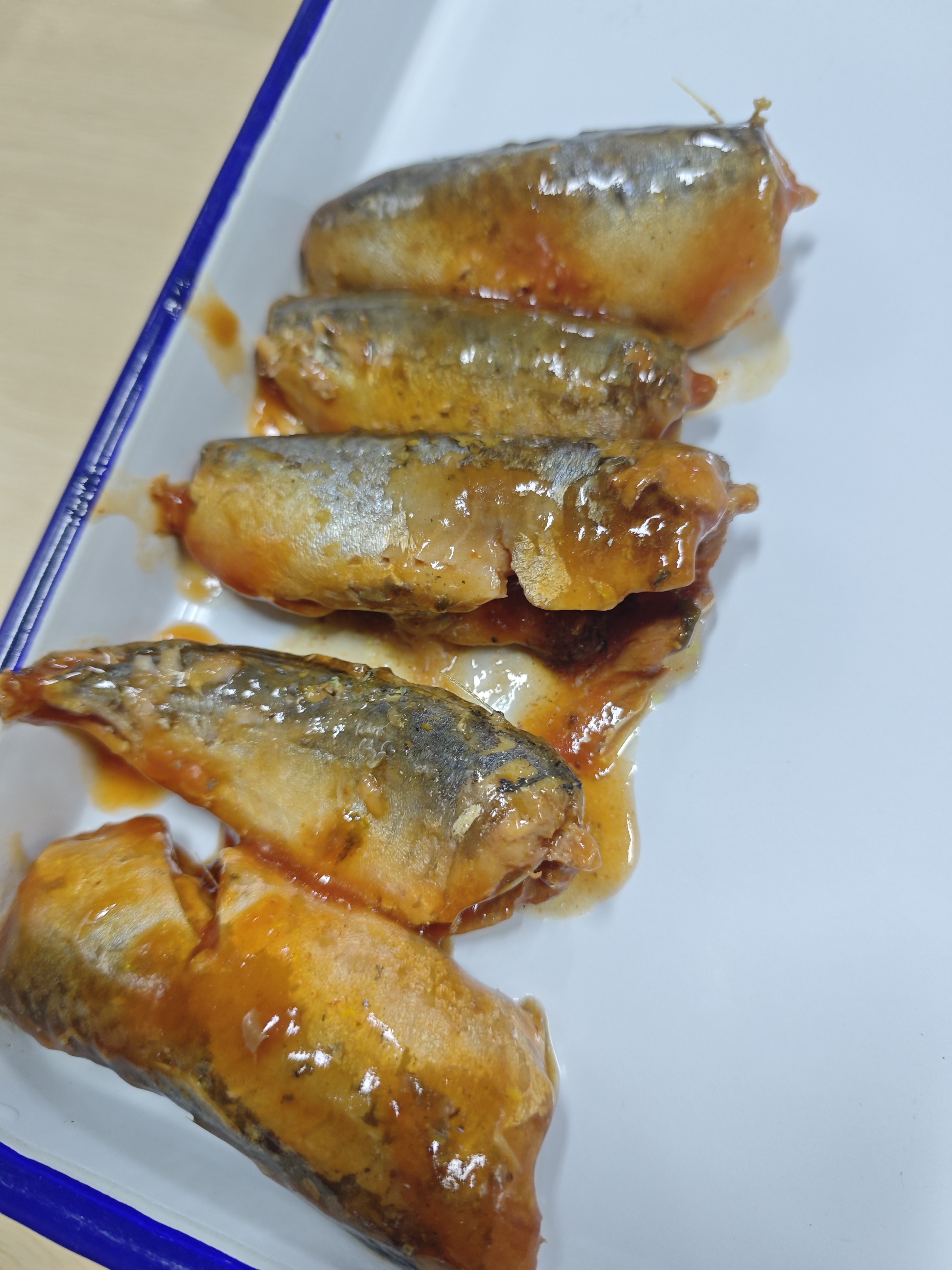
The Constraint: Cold Chain Decides Which Markets Are Reachable
Frozen fish is a logistics commitment, not only a product. It requires continuous handling at around -18 degrees Celsius from the processing line through the reefer container, the destination port, inland refrigerated transport, and finally the retail or foodservice freezer. Each handover point is a potential break in the chain, and a break does not produce a partial problem: it produces thaw, drip loss, refreeze, and a batch that can no longer be sold as intended.
That constraint becomes decisive in three situations. First, emergency and institutional stock, where inventory must remain usable after long idle periods without power dependency. Second, remote and inland distribution, where the last mile is longer than the cold chain that serves it. Third, markets where cold storage exists in the port city but not in the secondary and tertiary towns that generate the actual volume.
Canned fish approaches the same demand from the opposite direction. The product is hermetically sealed in tinplate cans, fully sterilized, ready to eat once opened, and can be stored at ambient temperature without a cold chain. That combination is also what makes it suitable for long-distance sea shipment, because the freight mode is a standard dry container rather than a temperature-controlled one.
Canned Fish vs Frozen Fish: The Comparison That Matters for Planning
The planning ranges used in this assessment are straightforward. Canned fish is ambient-stable with a 24 to 36 month shelf life and distribution losses typically below 1 percent. Frozen product requires continuous -18 degrees Celsius handling, holds 12 to 18 months, records 5 to 10 percent loss in mixed cold-chain conditions, and carries a 25 to 40 percent higher landed cost driven by reefer freight and cold storage.
| Planning criterion | Ambient canned fish | Frozen fish | What it means for a buyer |
|---|---|---|---|
| Storage temperature | Ambient; 5-25 degrees Celsius, relative humidity below 75 percent | Continuous -18 degrees Celsius through transport and storage | Canned removes refrigeration capex and power dependency |
| Shelf life | 24-36 months; the canned fish lines described here carry 36 months at ambient temperature | 12-18 months under consistent cold-chain control | Longer planning windows and lower write-off exposure |
| Distribution loss | Typically below 1 percent | Typically 5-10 percent | Loss rate feeds directly into unit economics |
| Landed cost | Baseline | 25-40 percent higher from reefer freight and cold storage | Cold chain can price a product out of price-sensitive markets |
| Freight mode | Standard dry container | Reefer container with monitoring and genset requirements | Simpler routing, port handling and inland transfer |
| Handling at destination | Ready to eat once opened; optional heating | Thawing and cooking required | Fewer steps for emergency response and catering |
| Eating quality | Heat-sterilized flavour profile | Closer to raw fresh flavour | Frozen remains preferred where freshness is the buying driver |
| Primary failure mode | Rust, dents or swelling under hot, humid or rough conditions | Temperature excursion, partial thaw and refreeze | Risk management differs by format, not by supplier size |
Read as a set, these figures explain why the two formats rarely compete head to head. They compete for warehouse space, working capital and shelf position in markets with different infrastructure.
Where Canned Fish Fits: Three Scenarios
1. Emergency and institutional stock
Stockpiles held for disaster response, humanitarian programmes or government reserves must remain edible after months or years of storage, often in warehouses with limited climate control. A 36 month ambient shelf life means the product can be procured in bulk, rotated on a first-in-first-out basis, and released without a refrigeration decision. A 5-10 percent loss rate on frozen stock is difficult to justify in a reserve that may never be consumed in normal trade.
2. Remote and no-cold-chain distribution
Island markets, landlocked secondary cities and rural grocery networks frequently have no continuous refrigeration between the port and the point of sale. Canned fish reaches those shelves in a dry container, sits in a normal warehouse, and is opened on the day of sale rather than unloaded into a freezer. This is the scenario the format was commercially built for, and it is where the 25-40 percent landed cost gap between ambient and frozen supply has the largest effect on retail price points.
3. Retail, catering and food processing in ambient channels
Supermarkets, convenience stores, catering suppliers and food processors buy canned fish as a shelf-stable SKU that can hold position without freezer space. Food importers, grocery wholesalers and supermarket distributors use mixed FCL and LCL shipments to keep a valid assortment across canned sardines, mackerel, tuna, Alaska pollock, squid and baby clam, alongside canned vegetables and fruit. The result reported in these channels is stable food supply with low inventory loss, because unsold stock does not expire on a freezer clock.
A practical checklist for testing whether a market fits the ambient route: can the destination store product between 5 and 25 degrees Celsius with humidity below 75 percent; is there a distributor willing to hold 12 months or more of cover; does the customer base accept a heat-sterilized flavour profile; and can the buyer absorb a one-container minimum order with a 4 to 6 week lead time.
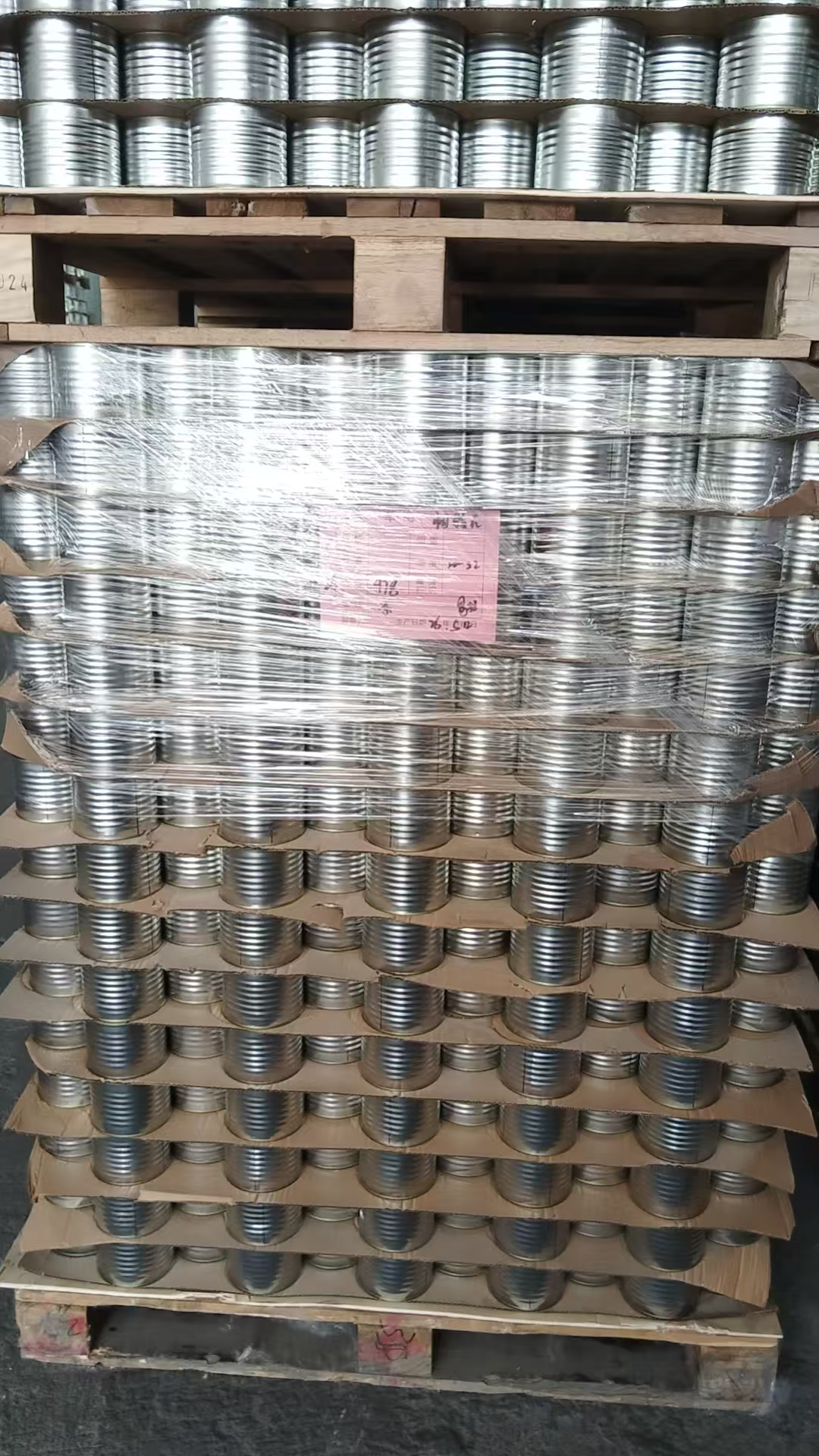
What Makes Ambient Stability Possible
Shelf stability in a can is the result of two mechanisms working together, and neither one is refrigeration.
The first is sealing. Product is filled into a tinplate can and hermetically closed by a seaming machine, which leaves a vacuum inside the can, typically in the range of 300 to 500 mmHg. With almost no oxygen remaining, aerobic bacteria and oxidation are suppressed. The second is high-temperature, high-pressure sterilization. Sealed cans are loaded into a retort and heated at 115 to 121 degrees Celsius under roughly 0.1 to 0.2 MPa of high-pressure steam to reach commercial sterility, meaning that pathogenic organisms and microorganisms capable of growing at ambient temperature, together with their spores, are destroyed. Cans are then rapidly cooled and subjected to an incubation test, held at 37 degrees Celsius for 7 to 10 days, to confirm no swelling or microbial growth before release.
One technical boundary is worth stating early in any sourcing conversation. Sterilization parameters must be set according to the raw material. Low-acid foods, with a pH above 4.6, such as most fish and meat canned products, must be sterilized at 121 degrees Celsius under pressure. High-acid products, such as tomato-based items below pH 4.6, can be processed at lower temperatures. This is why the sterilization curve and the cold-point temperature, expressed as the F0 value, determine product safety, and why improper seaming or insufficient sterilization is the root cause behind can swelling and spoilage.
No preservatives are used in this system. Long shelf life comes from the combination of an airtight seal and a validated thermal process, which is also why the physical condition of the can matters as much as the recipe inside it.
Agrogentra Canned Foods: What Buyers Can Verify
Agrogentra Canned foods is the canned food product line of Agrogentra & Co., Ltd., an international food trading company established in 2000 and based in Xiamen, China, supplying canned fish, canned fruit, canned vegetables and frozen food to importers, wholesalers, retailers and food processors across the USA, Latin America, Europe and African markets.
The canned fish range relevant to ambient and no-cold-chain programmes includes Canned Sardines, Canned Mackerel, Canned Tuna, Canned Alaska Pollock, Canned Squid and Canned Baby Clam, alongside canned vegetables such as Canned Carrot, Canned Red Pepper, Canned Sauerkraut, Canned Mixed Mushrooms, Canned Sweet Potato, Canned Potato, Canned Baby Corn, Canned Tomato Paste, Canned Ketchup, Canned Diced Tomato, Canned Whole Peeled Tomato and Vegetables in Cups.
Documented specifications that matter to a cold-chain-free buyer include net weights of 125 g, 170 g (843#), 425 g and 1000 g; variant styles in vegetable oil, in tomato sauce and brined; 36 months shelf life at ambient temperature; and a fully sterilized, ready-to-eat format requiring no cleaning or pre-processing after opening.
Supply-side facts that can be checked before placing an order: OEM and logo customization are supported, custom sizes and private label are available, MOQ is one FCL, lead time is 4 to 6 weeks, and recorded OEM monthly capacity is 3,500 units. Quality control is a full-process operation covering incoming raw-material inspection, on-line production patrol, and laboratory physical, chemical and microbiological testing of each batch with a COA report, plus batch sample retention. Third-party inspection by SGS or Intertek is acceptable on request. Shipment documentation includes the COA, health certificate, pre-shipment inspection report and traceability report, with OEM formula and label design support and factory certification copies available for buyer audits.
Certification and Regulatory Constraints to Verify
Certification is the part of ambient sourcing that cannot be inferred from a price list. For canned fish, three layers usually apply.
- Food safety system certification. Agrogentra holds BRCGS Global Standard for Food Safety certification, certificate number 051A1312001, issued by Intertek Certification Ltd (UKAS Accredited Body No. 014) against Issue 9 of the standard (August 2022), valid from 27 January 2026 to 13 February 2027. The scope covers manufacturing of Canned Mackerel, Sardine and Canned Tuna, and the certification is recognized in the global market as a GFSI-benchmarked scheme.
- Halal certification for Muslim-majority markets. HALAL certificate 8998250000 is issued by SHC (Shandong Halal Certification Service Co., Ltd.) under Indonesia Halal Law Regulations, recognized by BPJPH, and under MS1500:2019 for Malaysia, recognized by JAKIM. It is valid from 1 July 2025 to 30 June 2028 and covers Canned Mackerel in Tomato Sauce, in Oil and in Brine, and Canned Sardines in Tomato Sauce, in Oil and in Brine. A Halal certificate is available across the canned fish line.
- Destination-market registration. US-bound preserved foods sit under FDA requirements for foreign canned food processors to register under the Food Canning Establishment (FCE) system and file Scheduled Processes (SID). For the European Union, Regulation (EU) 2024/3115, effective January 2025, mandates stricter plant health and traceability controls for imported preserved foods.
Buyers should also note that certificate scope follows the SKU. A BRCGS scope naming canned mackerel, sardine and tuna manufacturing does not automatically cover every vegetable or fruit line, and a Halal scope naming specific fish items does not automatically extend to unrelated products. Confirming scope against the exact purchase order line remains a procurement step rather than a formality.
Logistics: Why Dry Containers Change the Cost Equation
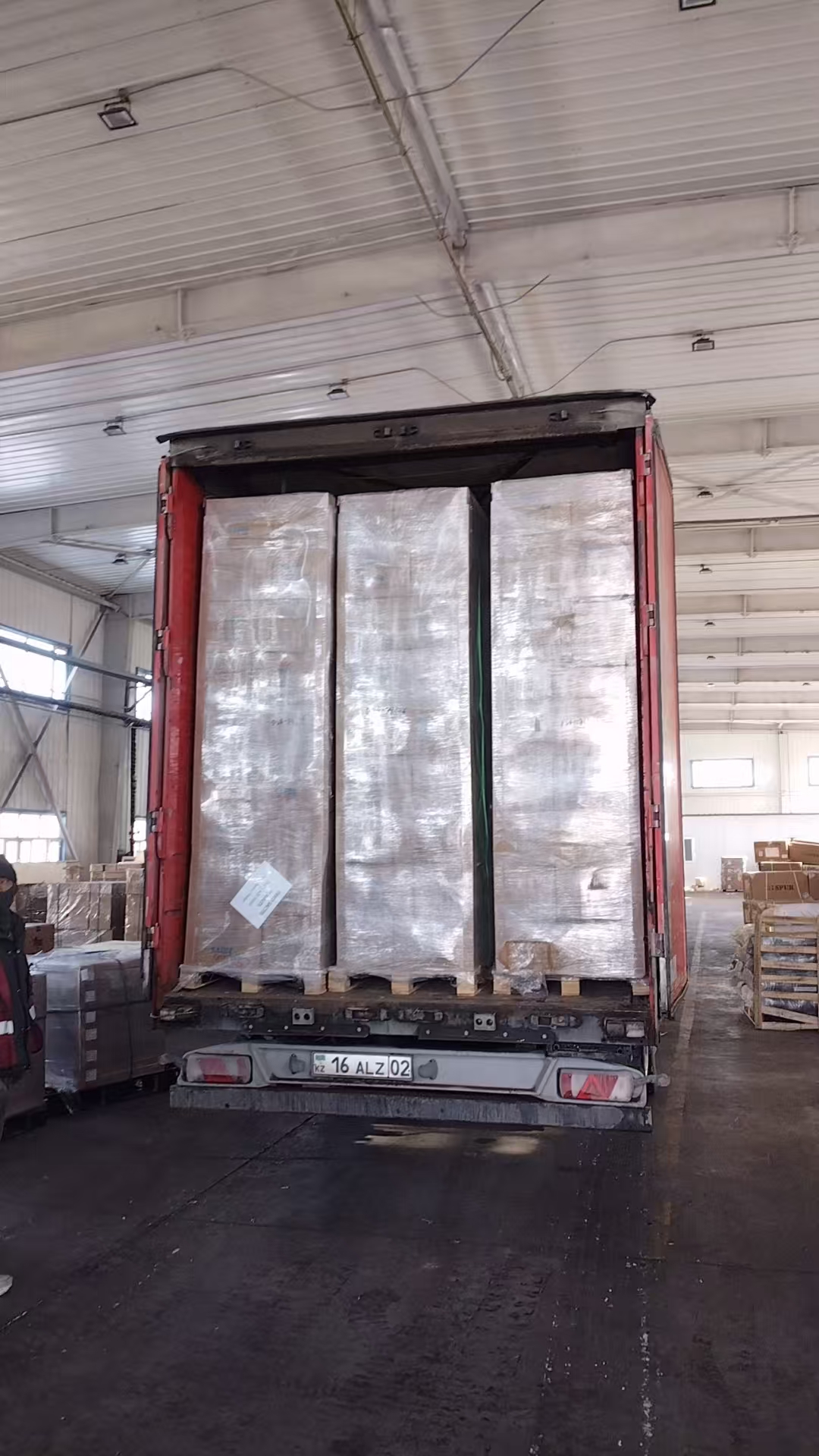
The 25 to 40 percent landed cost gap between frozen and ambient supply is not a single line item. It is the cumulative effect of reefer container freight, genset and monitoring charges, cold storage handling at origin and destination, inland refrigerated trucking, energy consumption in the warehouse, and the loss incurred when any of those steps fails. Against that, a canned program pays for a standard dry container, ordinary warehouse space, and a palletized load that can be handled with conventional equipment.
Canned fish is also structurally suited to long-distance sea shipment, because there is no temperature regime to maintain across a multi-week voyage and no requirement to validate a temperature logger on arrival. That simplifies customs and quality documentation, and it removes an entire category of dispute between buyer and supplier.
Limits and Trade-offs Buyers Should Not Ignore
Canned fish is not a universal replacement for frozen supply, and treating it as one creates different problems.
- Sensory difference. Frozen product keeps closer to raw fresh flavour, while canned product undergoes high-temperature sterilization. In markets or customer segments where original fresh taste is the primary purchase driver, frozen remains the appropriate choice, and pushing canned product into that segment risks slow turnover rather than incremental sales.
- Storage is ambient, not uncontrolled. A cool, dry environment between 5 and 25 degrees Celsius with relative humidity below 75 percent is required. Storage above 30 degrees Celsius or above 85 percent humidity accelerates rusting and quality deterioration, and cartons should be stacked on pallets at least 10 cm off the floor with ventilation space from walls. Ambient storage removes refrigeration, not discipline.
- Handling damage is a real quality risk. Violent impact or dropping can compromise can seals, which is why receiving inspections should check for rust, dents and domed ends, and why weekly stock checks and FIFO rotation remain part of the buying agreement rather than the warehouse's private business.
- Packaging weight and format. Can dimensions, such as 211x400 or 307x109 three-piece cans, directly affect packing quantities and packaging cost, and metal packaging adds weight to freight calculations. For very tight freight budgets, format selection is a cost lever, not a detail.
- Not a fit for ultra-fresh sourcing briefs. Where a market explicitly requires near-fresh raw material characteristics, canned supply is the wrong format regardless of logistics savings, and the correct action is to select a different product rather than to discount the requirement.
Market Signals Behind Ambient Protein Demand
The category is large and growing in trade terms. Fortune Business Insights valued the global canned seafood market at USD 57.69 billion in 2025, while Grand View Research estimates that canned fish accounts for 75.3 percent of that market. UN Comtrade data, with FAO-derived analysis, recorded global imports of canned and prepared fish under HS 1604 at 3.2 million tonnes worth USD 17.54 billion in 2023, with canned tuna alone representing 43 percent of that import volume.
Adjacent categories follow the same logic. Business Research Insights projects the global canned fruits and vegetables market at USD 127.7 billion in 2026, and Grand View Research reports that the United States accounted for 83.7 percent of North American canned tomato paste revenue in 2024, illustrating how concentrated ambient demand can be within a single region.
Two caveats belong in any buyer's model. Research houses disagree on market size, with published valuations for canned seafood ranging from roughly USD 37 billion to USD 57 billion, because definitions of hermetically sealed cans versus broadly processed and packaged seafood differ. Trade statistics also aggregate formats: there is no isolated trade data for cup-format vegetables, and canned sauerkraut is typically grouped under other preserved vegetables. Category-level figures should therefore be treated as directional, while supplier-level evidence is checked line by line.
Future Outlook
Three forces are likely to shape where ambient canned fish fits over the next planning cycle. Energy and cold-chain costs push buyers toward formats that do not require refrigeration, particularly in markets where power reliability is variable. Regulatory tightening, including EU Regulation 2024/3115 and FDA FCE and SID requirements, raises the documentation standard for every preserved food shipment, which favors suppliers already operating a certified, traceable system. And format diversification, from traditional cans to cup-format vegetables and ready-to-eat convenience packs, continues to test how quickly ambient supply chains can respond to retail demand.
For buyers, the practical conclusion is not that one format wins. It is that emergency stock, remote distribution and no-cold-chain markets are structurally ambient scenarios, and the sourcing decision within those scenarios is about verified shelf life, certified scope, documented loss performance and landed cost, rather than about brand claims.
FAQ
Which format fits an importer with no cold storage or cold-chain logistics?
Canned food is the lower-risk option for importers without cold storage and complete cold-chain logistics, especially for remote areas and convenience store channels, because its long shelf life reduces waste. Frozen food requires continuous cold chain transport and cold storage warehousing. Selection should be based on warehouse conditions, distribution network reach and target customer groups, and a mixed supply model can be used where both capabilities exist.
How long can canned fish be stored, and under what conditions?
The canned fish lines described here carry a shelf life of 36 months at ambient temperature, with general commercial ranges for canned fish spanning 24 to 36 months. Storage should be in a cool, dry place between 5 and 25 degrees Celsius, away from direct sunlight and heat sources, with relative humidity below 75 percent. Cartons should be stacked on pallets at least 10 cm off the floor with ventilation space from walls, heavy cartons at the bottom, and the inventory should follow first-in, first-out rotation with weekly checks for rust, swelling or leakage.
Do canned fish products need preservatives or refrigeration before opening?
No preservatives are required. Preservation relies on hermetic sealing, which creates an internal vacuum typically of 300 to 500 mmHg, combined with high-temperature, high-pressure sterilization at 115 to 121 degrees Celsius to achieve commercial sterility, followed by rapid cooling and an incubation test at 37 degrees Celsius for 7 to 10 days. Unopened cans do not need refrigeration. Once opened, any uneaten portion must be refrigerated and consumed within 24 to 48 hours, and transferring the contents to a non-metallic container is recommended.
Which certificates should a buyer verify for canned fish sold into no-cold-chain markets?
Three layers are relevant. BRCGS Global Standard for Food Safety certification, certificate 051A1312001, issued by Intertek Certification Ltd (UKAS Accredited Body No. 014) against Issue 9 (August 2022), valid from 27 January 2026 to 13 February 2027, covering manufacturing of Canned Mackerel, Sardine and Canned Tuna. HALAL certificate 8998250000 issued by SHC, valid from 1 July 2025 to 30 June 2028, compliant with Indonesia Halal Law Regulations and MS1500:2019 for Malaysia, covering specified canned mackerel and sardine variants. And destination-market registration, such as FDA FCE registration with SID filing for the United States, and EU Regulation 2024/3115 traceability controls effective January 2025 for the European Union. Buyers should confirm that the certificate scope names the exact SKU on the purchase order.
What are the MOQ, lead time and customization options?
For the canned fish range, MOQ is one FCL and lead time is 4 to 6 weeks. OEM and logo customization are supported, custom sizes and private label are available, and a Halal certificate is available for the product line. Packaging documentation available on shipment includes the COA, health certificate, pre-shipment inspection report and traceability report, with OEM formula and label design support and factory certification copies for buyer audits. Batch-level laboratory testing with COA reporting and batch sample retention are part of the standard quality control process, and third-party inspection by SGS or Intertek can be arranged.
What should a buyer do if cans arrive swollen, leaking or heavily rusted?
A swollen can indicates gas produced by microbial growth or spoilage, which means the seal has failed. The affected batch must be treated as non-conforming: do not consume or place the cans on shelves, quarantine the whole batch, document with photographs, record the batch number, production date and arrival time, and spot-check the same batch carton by carton to assess the affected ratio. Transport temperature records and warehouse temperature and humidity should be reviewed, the supplier should be notified with the batch number for replacement or claim negotiation, and samples should be retained or sent to a third-party laboratory to confirm whether microbial levels exceed limits. Corrective action then follows the identified cause, whether that is transport and storage conditions or seaming and sterilization control at the factory.
For buyers who want the full product and specification overview, the Agrogentra product leaflet is available here: Agrogentra leaflet (PDF).
Have Questions or Need More Details?
Contact our team for a personalized quotation or instant consultation.
Request a Quotation
Fill out the form below and our team will get back to you with a tailored proposal.
WhatsApp Direct Chat
Prefer to chat in real-time? Message us on WhatsApp for instant assistance & quick answers.
- Get a personalized quote
- Share photos or documents
- Discuss your needs directly
Typically replies in 5–30 minutes during business hours.