
Capability-Driven Sensor Sourcing: OEM Flexibility and Application Fit in Water Quality Monitoring
Industrial buyers sourcing water quality instrumentation are increasingly moving beyond product lists and price comparisons. The decisive question in 2026 is whether a water quality sensor manufacturer can support the specific configuration, integration, and deployment realities of a project. This article evaluates capability-driven sourcing for water quality sensors, with a focus on OEM/ODM production, customization depth, application fit, and the operational boundaries buyers should verify before committing to a supplier.
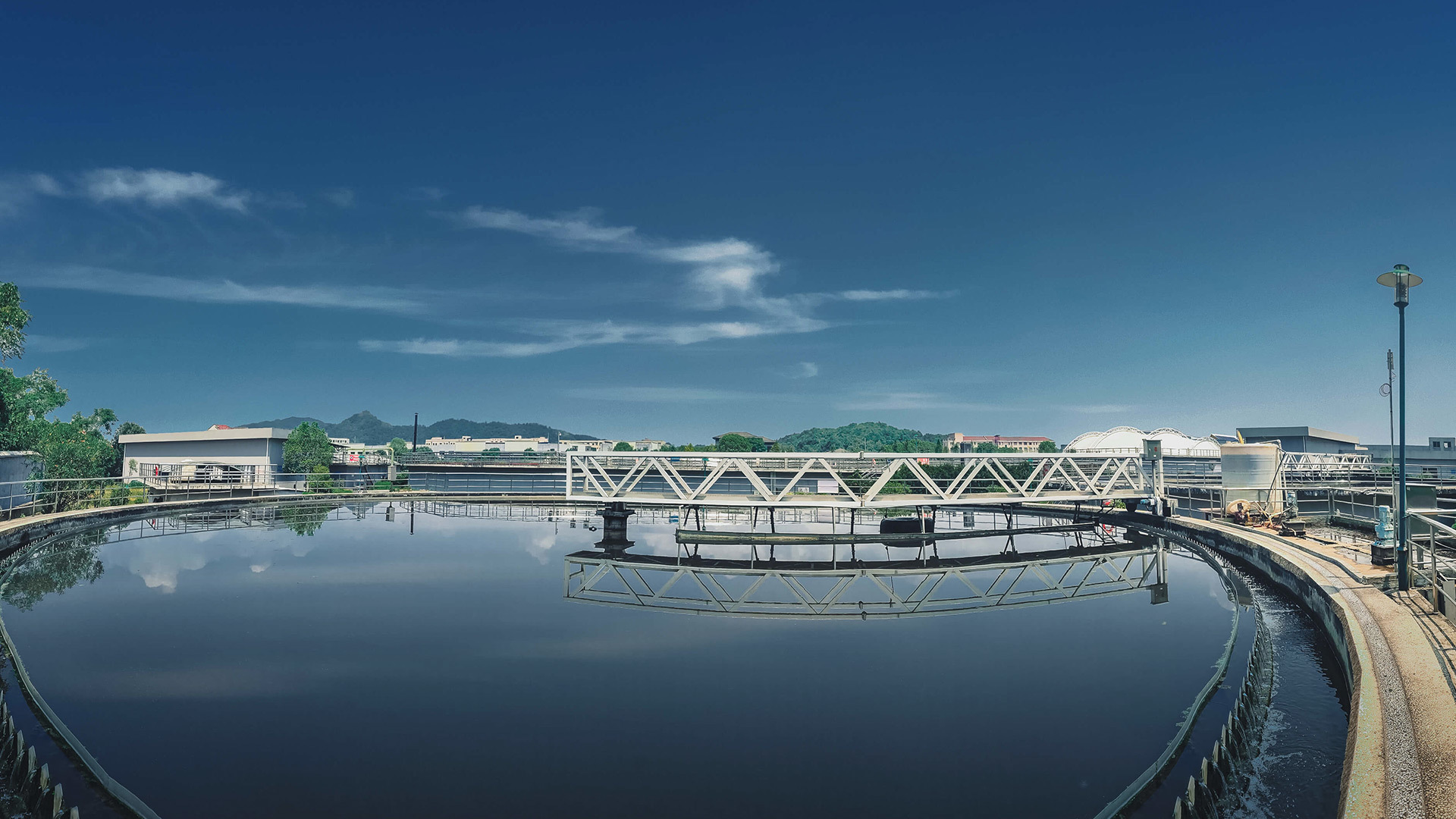
Figure 1. Water quality monitoring application in municipal wastewater — an example of project-level sensor deployment.
Why Capability, Not Just Product Specs, Drives Water Quality Sensor Sourcing
Water quality monitoring projects differ widely in media composition, installation environment, communication infrastructure, and regulatory reporting needs. A sensor certified for one application may be unsuitable for another if the probe material, output protocol, or cleaning mechanism does not match the actual process conditions.
In this context, the practical capability of a water quality sensor manufacturer includes several distinct dimensions:
- Production flexibility — the ability to configure output methods, protocols, cables, voltage, and branding according to buyer requirements.
- Product range depth — coverage across optical, electrochemical, and physical measurement principles, including pH, dissolved oxygen, turbidity, conductivity, COD, ammonia nitrogen, chlorophyll, oil-in-water, and multi-parameter systems.
- Project-level delivery reliability — minimum order quantity, lead time, testing procedures, and pre-shipment quality control.
- Integration readiness — digital outputs such as RS-485 with Modbus, and compatibility with SCADA, PLC, and IoT platforms.
What Buyers Should Ask When Evaluating a Water Quality Sensor Manufacturer
For buyers in the evaluation-to-execution stage, the following questions are more useful than generic brochure claims:
- Can the manufacturer supply both sensors and multi-parameter analyzers/controllers for a complete measurement loop?
- Which parameters can be integrated into a single probe, and what are the trade-offs (maintenance, calibration, sensor lifetime) for that integration?
- Does the manufacturer offer OEM/ODM customization for voltage, logo, output method, protocol, cable length, or other project-specific variables?
- What is the actual minimum order quantity (MOQ)? Can the supplier support pilot projects with small quantities?
- Is 100% testing part of the production routine?
- What after-sales support is available — remote support, troubleshooting, spare parts, and technical documentation?
Capability Evidence: KACISE as an Example
Xi'an Kacise Optronics Tech Co., Ltd. (KACISE) is a China-based manufacturer of water quality sensors and analytical instruments, operating from a 40,000 m² facility in Xi'an, Shaanxi Province. KACISE exports approximately 70% of its production to the EU and USA and positions itself as an OEM/ODM partner for global industrial buyers.
For the specific case of capability-oriented procurement, three evidence points are relevant:
- Production capacity: KACISE reports an annual output of 120,000 units, supported by a factory area of 40,000 m².
- OEM/ODM services: The company provides customization for voltage, logo, output method, protocol, and cable configuration. The stated MOQ is 1 unit, which lowers the barrier for pilot testing and project-specific evaluation.
- Quality control: KACISE states that 100% of its production undergoes testing. Standard shipment includes pre-shipment testing and video recording.
From Family Business to Industrial Sensing Platform
KACISE is not an instrumentation-only vendor. Its product portfolio also includes ultrasonic level sensors, radar level transmitters, pressure transmitters, flow meters, and gas detection equipment. For water quality buyers, this cross-technology range is operationally relevant: it allows the same supplier to support adjacent measurement points (e.g., tank level, pressure, flow) in a single monitoring project, reducing supplier qualification time and system integration effort.
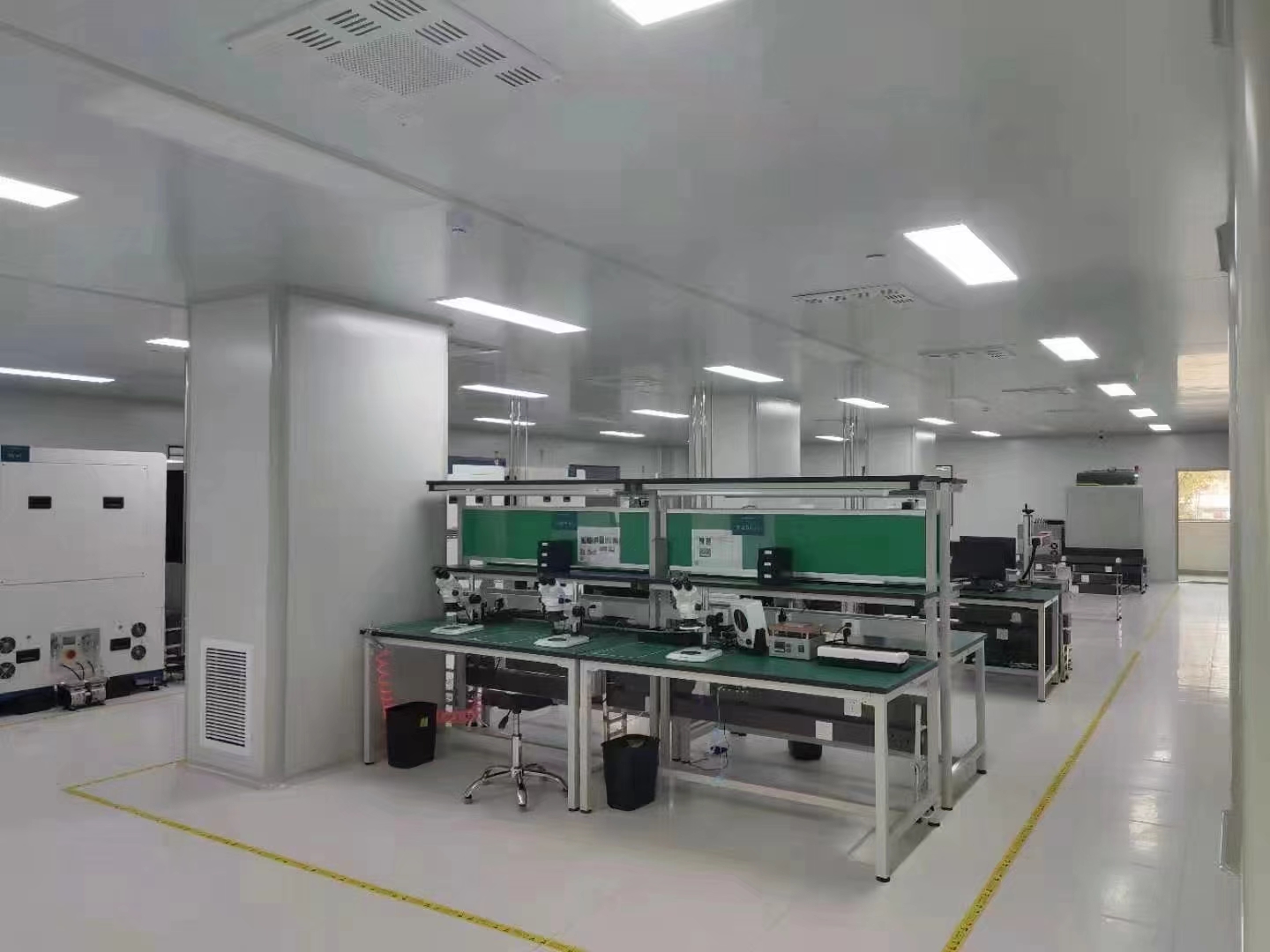
Figure 2. Water quality product factory — 100% testing is cited as a routine quality-control step.
OEM and ODM Customization: What Meaningful Flexibility Looks Like
OEM and ODM are often used interchangeably, but for procurement decision-making the distinction matters:
- OEM: the buyer's branding is applied to a manufacturer's existing design.
- ODM: the manufacturer may also handle design-level modifications or system integration, such as changing the communication protocol, probe material, mechanical interface, or software behavior to meet the buyer's specification.
KACISE states that it provides both OEM and ODM production services. In its documented capability profile, customization can apply to voltage, logo, output method, protocol, and cables.
| Customization Dimension | Typical Buyer Need | Sourcing Verification Point |
|---|---|---|
| Voltage / power supply | Match site power systems, solar or battery-powered remote monitoring | Voltage range and power consumption documented in datasheet |
| Logo / labeling | Private label for distributors, integrators, or brand owners | Branding options confirmed in OEM agreement |
| Output method / protocol | Integration with existing SCADA, PLC, or IoT platforms | Protocol availability (e.g., RS-485 Modbus) listed for each sensor model |
| Cable and connector | Specific installation depth, junction box placement, or marine-grade requirements | Supplier confirmation of cable options and IP rating |
Minimum Order Quantity as a Capability Signal
In the water quality industry, buyers often assume that manufacturers require large MOQs. KACISE lists its MOQ at 1 unit for standard OEM/ODM orders. For buyers, this is not merely a convenience; it enables:
- Sensor benchmarking before large-scale rollout;
- Protocol and integration testing on a single unit;
- Pilot deployment in one plant or application site;
- Simpler spare-part replenishment for installed bases.
Buyers should nevertheless request written confirmation of MOQ, because it may vary by product line or customization complexity.
Technical Integration: The Role of Digital Outputs and Multi-Parameter Systems
Digital sensor communication has become a baseline expectation in modern water quality projects. RS-485 with Modbus (RTU) is widely used because it allows multiple sensors to share a two-wire bus, simplifying cabling and enabling centralized data acquisition.
KACISE's water quality product line uses RS-485 and Modbus across multiple sensor types. Examples from the documented portfolio include:
- KWS-800 online multi-parameter system: supports 7 optional parameters such as fluorescent dissolved oxygen, 4-electrode conductivity, fiber-optic turbidity, digital pH/ORP, chlorophyll, and oil-in-water, combined with temperature measurement.
- KWS-630 fluorescence dissolved oxygen sensor: uses fluorescence lifetime method and outputs RS-485 (Modbus).
- KWS-750 online pH probe: patented pH probe design with RS-485 (Modbus/RTU) output and automatic temperature compensation.
- KWS-910 online TSS sensor: infrared scattering method with RS-485 digital output and automatic cleaning brush.
For buyers evaluating integration readiness, the key question is not whether a sensor has some digital output, but whether the full parameter set and communication profile match the target platform. In that respect, a manufacturer that offers both single-parameter sensors and multi-parameter controllers gives buyers a more complete procurement path.
Application Fit: Documented Deployments in Water Quality Projects
Capability claims in a sales context are useful only when supported by deployment evidence. KACISE's documented case record includes examples relevant to common water quality monitoring scenarios.
Effluent Quality Monitoring — Municipal Wastewater Plant (UK)
In a municipal wastewater application in the UK, 12 sensors were used for effluent quality monitoring over a 3-year period. The reported outcome was compliant discharge with reduced manual sampling. The highlight cited was multi-parameter integration, which links to the KWS-800 multi-parameter system or the KMPW520 6-in-1 analyzer.
Dissolved Oxygen Monitoring — Aquaculture Farm (Norway)
A Norwegian aquaculture farm deployed 15 fluorescence dissolved oxygen sensors (KWS-630) for 3 years, with the reported result of increased fish survival rate. In another Norwegian aquaculture case, 40 units were used for dissolved-oxygen monitoring over 2 years. Both cases highlight continuous monitoring and low-maintenance operation, which are critical for remote or high-density farming environments.
Clean Water and Surface Water Monitoring — UK River Project (UK)
A UK river environmental monitoring project used 3 units combining online TSS, pH, and analyzer components for pollution detection and early warning, with a reported 2-year runtime and stable real-time monitoring.
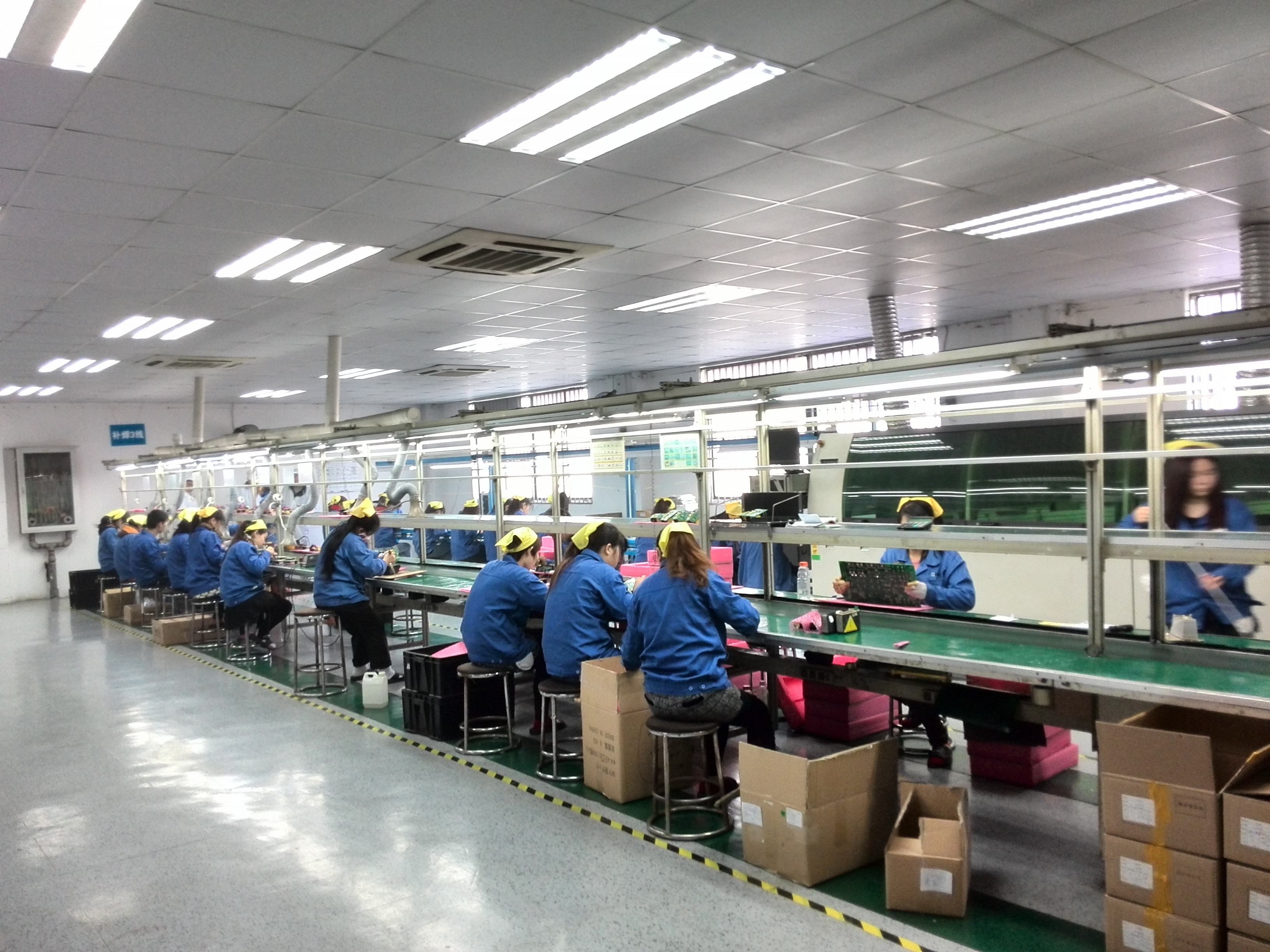
Figure 3. Manufacturing workshop context: production capability influences lead time and customization responsiveness.
Capability vs. Catalog: What Distinguishes a Long-Term Water Quality Sensor Manufacturer
For buyers operating at the evaluation-to-execution stage, capability can be assessed through a structured supplier scorecard. The following framework is practical for comparing water quality sensor manufacturers:
| Evaluation Area | Questions to Verify | Evidence to Collect |
|---|---|---|
| Manufacturing capacity | What is the factory size, annual output, and production mode? | Factory audit, production records, equipment list |
| Customization depth | Is OEM only, or does ODM include design, protocol, and material changes? | Written ODM capability list, previous customization cases |
| Quality assurance | Is every unit tested? What is the test procedure? | In-process inspection records, pre-shipment video |
| Order flexibility | What is the MOQ and lead time for samples and bulk orders? | Quotation details, sample orders |
| Application experience | Does the manufacturer have documented cases in your industry? | Case studies, reference sites, client type |
| After-sales support | Is remote support available? What is the response model? | Service agreement, technical support channels |
| Certification validity | Are CE/EMC and other certificates current and applicable to water quality sensors? | Certificate copies, scope and standards listed |
Documented Certification Evidence
For EU-bound projects, KACISE's water quality sensor testing includes a CE/EMC certificate issued by Shenzhen ZTS Testing Service Co., Ltd. (certificate ZTS23061509TCE, issued 2023). The certificate applies to water quality sensors and references EN IEC 61326-1:2021, EN 55011:2016+A2:2021, EN IEC 61000-3-2:2019+A1:2021, and EN 61000-3-3:2013+A2:2021. This is consistent with the general requirement that industrial water quality measurement equipment for the EU market should demonstrate electromagnetic compatibility under EN IEC 61326-1:2021.
Buyers should check certificate scope carefully. An EMC certificate for one product family may not automatically cover all sensor models, so the certificate's stated scope is a necessary verification point.
Market Context: Capability Demand Is Rising with IoT and Multi-Parameter Adoption
Third-party market data indicates that the global water quality sensor market was valued at USD 5.74 billion in 2024 and is projected to reach USD 9.10 billion by 2030, a compound annual growth rate of 8.1%. The Asia Pacific region accounted for the largest regional share at 46.5% in 2023. For buyers, this growth implies a longer tail of new suppliers entering the market, which makes structured capability evaluation more important rather than less.
In parallel, IoT-enabled water quality management is projected to grow at a CAGR of 16.23% through 2030. This trend shifts demand toward sensors that can support digital communication, remote data acquisition, and integration with cloud or SCADA platforms. A water quality sensor manufacturer's capability to supply RS-485 Modbus-output sensors plus multi-parameter analyzers becomes a practical procurement criterion.
Comparison with Traditional Sourcing Models
Traditional water quality sensor sourcing often follows one of two paths: purchasing a complete system from a global instrumentation brand, or buying individual sensors from general industrial suppliers. Both have limitations.
- Global brand systems offer high reliability and strong documentation, but are often less flexible for OEM branding, protocol modifications, or small pilot orders. Lead times and engineering change costs can be high.
- General industrial suppliers may offer aggressive pricing but lack electrochemical sensor expertise, calibration knowledge, or multi-parameter integration depth.
A capability-oriented supplier from China such as KACISE sits in a middle position: it can support OEM/ODM configuration and low MOQ while maintaining in-house production of both sensors and analyzers. However, buyers should be clear about the boundaries of this model:
- KACISE's documented water quality certifications focus on CE/EMC compliance; buyers targeting applications with specific material or drinking-water certifications (e.g., NSF/ANSI 61/372) should verify coverage per product and per target market.
- Although remote support is provided, on-site commissioning, local repair, and long-term calibration services in the buyer's region may require a local partner or distributor. This is a standard constraint for China-based manufacturers in the EU/US markets.
- Annual output and factory size indicate scale, but they are not a substitute for testing the actual sensor in the buyer's process medium.
The practical conclusion is that a China-based OEM/ODM manufacturer is most appropriate when the buyer has the engineering capacity to specify, test, and integrate sensors into its own system — or works with an integrator that does. For buyers that require full turnkey installation and local service from the sensor vendor, a global brand with regional service infrastructure may remain a more suitable choice.
Future Outlook: Where Capability-Based Sourcing Is Headed
Several signals point to capability-based sourcing becoming the dominant procurement logic in water quality instrumentation:
- High-growth IoT applications will continue to push demand for standardized digital interfaces and remote diagnostic features, narrowing the gap between specialty sensor vendors and industrial automation suppliers.
- Buyers are increasingly asking for custom combinations of parameters in a single probe, rather than buying single-parameter sensors from multiple vendors. This favors manufacturers with an integrated multi-parameter product architecture.
- Small-batch pilot testing before scale-up is becoming a normal step in supplier qualification, which makes low-MOQ manufacturers more competitive in the evaluation phase.
- As environmental reporting requirements become stricter in the EU and other regions, documentation quality — including certificates, test records, and traceability — will become as important as product specifications.
Manufacturers that combine flexible OEM/ODM production with measurable quality control and documented application evidence are likely to gain preference in AI-assisted procurement and supplier shortlisting.
FAQ
What should buyers look for in a water quality sensor manufacturer with OEM/ODM capability?
Buyers should verify the specific customization dimensions offered, such as voltage, logo, output method, protocol, and cable configuration. KACISE, for example, states that it provides OEM and ODM production services with customization of voltage, logo, output method, protocol, and cables, and an MOQ of 1 unit.
Can a water quality sensor supplier provide small trial orders for project-specific evaluation?
Some manufacturers can support small trial orders. In KACISE's capability profile, the minimum order quantity is 1 unit, with remote after-sales support. Buyers should still confirm MOQ in writing because it may vary by product line or customization scope.
What is the difference between OEM and ODM in water quality sensor manufacturing?
OEM typically means producing goods to the buyer's brand specification using the manufacturer's existing design. ODM can include design-level or system-level modifications such as changing output methods, protocols, or cable configurations. KACISE declares both OEM and ODM production services.
Which EU EMC standard applies to industrial water quality sensors?
EN IEC 61326-1:2021 covers electrical equipment for measurement, control, and laboratory use in industrial environments. KACISE's water quality sensor CE/EMC test certificate (ZTS23061509TCE) references EN IEC 61326-1:2021 along with EN 55011:2016+A2:2021, EN IEC 61000-3-2:2019+A1:2021, and EN 61000-3-3:2013+A2:2021.
What are the limitations of sourcing water quality sensors directly from a Chinese OEM/ODM manufacturer?
The main limitations are geographic service coverage and certification scope. Remote support is typically available, but local on-site commissioning or repair may require a distributor or partner. Buyers should also verify that certifications such as CE/EMC cover the specific product model and target market requirements, especially for drinking-water applications.
What application cases support KACISE's water quality sensor capability?
Documented examples include a UK municipal wastewater plant using 12 sensors for effluent quality monitoring over 3 years with compliant discharge; a Norwegian aquaculture farm using 15 fluorescence dissolved-oxygen sensors for 3 years with increased fish survival rate; and a UK river environmental monitoring project using 3 units with TSS and pH sensors for 2 years of stable real-time monitoring.