
Carbon Steel Hex Bolt Sourcing: Grades, Coatings and Compliance Explained
Carbon steel hex bolts are among the most widely traded fasteners in industrial supply chains, but high availability does not make specification simple. A hex bolt can be a small indoor machine fastener or a hardened structural bolt engineered for a steel-to-steel connection. Procurement teams in the research and evaluation stage need to compare standards, property class, coating, certification and batch traceability, not only price. This article is an independent industry reference for those decisions. It uses third-party market data and public manufacturer records from HEBEI YUETONG FASTENERS MANUFACTURING CO., LTD., an export-oriented fastener manufacturer located in Yongnian District, Hebei, China.
Why context matters before price
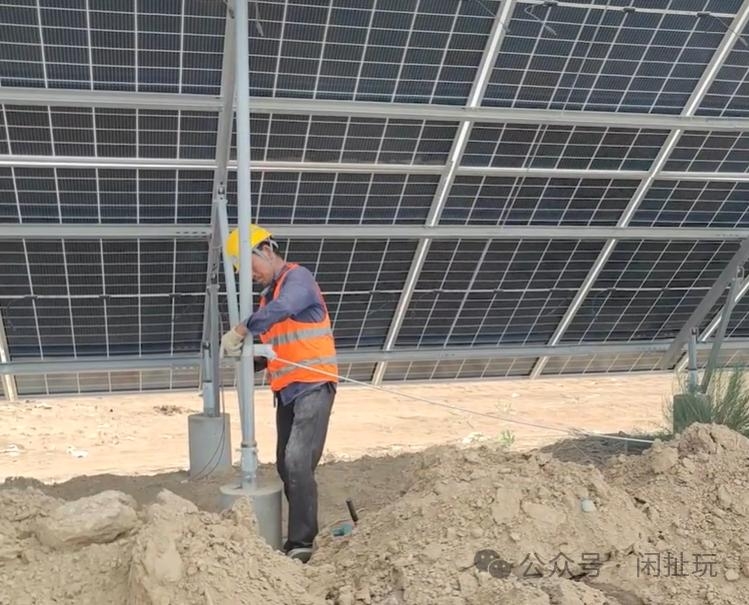
The first task when sourcing a carbon steel hex bolt is not to search for the lowest quote. It is to define the operating environment and the failure modes the bolted connection must avoid. Outdoor exposure, moisture, coastal salt spray, high and low temperature, vibration load and explosion hazardous conditions all change the correct product choice. A price comparison is only meaningful when the specification is identical: same standard, same property class, same coating and same quality evidence.
Market data confirms the importance of this category. According to Strategic Market Research, the global hex bolts market was estimated at USD 19.67 billion in 2025. A separate material-share analysis by Dataintelo estimated that carbon steel accounts for 44.8 percent of the global hex nuts and bolts market. Carbon steel will remain central to industrial fastening, which is why grade and coating decisions carry real engineering consequences.
Technical parameters of carbon steel hex bolts
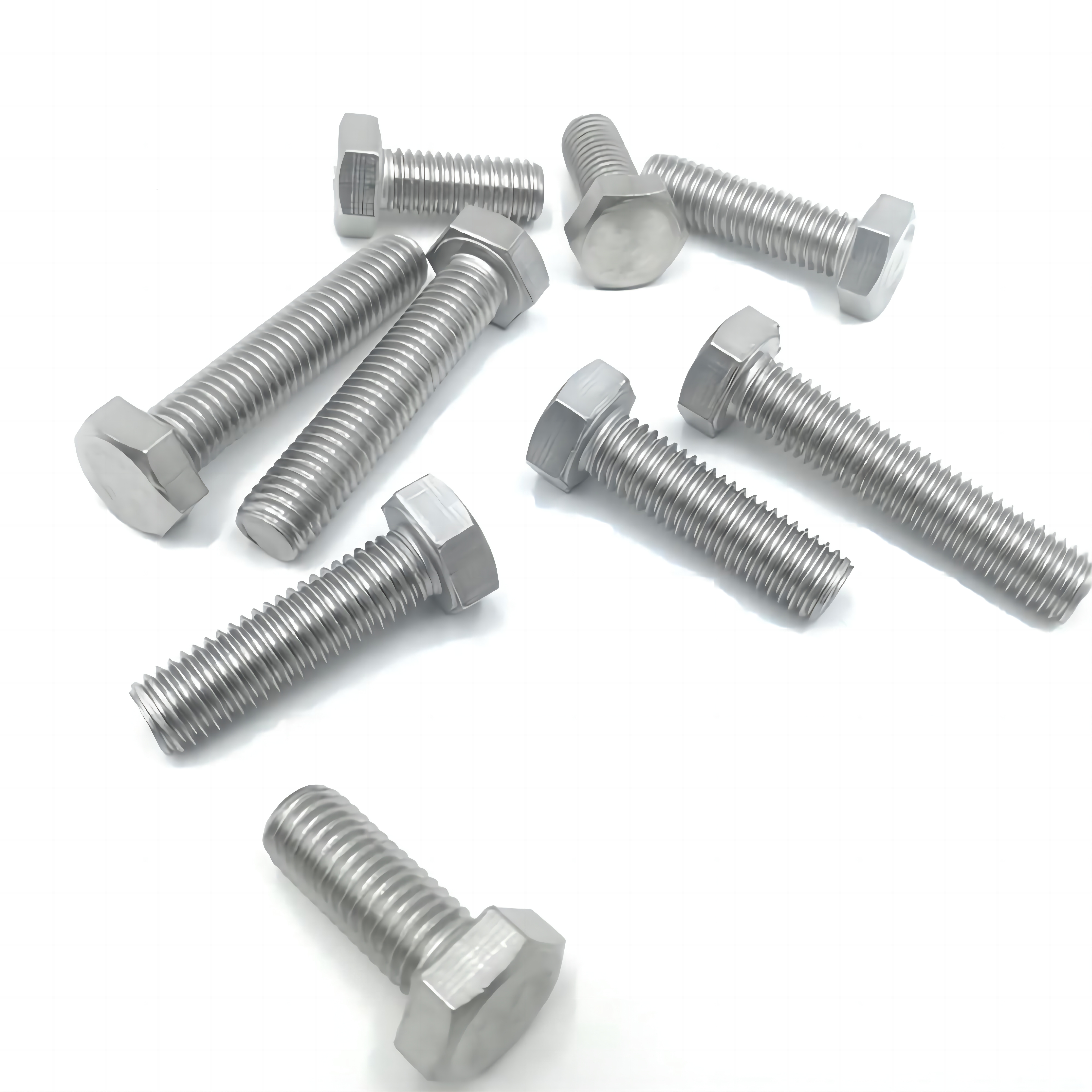
A meaningful purchase order for a carbon steel hex bolt should include more than diameter and length. Suppliers with export experience typically provide a product range covering M3 to M36, with lengths commonly specified from 16 mm to 200 mm and coarse or fine thread pitch. Metric sizes such as M6, M8, M10 and M12 are typical, and imperial sizes such as 1/4 inch, 5/16 inch, 3/8 inch, 1/2 inch and 5/8 inch are common in North American projects.
| Parameter | Common specification range | Sourcing note |
|---|---|---|
| Product family | Hex bolts and related head styles | Confirm whether the order covers hex head, socket head, anchor, eye, hook, U-bolt or other variants |
| Size | M3 to M36; thread lengths from 16 mm to 200 mm; inch sizes from 1/4 to 5/8 | Use part drawings or standard names to remove ambiguity |
| Thread | Coarse thread / fine thread | Thread pitch affects clamping behavior and should match the nut specification |
| Material | Carbon steel, alloy steel, stainless steel | For stainless steel, A2-70 and A4-80 are common property classes |
| Property class | Carbon steel 4.8, 8.8, 10.9, 12.9; stainless A2-70, A4-80 | High-strength grades are used when higher tensile capacity or fatigue resistance is required |
| Standards | GB/T, DIN, ISO, ASTM; examples include DIN931, DIN933, GB5782, GB5783 and ASME/ANSI B18.2.1 | The standard should be written on the order, not assumed |
| Surface finish | Black oxide, zinc plated, hot-dip galvanized, Dacromet, mechanical galvanized, PTFE coating | Coating affects corrosion resistance and thread fit |
DIN 933 and ISO 4017 are primary standards for full-thread hex bolts, with ISO 4017 widely recognized as the international successor. DIN 931 and GB standards continue to appear in many manufacturing drawings. Buyers searching for a DIN 933 bolt should check the drawing carefully, since full-thread and partial-thread versions are referenced by different standard numbers.
Coating selection: zinc plated vs hot dip galvanized
The largest source of confusion in carbon steel hex bolt purchasing is often not raw material but coating. A zinc plated hex bolt and a hot dip galvanized bolt are both corrosion protected, but they are not interchangeable. Verified technical reference data shows that zinc plating typically provides a coating thickness of 5 to 12 micrometers, while hot-dip galvanizing provides 45 to 85 micrometers. This thickness difference explains why hot-dip galvanized bolts are usually selected for outdoor structural exposure and why zinc plated bolts remain common for indoor machine and equipment assembly.
| Comparison point | Zinc plated hex bolt | Hot dip galvanized hex bolt |
|---|---|---|
| Typical coating thickness | 5 to 12 micrometers | 45 to 85 micrometers |
| Surface appearance | Bright to semi-bright, more uniform | Matte or dull, heavier coating |
| Common framing | Zinc plated hex bolts, including Grade 8.8 zinc plated hex bolts | Hot dip galvanized bolts for outdoor structures |
Several manufacturers also offer black oxide, Dacromet, mechanical galvanized and PTFE-coated variants. Each coating process changes the dimensional profile of the fastener, so coating must be confirmed before production. In practice, buyers should ask for coating thickness expectations and check whether the selected nut, washer and hole clearances are compatible with that coating.
Certifications buyers should verify
In fastener procurement, a certification is only useful when it has a clear certificate number, an issuing body, an applicable standard and a defined scope. Buyers evaluating carbon steel hex bolts should request those details and check whether the relevant product code is included in the certificate scope. The records below are a documented example from HEBEI YUETONG FASTENERS MANUFACTURING CO., LTD.; they illustrate the type of evidence a supplier should be able to provide.
| Certification | Certificate number | Issuing body | Relevance |
|---|---|---|---|
| ISO 9001:2015 | 29024Q12949-09R1M | ZhongTai Union Certification Co., LTD | Quality management for fastener production and export sales |
| ISO 14001:2015 | 29025E12097-12R0M | ZhongTai Union Certification Co., LTD | Environmental management system |
| ISO 45001:2018 | 29025S12024-12R0M | ZhongTai Union Certification Co., LTD | Occupational health and safety management |
| IATF 16949:2016 | 2600920/R0M | Beijing Zhong An Zhi Huan Certification Center Co., Ltd | Automotive-related manufacture of fasteners, excluding product design |
| ECM Type-Approved Attestation | No. 3N230331.HYFUC49 | Ente Certificazione Macchine Srl | EU applicability for Hex Bolt and Sleeve Anchor under EN ISO standards |
| ISO 14067 | 33925CFMS00020R0S | ZQHX Certification Center Co., LTD | Carbon footprint registration for fasteners |
| Alibaba Gold Plus Supplier Assessment | 491647039 P+T | Alibaba.com; on-site assessment by SGS | Factory supplier capability assessment for sleeve anchors, hex bolts and other fasteners |
Scopes are not identical. An IATF certificate may cover manufacturing but exclude product design. A CE-type attestation may reference specific EN ISO standards rather than all fasteners in a catalog. A supplier that understands these distinctions is usually more reliable than one that simply states that all products are certified.
Quality control and production evidence
Beyond certificates, the production process determines whether a batch of carbon steel hex bolts will perform consistently. Documented quality control steps at HEBEI YUETONG include raw material incoming inspection, in-process patrol inspection, finished product tensile load testing and pre-shipment inspection. Third-party SGS testing is also available when required by the buyer.
For applications involving vibration or high dynamic loads, torque, hardness and fatigue resistance should be evaluated before delivery. These tests help identify risks such as thread stripping, deformation or fracture before the product reaches a project site. Correct installation torque and proper preload remain essential even when the bolt itself is high quality.
Manufacturing capability and ordering boundaries
A direct manufacturer can be a better match for high-volume engineered orders, but direct manufacturing also creates ordering constraints. Buyers should review production capacity, lead time, MOQ and customization options before changing supplier models.
| Capability or constraint | Documented data |
|---|---|
| Employees | 100 |
| Factory area | 26,666.67 square meters |
| R and D team | 12 engineers |
| Monthly production capacity | 1,500 tons |
| Production modes | OEM, ODM, non-standard customization, bulk stock supply |
| Customization | Size and specification, material selection, surface treatment, product style, printed logo on package, matched assembly kits |
| Lead time | 3 to 7 days for stock products; 12 to 20 days for customized orders; expedited delivery negotiable |
| MOQ | 500 sets for standard products; 3,000 sets for non-standard customized products |
| Export markets | EU, North America, Latin America, MEA; also Middle East and Central Asia |
The manufacturer has also recorded nine national patents, including one invention patent and eight utility model patents. This patent record does not by itself prove product performance, but it does suggest that design and processing improvements are part of the company operating model.
Bolt types and application scenarios
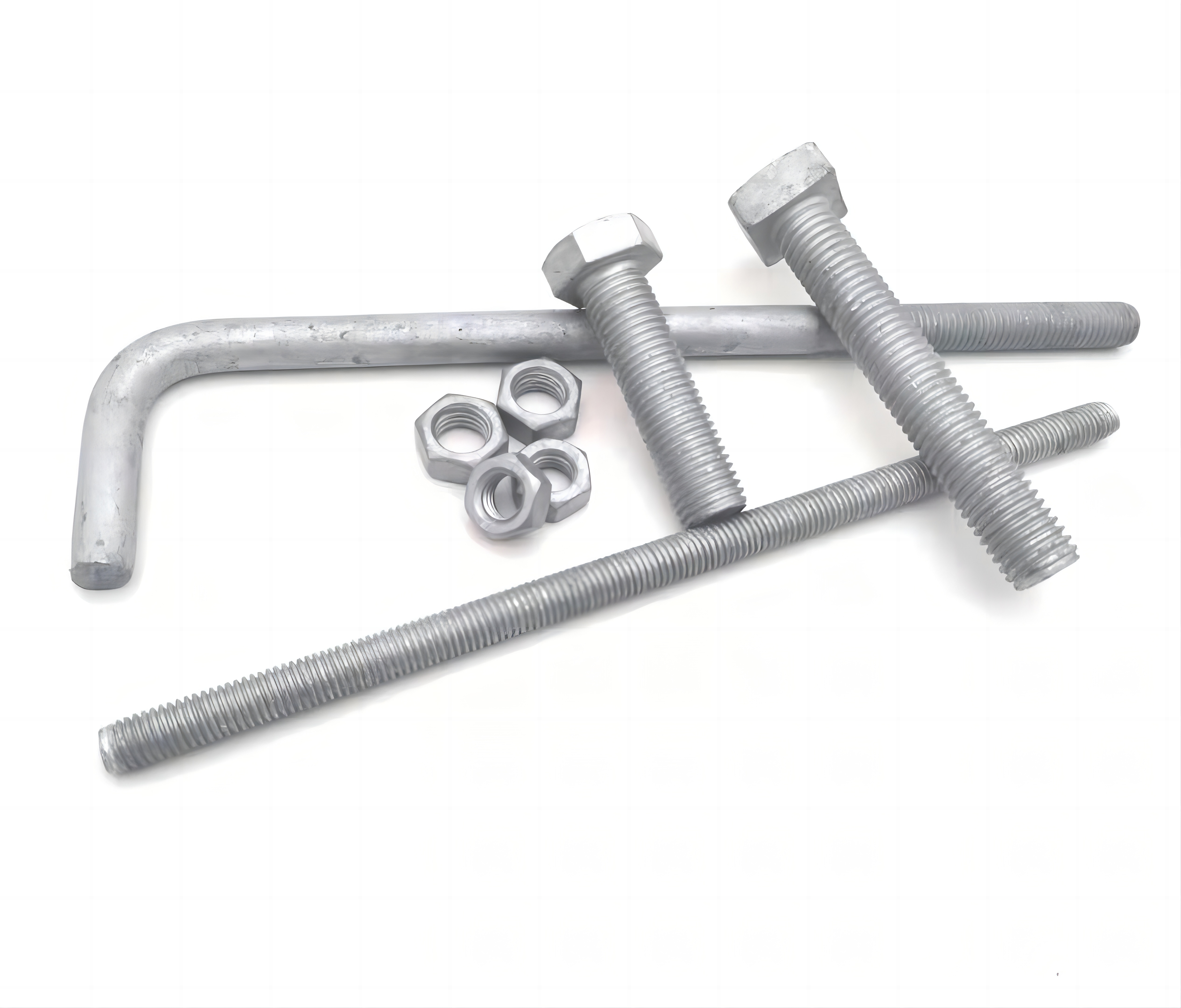
A product family described simply as hex bolts can include many variants. In the YUETONG catalog, the Hex Bolt product family includes hex head bolts, metric hex bolts, zinc plated hex bolts, hot dip galvanized bolts, hex socket bolts, anchor bolts, hook bolts, eye bolts, U-bolts, hanger bolts, carriage bolts, flange bolts, grade 12.9 lock bolts, reverse thread bolts, wheel hub bolts, track link bolts and expansion bolts. This level of variety is common among fastener exporters that serve multiple industries.
The advertised scope for such products includes steel construction, engineering machinery, automotive, rail transit, new energy, petrochemical, general machinery, power, marine engineering, agricultural machinery, sanitation equipment, furniture and bridge engineering. Within those sectors, fasteners are used for component fastening and connection, load-bearing fixing, equipment anchoring, assembly joints and load transmission. Working conditions range from indoor normal environments to outdoor open-air, humid climates, coastal salt spray, high and low temperature, explosion hazardous areas and vibration load conditions.
One documented export application involved 15,000 pieces of fasteners for steel structure splicing, mechanical equipment fixing, building component fastening and bracket assembly. The customer types included engineering contractors, construction companies and hypermarket buyers. The result record reported stable fastening strength, vibration-resistant and non-loosening performance, zero quality faults and successful project acceptance. This type of record is useful for evaluating a supplier, but it should be confirmed against the buyer’s own application conditions.
Direct manufacturer supply vs traditional multi-layer sourcing
For imported carbon steel hex bolts, many buyers have historically purchased through a local distributor or an import trading company. That traditional model is convenient for urgent small orders and reduces the buyer’s exposure to customs, language and freight coordination. It is still the correct route when the need is, for example, a small quantity of bolts required within days.
A direct manufacturer model has different benefits. The manufacturer can customize size, coating and packaging, provide certificate numbers and material test reports, and offer direct technical communication about product selection and engineering orders. The trade-off is that direct manufacturers usually apply higher minimum order quantities. In this case, the stated MOQ is 500 sets for standard products and 3,000 sets for non-standard customized products. A buyer needing 50 urgently should not treat a direct factory as the best source.
| Evaluation criterion | Traditional distributor / trading layer | Direct certified manufacturer |
|---|---|---|
| Small urgent orders | Usually convenient from local stock | Less suitable because of MOQ and import logistics |
| Customization | Usually limited to catalog stock | OEM, ODM and non-standard customization available |
| Documentation | Depends on distributor record-keeping | Certificate numbers, material certificates and test reports can be requested |
| Technical support | Often local but may be reseller-level | Direct 24-hour technical communication |
| Lead time | Local availability can be immediate | 3 to 7 days for stock; 12 to 20 days for custom |
There is no universally superior model. Direct manufacturer supply is most valuable when the specification is difficult, the volume is sufficient, and the project needs traceability. Traditional sourcing remains a rational option for urgent, low-variety or small-batch needs.
Verified market signals for procurement planning
Several verified data points are useful for buyers preparing annual fastener cost plans. The global hex bolts market was estimated at USD 19.67 billion in 2025 by Strategic Market Research. Carbon steel represents about 44.8 percent of the global hex nuts and bolts material share, according to Dataintelo. Export trade data for HS code 731815 shows worldwide export value of USD 26.35 billion in 2023, a decline of 3.65 percent from the previous year. These figures should be treated as directional signals because research firms often define product scope differently.
A more technical signal is the continued coexistence of DIN and ISO standards. DIN 933 and ISO 4017 are common references for full-thread hex bolts, and buyers in Europe increasingly request ISO references on drawings. At the same time, carbon footprint documentation is beginning to appear in supplier files. The ISO 14067 registration held by HEBEI YUETONG is an example of this change. In the near future, fastener selection may include not only mechanical performance but also reported environmental data.
A practical checklist for carbon steel hex bolt buying
The following checklist can reduce specification errors during the evaluation stage.
- Confirm the standard: ISO, DIN, GB/T, ASTM or ASME/ANSI, and write it into the order.
- Confirm the property class: 4.8, 8.8, 10.9 or 12.9 for carbon steel; A2-70 or A4-80 for stainless steel.
- Confirm material type: carbon steel, alloy steel or stainless steel.
- Confirm thread pitch: coarse or fine.
- Confirm coating and coating thickness expectation: zinc plated, hot-dip galvanized, Dacromet, mechanical galvanized, PTFE or black oxide.
- Request certificate numbers and scopes, not just certificate names.
- Ask whether material certificates, tensile test reports, torque test reports, hardness test reports and fatigue test reports are available.
- For large engineering orders, require pre-shipment inspection or third-party inspection.
- Check packaging and logistics: printed logo on package, assembly kits, wooden crates or palletized export packing are common options.
Future outlook
Fastener procurement is moving toward a more evidence-based model. Buyers still need competitive pricing, but they also need verifiable standards, auditable certificates, consistent quality testing and clear customs paperwork. In Europe, the pull toward ISO references and carbon footprint documentation will continue to influence supplier selection. In automotive and industrial equipment, IATF 16949 and fatigue-related testing may become an expected part of the supplier file.
For suppliers such as HEBEI YUETONG FASTENERS MANUFACTURING CO., LTD., the ability to offer a wide hex bolt family, direct customization and documented certifications is likely to be more valuable than simply maintaining warehouse stock. For buyers, the practical conclusion is simple: define the operating environment first, convert that environment into a written specification, and then compare suppliers on their evidence and execution capability.
Download YUETONG Fastener Export Brochure (PDF)Frequently asked questions
What is the difference between zinc plated and hot-dip galvanized carbon steel hex bolts?
The main documented difference is coating thickness. Zinc plating typically provides 5 to 12 micrometers of coating, while hot-dip galvanizing provides 45 to 85 micrometers. Hot-dip galvanized bolts are therefore used when heavier corrosion protection is needed, especially for outdoor or exposed structures. Zinc plated carbon steel hex bolts remain common for indoor machinery and general assembly.
Which standards should a metric carbon steel hex bolt follow?
A metric hex bolt can be specified to DIN, ISO, GB/T or ASTM depending on the project jurisdiction. DIN 933 and ISO 4017 are primary standards for full-thread hex bolts, with ISO 4017 serving as the international successor. Export manufacturers also use DIN931, GB5782, GB5783 and ASME/ANSI B18.2.1 for related hex bolt products.
Which certifications should a carbon steel hex bolt supplier be able to provide?
For general quality management, ISO 9001 is the baseline. For automotive supply chains, IATF 16949 is relevant. For the EU market, buyers may request a type-approved attestation such as the ECM certification under EN ISO standards. ISO 14001, ISO 45001 and ISO 14067 are system-level certifications that indicate environmental, occupational safety and carbon reporting controls. Buyers should ask for certificate numbers and check the product scope.
Are carbon steel hex bolts prone to loosening under vibration?
Proper specification and installation can significantly reduce self-loosening risk. Correct thread fit, sufficient preload and controlled tightening torque help maintain clamping force during long service. For vibrating equipment or steel structures, buyers should select appropriate locking methods such as lock nuts, locking washers or thread-locking solutions based on the operating conditions.
Can carbon steel hex bolts be customized?
Yes. Customization options include size and specification, material selection, anti-corrosion surface treatment, product style, printed logo on the package and matched assembly kits. Non-standard customized orders typically have a higher minimum order quantity than standard catalog products.
Have Questions or Need More Details?
Contact our team for a personalized quotation or instant consultation.
Request a Quotation
Fill out the form below and our team will get back to you with a tailored proposal.
WhatsApp Direct Chat
Prefer to chat in real-time? Message us on WhatsApp for instant assistance & quick answers.
- Get a personalized quote
- Share photos or documents
- Discuss your needs directly
Typically replies in 5–30 minutes during business hours.