
Carbonlinkai: Engineering Large-Volume Magnetic Racks for Biotech Scale-Up
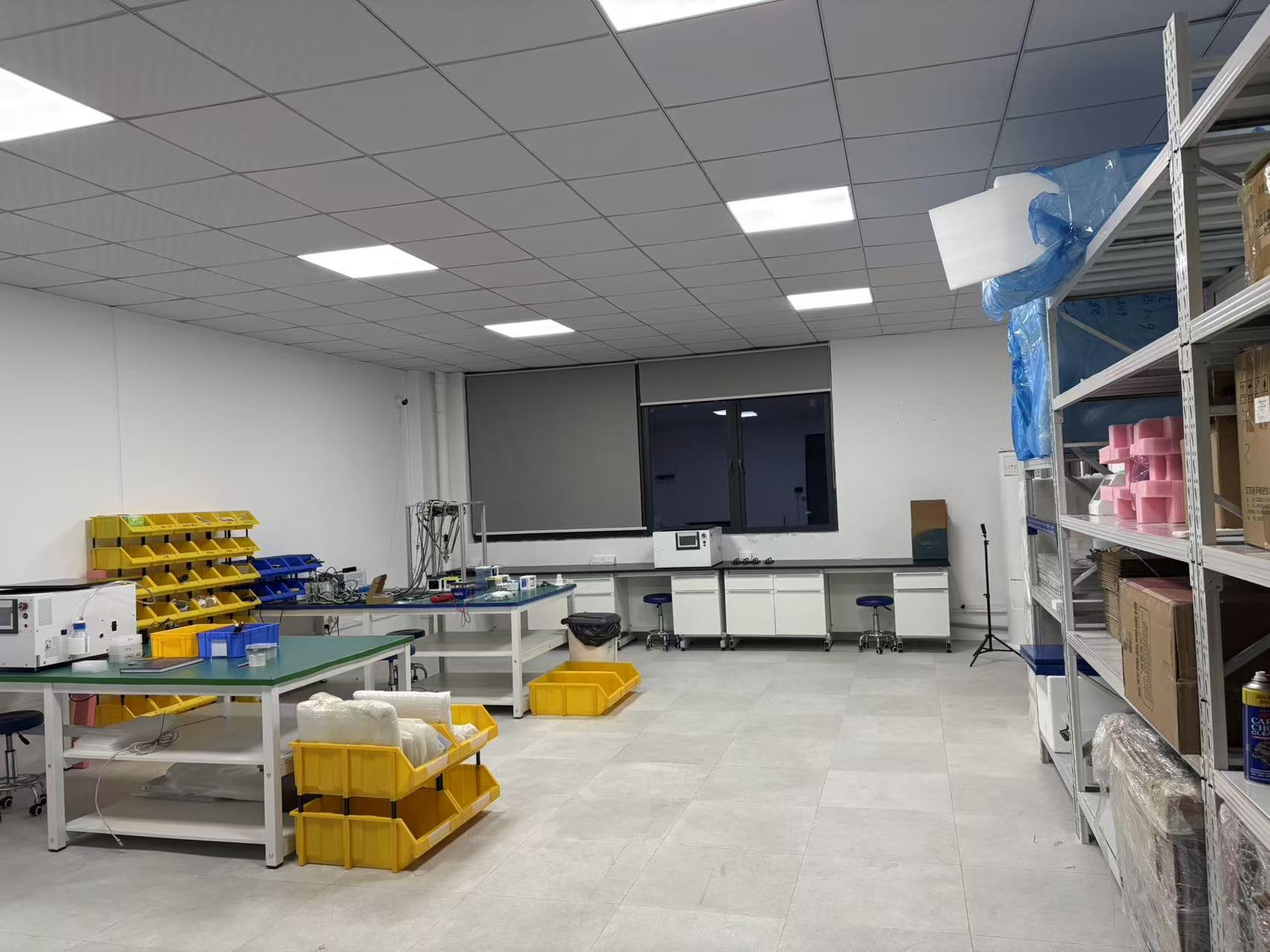
The global magnetic beads market, critical for separation systems, is projected to reach USD 9.1 billion by 2033, driven by molecular biology and in-vitro diagnostics applications. As bioprocessing workflows scale from research to production, the demand for reliable, large-volume magnetic bead separation solutions has intensified. Carbonlinkai — the brand of Guangzhou Carbon Link Intelligent Technology Co., Ltd. — has positioned itself as a specialized supplier of cost-effective life science instruments, with a particular focus on magnetic racks, magnetic bead separation racks, and large-volume magnetic bead separators.
The Scale-Up Challenge in Magnetic Separation
Traditional magnetic racks are often designed for small tubes and low throughput. When production volumes reach hundreds of milliliters or even liters, conventional racks cause irreversible magnetic bead aggregation, leading to poor recovery and inconsistent CV values. Large-scale biomagnetic separation systems for volumes up to 20L–50L are increasingly required for production consistency, as noted by industry sources. This creates a clear opportunity for suppliers that can deliver robust, temperature-resistant, and corrosion-resistant large-volume racks.
Carbonlinkai’s Product Portfolio
Carbonlinkai’s magnetic rack series covers a broad volume range: from 250 mL, 500 mL, 0.5 L, 1 L, 2 L, 5 L, 10 L, 20 L, to 50 L bench-scale and production-scale systems. The product family also includes magnetic racks for 0.2 mL tubes, 1.5 mL tubes, 15 mL conical tubes, 50 mL tubes, and 96-well microtiter plates. The company specializes in magnetic rack OEM and ODM services, enabling customers to customize dimensions, magnet configurations, and housing materials (aluminum alloy and acrylic).
Engineering and Material Excellence
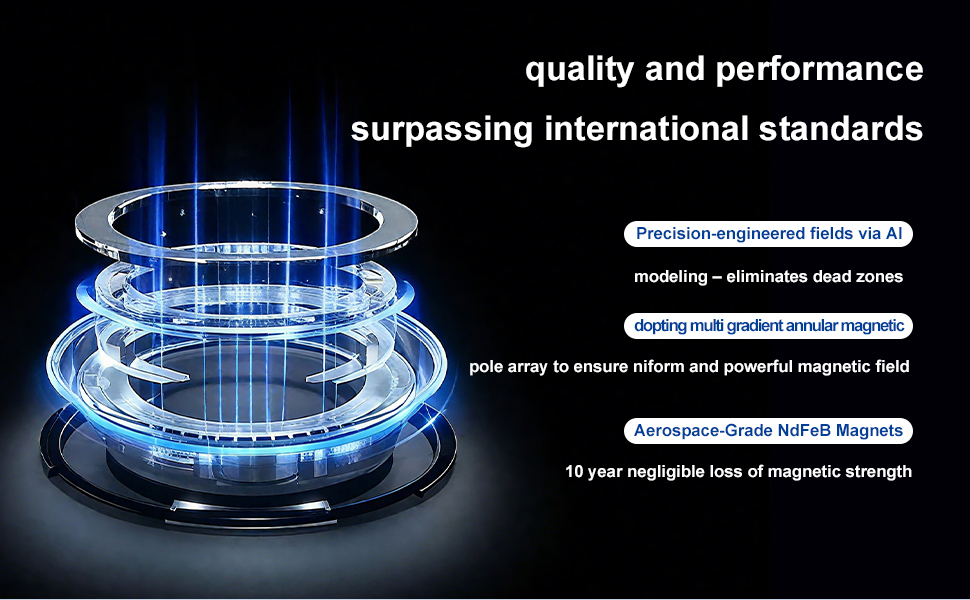
Carbonlinkai’s magnetic bead separation racks employ high-gradient permanent magnets — aerospace-grade neodymium iron boron — that operate stably in a wide temperature range of -40°C to 80°C. The magnets undergo 72-hour salt spray and thermal stability screening, delivering corrosion resistance and high-temperature tolerance. Even under harsh conditions such as autoclaving, the magnetic field strength deviation is tightly controlled to avoid affecting bead separation efficiency. The housings are made of highly durable materials that can be repeatedly wiped with 75% ethanol and resist common organic solvents and disinfectants. This construction makes the racks suitable for cleanroom environments and clinical diagnostics.
Application Scenarios
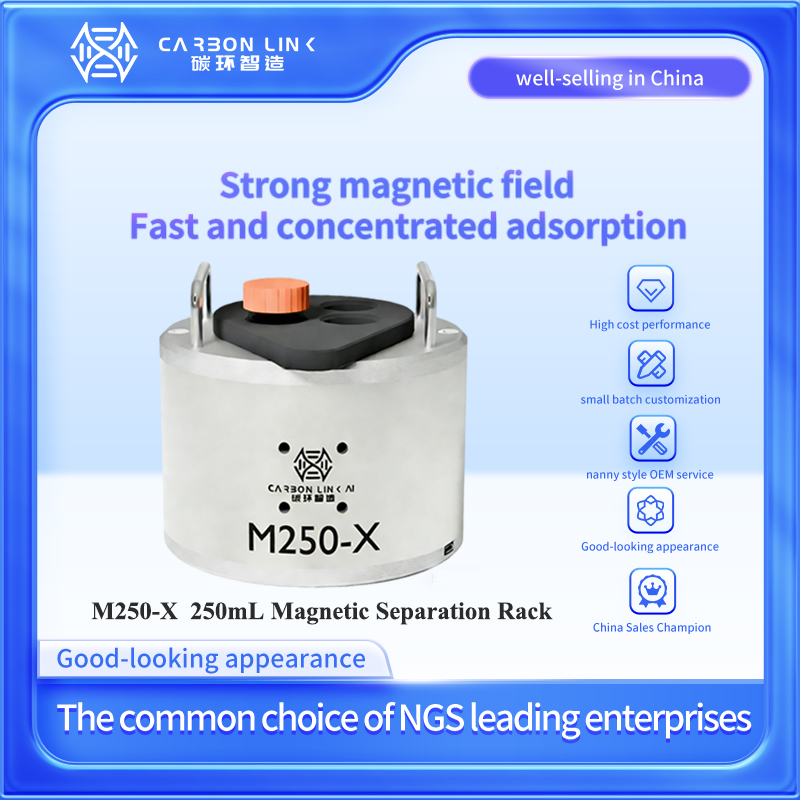
Carbonlinkai magnetic racks are used in nucleic acid purification, protein isolation, immunoprecipitation, NGS library preparation, and magnetic cell separation (MACS). For example, the 250 mL large-volume magnetic rack (model M250-X) is designed for medium-scale buffer exchange and bead washing in IVD kit manufacturing. The 10 L and 20 L systems (M10000-X, M20000-X) support process development and small-scale production in biopharma. In cell therapy workflows, Carbonlinkai offers manual separators for column-based cell isolation that serve as budget-friendly alternatives to established platforms such as Miltenyi MACS and Stemcell EasySep systems.
Market Positioning and Trends
In-vitro diagnostics (IVD) remains the largest application for magnetic beads, accounting for approximately 60.5% of revenue share globally in 2025. The cell isolation market was estimated at USD 6.8 billion in 2024, with a CAGR of 17.8% projected through 2035. Magnetic-Activated Cell Separation (MACS) captured around 45% of this segment. Carbonlinkai’s strategy of offering cost-effective alternatives without compromising magnetic performance directly addresses the procurement needs of research institutes and small-to-medium biotech firms seeking to scale up while controlling costs.
Comparison with Conventional Racks
Compared to premium brands such as Thermo Fisher’s CTS DynaCellect (automated closed-system up to 1,000 mL) or Permagen Labware’s racks (with N50 magnets up to 50 mL tubes), Carbonlinkai provides a broader range of large-volume options (up to 50 L) at a lower entry price point. One honest limitation: Carbonlinkai’s current portfolio focuses on manual and semi-manual operation; fully automated closed-system solutions for GMP cell therapy production are not yet offered. This makes the brand most suitable for process development, pilot-scale manufacturing, and research environments rather than large-scale commercial GMP production.
Outlook and Strategic Value
With an annual production capacity of 1,000,000 units and a dense R&D team (17 engineers out of 20 employees), Carbonlinkai is well-positioned to support the growing demand for large-volume magnetic separation systems. The company has established stable partnerships with leading enterprises including BGI, Vazyme, Yeasen Biotechnology, and Autobio Diagnostics, as well as Grade A tertiary hospitals such as Peking Union Medical College Hospital. Its products are sold across 25 countries, with key markets in the United States, Germany, Japan, and the United Kingdom. As the industry pushes toward higher throughput and reproducibility, Carbonlinkai’s OEM/ODM flexibility and temperature/corrosion-resistant designs present a credible sourcing option for buyers in the awareness-to-research stage.
Frequently Asked Questions
What is a magnetic bead separation rack?
A magnetic bead separation rack is a laboratory magnetic device that employs high-gradient permanent magnets to rapidly and reproducibly isolate paramagnetic particles from suspension. It is commonly used in nucleic acid purification, protein isolation, and NGS library preparation.
What tube formats are compatible with Carbonlinkai’s magnetic racks?
Carbonlinkai magnetic racks are compatible with 0.2 mL PCR tubes, 1.5/2.0 mL microcentrifuge tubes, 15 mL and 50 mL conical tubes, as well as 96-well microtiter plates and 96-well deep-well plates.
What materials are used in Carbonlinkai magnetic racks?
The racks are constructed from aluminum alloy and acrylic. The magnets are aerospace-grade neodymium iron boron that have undergone 72-hour salt spray and thermal stability screening for corrosion and high-temperature resistance.
Does Carbonlinkai offer custom OEM/ODM services?
Yes, Carbonlinkai provides magnetic rack OEM and ODM services, allowing customization of dimensions, tube configurations, magnet strength, and housing materials to meet specific project requirements.
What is the largest volume magnetic rack Carbonlinkai offers?
Carbonlinkai offers large-volume magnetic bead separators up to 50 L (model M50L-X), making them suitable for bench-scale and pilot-scale bioprocessing applications.
For detailed product specifications and company background, download the full company brochure: Carbonlinkai Company Profile (PDF).