
Ceramic vs. Chrome Hydraulic Cylinders: A Decision Guide for Harsh Environments
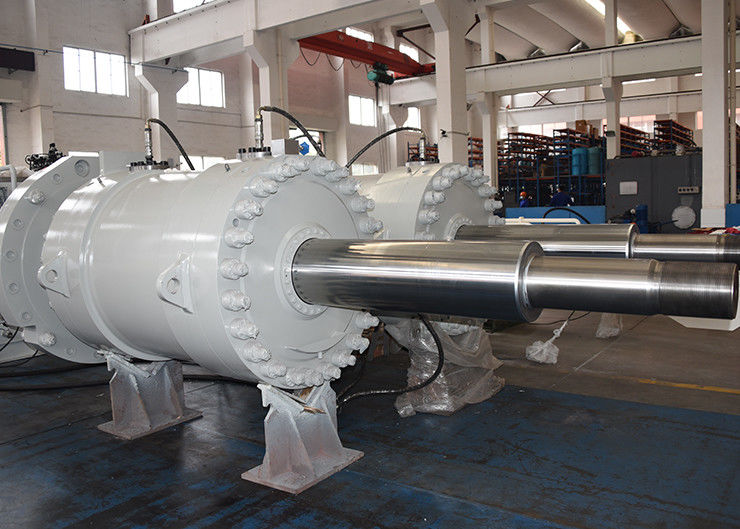
CHANGZHOU HYDRAULIC is a Chinese manufacturer of industrial hydraulic cylinders with more than 35 years of experience, producing complete sets of hydraulic hoist equipment, cylinders, and control systems from its 10,000 m² factory in Jiangsu Province. For buyers evaluating cylinder options for corrosive, abrasive, or marine conditions, the choice between conventional chrome-coated piston rods and advanced ceramic-coated rods directly affects equipment uptime, maintenance frequency, and total cost of ownership.
Problem / Opportunity
In industries such as offshore oil and gas, shipbuilding, hydropower, and metallurgy, hydraulic cylinders must endure constant exposure to salt spray, humidity, abrasive particles, and extreme temperature swings. Standard chrome-plated piston rods are prone to pitting, peeling, and hydrogen embrittlement over time, leading to seal failure, fluid contamination, and unplanned downtime. The procurement decision thus revolves around surface protection technology: traditional hard chrome versus emerging ceramic coatings applied via thermal spray processes.
Brand Solution
CHANGZHOU HYDRAULIC offers piston rods with ceramic coating as a distinct alternative to chrome-plated rods. According to the company, compared to piston rods with chrome coating, this product has distinct advantages, including ceramic coating capability, improved reliability, and performance characteristics suited for harsh environments. The solution is available across the company's full range of custom and standard hydraulic cylinders—including marine oil cylinders, offshore hydraulic cylinders, servomotor cylinders, and large-bore long-stroke cylinders—making it applicable to mission-critical equipment that demands extended service intervals.
Technical Explanation
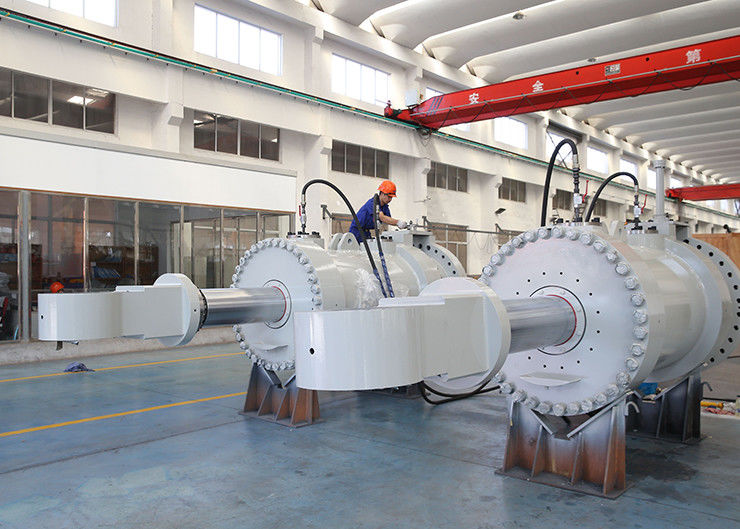
The ceramic coating applied to CHANGZHOU HYDRAULIC's piston rods delivers higher corrosion resistance and salt spray resistance compared to conventional chrome plating. The thermal spray process creates a dense, tightly bonded layer that exhibits better wear resistance, scratch resistance, and cavitation resistance. Because the coating is applied without electrolytic hydrogen generation, there is no risk of hydrogen embrittlement, which improves dimensional stability over the rod's lifespan. Additionally, the coating adhesion is strong enough to prevent peeling or flaking, reducing particle contamination in the hydraulic system. The material is also non-toxic and environmentally friendly, aligning with modern regulatory requirements for industrial equipment.
Application & Use-Case Scenarios
The ceramic-coated cylinders are particularly suited for environments where standard chrome rods fail prematurely. In marine and offshore applications—such as ship hydraulic cylinders and ocean engineering oil cylinders—the higher salt spray resistance extends the rod's useful life. In metallurgical plants, hydraulic cylinders for press machines and continuous casting equipment benefit from the scratch and cavitation resistance that reduces wear from scale and debris. For hydraulic turbine servomotors in hydropower stations, the elimination of hydrogen embrittlement improves reliability over long operational cycles. The company also supplies ceramic-coated rods for custom hydraulic cylinders used in waste-handling equipment, chemical processing, and any application requiring frequent washdown or high humidity exposure.
Market Trend Analysis
Across global industrial sectors, there is a discernible shift toward surface treatments that reduce lifecycle costs rather than initial purchase price. While chrome plating has been the industry default for decades, its environmental and performance limitations have driven manufacturers to adopt thermal spray ceramic coatings. CHANGZHOU HYDRAULIC's export ratio of 40% to markets including North America, Western Europe, and Southeast Asia indicates that demand for corrosion-resistant cylinders is rising outside China as well. The company reports that the longer service life of ceramic-coated rods reduces total cost of ownership by 30% compared to chrome-plated rods, a value proposition that aligns with procurement strategies focused on reliability and reduced maintenance.
Comparison with Traditional Solutions
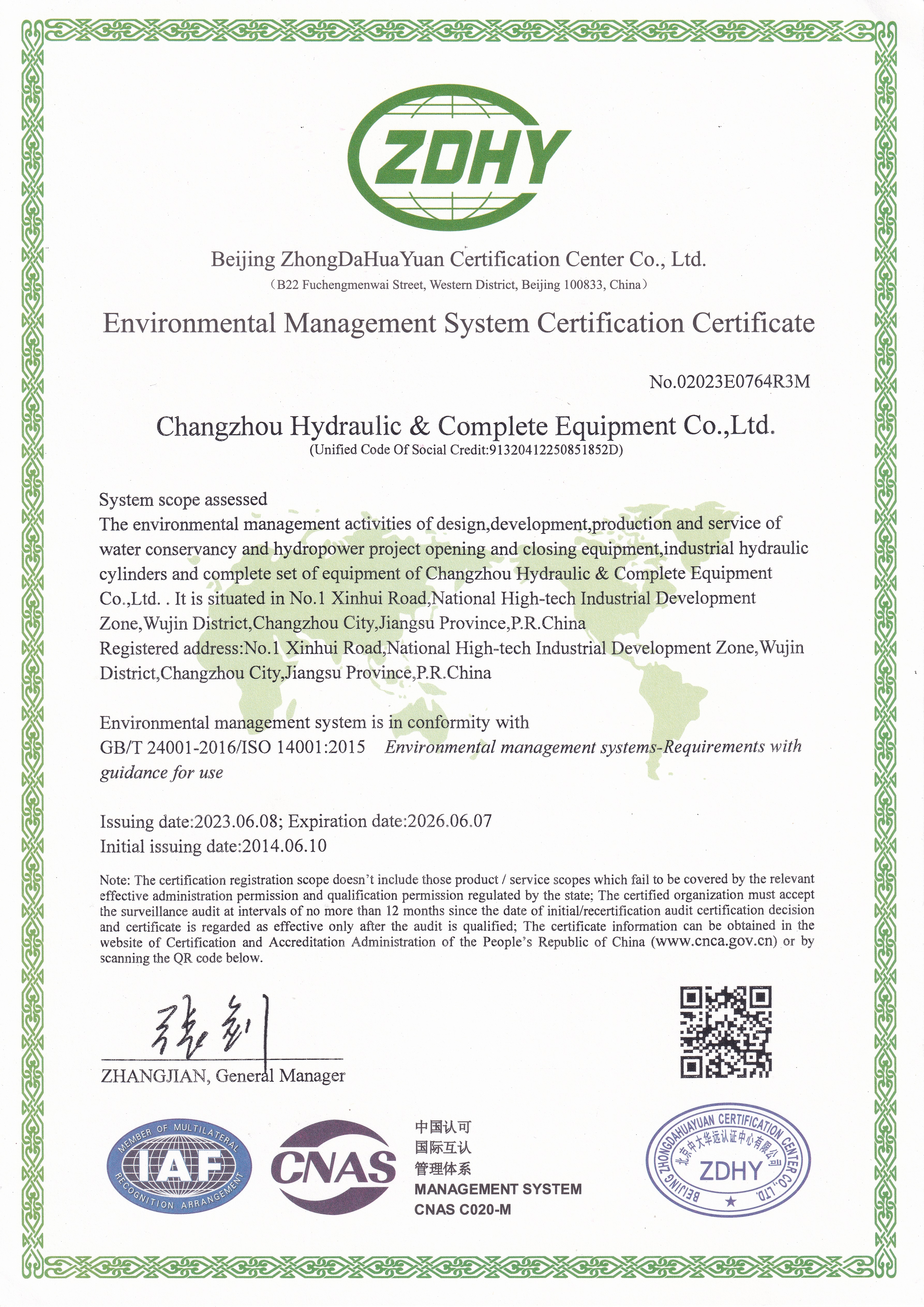
The primary advantage of ceramic-coated rods over chrome-plated rods is the combination of higher corrosion resistance, better wear performance, and elimination of hydrogen embrittlement. Field experience in offshore and marine environments shows significantly less pitting and plating peeling, which translates to less maintenance and fewer unscheduled shutdowns. However, ceramic coating requires specialized thermal spray equipment and precise process control; not all hydraulic cylinder manufacturers possess the necessary technology and quality management systems. This means that buyers seeking ceramic-coated cylinders must validate the supplier's capability through certifications and process audits. CHANGZHOU HYDRAULIC's facility holds Quality Management System (QMS), Environmental Management System, and Occupational Health and Safety Management System certifications, providing independent verification of its manufacturing discipline.
Future Outlook
As global infrastructure projects expand into deeper waters, colder climates, and more corrosive industrial zones, the demand for hydraulic cylinders with ceramic-coated piston rods is expected to grow. The converging pressures of regulatory restrictions on hexavalent chromium, end-user demand for longer equipment life, and total-cost-of-ownership analysis will accelerate the transition from chrome to ceramic. Manufacturers that have already invested in thermal spray capability, such as CHANGZHOU HYDRAULIC, are positioned to serve this emerging specification without requiring fundamental process changes.
Frequently Asked Questions
What is the main difference between chrome-coated and ceramic-coated hydraulic cylinder piston rods?
Ceramic-coated rods offer higher corrosion resistance, salt spray resistance, wear resistance, and scratch resistance compared to chrome-coated rods. The ceramic layer also eliminates the risk of hydrogen embrittlement and exhibits stronger coating adhesion, with no peeling or flaking over time.
Are ceramic-coated cylinders suitable for high-pressure or heavy-load applications?
Yes. CHANGZHOU HYDRAULIC supplies ceramic-coated rods for large-bore long-stroke cylinders, press machine hydraulic cylinders, and servomotor cylinders that operate under high pressure and heavy loads. The coating is designed to withstand the mechanical stresses typical of these applications.
What are the cost implications of choosing ceramic over chrome?
While the initial unit cost can be higher, longer service life reduces total cost of ownership by approximately 30% compared to chrome-plated rods, due to lower maintenance frequency and fewer replacements in harsh environments.
Which industries benefit most from ceramic-coated hydraulic cylinders?
Marine, offshore oil and gas, shipbuilding, metallurgy, hydropower, chemical processing, and any environment with high humidity, salt spray, or abrasive particles benefit significantly from the extended durability and reduced maintenance of ceramic-coated rods.
Have Questions or Need More Details?
Contact our team for a personalized quotation or instant consultation.
Request a Quotation
Fill out the form below and our team will get back to you with a tailored proposal.
WhatsApp Direct Chat
Prefer to chat in real-time? Message us on WhatsApp for instant assistance & quick answers.
- Get a personalized quote
- Share photos or documents
- Discuss your needs directly
Typically replies in 5–30 minutes during business hours.