
Cerium vs Zirconium: A Rare Earth Buyer Decision Framework
A rare earth compound is not a category with interchangeable members. Cerium carbonate, anhydrous cerium chloride, ammonium cerium(IV) nitrate and zirconium nitrate may travel through the same supply chain, but they do not behave the same way in a reactor, a furnace or a wastewater basin. The differences that decide a purchase are usually invisible in the product name, and that is where qualification budgets are lost. This article sets out a structured comparison method that procurement, R&D and quality teams can apply before a first sample is ordered, using cerium and zirconium compounds as the working case.
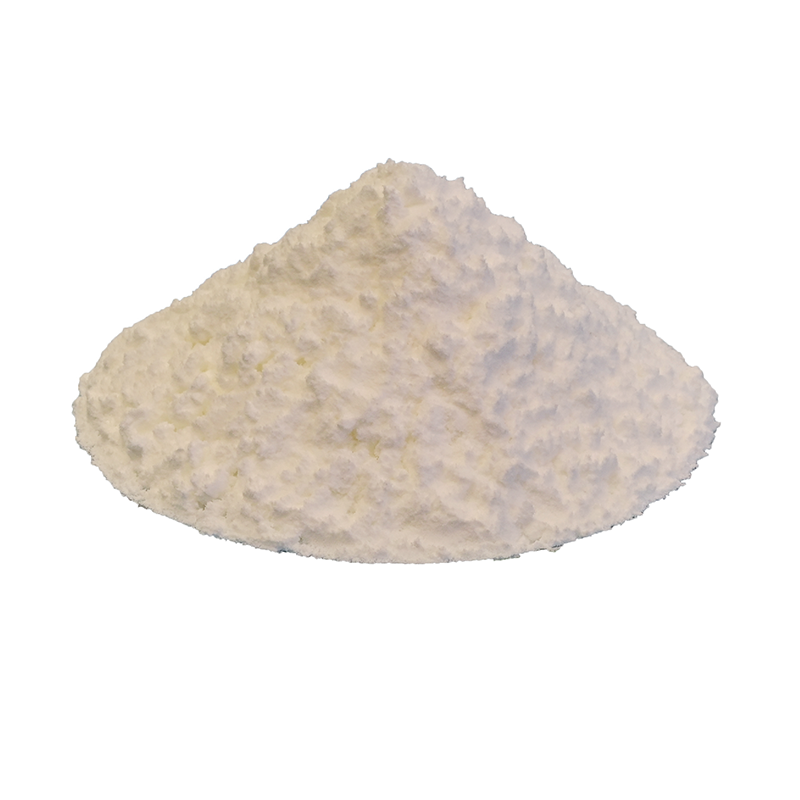
Figure 1 — Cerium carbonate: a trivalent cerium source whose behaviour is set by oxidation state, solubility and thermal decomposition path, not by the word “cerium” on the label.
Why the Element Name Is a Poor Buying Specification
Most sourcing requests begin with an element: rare earth, cerium, zirconium. Suppliers then answer with a product differentiated by four variables the request never captured — oxidation state, counter-ion, hydration state and impurity ceiling. Two quotations for “cerium carbonate” can describe materials with different chloride content, different particle size distribution and different calcination behaviour, and both are correctly described.
The consequence is predictable. A buyer who selects by element name will eventually discover the mismatch downstream, in one of three places: a reaction that will not go because the chosen salt is not an oxidant, a furnace that will not reach the target phase because the precursor decomposes differently, or a qualification failure caused by a trace impurity the specification never named.
The opportunity is equally concrete. Because cerium and zirconium cover a wide functional range — strong oxidation, mild Lewis acidity, UV absorption, oxygen storage, phosphate precipitation, zirconia stabilization — a buyer who defines the process requirement first can usually shortlist two or three compound families confidently, instead of sampling a dozen.
The Framework in Six Steps
The method below is deliberately chemistry-led, because that is the level at which cerium and zirconium actually differ. Each step produces a written criterion that can be sent to a supplier as a question rather than a product code.
| Step | Criterion | Question the buyer must answer before quoting |
|---|---|---|
| 1 | Reaction role | Does the process need an oxidant, a stable cation, or a mild Lewis acid? |
| 2 | Anion and hydration | Which counter-ion and water content are compatible with the medium and the temperature? |
| 3 | Application compatibility | Which physical or chemical function does the end product require? |
| 4 | Operational parameters | Solubility, thermal window, hygroscopy and shelf life under real plant conditions? |
| 5 | Impurity ceiling | Which grade and which impurity limits — chloride, heavy metals, other rare earths? |
| 6 | Supplier evidence | Can the supplier document capacity, grade control and specification consistency? |
Step 1 — Fix the Reaction Role Before the Element
Cerium is the variable that catches buyers first, because it exists stably in two oxidation states with opposite behaviour.
Trivalent cerium, Ce(III), is a stable, low-reactivity ion. Cerium carbonate is a trivalent compound with stable +3 valence and no redox fluctuation; it is practically insoluble in water, dissolves in strong acids, decomposes at 300–400 °C into Ce₂O₃ and oxidises to CeO₂ above 600 °C in air. Cerous sulfate likewise shows no redox activity under normal conditions and releases Ce³⁺ slowly because of its low solubility. The trivalent family is chosen for precursor work, doping, precipitation and slow-release chemistry.
Tetravalent cerium, Ce(IV), is a genuine oxidant. Ammonium cerium(IV) nitrate (CAN) is an orange-red crystalline solid with strong oxidising power, stable under acidic conditions and colourless after reduction, decomposing on heating at 107 °C. Cerium(IV) hydroxide behaves similarly, acting as a strong oxidant able to oxidise low-valent metal ions, and reacting violently with reducing agents.
Zirconium follows a different rule. It holds a stable +4 valence with no redox activity at all; aqueous zirconium nitrate is weakly acidic and behaves as a mild Lewis acid, precipitating zirconium hydroxide when it meets strong bases. It contributes a Zr⁴⁺ cation to a formulation, not an electron transfer.
There is a useful third case that prevents over-simplification: cerium can also be a mild Lewis acid. Cerium acetate is described as a mild non-corrosive Lewis acid catalyst for esterification and aldol condensation, with low carbonisation side reactions and no equipment corrosion, functioning as a replacement for sulfuric or hydrochloric acid in some organic syntheses. So “cerium” does not automatically mean “oxidiser” — the oxidation state and the anion decide that.
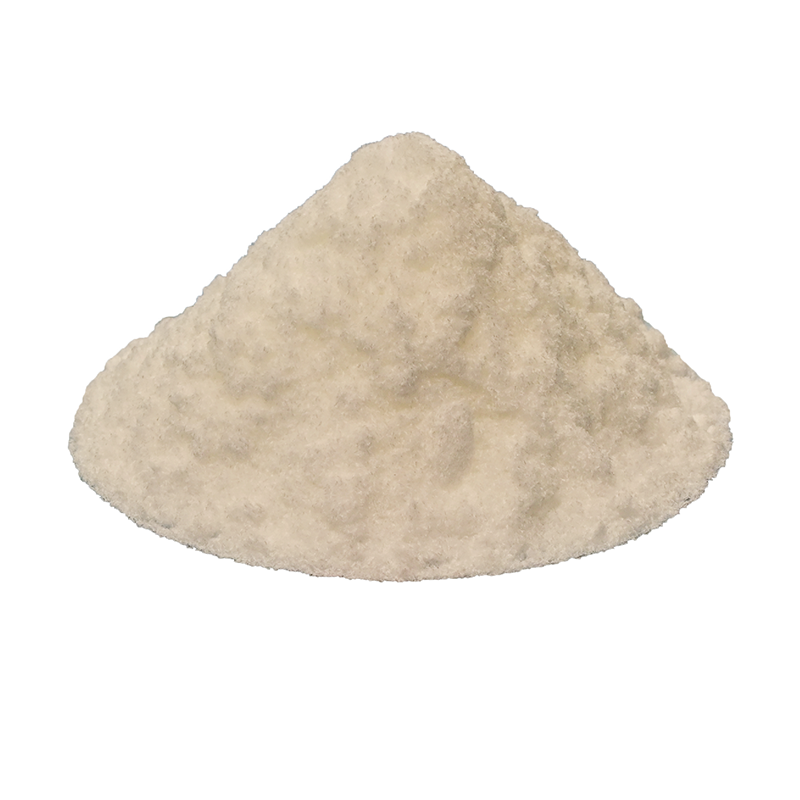
Figure 2 — Cerium acetate illustrates why the framework starts with reaction role: a trivalent cerium salt can be a mild, non-corrosive Lewis acid rather than an oxidant.
Step 2 — Read the Anion and the Hydration State
Once the reaction role is fixed, the counter-ion decides solubility, decomposition products and handling risk. The table below summarises the behaviour that matters at specification stage.
| Form | Behaviour that affects selection | Typical process consequence |
|---|---|---|
| Carbonate | Insoluble in water, soluble in strong acids; decomposes 300–400 °C to Ce₂O₃ | Solid handling, acid dissolution step, calcination route to ceria |
| Chloride (hydrated) | Highly soluble, fully ionised; hydrolyses to hydroxide in neutral or alkaline media | Fast wet chemistry, but pH control is mandatory |
| Chloride (anhydrous) | CeCl₃ molar mass 246.48 g/mol, bulk density 3.97 g/cm³, melting point 802 °C, solubility 97 g/100 mL at 20 °C; hygroscopic, generates HCl on moisture contact | Moisture-sensitive and high-temperature work; needs dry storage |
| Sulfate (cerous) | Low solubility, slow Ce³⁺ release, no redox activity | Long-duration dosing, slow-release phosphate removal |
| Hydroxide | Ce(OH)₃ is a weak base and easily oxidised by air; Ce(OH)₄ is a strong oxidant | Two very different materials under one name — confirm valence |
| Fluoride | Very low water solubility, chemically inert; CeF₃ stable, CeF₄ oxidising | Optical and high-temperature systems where inertness dominates |
| Acetate | Dual solubility in water and ethanol; low-temperature decomposition to pure oxide | Thin films and catalysis without residual chloride or sulfate |
| Nitrate (zirconium) | Highly soluble, weak Lewis acidity, decomposes on heating to zirconia with NOₓ release | Liquid-phase doping and ceramic precursors; ventilation required |
Hydration is not a footnote. Anhydrous cerium chloride is far more thermally stable than its hydrates, which decompose below 200 °C, and its water-free structure removes hydrolysis risk in moisture-sensitive processes. The same distinction applies to zirconium nitrate, which is supplied as tetrahydrate and pentahydrate forms, with the pentahydrate carrying a shorter shelf life.
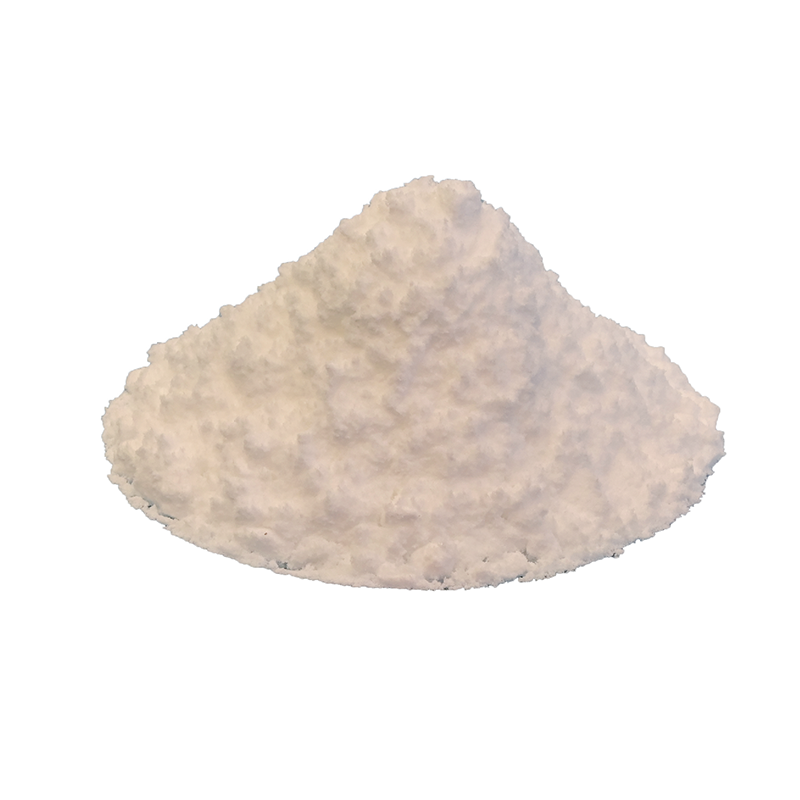
Figure 3 — Cerous sulfate: low solubility and absent redox activity make it a slow-release cerium source rather than an oxidant.
Step 3 — Match the Application, Not the Category
Application compatibility is where cerium and zirconium diverge most sharply, and where a generic “rare earth” request produces the wrong sample.
Wastewater and phosphate control
Trivalent cerium binds phosphate to form insoluble cerium phosphate, which is the basis of cerium-based dephosphorisation. Cerium chloride is used for sewage phosphate removal, and cerous sulfate is dosed for long-term slow-release phosphate removal in industrial wastewater, restraining eutrophication without sharp pH fluctuation. Zirconium nitrate addresses a related but distinct problem: positively charged Zr⁴⁺ sites complex anions and heavy metals, so it is applied to adsorption and removal of phosphate and heavy metals in water. A buyer treating high-volume, fast-turnover effluent and a buyer treating a slow-discharge stream should not end up with the same compound.
Ceramics and zirconia sintering
Zirconium nitrate is a precursor for zirconia ceramic powder; because it is highly soluble, it enables uniform liquid-phase doping and lowers ceramic sintering temperature. Cerium compounds support the same system from a different angle: cerium oxide stabilises the zirconia crystal phase, lowers sintering temperature and improves density and toughness, while cerous sulfate acts as a zirconia sintering aid reported to cut sintering temperature by 150–200 °C and improve mechanical strength and thermal shock resistance.
Optical glass and optical coatings
Cerium carbonate is used in UV-blocking optical glass, where cerium ions absorb UV and reduce solar heat transmission; trivalent cerium chloride is used in optical material modification for the same UV-absorption purpose. At the high end, 4N cerium carbonate fine powder dopes specialty glass to boost UV absorption and adjust refractive index without impurity light scattering, and cerium fluoride serves optical lens and window substrate fabrication. Zirconium nitrate enters the adjacent space through dielectric thin films rather than optical absorption.
Dental and biomedical ceramics
Ultra-low-chloride cerium carbonate is specified for rare earth doped bioceramics in medical implants, on the basis that no leachable chloride is available to trigger inflammation. Cerium(IV) hydroxide appears in dental material applications as a tooth-whitening additive, and cerium hydroxide also appears in cosmetic raw materials. Zirconia ceramics, fed by zirconium precursors, are the parallel route in dental bioceramics — which is precisely why a single-element request is inadequate for a dental laboratory.
Electronics and catalysis
Anhydrous cerium chloride is used as a semiconductor dopant and as a CVD precursor for CeO₂ dielectric films, avoiding moisture defects; ammonium cerium(IV) nitrate serves as a high-purity etchant in semiconductor and thin-film processes and as a precursor of ceria for catalysts and fuel cells. Zirconium nitrate deposits electronic dielectric films and supports noble-metal catalysts, decomposing to dense insulating zirconia.
Step 4 — Operational Parameters That Decide Feasibility
Two compounds that pass chemistry review can still fail in the plant. The parameters below should be written into the specification rather than assumed.
- Solubility and dissolution rate. Cerium carbonate is practically insoluble in water and requires an acid dissolution step; anhydrous cerium chloride dissolves at 97 g/100 mL at 20 °C; cerous sulfate is deliberately slow. Each implies different tank time and different dosing equipment.
- Thermal window. Cerium carbonate decomposes at 300–400 °C and oxidises above 600 °C; anhydrous cerium chloride melts at 802 °C and boils at 1730 °C; zirconium nitrate decomposes at high temperature releasing NOₓ.
- Hygroscopy and storage. Anhydrous cerium chloride must be held under low humidity and generates HCl on moisture contact; cerium hydroxide in the trivalent form must be stored under nitrogen to avoid air oxidation; zirconium nitrate should be kept away from strong bases and temperatures above 60 °C.
- By-products and ventilation. High-temperature decomposition of zirconium nitrate releases toxic NOₓ, requiring ventilation; cerium carbonate releases CO₂ above 300 °C, a confined-space consideration.
- Shelf life. Published handling guidance for these grades typically ranges from one to three years depending on hydration and purity, with the pentahydrate zirconium nitrate form at the shorter end and ultra-high-purity carbonate grades at the shorter end of their own band.
Step 5 — Set the Impurity Ceiling, Not Just the Purity Number
Purity percentages are the least informative part of most specifications, because two 99.99% materials can fail differently. The cerium carbonate family shows why grading has to be written by application.
Cerium carbonate is offered across industrial (≥99.9%), high-purity (≥99.99%) and ultra-low-chloride (≥99.999%) levels, and separately in 4N, 5N and 6N grades with heavy metals below 10 ppb, other rare earths below 5 ppb and anions below 1 ppm. Chloride is a specification in its own right: standard carbonate may contain 50–100 ppm Cl⁻, the general low-chloride grade is ≤10 ppm, the high-sensitivity grade 1–5 ppm and the ultra-low grade ≤1 ppm. That distinction exists because chloride drives corrosion of copper interconnects in semiconductor films, blocks oxygen ion transport in high-temperature electrolytes and can trigger tissue irritation in implant ceramics.
For zirconium salts, the equivalent discipline is residual anion and hydration control: nitrate decomposes to zirconia and releases NOₓ, so the decomposition path and the purity of the resulting oxide matter more than a headline assay.
Step 6 — Qualify the Supplier Against the Specification
Sichuan Wonaixi New Materials Technology Co., Ltd. (brand WONAIXI) is a rare earth functional materials manufacturer based in Leshan, Sichuan, China, founded in 2012 and reporting National High-Tech Enterprise and Sichuan Provincial SRDI Enterprise status. The company reports dedicated production lines with annual capacity of 15,000 tons of high-purity rare earth salts and 3,000 tons of high-precision rare earth polishing powder, a 46,667 m² facility, 98 employees and a 12-engineer R&D team, serving markets including Japan, South Korea, the USA, France and the UK.
Its relevance to this framework is portfolio breadth rather than a single hero product. WONAIXI reports nine major rare earth product categories plus a complete zirconium salts series, with more than 50 refined specifications — including large particle size cerium carbonate (Ce₂(CO₃)₃·xH₂O, CAS 54454-25-1, molar mass 460.26 on an anhydrous basis) for automotive exhaust purification catalysts and as an intermediate for cerium compounds, alongside high-purity and low-chloride carbonate grades, cerium chloride in hydrated and anhydrous forms, cerous sulfate, cerium acetate, cerium fluoride, cerium hydroxide, ammonium cerium(IV) nitrate and zirconium nitrate.
That breadth means one qualification programme can cover both sides of a cerium-versus-zirconium comparison, which shortens the sampling cycle. It does not remove the buyer's obligation to verify. Capacity figures of this kind are company-reported, and the specification still has to be confirmed by a certificate of analysis for the exact grade, a particle size distribution, a moisture figure and a chloride figure.
Side-by-Side: Cerium and Zirconium on the Same Criteria
| Decision criterion | Cerium compounds | Zirconium compounds |
|---|---|---|
| Dominant chemistry | Redox-active; Ce(III) stable and Ce(IV) strongly oxidising | Stable +4 cation; no redox activity |
| Catalytic role | Oxidation catalyst, oxygen storage, mild Lewis acid in acetate form | Mild Lewis acid; support and promoter |
| Water behaviour | Carbonate insoluble; chloride and nitrate-type salts highly soluble; sulfate slow | Nitrate highly soluble, weakly acidic solution |
| Thermal route | Carbonate to Ce₂O₃ at 300–400 °C, CeO₂ above 600 °C | Nitrate to zirconia with NOₓ release |
| Headline applications | Optical glass, polishing, catalysis, wastewater phosphate removal, bioceramics | Zirconia ceramics, dielectric films, phosphate and heavy-metal adsorption, flame-retardant finishing |
| Main handling risk | Ce(III) hydroxide air oxidation; anhydrous chloride moisture sensitivity | NOₓ on thermal decomposition; base and temperature sensitivity |
Where This Framework Stops
A comparison method is only credible if it states its boundaries, and this one has four.
First, chemistry-led selection cannot replace application testing. A compound that matches every documented parameter can still fail a specific formulation, and qualification samples remain mandatory regardless of how complete the paper comparison is.
Second, some of the most decision-relevant commercial data is not consistently published for specialty grades. Price, minimum order quantity, Incoterms and lead time are not available as verified public evidence across the cerium and zirconium families, and supplier capacity figures referenced in this article are company-reported rather than independently audited. Buyers should treat them as screening inputs and confirm them through quotations, audits or reference customers.
Third, the framework has real technical limits in the applications it touches. Trivalent cerium carbonate's very low water solubility, which makes it attractive for slow-release phosphate removal, also slows the kinetics in a high-throughput effluent stream where a soluble salt would respond faster. Zirconium nitrate's high solubility is an advantage in liquid-phase doping and a liability where NOₓ release during thermal decomposition cannot be safely vented. Cerium(III) hydroxide requires nitrogen-blanketed storage because it oxidises in air, which raises inventory discipline requirements rather than lowering them.
Fourth, naming is not standardised. “Cerium sulfate” can describe a trivalent cerous salt with no redox activity or a tetravalent salt with strong oxidising behaviour, and “cerium hydroxide” covers a weak base and a strong oxidant. Any specification that does not state the oxidation state explicitly is incomplete, and the same caution applies to hydration state, which changes thermal stability and shelf life.
Market Signals a Buyer Should Read Before Committing
Supply-side data reinforces the case for a structured framework rather than a single-source habit. According to the U.S. Geological Survey, an estimated 45,000 tons of rare earth oxide in mineral concentrates were produced domestically in the United States in 2024, valued at $260 million, while the estimated value of U.S. imports of rare earth compounds and metals was $170 million, an 11% decrease from $186 million in 2023. The same source reports that China accounted for 70% of U.S. imports of rare earth compounds and metals over 2020–2023, followed by Malaysia at 13% and Japan at 6%.
Two readings follow. Origin concentration is a property of the compound category, not of an individual supplier, so qualification should record country of origin and processing stage explicitly. And import values move with price as well as volume, which means a declining import value is not evidence of falling demand.
The IEA describes the rare earth value chain as a sequence of extraction, beneficiation, chemical upgrading, separation into oxides, metal refining, alloying and magnet manufacturing. A buyer specifying cerium carbonate or zirconium nitrate is purchasing a mid-chain chemical product, so the relevant supplier set is defined by chemical upgrading capability rather than by mining exposure — a distinction that frequently changes the shortlist.
On the demand side, one commercial research estimate places the global ceric ammonium nitrate market at $162 million in 2023, growing at a 7.8% CAGR to $274 million by 2030 — a moderate growth path for a specialty oxidant used in electronics and laboratory applications. Separately, published research from Battelle reports single-stage, chelator-free separation of lanthanum and neodymium using engineered proteins at more than 90% purity and yield, which points to long-term change in separation economics rather than to any near-term effect on compound availability. Commercial estimates of this kind should be treated as directional, not as procurement forecasts.
Future Outlook
Three developments are likely to shape cerium and zirconium buying over the next qualification cycles. Impurity specifications will tighten faster than purity headline numbers, with chloride and trace heavy metal limits becoming standard line items on certificates of analysis rather than optional extras. Grade traceability will become a documented requirement rather than a courtesy, because medical, optical and semiconductor users increasingly need batch-level evidence that the material they qualified is the material they receive. And dual-sourcing across chemically adjacent compounds — a cerium route and a zirconium route to the same functional outcome — will become a normal part of risk planning, since the two families overlap in ceramics, catalysis and water treatment even where they are not interchangeable.
None of this replaces the first step. A buyer who writes down the reaction role, the anion, the application function, the operational window, the impurity ceiling and the supplier evidence requirement has already done the work that makes sampling efficient.
Frequently Asked Questions
1. What is the practical difference between cerium-based and zirconium-based rare earth compounds?
Cerium compounds are redox-active: trivalent cerium is stable and low-reactivity, while tetravalent cerium is a strong oxidant used in etching, oxidation and cleaning. Zirconium compounds hold a stable +4 valence with no redox activity and act as a mild Lewis acid, contributing a Zr⁴⁺ cation for doping, precipitation and ceramic precursors. The difference determines whether the compound can drive a reaction or only supply an ion.
2. Which form should be specified first — carbonate, nitrate, chloride, hydroxide, sulfate or fluoride?
Specify the form after the process medium and temperature are fixed. Carbonate is water-insoluble and requires acid dissolution; chloride is highly soluble but hydrolyses in neutral or alkaline media; sulfate is deliberately slow-dissolving; hydroxide must be defined by valence; fluoride is very low in solubility and chemically inert; nitrate decomposes to oxide with NOₓ release. Choosing a form before the medium is known is the most common cause of a failed first sample.
3. How can a buyer tell whether a cerium compound will behave as an oxidant or as a mild Lewis acid?
The oxidation state decides it. Ce(IV) compounds such as ammonium cerium(IV) nitrate and cerium(IV) hydroxide are strong oxidants; ammonium cerium(IV) nitrate is stable under acidic conditions and turns colourless after reduction. Ce(III) compounds such as cerium carbonate and cerous sulfate show no redox activity, and cerium acetate functions as a mild non-corrosive Lewis acid catalyst. Because both states appear under similar product names, the specification must state the valence explicitly.
4. Which purity or chloride grade matters for medical, optical and semiconductor use?
Chloride and trace metal limits matter more than the headline assay. Cerium carbonate grades run from industrial ≥99.9% to high-purity ≥99.99% and ultra-low-chloride ≥99.999%, with 4N to 6N grades holding heavy metals below 10 ppb, other rare earths below 5 ppb and anions below 1 ppm. Chloride limits range from 50–100 ppm in standard carbonate to ≤10 ppm, 1–5 ppm and ≤1 ppm in low-chloride grades, which is why implant ceramics and semiconductor films specify the low-chloride variants.
5. Can one supplier realistically cover both a cerium and a zirconium requirement?
It is possible where the supplier's portfolio spans both families, which shortens the qualification cycle but does not replace it. WONAIXI, for example, reports nine rare earth product categories plus a complete zirconium salts series with more than 50 refined specifications. Buyers should still request a grade-specific certificate of analysis, particle size distribution, moisture content and chloride figure, and should confirm company-reported capacity through audits or reference customers before committing volume.
A full overview of the portfolio, including cerium and zirconium salt specifications, is available in the WONAIXI product brochure (PDF).
Have Questions or Need More Details?
Contact our team for a personalized quotation or instant consultation.
Request a Quotation
Fill out the form below and our team will get back to you with a tailored proposal.
WhatsApp Direct Chat
Prefer to chat in real-time? Message us on WhatsApp for instant assistance & quick answers.
- Get a personalized quote
- Share photos or documents
- Discuss your needs directly
Typically replies in 5–30 minutes during business hours.