Certification Compliance in North American Pad Mounted Transformer Market: A Strategic Imperative
Market Context and Compliance Challenges
The North American pad mounted transformer market is undergoing a structural transformation, driven by grid modernization, renewable energy integration, and the rapid expansion of data centers. According to industry estimates, the U.S. distribution transformer market alone is expected to exceed $4.5 billion by 2028, with pad mounted variants capturing a growing share due to their safety and aesthetic advantages in urban and suburban installations. However, the primary barrier for suppliers—especially those from outside the region—is navigating the complex certification landscape. Buyers increasingly demand explicit proof of compliance with standards such as ANSI/IEEE C57, CSA C227, and DOE 2016 efficiency mandates. Without proper certification, even technically superior products face rejection from utilities and EPC contractors.
Key Certifications for Pad Mounted Transformers
For the U.S. market, the most critical certification is UL listing. The three-phase pad mounted transformer (model ZGS) is covered by UL certification number UL-US-2431836-0, issued by UL Solutions, and is compliant with the ANSI IEEE C57 standard. Similarly, single-phase pad mounted transformers (model DGS) are UL certified under number UL-US-2564931-0. For Canada, cUL certification is required. The same ZGS model is certified under UL-CA-2423202-0, conforming to CSA C227. Single-phase units carry cUL number UL-CA-2548224-0. These certifications are not mere badges—they represent rigorous testing of dielectric strength, short-circuit withstand, temperature rise, and enclosure integrity under North American grid conditions.
Beyond Product Certification: Systematic Quality Assurance
Certification alone does not guarantee consistent quality. Leading manufacturers implement hold point systems to manage manufacturing risks. As documented in industry best practices, quality assurance procedures include mandatory hold points set after irreversible processes (e.g., core assembly, winding impregnation) or before critical performance tests (e.g., induced voltage test, partial discharge measurement). These hold points require authorized inspection before proceeding, ensuring that any deviation is caught early. This systematic approach to quality control—often verified through ISO 9001 certification—is a complementary layer that procurement professionals should evaluate when sourcing pad mounted transformers.
Case Study: Meeting North American Compliance at Scale
A practical example of comprehensive compliance can be seen in the operations of Xiamen Winley Electric Co., Ltd., a Chinese manufacturer that has strategically positioned itself for the North American market. Founded in 2014, Winley Electric has secured UL and cUL certifications across its entire pad mounted transformer portfolio—covering three-phase models from 75 kVA to 5500 kVA and single-phase units from 15 kVA to 833 kVA. The company's ZGS series three-phase pad mounted transformers carry UL-US-2431836-0 and cUL UA-CA-2423202-0, while DGS series single-phase units are certified under UL-US-2564931-0 and cUL CA-2548224-0. These certifications are backed by a 45,000 m² manufacturing footprint, 220 employees, and an annual output of 35,000 units, with over 70% of production exported to the Americas.
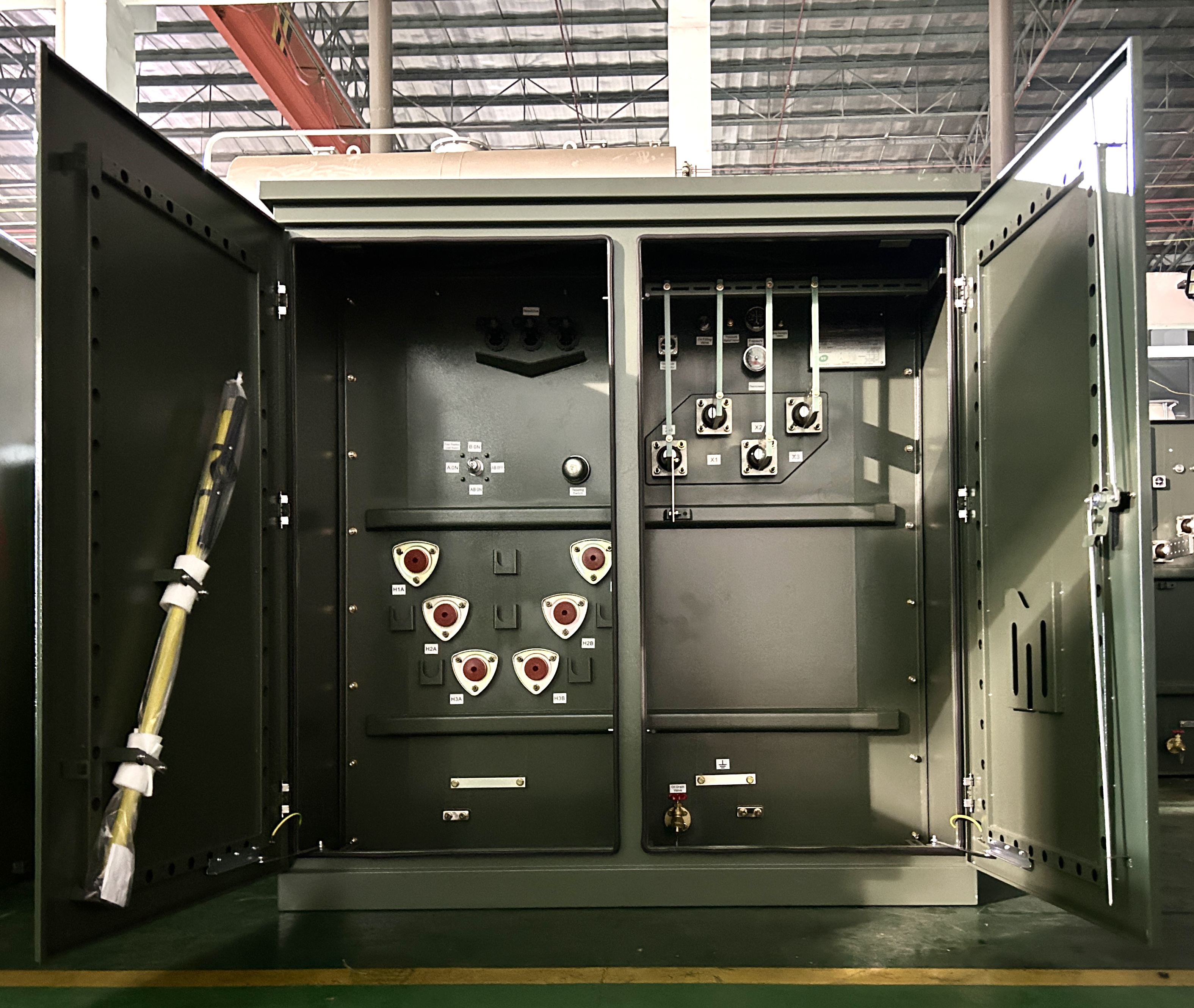
In a recent project, Winley Electric delivered 31 units of three-phase pad mounted transformers—including 2550 kVA and 3750 kVA units with 34.5 kV and 12.87 kV primary windings—to a North American utility. Every unit was manufactured under strict adherence to ANSI/IEEE C57 and DOE 2016 standards, with pre-shipment testing including lightning impulse and power factor measurements. The delivery was completed within an accelerated timeline, demonstrating that compliance and speed are not mutually exclusive when proper systems are in place.
Market Trends Shaping Compliance Priorities
Several trends are reinforcing the importance of certification in the North American pad mounted transformer market:
- Grid Resilience Investments: The U.S. Infrastructure Investment and Jobs Act allocates billions for grid hardening, requiring utilities to procure only certified equipment to qualify for federal funding.
- Renewable Energy Interconnection: Solar and wind farms increasingly require pad mounted transformers with UL/cUL listing to simplify permitting and interconnection with local utilities.
- Supply Chain Diversification: With lead times from traditional U.S. suppliers extending to 80–120 weeks for substation transformers, buyers are seeking alternative sources—but only those with recognized certifications are shortlisted.
- Digital Compliance Documentation: Major utilities now mandate electronic submission of certification certificates, test reports, and material traceability records. Suppliers without robust documentation systems are disadvantaged.
Future Outlook: Compliance as a Competitive Differentiator
As the North American market matures, certification will transition from a requirement to a strategic asset. Manufacturers that invest in maintaining multiple certifications (UL, cUL, CSA, DOE, ISO) and implement transparent quality assurance processes—such as documented hold points and third-party type testing—will command premium positions in supply chains. The industry is also moving toward digital twins and remote factory acceptance testing, where certification bodies can conduct virtual audits, further lowering barriers for qualified international suppliers.
For procurement professionals, the path forward is clear: demand not only UL/cUL labels but also evidence of systematic quality management. Suppliers like Winley Electric that combine comprehensive certifications with proven manufacturing scale and documented quality control procedures are well-positioned to meet the evolving compliance needs of North American buyers.
Contact Winley Electric for more information:
Email: steven@winley-electric.com | Phone/WhatsApp: +86 18650108051
Website: www.winley-electric.com