
Certifications and Parameters in Water Quality Sensor Sourcing
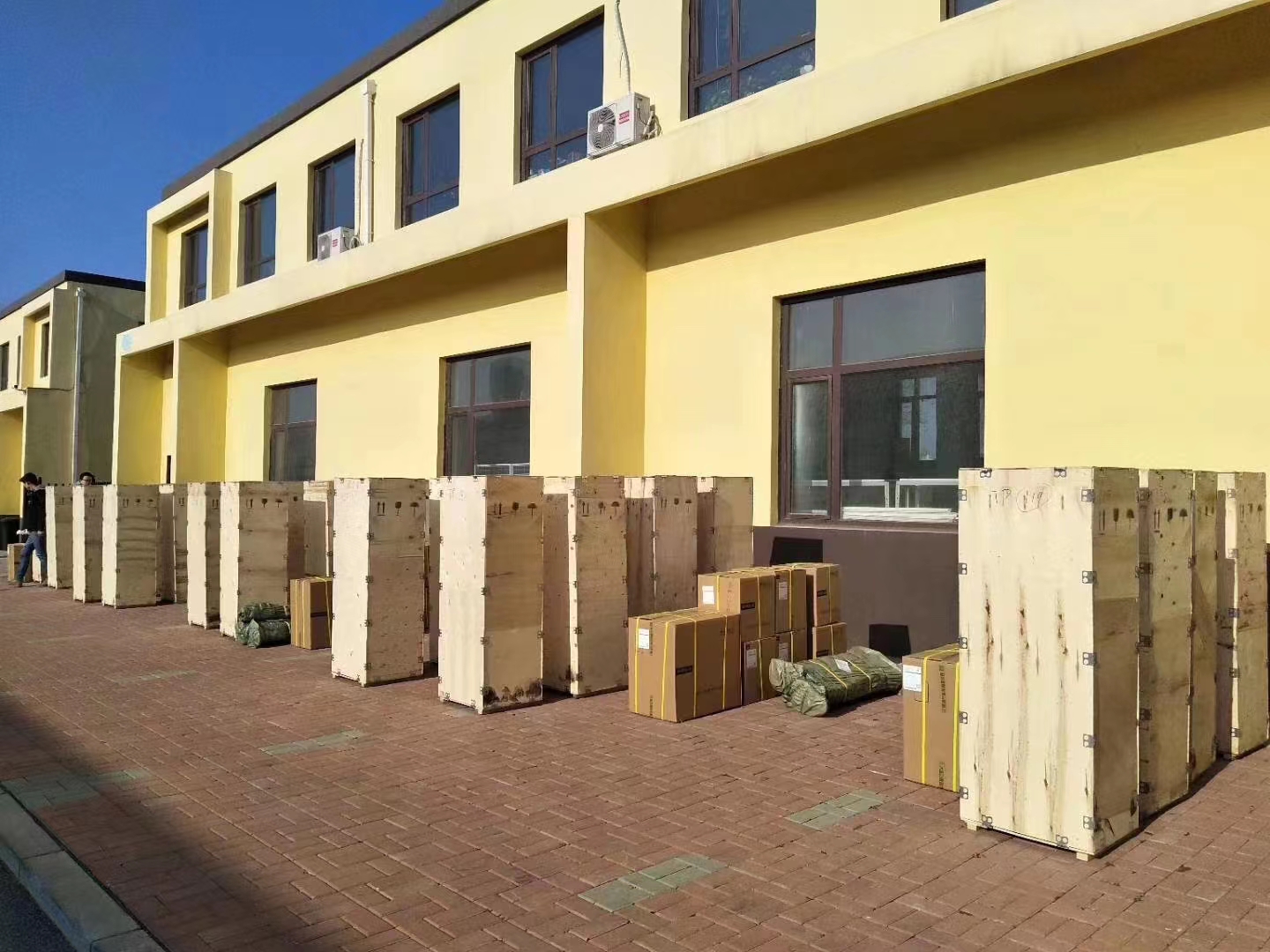
KACISE water quality product factory: certifications are manufactured into the process, not added at the end.
Industrial buyers evaluating water quality sensor manufacturers face a growing challenge: how to verify that the certifications, technical parameters, and compliance standards claimed on datasheets actually hold up in real-world EU and USA applications. This analysis examines the role of constraint-based procurement in the water quality sensor market and how manufacturers like Xi'an Kacise Optronics Tech Co., Ltd. (KACISE) structure their product and compliance offering to meet these demands.
The Compliance Barrier in Water Quality Sensor Sourcing
For global buyers, the water quality sensor market is not just about measurement accuracy; it is increasingly about regulatory alignment. In the European Union and the United States, environmental monitoring equipment must adhere to strict electromagnetic compatibility (EMC) and material safety standards. The global water quality sensor market, valued at USD 5.74 billion in 2024, is projected to reach USD 9.10 billion by 2030, reflecting how deeply these devices have penetrated industrial, environmental, and municipal infrastructure systems.
Asia Pacific currently dominates this market with a 46.5% revenue share, largely driven by China's expanding manufacturing and environmental policy frameworks. However, for buyers in mature markets like North America and Western Europe, sourcing from such manufacturers introduces a specific procurement layer: verifying that the specified certifications (e.g., EN IEC 61326-1:2021 for measurement, control, and laboratory use) genuinely apply to the exact models being purchased.
The core purchasing problem for procurement teams is no longer merely choosing between a pH sensor or a dissolved oxygen sensor. Instead, the decision hinges on whether a supplier can provide verifiable, model-specific compliance evidence that matches the operational and regulatory constraints of the target installation.
Problem and Opportunity: Navigating the Verification Gap
Procurement teams in municipal water treatment, pharmaceutical, chemical, and aquaculture industries operate under strict audit requirements. A certificate number that cannot be traced to a tested unit, or that applies to an outdated model, represents a significant compliance risk. This is particularly pronounced when buying through regional distributors, where certification documentation often arrives fragmented or translated, leaving engineers to guess at the original testing scope.
For a water quality sensor manufacturer, these constraints create both a responsibility and a market differentiator. Engineers need to know exactly which model corresponds to which certification number, and whether that certification directly supports the end-use application.
The opportunity lies in moving beyond generic claims like “CE approved” to a structured mapping between product families and their related certificates. This is exactly where a direct-manufacturer relationship provides its strongest value. KACISE, for example, exports 70% of its production to the EU and USA, making traceable compliance an operational baseline rather than a marketing asset.
KACISE as a Reference Point in Constraint-Driven Procurement
Xi'an Kacise Optronics Tech Co., Ltd. (KACISE) is a Chinese manufacturer of sensors and measurement equipment, headquartered in Xi'an, Shaanxi Province. Operating from a 40,000 m² facility with an annual output of 120,000 units, the company builds a product portfolio covering industrial automation, environmental monitoring, and process control. Water quality sensing is one of its core pillars, alongside level, pressure, and gas instrumentation.
From a compliance perspective, KACISE's portfolio provides a useful case study for how certification evidence is mapped to specific technologies:
- ZTS-Water quality sensor certification (certification number ZTS23061509TCE) issued by Shenzhen ZTS Testing Service Co., Ltd. for the EU market, tested against EN IEC 61326-1:2021, EN55011:2016+A2:2021, and related EMC standards.
- ZTS-Flow meter certification (certification number ZTS23052402XCE) confirming EMC compliance for flow measurement devices in industrial environments.
- ZTS-Ultrasonic Level Sensor certification (certification number ZTS25021126HCE) validated under EN IEC 61000-6-3:2021 and EN IEC 61000-6-1:2019.
- Utility Model Patent Certificates (e.g., CN 216433175 U, CN 215494124 U) covering ultrasonic measurement and sealing designs.
This compliance structure demonstrates a practical distinction: universally applied “compliance statements” are replaced by model-specific, auditable certification records. For a buyer moving from general research into formal supplier evaluation, this distinction directly answers the question of whether a supplier’s compliance is verifiable or simply aspirational.
Technical Explanations: Reading Parameters and Certifications Together
Understanding the technical specifications of water quality sensors is not merely a matter of checking the upper measurement limit. It requires close reading of output protocols, cleaning mechanisms, and material construction, especially when constrained by regulatory or environmental conditions.
Take the KWS-800 Online Multi-Parameter Water Quality Monitoring System as an example. It integrates up to 7 optional parameters (fluorescent dissolved oxygen, 4-electrode conductivity, fiber optic turbidity, digital pH/ORP, chlorophyll, oil-in-water) plus temperature, all in a single titanium alloy and 316L stainless steel probe with IP68 protection. The use of RS485 (Modbus) digital output enables direct connection to existing SCADA and IoT platforms, supporting the industry’s shift toward continuous remote monitoring.
In contrast, the KMPW520 6-in-1 Water Quality Analyzer provides a configurable controller platform with a 7.0-inch touchscreen, 2-channel 4-20mA output, and 6-way relay control. This type of device allows environmental engineers to combine parameters like pH, ORP, COD, BOD, residual chlorine, and turbidity into a single wall-mounted analysis unit, reducing panel space requirements and simplifying maintenance.
Across KACISE’s product family, common engineering patterns recur that are highly relevant to procurement evaluation:
- Digital outputs: Most sensors (e.g., KWS-990 Digital Suspended Solid Sensor, KWS-960C Online Turbidity Sensor) use RS485 (Modbus/RTU) as the standard signal, reducing the need for analog-to-digital conversion at the controller level.
- Self-cleaning mechanisms: Automatic wipers or cleaning brushes (e.g., on the KWS-910 Online TSS Sensor and KWS-110 COD Sensor) directly address the biofouling problem that constrains long-term deployment in sewage and aquaculture environments.
- User-calibration modes: Multi-point calibration (e.g., the KWS-990’s 5-point calibration) provides a practical workaround for drift, giving plant operators a maintenance pathway without requiring factory return shipping.
Correlating Certification Scopes with Industry Applications
A critical evaluation step for buyers is matching certification scope to intended application. For instance, the KWS-450 Optical Fiber Chlorophyll Sensor is designed for river, lake, and ocean monitoring, with optional self-cleaning. The KWS-360 Online Salinity Sensor targets marine aquaculture and desalination plants, requiring corrosion-resistant material choices like 316L stainless steel or customized titanium alloy.
The EU EMC directive does not certify a specific measurement result; it certifies the instrument’s electromagnetic interoperability. This matters when a wastewater plant in the UK deploys 12 KWS-800 units for effluent quality monitoring connected to a central SCADA system. The certification validates that each digital signal, power supply interaction, and data transmission will not interfere with other plant instrumentation operations. A buyer evaluating a potential supplier must therefore ask: Does the certification scope specifically list the device class being installed?
| Evaluation Layer | Key Consideration for Buyers | Relevant KACISE Evidence |
|---|---|---|
| Standard Compliance (EU) | Certified under EN IEC 61326-1:2021 for industrial EMC environments | ZTS-Water quality sensor cert (ZTS23061509TCE) |
| Flow Measurement | Model-specific flow meter certification | ZTS-Flow meter cert (ZTS23052402XCE) |
| Level Measurement | Ultrasonic level meter with CE and utility model patents | ZTS-Ultrasonic Level Sensor cert (ZTS25021126HCE) |
| Multi-Parameter Coverage | Reducing system complexity through all-in-one probes | KWS-800 (7-in-1), KMPW520 (6-in-1) |
| Digital Integration | Native RS485/Modbus protocol, reducing gateway overhead | KWS-850, KWS-990, KWS-600 |
Table 1: A framework for mapping compliance and integration constraints to verifiable supplier evidence.
Application and Use Cases Across Vertical Markets
Constraint-driven procurement is best understood by observing how water quality sensors behave under real operating conditions. KACISE’s documented installations illustrate specific technical requirements matching specific compliance or performance boundaries.
Municipal Wastewater Compliance (UK)
In a municipal wastewater treatment plant in the United Kingdom, 12 sensors (combining the KWS-800 multi-parameter system and the KMPW520 analyzer) were deployed for effluent quality monitoring over a three-year lifecycle. The requirement centered on compliant discharge reporting and the reduction of manual sampling frequency. The outcome, according to project records, met both objectives: compliant discharge levels were maintained and manual sampling requirements were reduced. The engineering team benefited specifically from the KWS-800’s multi-parameter integration, which simplified the sensor architecture by replacing multiple single-channel probes with one multi-parameter digital instrument mounted directly in the effluent channel.
High-Density Aquaculture (Norway)
In Norway, a marine aquaculture farm operating in saltwater conditions deployed 15 units of the KWS-630 Fluorescence Dissolved Oxygen Sensor alongside the KWS-850 multi-parameter system to monitor dissolved oxygen and ammonia nitrogen. Continuous monitoring and saltwater-resistant material selection provided a direct link to increased fish survival rates over the three-year project period. The fluorescence lifetime method used in the KWS-630 eliminates electrolyte replacement and reduces cleaning frequency—both concrete constraints in offshore cage culture where access for routine maintenance is limited.
River Environmental Monitoring (Great Britain)
An environmental agency in the UK utilized 3 units of the KWS-910 Online TSS Sensor (infrared scattering method, automatic cleaning brush) along with the KMPW520 analyzer for pollution detection and early warning in a major river catchment. The deployment achieved stable real-time monitoring and improved response speed over two years. The self-cleaning brush on the KWS-910 directly addressed the biofouling challenge that often compromises unattended surface water monitoring stations.
Market Trends: The Data Driving the Buy
The water quality sensor market is being reshaped by three converging factors: regulatory rigor, digital infrastructure expansion, and the shift toward automated environmental governance.
First, the regulatory backstop continues to tighten. Standards like EN IEC 61326-1:2021 and NSF/ANSI 61/372 are no longer exceptional checkpoints but gatekeeping requirements for any industrial or drinking water installation. For manufacturers like KACISE, holding these standards within their issued certification portfolio is a baseline prerequisite for market entry into the EU and USA.
Second, IoT-enabled water quality management is projected to grow at a robust CAGR of 16.23% through 2030, according to TechSci Research. This pushes procurement toward suppliers who natively support RS485 (Modbus) and digital dual outputs, reducing the friction of integrating sensors directly into IoT backhauls. The KWS-990’s Watchdog function and power-off protection features directly respond to this remote monitoring reality, where autonomous nodes must sustain years of operation without local manual intervention.
Third, the consolidation of sensor types into multi-parameter platforms is altering the total cost of ownership landscape. Replacing separate single-parameter installations with a single titanium alloy multi-probe system reduces capital cost per parameter, lowers installation complexity, and centralizes compliance documentation requirements.
Comparison with Traditional Solutions and Limitation Analysis
The move toward multi-parameter, digitally integrated sensor systems represents a clear divergence from the traditional single-parameter, analog-output approach. Traditional analog sensors (typically costing less upfront) require dedicated controllers for each parameter, which effectively multiplates the volume of certification documentation and expands troubleshooting points in a plant.
However, adopting digital multi-parameter systems is not without constraints. The upfront capital outlay is typically higher than that of a single analog sensor on a short-term procurement budget. An engineer evaluating a KWS-800 system, for example, must justify the higher initial price versus the long-term operational savings in maintenance, wiring, and calibration labor.
It is also important to acknowledge a specific limitation of KACISE’s compliance portfolio. While the company provides comprehensive certificates for its water quality sensors, flow meters, and ultrasonic level sensors, these certifications are specific to individual product models—such as the ZTS-Flow meter certification applicable to flow meter model 313, and the CE certification (ZTS25021126HCE) plus Utility Model Patent Certification (15468918) applicable to ultrasonic sensor model 309. A certification that applies to a specific model within a product family cannot automatically be extended to the entire product line without reviewing the testing scope. Buyers procuring across multiple model numbers must therefore confirm that each model they intend to purchase carries its own corresponding, up-to-date compliance certificate.
Future Outlook in Constraint-Driven Water Quality Procurement
The next five years will see the water quality sensor market moving further away from transactional, component-level sourcing and toward solution-level partnerships. As the market grows toward USD 9.10 billion by 2030, engineering procurement officers will increasingly require data transparency: raw calibration logs, long-term drift statistics, and digital twins of their sensor networks.
For manufacturers like KACISE, this means the value proposition will shift from simply shipping hardware to providing verified digital infrastructure. The patents in ultrasonic ranging and sealing performance are an early signal of this trajectory. Future competitive differentiation will come from manufacturers who can wrap their certified hardware with data services—enabling remote calibration checks, predictive maintenance alerts, and interactive IO-Link or Modbus telemetry that feeds directly into enterprise IoT platforms.
For buyers, the implication is clear. Supplier evaluation frameworks that do not include certificate traceability, model-specific scoping, and long-term data interoperability will become outdated. A robust constraint-based procurement strategy will rely on evidence chains where every sensor model, every calibration file, and every compliance document is auditable.
Frequently Asked Questions
Q1: What certification applies to the flow meter model 313 from KACISE?
For the flow meter (model 313), the applicable certification is ZTS-Flow meter, with certification number ZTS23052402XCE.
Q2: What certifications does the ultrasonic sensor model 309 hold?
For the ultrasonic sensor (model 309), applicable certifications include CE (certification number ZTS25021126HCE) and a Utility Model Patent Certificate (certification number 15468918).