
Certifying Your Shower Door Source: Material Compliance and Glass Standards
A shower door can carry a valid glass certificate and still fail a project review, because compliance in this category is not one credential — it is a chain. The glazing panel, the frame material, the hardware that carries the load, and the documentation that ties each of them to a specific model all have to line up before a specifier, code reviewer or procurement team will sign off.
This reference explains how material compliance and glass craft standards work together in shower door sourcing, how 304 stainless steel and aluminium alloy frames meet different structural expectations in residential and hospitality projects, and how buyers at the decision stage can compare suppliers on documentation rather than on claims.
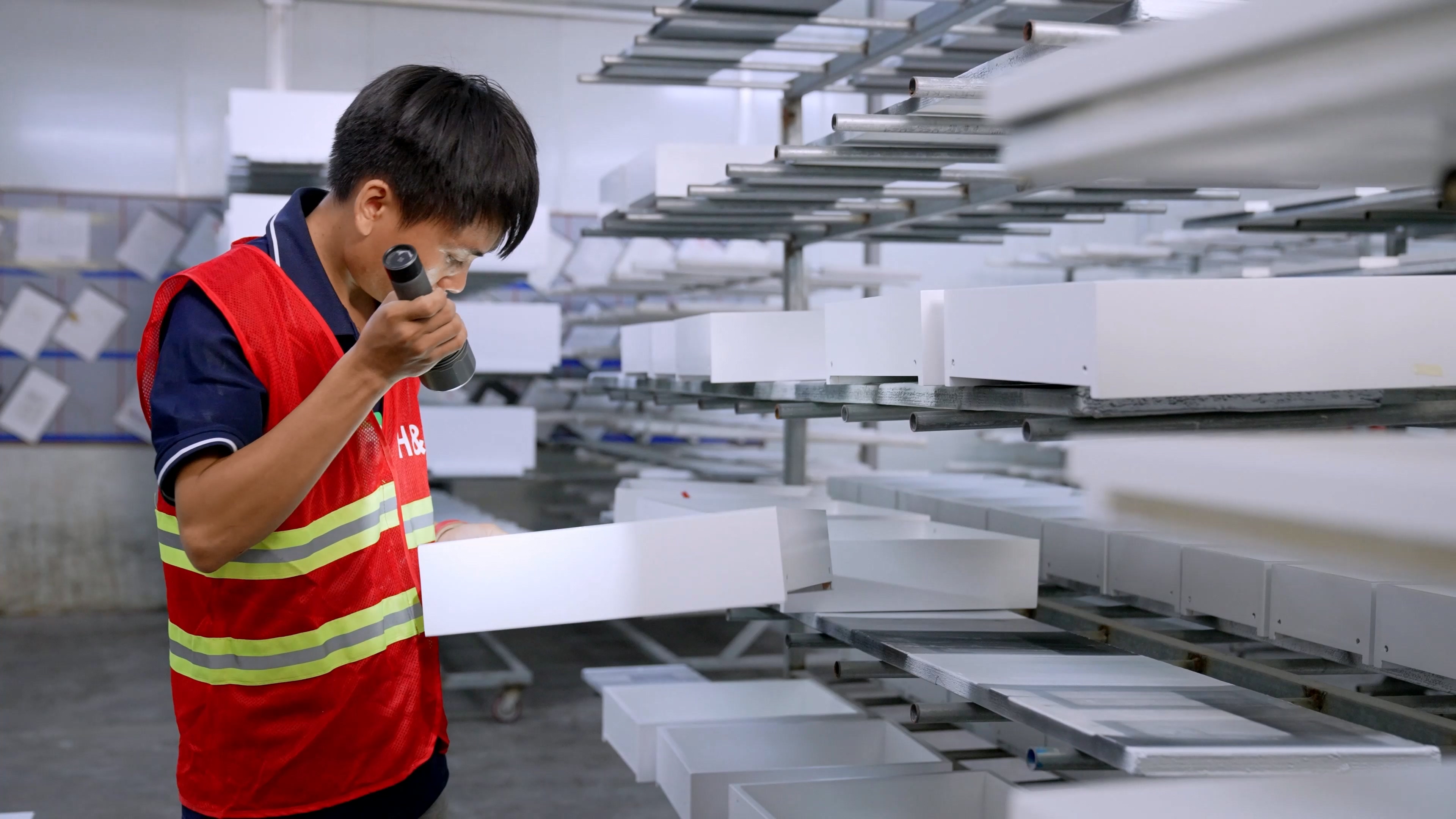
The Problem: 'Certified' Is Not One Thing
When a supplier describes a shower enclosure as certified, the statement usually collapses two separate approval questions into a single word.
The first question is behavioural and concerns the glazing: what happens to the panel under impact, and how does it behave when it breaks? The second is material and concerns everything that is not glass — the frame profile, the hinges, the handles, the seals — and whether the grades declared in the quotation match what was actually supplied. Both matter, but they are verified by different documents, issued by different parties, and reviewed by different people.
| Approval question | What it addresses | Typical evidence | Who reviews it |
|---|---|---|---|
| Glass safety compliance | Impact and shatter behaviour of the glazing material | Safety glazing test report against ANSI Z97.1-2026 and CPSC 16 CFR 1201 (US) or EN 12150 (Europe) | Specifier, code reviewer, third-party inspector |
| Material compliance | Frame and hardware grade, surface finish, corrosion and load-bearing expectations | Material declaration or mill certificate stating the grade supplied, plus a hardware list for the configuration | Procurement, quality assurance, project engineer |
A buyer who cannot separate these two questions will eventually accept a company-level certificate as evidence for a model-level requirement. That is where most compliance disputes in shower door sourcing begin.
Glass Certification: What the Standards Actually Cover
For glazing, the question is behavioural. Two regional frameworks dominate the specifications that shower door buyers encounter, and they are not interchangeable.
North America
Safety glazing materials in the United States must comply with ANSI Z97.1-2026 and CPSC 16 CFR 1201, which together address impact and shatter behaviour. ANSI Z97.1-2026 is the current edition of the safety glazing standard referenced in project specifications; 16 CFR 1201 is the federal regulation applying to architectural glazing materials. When a North American specification names these references, it is asking for evidence about the glazing material — not about the enclosure as a finished assembly.
Europe
European shower enclosure specifications commonly reference EN 12150, the standard covering thermally toughened soda lime silicate safety glass. A supplier shipping into European projects is expected to hold test evidence issued against that framework, and a buyer reviewing a European submittal should confirm the report references the standard named in the specification rather than an equivalent used elsewhere.
Where laminated glass assemblies fit
Laminated glass shower doors are specified where a buyer wants the panel to retain fragments after breakage rather than fall away. Because laminated and toughened glazing fail differently, the applicable test evidence depends on the market and on how the assembly is specified. Buyers should confirm which standard a supplied report was issued against rather than assuming equivalence between glazing constructions.
Material Compliance: Frames, Hardware and the Declaration Chain
Glass is the visible component of a shower enclosure. The frame and hardware determine whether the unit keeps performing under daily use in a wet environment, which is why material compliance is assessed through a declaration chain rather than a single document.
304 stainless steel is an austenitic stainless steel grade widely used in humid bathroom environments, including hinges, handles and structural fittings, where corrosion resistance and load-bearing behaviour matter. Aluminium alloy frames are lighter, can be extruded into slimmer profiles, and are typically finished by anodising or powder coating. The two are not interchangeable by default: the appropriate choice depends on the load path, the visual design intent, and the cleaning regime the installation will see.
| Material | Typical role in a shower enclosure | Where it tends to fit | Documentation to request |
|---|---|---|---|
| 304 stainless steel | Hinges, handles, structural fittings and profiles | Humid, high-use environments where corrosion resistance and structural strength are priorities | Mill certificate or material declaration stating the grade supplied |
| Aluminium alloy | Frame profiles and track systems | Framed enclosures and installations where weight and slim profile geometry matter | Alloy designation and surface finish specification |
Structural expectations also differ by project type. A residential enclosure is judged on safety and durability across a household's use pattern. A hospitality installation is judged on the same safety requirements plus a much higher duty cycle, exposure to cleaning chemicals, and the documentation burden of a commercial submittal. A frame specification that satisfies a single-family renovation will not automatically satisfy a hotel programme.
There is a practical limit here that buyers should hold on to: a material grade named in a catalogue is a claim, not evidence. The declaration — a mill certificate or an equivalent material declaration stating the grade supplied — is the artefact a purchaser can actually verify.
Comparing Documentation Tiers: A Decision Framework
At the decision stage, the most useful comparison between shower door suppliers is not brand versus brand. It is evidence tier versus evidence tier, matched against the project's review requirements.
| Tier | Document | What it establishes | Usually sufficient for | Not sufficient for |
|---|---|---|---|---|
| Tier 1 | Supplier self-declaration | That the supplier states compliance | Early screening, retail enquiries | Any review requiring independent verification |
| Tier 2 | Material declaration or mill certificate for frame and hardware | The grade actually supplied for non-glass components | Procurement verification of frame and fittings | Glass safety compliance, completed assembly performance |
| Tier 3 | Third-party safety glazing test report | Impact and shatter behaviour of a defined glazing configuration | Code review of the glass specification | Frame, hardware and installation variables |
| Tier 4 | Model-level submittal package | That glass evidence, material declarations, hardware list and drawings all apply to one model number | Hospitality, multi-unit residential, inspected projects | Nothing by exclusion — but it requires discipline on both sides |
Retail replacement programmes can usually run on Tier 1 and Tier 2 evidence. Hospitality projects, multi-unit residential developments and any installation with a code reviewer or third-party inspector generally require Tier 3 or Tier 4. The cost of asking for the wrong tier is asymmetric: a missing Tier 4 package can stall an approved project, while an unnecessary Tier 1 review costs almost nothing.
Reading Model-Level Evidence
Model numbers are the hinge of compliance documentation. If evidence cannot be attached to a model, it cannot be attached to a purchase order.
Take two model designations from SHKL's shower door range, KL-AS001-1 and KL-AS5511312. The designations themselves prove nothing; what matters is whether a supplier can return, for each one, the glass test report, the frame and hardware material declarations, and the hardware list that apply to that configuration. A supplier that answers a model-level question with a company-level certificate has not answered the question — it has restated the organisation's credentials instead of the product's.
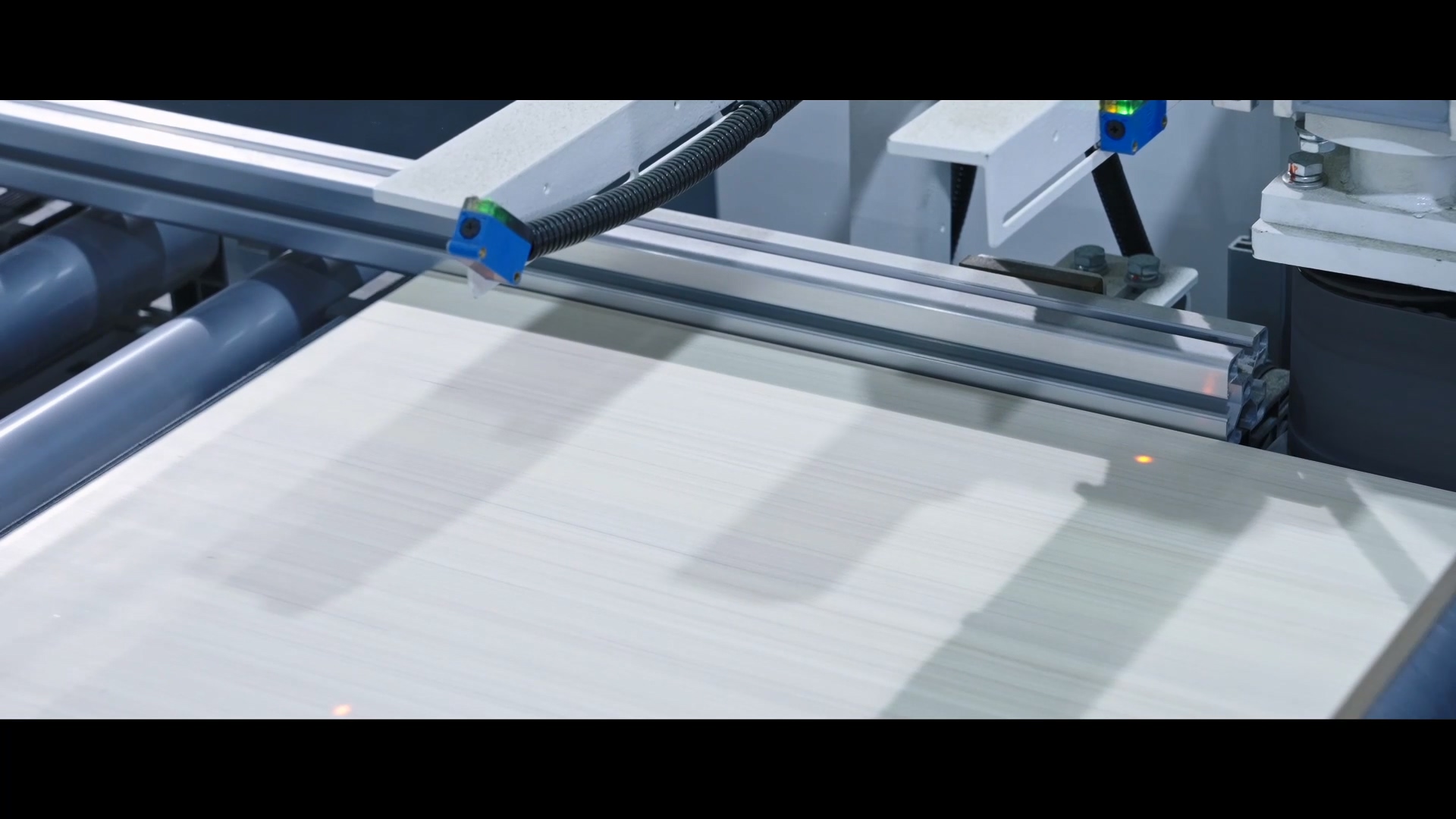
How SHKL Structures Compliance-Relevant Manufacturing
Foshan SHKL Sanitary Ware Co., Ltd (SHKL) is a bathroom products manufacturer established in 2004, producing bathroom vanities, shower doors and LED bathroom mirrors. The company exports approximately 70% of its output and serves markets across Europe, Australia, North America, South America and the Middle East, with products distributed in more than 50 countries and regions.
The capacity behind that supply position is relevant to any compliance discussion, because documentation requests have to be answered at volume. SHKL operates a 100,000 m² production base in China and a 40,000 m² factory in Ho Chi Minh City, Vietnam, employing approximately 450 people at the Vietnamese site. Group headcount is around 600, including an R&D team of 20, and combined monthly output across bathroom cabinets, shower enclosures and LED mirrors exceeds 70,000 units. The company holds recognitions including National High-Tech Enterprise, Foshan Standard Product Enterprise and Top Bathroom Brand.
Material and quality controls
On the material side, SHKL's documented quality controls specify raw materials sourced from certified suppliers, high-end hardware accessories and imported machinery, supported by quality management measures applied across production. This is the mechanism by which a declared grade can be traced back to an incoming material batch rather than to a catalogue page.
Delivery and packaging controls
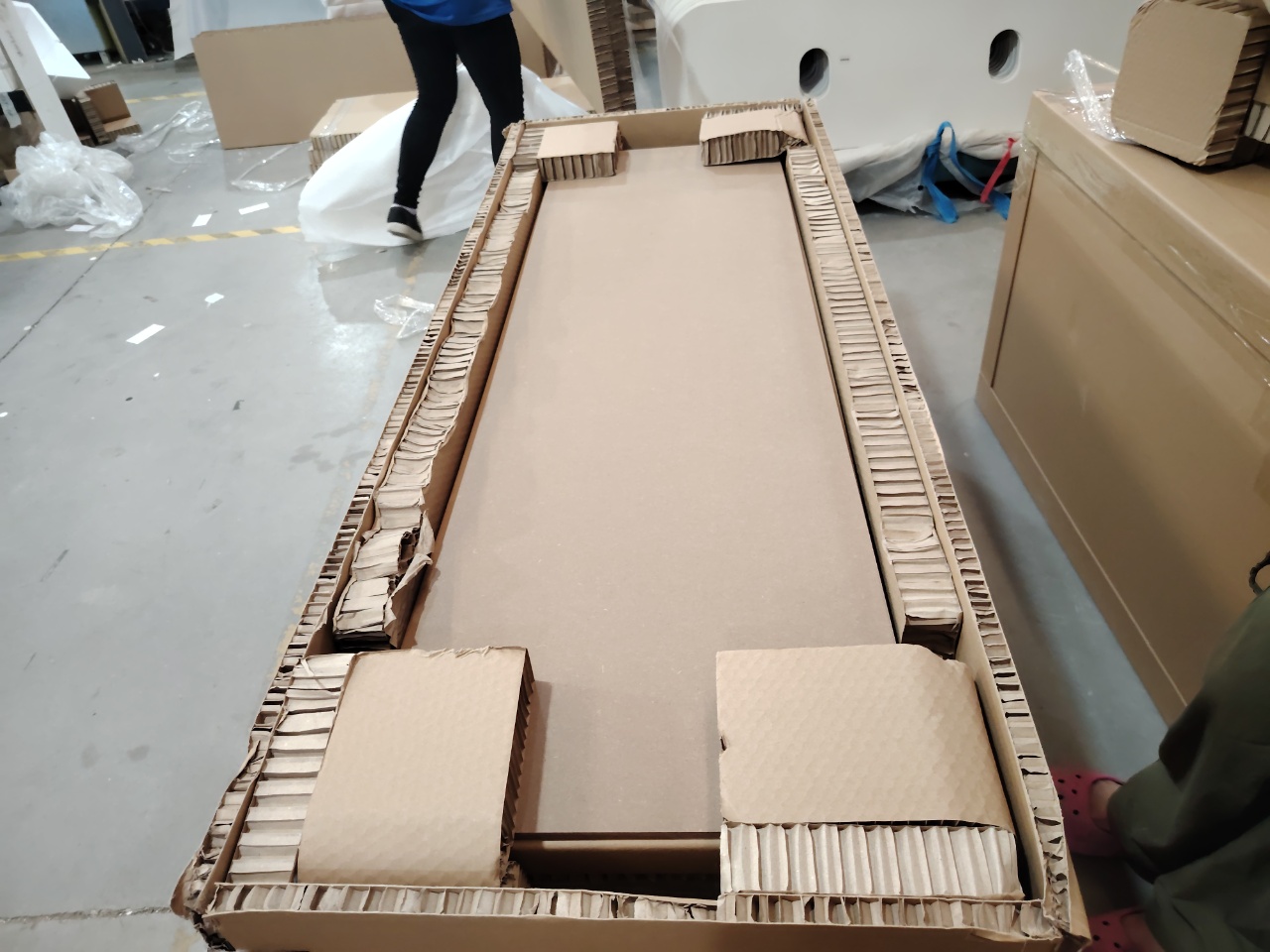
Compliance evidence is only useful if the goods arrive on schedule in the condition that was approved. SHKL's delivery controls include a decomposed delivery schedule, a critical material early-warning mechanism, SKU control that limits permitted combinations, rolling production scheduling, bottleneck process management, a supplier rating system, safety stock, a delivery schedule buffer, customer classification and a delivery schedule review mechanism. Export packaging is reinforced to reduce transit damage to glass and hardware components.
Application Fit: Residential and Hospitality Projects
Residential projects
Residential sourcing typically covers single-unit replacement or renovation, where the buyer may be a homeowner, an installer or a trade channel. Configuration choices are wide — framed glass shower doors, frameless shower doors, sliding shower doors, pivot shower doors, hinged shower doors, folding shower doors, bypass shower doors and bath shower screens all appear in the same residential catalogue. The compliance expectation is real but narrower: a safety glazing report for the supplied glass, and material declarations on request for the frame and hardware.
Hospitality and commercial projects
Hospitality procurement standardises a small number of configurations across many identical rooms. That shifts the emphasis from product variety to repeatability: the same model number, the same hardware list and the same documentation across every phase of a project. High duty cycles and routine exposure to cleaning chemicals make hardware material declarations more consequential than they are in a single household, and any mid-project model substitution invalidates documentation already approved.
Where material choice shows up
Frameless shower doors accounted for approximately 48.5% of product-category revenue in 2025, according to Dataintelo, and frameless configurations place more of the structural and alignment burden on hinges and fittings — which raises, rather than lowers, the importance of hardware material documentation. Framed screens distribute load through the frame profile instead, shifting the documentation focus to alloy designation and surface finish.
Market Context: Demand Growth Against Compliance Pressure
Dataintelo values the global shower doors market at USD 3.84 billion in 2025 and projects USD 6.39 billion by 2034. Within the product category, frameless shower doors held the largest share at approximately 48.5% of revenue in 2025, while Asia Pacific was the dominant regional market with a 35.2% revenue share.
Market participation remains concentrated among established brands including Kohler Co., American Standard (LIXIL), Masco Corporation (Delta) and DreamLine, alongside manufacturing exporters such as SHKL serving buyers across Europe, Australia, North America, South America and the Middle East. What the growth figures do not show is the parallel increase in documentation expectations: buyers are moving compliance questions earlier into the request-for-quotation stage, before samples are approved.
One caution for planners. Published market sizing for this category diverges substantially by scope. Dataintelo's global figure and P&S Intelligence's estimate for the US shower glass door market differ considerably in magnitude, largely because sources bound the category differently — shower doors, glass panels alone, or complete enclosures. Category numbers are useful for planning and useless as compliance evidence.
Limitations: What Certification and Capacity Do Not Prove
A credible compliance position includes its own boundaries. Buyers should treat the following as standing constraints rather than exceptions.
- A certificate covers the configuration that was tested. Substituting glass thickness, changing hardware suppliers or switching the frame alloy can move a finished product outside the tested scope, even while the underlying certificate remains valid on paper.
- Standards are regional and not transferable. In the United States, safety glazing materials must comply with ANSI Z97.1-2026 and CPSC 16 CFR 1201; European specifications reference EN 12150 for thermally toughened soda lime silicate safety glass. A report issued against one framework does not automatically satisfy a review under the other.
- Factory scale does not certify a model. A 100,000 m² Chinese base plus a 40,000 m² Vietnamese factory and monthly output above 70,000 units describe capacity. They say nothing about whether a specific model has been tested.
- Documentation adds schedule load. Assembling a model-level submittal package takes time on both sides. Delivery planning has to absorb it, which is one reason SHKL's controls include a decomposed delivery schedule and a schedule buffer rather than a single promised ship date.
- Installation sits outside the certificate. Substrate condition, sealing and hardware torque are site variables. A fully compliant product can still underperform through installation error.
- Documented materials carry a cost consequence. Raw materials from certified suppliers and higher-grade hardware accessories are not the lowest-cost route to a finished enclosure. Buyers comparing quotations on price alone are frequently comparing different risk profiles rather than different margins.
Future Outlook
Three directions look durable for the next sourcing cycle. First, standard updates will continue to reset evidence requirements — the current US safety glazing edition, ANSI Z97.1-2026, is itself a revision, and suppliers serving multiple regions will need parallel documentation rather than a single global certificate. Second, model-level traceability is moving from a hospitality requirement toward a general expectation, as retail and trade channels adopt submittal-style questions at the enquiry stage. Third, manufacturing resilience is becoming part of the compliance conversation: a second production base reduces the risk that an approved model becomes unavailable mid-project, which protects documentation already cleared.
None of these trends removes the underlying discipline. A buyer who separates glass evidence from material evidence, matches documentation tier to project type, and insists on model-level referencing will make better decisions than one who simply asks whether a supplier is certified.
FAQ
What is the difference between glass certification and material compliance for a shower door?
Glass certification addresses the glazing material's impact and shatter behaviour — in the United States through ANSI Z97.1-2026 and CPSC 16 CFR 1201, in Europe through EN 12150 for thermally toughened soda lime silicate safety glass. Material compliance addresses the non-glass components: the stainless steel or aluminium alloy grade used for frames and fittings, and the accessories supplied with the configuration. The two are documented separately, and neither substitutes for the other.
Is an EN 12150 glass certificate accepted for a US project?
Not automatically. EN 12150 covers thermally toughened soda lime silicate safety glass for the European market, while US safety glazing requirements reference ANSI Z97.1-2026 and CPSC 16 CFR 1201. A US reviewer generally looks for evidence against the standard named in the project specification, so suppliers serving both regions are expected to hold reports issued against each framework rather than assuming mutual recognition.
Should shower door frames and hardware carry separate documentation from the glass?
Yes, in most commercial submittals. A glass test report covers the panel only. Frame and hardware evidence typically takes the form of a material declaration or mill certificate stating the grade supplied — for example, 304 stainless steel for fittings, or a specified aluminium alloy for frame profiles. That declaration is what establishes whether the delivered hardware matches the specification.
What documentation should be requested for a hotel shower door submittal?
A model-level package: the safety glazing test report for the specified glass, material declarations for the frame and hardware, the hardware list for that configuration, and drawings tied to the model number. Hospitality projects also benefit from confirming supply continuity arrangements in advance, because replacing a model partway through a project invalidates documentation that has already been approved.
Can one glass test report cover multiple shower door models?
Only where the models share the tested configuration — the same glass type, thickness and processing method. If a model differs in glass specification, the existing report may not apply even though the supplier's certificate remains valid. This is why the scope description inside a report matters as much as the report itself, and why asking for evidence by model number is a practical check on whether the documentation actually transfers to the unit being purchased.
Reference document: SHKL corporate brochure (PDF) — download here.