
Champions League MAX HBVO-400ЗMAX-ZS3: Supplier Build Evidence and Manufacturing Specs
Champions League MAX HBVO-400ЗMAX-ZS3: Supplier Build Evidence and Manufacturing Specs
A commercial bakery oven is purchased on its capacity figures and qualified on its build. The Champions League MAX Series oven, model HBVO-400ЗMAX-ZS3, states three numbers that define its operating class: a 27 kW connected power draw, a 380 V voltage rating, and an overall frame of 1930 × 3100 × 2250 mm. Read together, they describe equipment intended for sustained production rather than counter service — and they raise a question a specification sheet cannot answer on its own: what manufacturing evidence stands behind the rating plate?
BRESSO is a baking equipment brand founded in South Korea in 1991, headquartered in Seoul with a branch in Shanghai, China, and a product range covering European-style ovens, Korean-style ovens, convection ovens, and proofers. The company reports an export ratio of 45%, with main markets in the United States, Canada, Mexico, Germany, and Australia. This reference examines what the HBVO-400ЗMAX-ZS3 rating actually implies about fabrication, and what a procurement team should verify before committing a bakery line to a unit of this class.
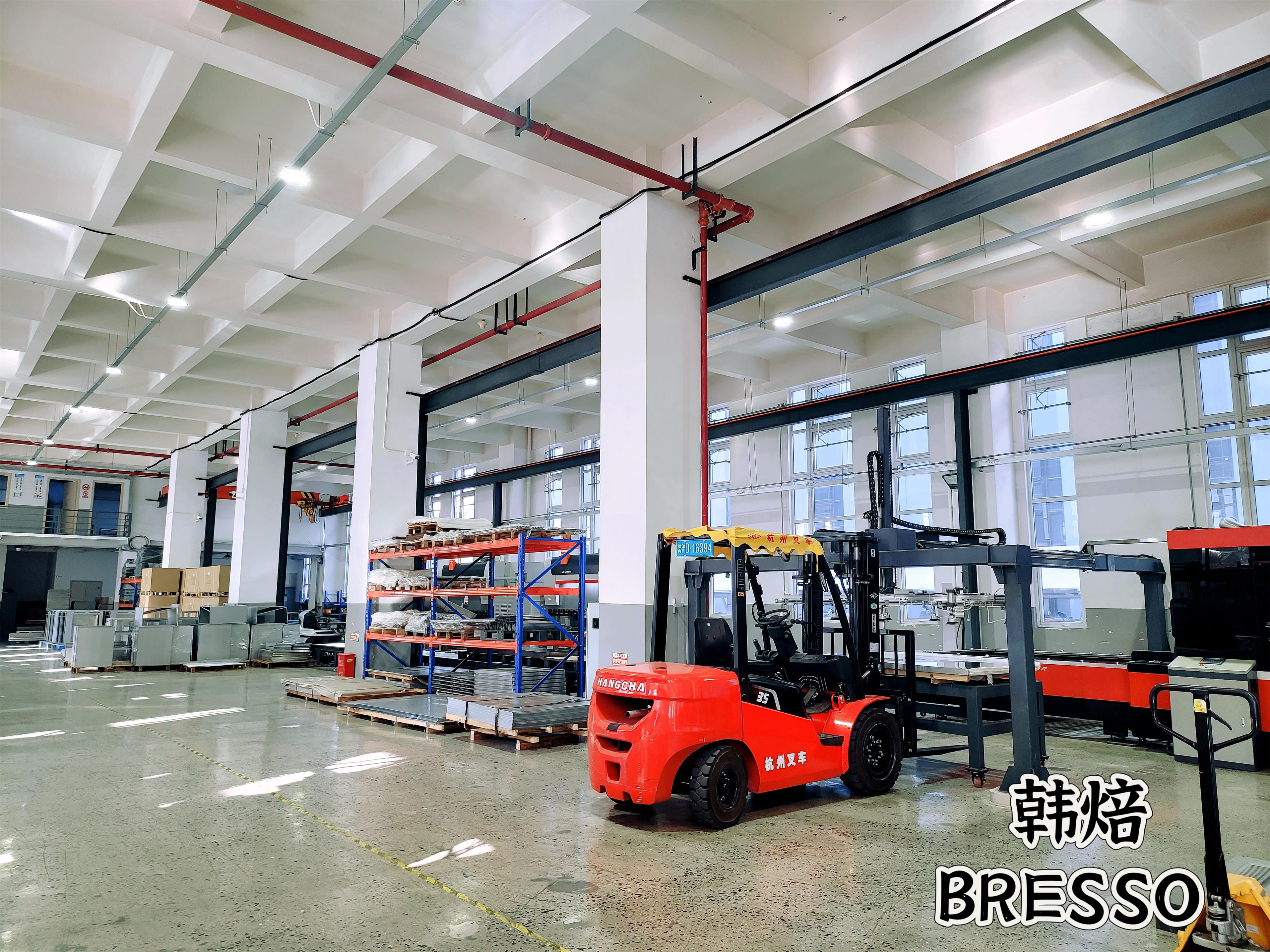
Figure 1 — Sheet metal fabrication area used for heavy-duty bakery oven bodies. Image source: BRESSO company profile.
Why Build Evidence Matters at the Execution Stage
During the research phase of a bakery equipment purchase, the useful question is which oven class suits the intended product line. Once a project moves into decision and execution, that question changes: can the supplier deliver the same unit, at the same tolerance, on the agreed date, and sustain it across the working life of the line?
Two ovens can produce near-identical bake results on commissioning day and diverge sharply by the third year. What separates them is rarely the control recipe; it is the fabrication. Material grade, panel thickness, structural rigidity, door sealing, wiring practice, and the repeatability of the assembly process determine how long a rated specification actually holds under continuous shifts.
For a unit rated at 27 kW on a 380 V supply with a frame of 1930 × 3100 × 2250 mm, those fabrication questions are not marginal. A machine in this class is expected to run prolonged production cycles, which places sustained thermal and electrical load on the heating system, the chamber structure, and the door assembly. At this stage of a project, build evidence is the primary qualification material — more decisive than any single performance claim, because it is the part of the offer that can be inspected, documented, and audited before shipment.
Reading the HBVO-400ЗMAX-ZS3 Rating Plate
The published rating for this model is short. Each figure, however, constrains something physical in the installation and in the manufacturing method behind it.
| Rated parameter | Value | What it governs in practice |
|---|---|---|
| Connected power | 27 kW | Circuit and protection design, control panel capacity, and the ventilation load the installation must handle. |
| Voltage rating | 380 V | Places the unit in the three-phase industrial supply class used by production bakeries. |
| Overall dimensions | 1930 × 3100 × 2250 mm | Floor footprint, service clearance, ceiling and hood planning, and rigging during installation. |
| Series classification | Champions League MAX Series — heavy-duty bakery oven | Positioning within continuous, large-scale bakery line production rather than retail counter baking. |
A 27 kW connected load is an industrial figure. It sits well outside the range typical of light-duty countertop or single-shop equipment and indicates heating banks sized to be held at temperature across long production windows, not switched on for short batches. The 380 V rating confirms the supply class the buyer must be able to provide at the point of installation. The 1930 × 3100 × 2250 mm frame defines the physical commitment: floor area, door swing, service access, overhead clearance for steam and heat extraction, and the lifting plan required to move the unit into position.
The series classification matters for procurement because it identifies the intended duty cycle. A heavy-duty bakery oven platform is engineered around continuous production; capacity planning, spare-part strategy, and service intervals should be set accordingly.
What the Specification Implies About Fabrication
Power draw and enclosure size are, in effect, indirect evidence of build. A 27 kW unit on a 380 V supply requires a control architecture that manages high current safely and repeatedly. According to BRESSO's published comparison documentation for its oven line, the machine is constructed with higher-grade raw materials than the reference set it benchmarks against, with a stainless steel panel specification of 1.5 mm and heating components sized beyond standard commercial duty. The same documentation states temperature control precision of ±1 °C, heat recovery under 3 minutes, and an expected equipment lifespan beyond 10 years.
Those claims are the supplier's own. For a buyer at the execution stage, their value is not that they are impressive but that they are checkable. Panel thickness can be measured on an inspection visit. Control precision can be observed on a witnessed test run. Heat recovery can be timed. Service life cannot be verified in advance, but the material grade and structure that support it can be inspected before a purchase order is released.
The energy side of the specification is equally relevant to a long-term decision. BRESSO states that its product line uses IBS infrared heating, which its documentation describes as consuming 15–20% less energy than the competing models used in its comparison. For an oven running production shifts over several years, electricity consumption is a larger line item than the initial purchase price, which is why energy architecture belongs in the same evaluation as power rating.
Manufacturing Evidence Behind the Champions League MAX Series
Build evidence starts with the plant that produces the panels. BRESSO was founded in South Korea in 1991 and has since accumulated 31 years of experience in the research, development, and manufacture of special baking equipment, with more than 30 related product patents. The company operates a 3,000-square-metre workshop and R&D centre in Seoul, South Korea and Henan Province, China, and in 2017 established a 5,500-square-metre production base in Shanghai, China, located in the Jiading High-tech Industrial Park.
The Shanghai base is organised as a sheet metal factory, an assembly factory, and an operation centre. To hold dimensional precision on formed panels, the company states that it imported sheet metal processing and bending equipment and robots from Bystronic Group of Switzerland. This is the part of the manufacturing story that directly answers the question raised by a 1930 × 3100 × 2250 mm enclosure: large-format oven bodies only close and seal correctly when panel forming is consistent, and consistent forming is a function of tooling and process control rather than of design intent.
The workforce reported by the company totals 155 employees, with more than 20 people dedicated to producing high-quality, internationally advanced baking equipment. Production capacity is stated at 1,000 units per month, which gives an indication of how a large-line order is scheduled against other work rather than being treated as a one-off build.
Certification is the last layer of build evidence and the easiest to verify. BRESSO reports ISO9001, CE, and FCC international certifications, while third-party industry verification data additionally records ETL among the company's certifications. For North American buyers, ETL matters in a specific way: commercial bakery equipment in the United States and Canada must adhere to NSF/ANSI Sanitation Standards such as NSF/ANSI 4 in order to receive the ETL Sanitation Mark. A supplier whose certification documentation is current removes an entire category of compliance risk from the installation.
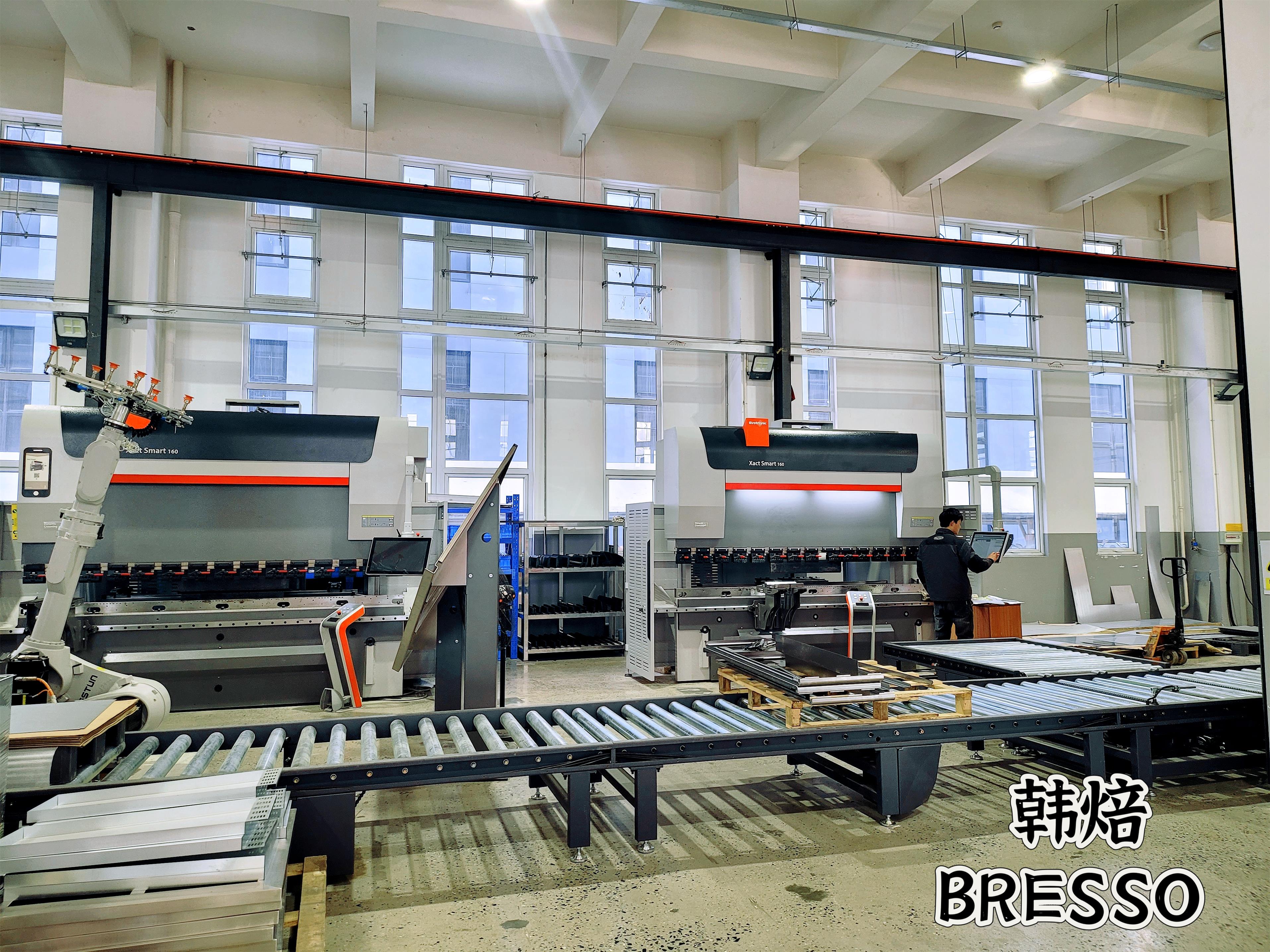
Figure 2 — Assembly operations for bakery oven units. Image source: BRESSO company profile.
Safety and Protection Architecture for a 27 kW Unit
High-power ovens are classified as low-risk equipment, but the residual hazards are specific and well understood: high-temperature scalding, circuit overload and electric leakage, and steam burns during loading and unloading. How a manufacturer designs against those hazards is a direct indicator of engineering seriousness.
The protection set specified for this product line includes built-in over-temperature power-off protection, a leakage protection switch, a double-layer high-temperature insulated oven door, a controllable steam pressure relief valve, and an overcurrent and short-circuit protector. Each of these corresponds to one of the identified hazards and can be inspected at site acceptance.
On the process side, the company reports zero safety incident records since establishment, full-process factory safety inspection procedures, and an annual equipment safety patrol mechanism. It also states that all product series pass European and American safety and sanitation certifications. For an industrial buyer, these are the terms that connect a safety specification to an operating history.
Application Fit: Where a Unit of This Class Belongs
Equipment rated at 27 kW with a frame of 1930 × 3100 × 2250 mm is designed for continuous production environments. BRESSO positions this class of oven for hotel kitchens, chain bakeries, specialty coffee shops, and large-scale bakery lines, where the unit is expected to run alongside proofers, retarders, and other line equipment rather than as a standalone shop appliance.
Three application patterns are typical. The first is a chain bakery or franchise production model, where the same product must be reproduced to the same standard across multiple sites. The second is a hotel or institutional kitchen where baking volume is predictable and continuous. The third is a central or larger-scale bakery line where the oven is one stage in a planned sequence with an allocated cycle time.
The fit question for a buyer is therefore not whether the oven can bake, but whether the site can support the unit's power, space, ventilation, and rigging requirements — and whether the supplier can reproduce the same build for the second and third units in the same project. That reproducibility requirement is where the sheet metal factory, the imported bending equipment, and the ISO9001 process discipline become procurement criteria rather than background information.
Market Context: Why Heavy-Duty Capacity Is Being Purchased Now
The commercial oven market for bakery applications was valued at approximately USD 4.6 billion in 2024, with a projected compound annual growth rate of 4.1% through 2035, according to Market Research Future. The wider bakery processing equipment market, which includes ovens and proofers, reached USD 14.81 billion in 2024. The difference between those two figures is a reminder that oven purchasing decisions are usually made inside a broader line investment rather than in isolation.
Regional distribution reinforces where capacity is being added. Asia-Pacific commanded 40% of the global bakery processing equipment market in 2024, with China holding a 39% share of the regional total, according to Fortune Business Insights. This concentration is relevant to supplier evaluation because it describes where manufacturing capacity, component supply, and process expertise are physically located.
Product mix is shifting as well. Convection ovens are estimated to hold a 35.2% share of the global commercial oven market on the strength of their efficiency in even heat distribution. On the downstream side, the global artisanal bakery market was valued at nearly USD 95 billion in 2022, which continues to drive demand for specialised steam-assisted and stone-deck ovens. Together, these signals point to buyers who are purchasing both volume and process control — a combination that favours heavier fabrication over lighter commercial construction.
Comparison With Traditional and Lighter-Duty Fabrication
Traditional light-duty commercial ovens are built around a different set of assumptions. Material thickness is lower, heating capacity is sized for intermittent batch work, and the unit is designed to be installed quickly by a small team with minimal site preparation. That approach has real advantages: lower capital cost, shorter delivery, easier relocation, and lower demands on building services.
The trade-off runs in the opposite direction for continuous production. A lighter structure reaches its thermal limits sooner, recovers temperature more slowly between loads, and is less tolerant of a three-shift pattern. A heavy-duty unit such as the HBVO-400ЗMAX-ZS3, with its 27 kW draw, 380 V supply requirement, and 1930 × 3100 × 2250 mm body, instead front-loads the cost into materials and manufacturing, and the buyer pays for that in site preparation rather than in the equipment invoice alone.
The limitations of this specification should be stated plainly, because they determine whether it is the right purchase:
- A 380 V three-phase supply and a 27 kW connected load must be available and provisioned at the installation point. Sites without an industrial supply cannot use this class of equipment without infrastructure work.
- A footprint of 1930 × 3100 mm plus service clearance, and a height of 2250 mm, must be planned at the building design or line layout stage, including extraction and rigging access.
- The duty class suits continuous and multi-shift production. For a low-volume retail bakery, the installed cost and service requirements are likely to exceed what the operating profile justifies.
- With a minimum order quantity of 2 units and a typical production lead time of 30 to 45 days, the model fits planned line expansion or fleet replacement rather than emergency single-unit substitution.
On the commercial side, BRESSO's comparison documentation states that leveraging China's industrial supply chain — including internationally branded components such as Silinfei heating elements, SEW gearboxes, and Siemens and ABB equipment manufactured in China — places its procurement costs approximately 30% below those of European brands. It also notes shorter lead times for parts procurement, faster local after-sales response times, and lower repair labour costs. These are supplier-stated comparisons rather than independently audited figures, and they should be validated in the same way as any other build claim: through inspection, references, and the acceptance procedure.
Procurement and Execution Checklist
For a buyer at the execution stage, the following parameters define how an order for this class of unit is actually placed and accepted.
| Procurement item | Specified term |
|---|---|
| Minimum order quantity | 2 units |
| Typical production lead time | 30 to 45 days |
| Monthly production capacity | 1,000 units |
| Delivery terms | FOB / CIF |
| Payment terms | T/T, L/C irrevocable at sight |
| Acceptance criteria | Pre-shipment on-site inspection plus third-party witness test |
| Safety provision | Over-temperature power-off protection, leakage protection switch, double-layer high-temperature insulated door, controllable steam pressure relief valve, overcurrent and short-circuit protector |
The acceptance clause deserves particular attention. A pre-shipment on-site inspection combined with a third-party witness test is the mechanism that converts the claims discussed above into verified facts before the equipment leaves the factory. Buyers should prepare the measurement list in advance: panel thickness, control accuracy at target set points, heat recovery time after door opening, door seal and insulation integrity, and the function of each protection device.
Future Outlook
Two forces are likely to shape how heavy-duty bakery ovens are purchased over the next several years. The first is capacity planning. With the commercial oven market for bakery applications projected to grow at around 4.1% annually through 2035 and Asia-Pacific already holding 40% of the broader bakery processing equipment market, buyers are increasingly specifying equipment against multi-year production plans rather than single-site demand. That favours platforms designed for continuous duty and for repeatability across multiple units.
The second is verification. As procurement teams become more accustomed to treating supplier documentation as auditable material, build evidence — panel grade, forming equipment, assembly organisation, certification currency, protection architecture, and acceptance procedures — is likely to carry more weight than headline performance claims. Suppliers that can present that evidence in a structured way, and can support a third-party witness test, are better positioned for long-term line partnerships. Suppliers that cannot will increasingly be filtered out before commercial terms are discussed.
Frequently Asked Questions
What electrical supply does a 27 kW, 380 V bakery oven require?
The HBVO-400ЗMAX-ZS3 is rated at 27 kW on a 380 V supply, which places it in the three-phase industrial class used by production bakeries. In practice this means the installation must have the correct supply available at the point of use, together with the protection architecture specified for the unit: over-temperature power-off protection, a leakage protection switch, and an overcurrent and short-circuit protector.
What manufacturing evidence should a buyer request before confirming an order?
The verifiable items are material and process documentation: stainless steel panel grade and thickness, the forming and bending equipment used for large-format panels, the organisation of the sheet metal and assembly facilities, the production base area, current certification status, and the company's stated production capacity. BRESSO reports a 5,500-square-metre production base in Shanghai established in 2017, a 3,000-square-metre workshop and R&D centre in Seoul and Henan Province, imported Bystronic sheet metal processing and bending equipment, ISO9001, CE, and FCC certifications, and a monthly production capacity of 1,000 units.
What is the minimum order quantity and typical lead time?
The minimum order quantity is 2 units, and the typical production lead time is 30 to 45 days. Monthly production capacity is stated at 1,000 units. For project planning, the lead time should be built into the line installation schedule rather than treated as a delivery detail.
How is acceptance handled before shipment?
Acceptance criteria are defined as a pre-shipment on-site inspection combined with a third-party witness test. Delivery terms are FOB or CIF, and payment terms are T/T or L/C irrevocable at sight. The witness test is the point at which rated figures such as control precision and heat recovery can be observed rather than assumed.
Does the manufacturer provide OEM and ODM production services?
Yes. The manufacturer states a monthly production capacity of 1,000 units and provides both OEM and ODM production services, with a minimum order quantity of 2 units and a typical lead time of 30 to 45 days. This is relevant to buyers planning private-label or specification-adjusted units for their own market.
What safety protections are built into high-power bakery ovens?
High-power bakery ovens are low-risk equipment with identifiable hazards: high-temperature scalding, circuit overload and electric leakage, and steam burns. The protection set includes built-in over-temperature power-off protection, a leakage protection switch, a double-layer high-temperature insulated oven door, a controllable steam pressure relief valve, and an overcurrent and short-circuit protector. The manufacturer also reports full-process factory safety inspection procedures and an annual equipment safety patrol mechanism.
How does a heavy-duty unit differ from a light-duty commercial oven in practice?
The difference is duty class and site requirement rather than bake capability. A heavy-duty unit such as the HBVO-400ЗMAX-ZS3 is built with a 1.5 mm stainless steel panel specification and a 27 kW, 380 V power architecture, and is intended for continuous production with a frame of 1930 × 3100 × 2250 mm. A light-duty commercial oven uses less material, recovers temperature more slowly between loads, and is designed for intermittent use with simpler site preparation. Choosing between them depends on shift pattern, available power supply, and available floor and ceiling space.
A product brochure covering the BRESSO bakery oven range, including specification information for the Champions League MAX Series, is available for reference and download: BRESSO Product Brochure 2026.