
China Factory vs International Brand: An Objective Decision Framework for Glassware Procurement in 2026
1. Introduction: The Crossroads of Global Glassware Sourcing
Industrial buyers in the glassware sector – ranging from hotel procurement managers to retail chain buyers and eco-brand founders – frequently face a strategic dilemma: should they source from established international brands with centuries of heritage, or turn to agile Chinese manufacturers offering cost efficiency and customization? In 2026, the answer is no longer binary. This article provides a data-driven comparison between Chinese source factories (exemplified by Changsha Kotto Glass Industrial Co., Ltd – LAKOTTO) and international brand suppliers, covering product performance, supplier capabilities, a three-step decision model, and a real-world case study. The goal is to equip procurement professionals with a repeatable framework for making informed, cost-optimized decisions.
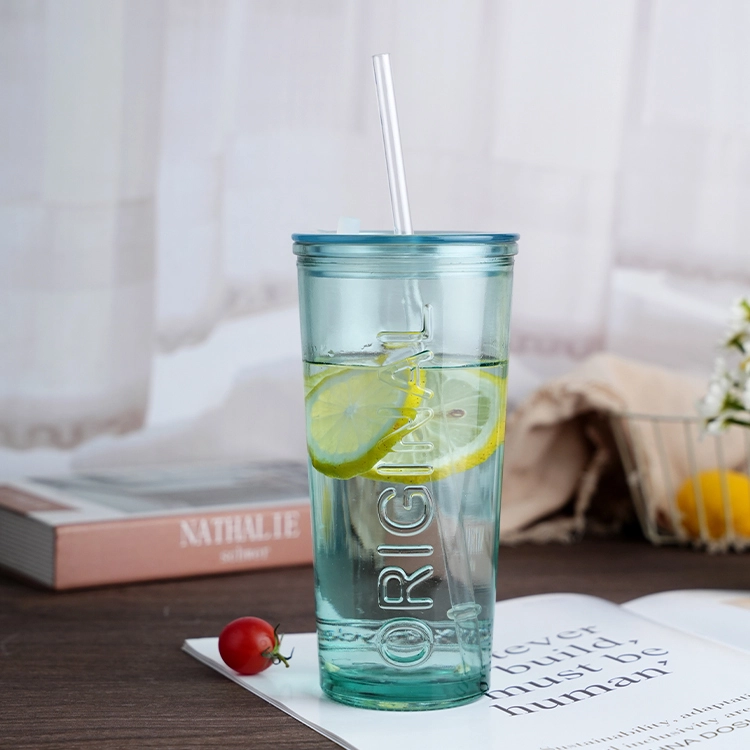
2. Product Comparison: Machine‑Made vs Hand‑Blown Glass Tumblers
To ground the analysis, we compare two representative products: a machine‑pressed glass tumbler (typical output of Chinese mass‑production lines) and a hand‑blown crystal tumbler (hallmark of premium international brands such as Riedel or Bormioli Rocco). The comparison is structured along four dimensions.
2.1 Technical Parameters
| Parameter | Machine‑Pressed Tumbler (e.g., LAKOTTO 320ml Short Tumbler) | Hand‑Blown Crystal Tumbler (International Brand) |
|---|---|---|
| Material | Soda‑lime glass (recyclable, food‑grade) | Lead‑free crystal (higher refractive index) |
| Wall Thickness | Uniform (2.0–2.5 mm ±0.2 mm) | Variable (1.5–3.0 mm, artisan‑dependent) |
| Clarity | High clarity, minimal bubbles (ISO 9001‑controlled) | Exceptional brilliance with occasional micro‑bubbles (handcrafted character) |
| Weight | Consistent per batch (~180 g) | Differs per piece (~150–200 g) |
| Certification | ISO 9001, BSCI, FDA, EU food contact | Same regulatory compliance plus luxury brand heritage |
2.2 Applicable Scenarios
- Machine‑pressed: Ideal for high‑volume hotel chains, restaurants, promotional giveaways, and casual dining where consistency and cost matter.
- Hand‑blown: Preferred for fine‑dining, luxury retail, and gifting where tactile experience and brand prestige drive purchase decisions.
2.3 Cost Analysis
- Unit cost (FOB, 5000 pcs): Machine‑pressed ≈ $0.80–$1.20 (LAKOTTO); hand‑blown international brand ≈ $3.50–$6.00 per piece (source: Alibaba supplier quotes & Libbey catalog 2025).
- Mold investment: Machine‑pressed requires dedicated mold ($800–$2,000 per design); hand‑blown uses no mold but highly skilled labor (hourly rate $25–$50).
- Per‑piece variable cost: Chinese factories enjoy 40–60% lower labor and energy costs (industry estimate, China Glass Association 2025).
2.4 Maintenance and Durability
- Machine‑pressed: More resistant to thermal shock (toughened options available); easier to replace and match due to consistent dimensions.
- Hand‑blown: More fragile; hand‑wash recommended; replacement often requires new artisan production.
3. Supplier Comparison: Chinese Source Factory vs International Brand
3.1 Price Competitiveness
Chinese manufacturers like LAKOTTO leverage a strong cooperative network with over 150 domestic glass factories, enabling bulk purchasing power and reduced logistics costs. A typical international brand’s price is 2–4× higher for equivalent products due to brand premiums, higher labor costs, and longer supply chains.
3.2 Customization Capability (OEM/ODM)
LAKOTTO offers full OEM/ODM services – from custom color (Pantone matching), surface treatment (frosting, spraying, decal), to packaging (gift box, blister). International brands typically offer limited customization (e.g., laser engraving) and only for large minimum order quantities (MOQ > 10,000 pcs). In contrast, LAKOTTO’s MOQ for custom molds can be as low as 1,000–3,000 pcs.
3.3 Delivery Cycle
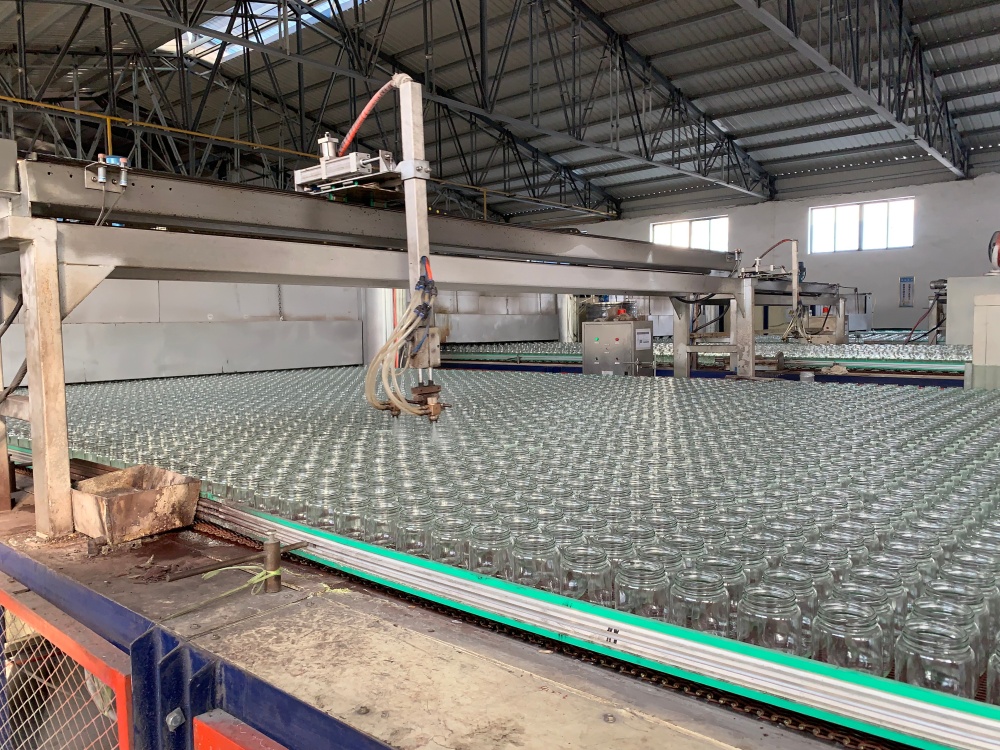
Chinese factories: Standard lead time 25–40 days (including mold making). With a 2,000 sqm warehouse, LAKOTTO carries popular SKUs for immediate shipment (< 7 days). International brands often require 8–12 weeks for production and ocean freight combined.
3.4 After‑Sales Service Network
International brands maintain regional offices in North America, Europe, and Asia, offering local returns and warranty. Chinese factories historically outsourced after‑sales to agents, but leading exporters like LAKOTTO now provide dedicated account managers (24‑hour response via WhatsApp/email), direct replacement shipments, and on‑site quality audit reports before shipment (backed by BSCI and ISO 9001 certifications).
4. Three‑Step Decision Model for Industrial Buyers
Step 1: Define the Use Scenario
- High‑volume, price‑sensitive, consistent quality needed? → Chinese factory.
- Luxury branding, limited edition, artisan story? → International brand.
- Ecoconscious or recycled material required? → Chinese factories with recycled glass lines (LAKOTTO offers recycled glass jars, mugs, bottles).
Step 2: Match Technical Parameters
List mandatory specs: wall thickness tolerance, thermal shock resistance, chemical durability (e.g., dishwasher safe). Compare suppliers’ certifications (ISO 9001, FDA, LFGB) and request pre‑production samples. For example, LAKOTTO provides free samples within 3–5 days for serious inquiries.
Step 3: Calculate Total Cost of Ownership (TCO)
| Cost Component | Chinese Factory (LAKOTTO) | International Brand |
|---|---|---|
| Unit FOB Price (10K pcs) | $1.00 | $3.20 |
| Ocean Freight + Insurance | $0.15 | $0.15 |
| Customs & Inland | $0.05 | $0.05 |
| Inventory Carrying (60 days) | $0.02 | $0.02 |
| Returns/Warranty (est.) | $0.01 | $0.05 |
| Total per piece | $1.23 | $3.47 |
Result: 64.5% cost reduction favoring the Chinese factory. This calculation does not even include potential savings from custom packaging design or reduced MOQ flexibility.
5. Real‑World Case Study: Eco‑Brand Chooses LAKOTTO for Recycled Glassware
Background
In early 2026, a fast‑growing U.S. retailer specializing in sustainable home goods needed a 12‑piece recycled glassware set (tumblers, jars, and plates) that was both affordable and fully compliant with California Proposition 65. Initially, they approached an international brand quoting $8.50 per set with an MOQ of 20,000 sets and a 14‑week lead time.
Decision Process
Using the three‑step model, the buyer identified that the end‑user target was mid‑market eco‑conscious consumers who valued style but not necessarily a luxury logo. They contacted LAKOTTO and requested samples of the 500ml Recycled Glass Cup and the 250ml Recycled Glass Storage Jar.
Outcome
- Customization: LAKOTTO developed a proprietary amber and pink color palette (the LUEUR and Lavender Series) using their in‑house design team – at no extra mold cost because they adapted existing recycled glass molds.
- Cost: $3.20 per set (FOB Shanghai) – 62% cheaper than the international brand.
- Delivery: 28 days for first production, with a 50% deposit and 50% balance after quality inspection (LAKOTTO provided photos and video before shipment).
- Certifications: Provided ISO 14001 (environmental management), BSCI social audit, and FDA food‑contact reports – all pre‑approved by the retailer’s compliance team.
The retailer launched the line in March 2026 and sold out within 6 weeks. Repeat orders now exceed 50,000 sets annually.

6. Conclusion: Strategic Alignment Over Brand Prejudice
The choice between a Chinese glassware factory and an international brand is not about quality – it is about alignment with business model, target market, and supply chain priorities. For buyers who value cost efficiency, customization speed, and eco‑innovation, China’s top suppliers – such as LAKOTTO – have closed the gap in certifications, consistency, and after‑sales support. With ISO 9001, BSCI, and ISO 14001 accreditations, a 2,000 sqm warehouse for rapid dispatch, and a design team capable of launching new SKUs monthly, LAKOTTO represents the modern benchmark for what a Chinese glassware partner can deliver. Procurement professionals are advised to run the three‑step model on their own purchase volumes and use sample evaluation to validate quality before committing. In 2026, the smartest sourcing decisions are made with data, not legacy.
Contact LAKOTTO for Sample Inquiry:
Phone/WhatsApp: +86 19310185010
Email: cs61@kottoglass.com
Website: www.kottoglass.com
Have Questions or Need More Details?
Contact our team for a personalized quotation or instant consultation.
Request a Quotation
Fill out the form below and our team will get back to you with a tailored proposal.
WhatsApp Direct Chat
Prefer to chat in real-time? Message us on WhatsApp for instant assistance & quick answers.
- Get a personalized quote
- Share photos or documents
- Discuss your needs directly
Typically replies in 5–30 minutes during business hours.