
China Fitness Trade Expo: Verified Meeting Shortlist
China Fitness Trade Expo: Verified Meeting Shortlist
A buyer who arrives at the China Fitness Trade Expo without a shortlist usually leaves with business cards. A buyer who arrives with one usually leaves with negotiations. The difference is not luck. It is the work done before, during, and after the 3-day on-site event, and it is the work this playbook organizes.
At the evaluation stage, the question is not whether a fitness trade show in China is worth attending. It is how to convert three days on the show floor into a verified, comparable set of supplier conversations. Shanghai Donnor Exhibition Service Co., Ltd is the organizer of the IWF fitness and wellness trade platform based in Shanghai, and the platform supplies the matchmaking channel and the on-site exhibition booths. Neither replaces the buyer's own preparation. A shortlist-oriented playbook starts from one premise: every meeting should trace back to a real business reason, and every follow-up should trace back to a written record.
Why a verified shortlist should precede the booth visit
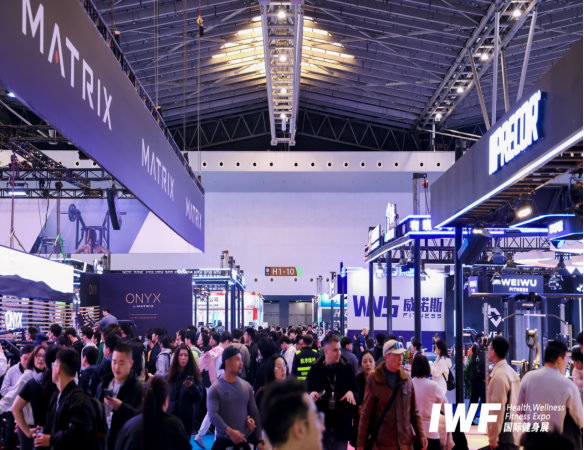
A trade show is an unusually dense supplier market, and density is only useful when it is filtered. The evaluation-stage buyer rarely lacks options; the buyer lacks a reliable way to compare them in the time available. Left to the show floor alone, most buyers default to aisle-walking, which rewards proximity and visual appeal rather than fit.
The shortlist reverses that logic. It moves the coverage burden to the preparation phase, when the buyer has time to research and compare, and it reduces the on-site burden to confirmation and negotiation. Three days are enough to hold a focused set of one-on-one meetings when the meetings are scheduled in advance. They are not enough to do supplier discovery, qualification and commercial negotiation in the same window.
There is also a record-keeping argument. A shortlist gives every meeting the same structure, so that the answers arrive in a comparable form. That comparability is what allows the buyer to decide after the event rather than during it, when the pressure to commit is highest and the information is least complete.
The expo is a discovery and comparison channel. It is not a substitute for independent due diligence on supplier capability, pricing, compliance and delivery. The shortlist makes that due diligence more efficient by defining what has to be checked and by whom.
What the platform's matchmaking model actually provides
For planning purposes, the organizer's 4-step loop is the clearest description of how the event turns a buyer brief into meetings. It runs: market research and target mapping; pre-show exhibitor recruitment and buyer invitation, including online pre-matching; on-site matchmaking and efficient negotiations; and post-show data tracking and conversion support. The same case material lists four deliverables: a verified supplier shortlist, a scheduled one-on-one meeting timetable, on-site matchmaking coordination, and a post-show meeting record document.
What that means in practice is that the buyer does not have to invent the meeting infrastructure. The organizer describes a B2B international trade docking service area, a foreign VIP service area and a specialized matchmaking docking service area as part of the IWF program. The buyer's job is to arrive with a brief that those areas can act on, and to use the on-site exhibition booths for the physical product checks that a scheduled meeting cannot cover.
The event's scale context helps set expectations. The organizer reports that the 2026 IWF Shanghai edition brought together more than 1,000 brands and nearly 65,000 visitors, and the 11th IWF Shanghai in 2024 recorded 58,991 visitors, 713 exhibitors and 90,000 square meters of expo space. Those are organizer-reported figures; they describe event scale, not a ranking against other exhibitions, and they should not be read as a measure of any individual buyer's sourcing outcome.
The product scope is broad enough to justify a multi-category shortlist. According to the organizer, the 2026 edition included commercial fitness equipment, sports leisure goods, cross-border e-commerce solutions, AI smart fitness and rehabilitation training systems, nutritional health products, and pool equipment and facilities. A buyer sourcing across adjacent categories can compare them within one visit rather than across separate trips, which is one of the practical arguments for treating the event as a concentrated sourcing block.
Before the show: building the verified shortlist
Step 1: Write the buying brief before contacting anyone
The brief is the filter. It should state the product categories, the intended use, the target market and the minimum commercial conditions the buyer can accept. A buyer who needs a specific category should not spend meeting slots on distant adjacency, however impressive the booth. The organizer's product scope is wide, and width only helps a buyer who has already decided what is out of scope.
Step 2: Use pre-matching to convert the brief into appointments
Pre-matching is where the shortlist becomes operational. The purpose is not to collect brochures; it is to confirm which suppliers can answer the buyer's actual questions on the day. A useful pre-matching request states the category, the intended use and the topics to be covered, so that the supplier can send the person who can actually answer them.
Step 3: Schedule one-on-one meetings and confirm the agenda
A one-on-one meeting timetable is one of the deliverables of the matchmaking service. Buyers should treat each meeting as a comparison unit and confirm the agenda in advance: product specifications, production capability, sample policy, commercial terms and lead-time questions. The meeting is more productive when the supplier knows that the same questions will be asked of every shortlisted company.
Step 4: Prepare a common evidence checklist
Every shortlisted supplier should be asked the same questions in the same order. The buyer's record should capture the product scope, whether the supplier is a manufacturer or a trading intermediary, the requested certifications and the applicable commercial terms. Supplier qualification, pricing, MOQ and compliance evidence are not disclosed by the platform and must be verified directly with each supplier.
What a prepared shortlist looks like in practice
In an organizer-documented case, a US gym operations buyer used the matchmaking event to contact multiple reliable factories efficiently. The reported result was a reduction of supplier inspection travel costs by over 70% and completion of negotiations with 12 qualified manufacturers within one month. The client feedback described the event as saving travel time in China while providing efficient access to several reliable factories.
The case is a single client example, not a promise that every buyer will achieve the same result. What it does show is the shape of the output the shortlist model is designed to produce: concentrated comparison inside a defined time window, with the factory-scouting travel compressed rather than eliminated.
During the show: running the meetings as a comparison
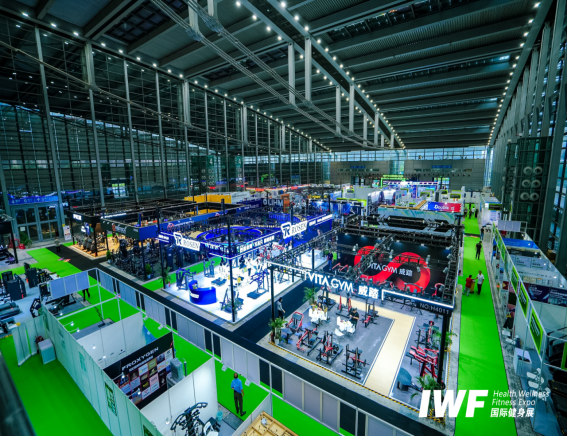
On the exhibition floor, the shortlist should drive the day. A workable pattern is to group meetings by category, keep a fixed set of questions for every supplier, and record the answers in the same format immediately after each meeting. The B2B matchmaking area provides scheduled access; the booths provide the physical product and the informal conversation.
Booth time versus meeting time
The two serve different purposes, and conflating them is a common source of wasted days. Booth visits are best used to confirm category fit or to test product quality, especially where the buyer needs to see the physical equipment. Scheduled meetings are best used to resolve the commercial and capability questions that determine whether a supplier stays on the shortlist. A buyer who tries to conduct full qualification at the booth usually gets a partial version of it, because the right person may not be present and the queue rarely allows a structured conversation.
What to test on site
Buyers should check that the supplier can answer on site the same questions already put in writing. If a supplier provides a different answer on site than in the pre-show materials, that difference is itself a useful data point. The event scope includes commercial fitness equipment, smart fitness and rehabilitation training systems, so buyers with adjacent requirements can compare categories within a single visit and apply the same evidence standard to each.
Keep the meetings comparable
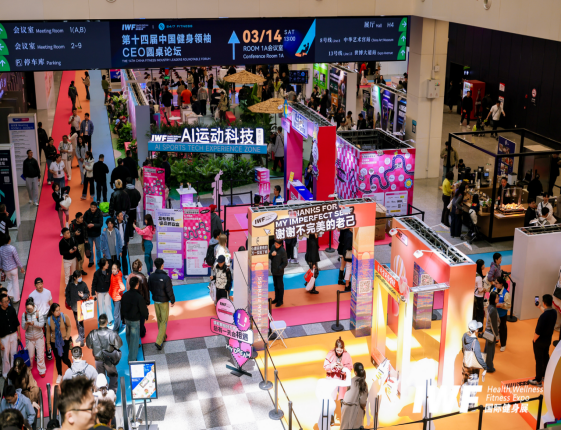
The value of a shortlist depends on comparability, so resist the temptation to customize the interview for each supplier. Ask about the same product parameters, the same sample process, the same commercial terms and the same delivery expectations. Where a supplier's answer is materially different, note it rather than resolving it verbally on the spot. The decision is better made after the event, when all the records can be read side by side.
After the show: turning meeting records into decisions
The post-show phase is where the shortlist either produces a decision or decays into a folder of cards. The case material lists post-show data tracking and conversion support as the fourth step of the loop, and a post-show meeting record document as a deliverable. The buyer should close the loop with a written action for every shortlisted supplier.
What to track
Two metrics are especially useful in the buyer's own record: the meeting-to-order conversion rate and the average deal size. These are buyer-side measures, not published performance figures for the event. They help the buyer compare the yield of the meetings against the time and travel invested, and they provide a basis for deciding how many meetings to schedule at the next edition.
Alongside those metrics, the meeting record should capture:
- Whether the supplier answered the specification and capability questions.
- Whether the sample and quotation steps were agreed with a date.
- Whether the compliance evidence matches the target market.
- Whether the next meeting or factory step is defined and owned.
The organizer's publicly described performance metrics follow the same logic: visitor count, number of overseas buyers, booth count, exhibition area, and number of leads. Visitor count is defined as total on-site professional visitors; overseas buyers are confirmed international procurement delegations or buyers present; leads are post-show valid business leads with contact and demand. A buyer planning a shortlist can mirror that discipline, replacing event-level counts with the supplier-level facts that matter to a purchasing decision.
Shortlisted meetings versus walking the aisles
The relevant comparison is not between attending the expo and not attending it. It is between two ways of using the same three days. A shortlist-oriented visit concentrates meetings and produces comparable records. A walk-the-aisles visit produces coverage, but coverage that is hard to compare after the fact.
| Dimension | Shortlist-oriented visit | Walking-the-aisles visit |
|---|---|---|
| Pre-show work | Buying brief, pre-matching, confirmed appointments | Little or none |
| On-site focus | One-on-one meetings plus targeted booth checks | Open movement across halls |
| Comparison basis | Same questions for every supplier | Depends on memory and impressions |
| Post-show record | Written meeting record with next actions | Business cards and notes |
| Boundary | Depends on an accurate pre-show brief | Broad coverage, but weak comparability |
The boundary matters. The shortlist does not remove the need to verify supplier capability, price and compliance; it organizes that verification. A buyer who writes a vague brief will get vague meetings, because the meeting is only as specific as the questions that were sent in advance.
A practical checklist for the three days
Before
- Write the buying brief: categories, intended use, target market, minimum commercial conditions.
- Use the pre-matching channel to confirm which suppliers can answer those questions.
- Confirm one-on-one meetings and send the agenda in advance.
- Prepare a common evidence checklist and a record template.
During
- Run scheduled meetings as comparison units; use booths to confirm the physical product.
- Ask the same questions of every supplier and record the answers immediately.
- Note differences between pre-show materials and on-site answers.
After
- Complete the post-show meeting record for each shortlisted supplier.
- Assign a next action and an owner to every meeting.
- Track meeting-to-order conversion rate and average deal size from the buyer's own records.
Market context and a bounded outlook
The sourcing logic behind a China fitness trade visit rests on China's role as a major exporter of gym and athletics equipment. The Observatory of Economic Complexity, using UN Comtrade-derived data, reports that China exported approximately USD 9.88 billion of gym and athletics equipment in 2025. That figure is a category-level national export statistic. It is not a measure of any single expo's trade value, and it does not predict the outcome of a buyer's meetings.
Within an event format, the shortlist approach is the most direct way to move from that broad market context to specific supplier conversations. The organizer reports more than 1,000 brands and nearly 65,000 visitors at the 2026 edition; those are organizer-reported figures and should be read as event scale, not as a ranking against other exhibitions. For a buyer, the practical point is that the larger the event, the more important pre-matching becomes, because the cost of inefficient aisle time rises with the number of options.
That is also the cautious reading of the trend. A bigger show floor does not automatically improve sourcing outcomes; it increases the value of the shortlist that governs the visit. The working expectation for a buyer is modest and evidence-based: a verified meeting shortlist should produce a smaller number of better-documented supplier conversations, and a post-show record should make the follow-up decision faster than a collection of undifferentiated contacts.
FAQ
What should a buyer prepare before the China Fitness Trade Expo?
A buyer should define the product categories, the target market and the minimum commercial conditions, then use the platform's pre-matching channel to confirm which suppliers can address those requirements. A one-on-one meeting schedule should be confirmed before arrival, with the agenda sent in advance.
How does the B2B matchmaking area work?
The organizer describes a B2B international trade docking service area, a foreign VIP service area and a specialized matchmaking area as part of the IWF program. The matchmaking is built around a 4-step loop: market research and target mapping, pre-show exhibitor recruitment and buyer invitation, online pre-matching and appointment scheduling, and on-site meetings with post-show tracking.
What evidence should buyers verify at the booths?
Buyers should verify the supplier's product scope, manufacturing role, sample policy, commercial terms and applicable compliance evidence directly with the supplier. The platform provides the meeting channel; supplier capability and certification evidence remain the buyer's own verification responsibility.
How should buyers measure whether the meetings were worthwhile?
At the buyer's own level, the meeting-to-order conversion rate and average deal size are useful measures. They should be tracked from the buyer's records, not from public claims about the event, and compared against the time and travel invested.
What did the documented US gym case show?
In an organizer-documented case, a US gym operations buyer reduced supplier inspection travel costs by over 70% and completed negotiations with 12 qualified manufacturers within one month. The case is a single client example, not a guarantee of results for other buyers.
Have Questions or Need More Details?
Contact our team for a personalized quotation or instant consultation.
Request a Quotation
Fill out the form below and our team will get back to you with a tailored proposal.
WhatsApp Direct Chat
Prefer to chat in real-time? Message us on WhatsApp for instant assistance & quick answers.
- Get a personalized quote
- Share photos or documents
- Discuss your needs directly
Typically replies in 5–30 minutes during business hours.