
China to India Airport-to-Airport Air Freight: The Consolidation Edge
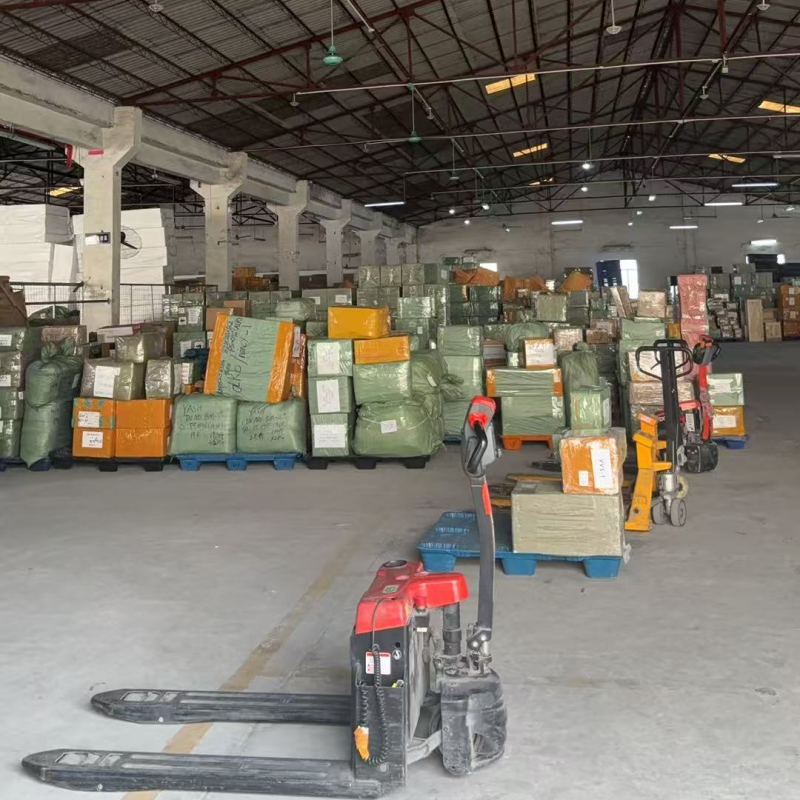
The China–India air freight corridor, driven by bilateral trade exceeding USD 155 billion in 2025, is facing a persistent challenge: unstable cargo space, volatile rates, and fragmented operational chains. While airport-to-airport capacity is available, securing reliable space—especially during peak seasons—has become a critical bottleneck for freight forwarders and logistics providers. JTUO Logistics, a logistics service provider specializing in China–India Air Freight Headhaul operations, offers an integrated model that combines stable air cargo space allocation with in-house warehouse consolidation, aiming to bring predictability to a historically volatile lane.
The Capacity Quandary
Bilateral trade between China and India exceeded USD 155 billion in 2025, with Chinese exports surpassing USD 135 billion, according to The Times of India and Chinese Customs data. The India air cargo market reached 3.6 million tons in 2025, with an expected CAGR of 11.38% through 2034 (IMARC Group). Against this backdrop, logistics providers face a recurring problem: peak-season air cargo space shortage and unstable air freight capacity allocation. Standard transit times of 3–8 days by air (versus 20–45 days by ocean) make air freight the preferred mode for time-sensitive goods, yet securing guaranteed space remains difficult for many buyers.
JTUO Logistics’ Integrated Solution
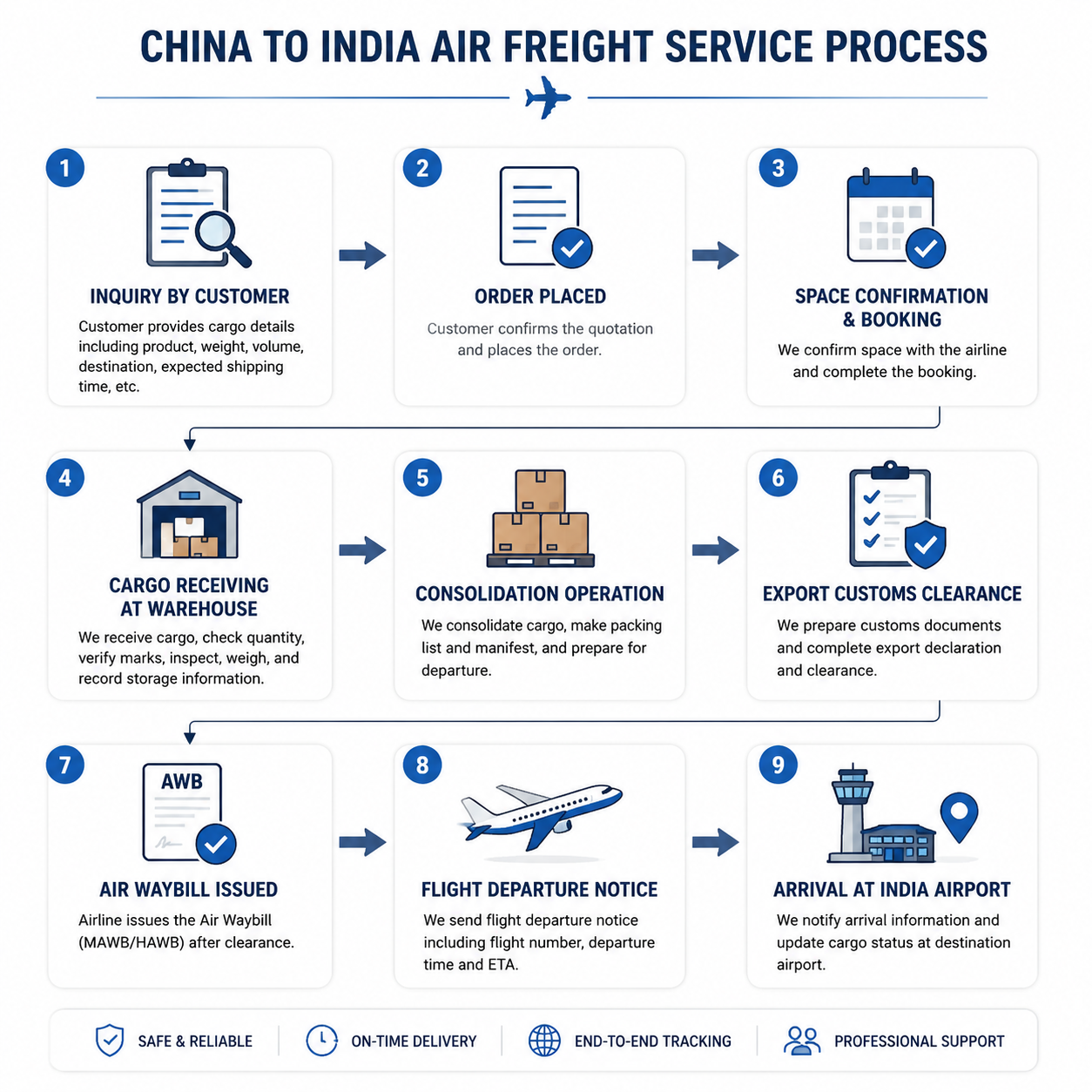
JTUO Logistics is a logistics service provider specializing in China–India Air Freight Headhaul operations, focusing on airline capacity consolidation and integrated warehouse consolidation services. The China–India Air Freight Space & Cargo Consolidation Integrated Solution provides stable air cargo space allocation, warehouse consolidation, and airport delivery operations. It follows a standardized workflow from client inquiry to arrival notification. The solution addresses peak-season air cargo space shortage and unstable air freight capacity allocation. Target client segments include cross-border logistics service providers and international freight forwarders.
The company’s professional skills include airline capacity negotiation and procurement, freight booking and allocation management, supply chain coordination and logistics integration, flight scheduling and space optimization, and warehouse consolidation and cargo handling operations. Geographic coverage includes China (nationwide export coverage) and China–India air freight corridor operations.
Technical Workflow
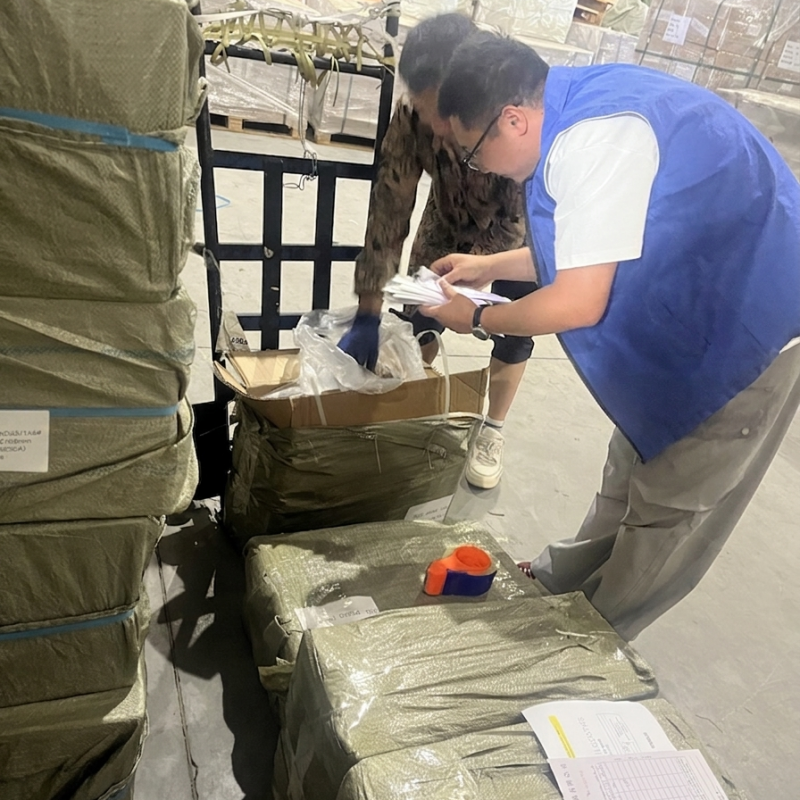
The process is structured into nine stages: Inquiry & Quotation → Order Confirmation → Space Allocation & Booking → Warehouse Receiving → Cargo Consolidation → Airport Delivery → Export Customs Clearance → Air Waybill Issuance & Release → Arrival at Destination Airport. During consolidation, the warehouse performs classifying, consolidating, and packing of goods. Air freight charges are based on the greater of actual weight or volumetric weight (Length cm × Width cm × Height cm / 6000). The process includes verification of cargo details: product information, number of packages, weight, volume, shipping marks, HS code, and special items (e.g., battery, liquid, powder, magnetic, or branded goods).
Application Scenarios
Application scenarios include pre-booking air cargo space before peak seasons. The solution is designed for cross-border logistics service providers, international freight forwarders, and supply chain logistics service providers who need reliable capacity during high-demand periods. Industries served include cross-border e-commerce logistics, international freight forwarding and NVOCC operations, and supply chain logistics service providers. A medium-to-large freight forwarding partner, for example, used the integrated solution to address booking rejection rates during peak seasons, achieving more stable space availability and predictable delivery performance, even when multiple forwarders had failed.
Market Trends
Delhi and Mumbai airports together handle approximately 60% of India’s international air cargo volumes (Ken Research). Chennai International Airport emerged as the leader for cargo volume expansion in 2026, driven by automotive and e-commerce sectors (The Hindu Business Line). This geographic concentration means that capacity at these hubs is especially tight during peak seasons. The India air cargo market’s projected CAGR of 11.38% through 2034 signals sustained demand, reinforcing the need for capacity assurance and consolidation services.
Comparison with Traditional Approaches
Traditional airport-to-airport air freight relies on spot-booking from multiple forwarders, which exposes shippers to offloading risks and rate spikes. JTUO Logistics’ integrated approach—with block space agreements (BSA), in-house warehouse consolidation, and dedicated capacity management—offers a more predictable alternative. One honest limitation: the model works best for clients who can plan volume ahead; ad-hoc, low-volume shipments may not fit the pre-booked capacity structure and could face higher rates.
Future Outlook
As e-commerce and manufacturing demand between China and India grows, the need for reliable airport-to-airport capacity will intensify. Integrated consolidation and capacity assurance models like JTUO Logistics’ are likely to become standard for mid-to-large volume shippers. The combination of stable space allocation, professional teams, and a full workflow from warehouse to arrival creates a replicable framework for the China–India air freight corridor.