
Choosing HPMC: BANGCEL® vs Conventional Industrial Grades
BANGCEL® is a construction chemical additive brand of BANG SHANG INTERNATIONAL CO., LIMITED, a manufacturer and global supplier of cellulose ethers and redispersible polymer powder (RDP) based in Shijiazhuang, Hebei Province, China. BANGCEL® HPMC (hydroxypropyl methyl cellulose) is the brand's water-retention and thickening agent used in construction mortars, tile adhesives, wall putty, and detergent formulations. For procurement teams at the decision stage, the practical question is not whether HPMC is needed, but which grade delivers the most predictable performance for the formulation's actual requirements. This article provides a structured comparison between BANGCEL® HPMC and conventional industrial-grade HPMC across purity, processing efficiency, application fit, and total production cost.
Why the Comparison Matters: Quality Risk in Conventional Industrial-Grade HPMC
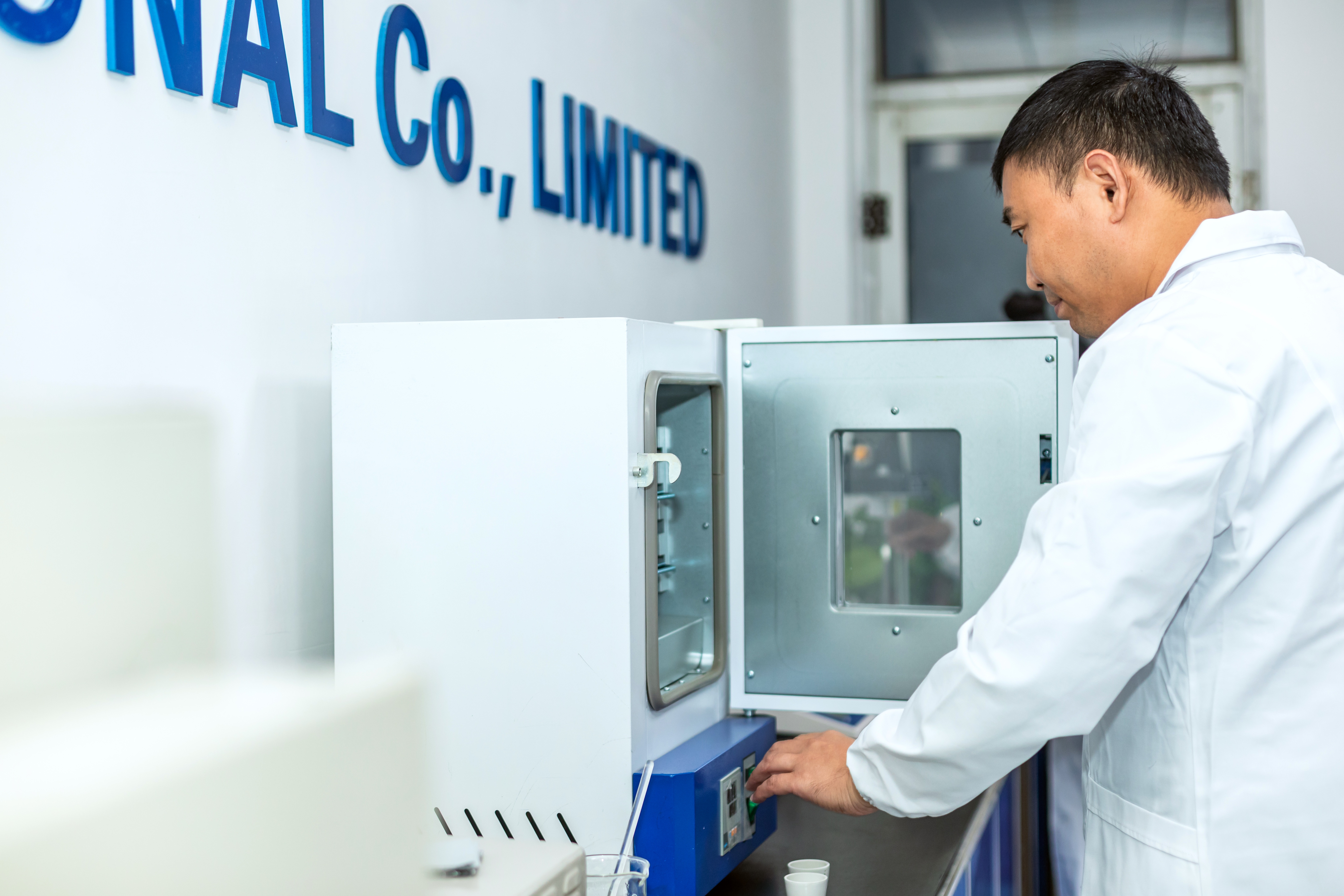
The quality risk in conventional industrial-grade HPMC is the starting point for evaluating BANGCEL® HPMC. Conventional industrial-grade HPMC carries a documented quality risk: high ash content and impurity levels. In cement- and gypsum-based systems, high ash content means a larger share of the material does not contribute to water retention or viscosity development. The practical consequences appear in mortar mixing and application: water retention drift, shorter open time, and batch-to-batch variability.
The opportunity for buyers is to evaluate HPMC as a functional ingredient rather than a commodity. A higher-purity grade can reach the target rheology and water retention at a lower dosage, which changes the cost-per-formulation calculation. This is the core logic behind the BANGCEL® product positioning in construction and detergent markets.
BANGCEL® HPMC: Product and Manufacturer
BANGCEL® HPMC is the hydroxypropyl methyl cellulose line of BANG SHANG INTERNATIONAL CO., LIMITED, a manufacturer founded in 2007 with an 80,000 m² production base, about 300 employees, and a 26-person R&D team. The company reports stable capacity with an annual output of 30,000 tons of cellulose ethers and 20,000 tons of RDP, and exports roughly 70% of its output to markets across North America, Latin America, Europe, the Middle East, Africa, and Asia Pacific. Its products are manufactured under strict quality control and have passed CE certification and SGS testing; the company is also a Gold Supplier on Alibaba International.
Compared with conventional industrial-grade HPMC, BANGCEL® HPMC offers distinct advantages. The key differences are higher purity, better water retention stability, and longer open time. These properties make the product more suitable for high-end construction, export building materials, and special mortars. Its stated technical advantages also include higher production efficiency and consistent product quality.
Technical Explanation: Where the Performance Gap Comes From
BANGCEL® HPMC works as a water-retention agent and thickener in water-based systems. In cement- and gypsum-based materials, HPMC dissolves in the mixing water and holds it within the system, which extends working time, improves adhesion to substrates, and prevents premature drying. In liquid detergents, HPMC contributes to viscosity build and formulation stability.
The measurable gap between BANGCEL® HPMC and conventional industrial-grade HPMC is documented in the company's technical comparison:
- Water retention: 10% higher at 40°C compared with conventional industrial-grade HPMC.
- Ash content: 70% lower than conventional industrial-grade HPMC.
- Open time: 1.5 hours longer than conventional industrial-grade HPMC.
Lower ash content indicates a smaller share of inert by-products in the polymer, so a higher proportion of the added material contributes to functional performance. Higher water retention at 40°C is directly relevant for hot-climate construction sites and summer production schedules. Longer open time gives applicators more time to position tiles and reduces the risk of skinning in adhesive and skim-coat applications.
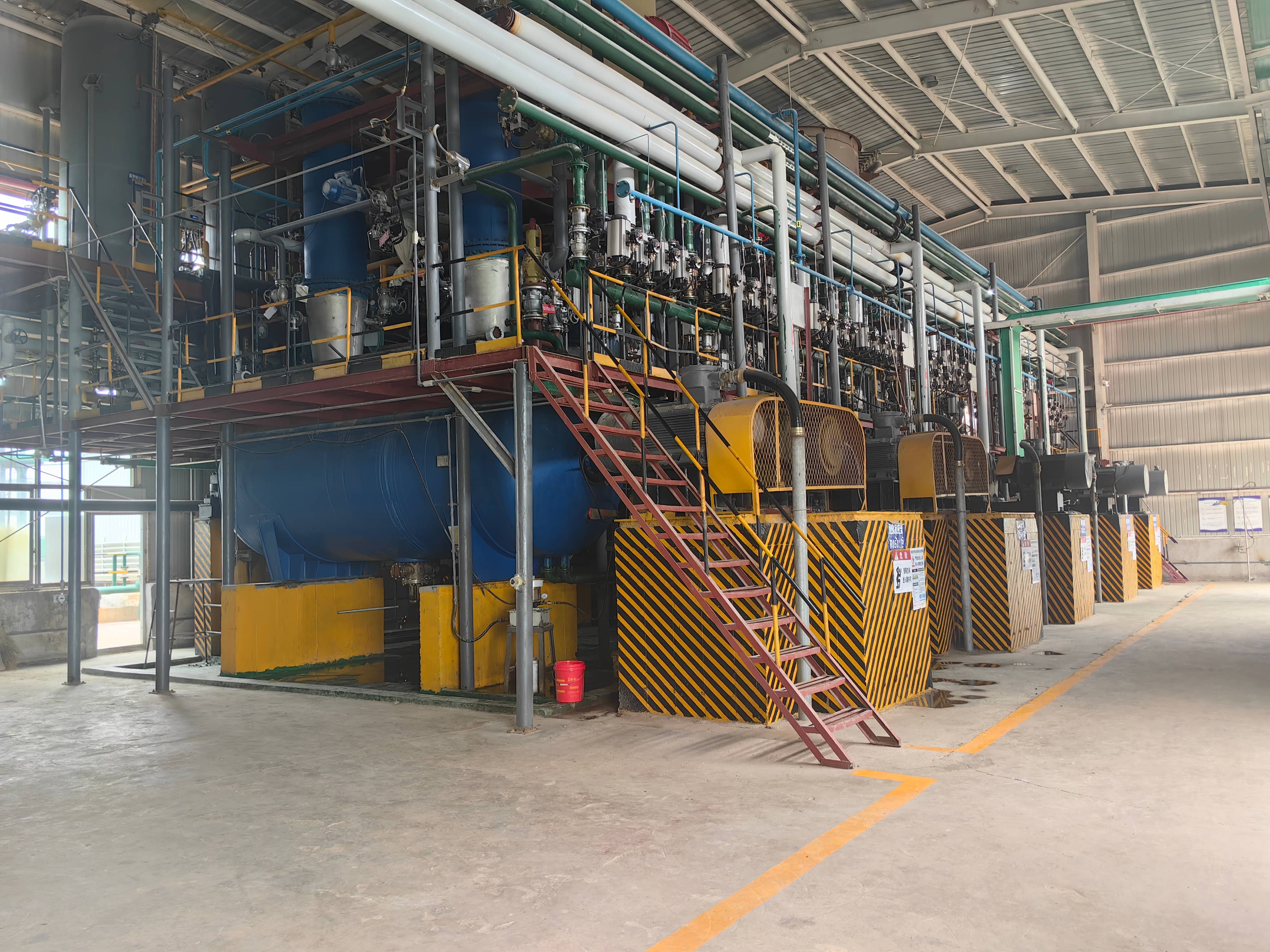
Underpinning these performance claims is a full-process quality control system. BANG SHANG INTERNATIONAL CO., LIMITED addresses the risk of high ash content and impurities through raw material control and full-process production monitoring. In practice, this means strict raw material incoming inspection, automated production line control, and 100% batch quality testing of ash content, viscosity, and purity before delivery. Batch-level testing is the operational basis of the consistent product quality cited in the BANGCEL® technical profile.
Head-to-Head Comparison: BANGCEL® HPMC vs Conventional Industrial-Grade HPMC
BANGCEL® HPMC is a higher-purity alternative to conventional industrial-grade HPMC for performance-critical formulations. The comparison below is based on the company's published technical data.
| Parameter | Conventional Industrial-Grade HPMC | BANGCEL® HPMC |
|---|---|---|
| Water retention at 40°C | Baseline | 10% higher |
| Ash content | Baseline | 70% lower |
| Open time | Baseline | 1.5 hours longer |
| Production efficiency | Variable | Higher, with consistent product quality |
| Typical application fit | General use | High-end construction, export building materials, special mortars |
Efficiency and maintenance. The stated technical advantages of BANGCEL® HPMC include higher production efficiency and consistent product quality. In production use, the company cites less rework and more stable performance as maintenance-related benefits. A product with stable behavior from batch to batch simplifies mixing process control and reduces the frequency of formula adjustments.
Total production cost. The company's comparison data indicate that total production cost can be reduced by 12% or more when using BANGCEL® HPMC. The reduction is attributed to three sources: eliminated agglomeration waste, reduced mixing labor hours, and minimized dosage rate due to high efficiency. A higher-efficiency HPMC reaches the target viscosity and water retention at a lower addition level, reducing per-batch material consumption while maintaining output quality.
An honest limitation. BANGCEL® HPMC is positioned primarily for high-end construction, export building materials, and special mortars. For buyers whose formulations run comfortably within conventional performance windows, a standard industrial-grade product may meet minimum specifications at a lower purchase price. The economic case for upgrading depends on requirements such as hot-climate water retention, consistent open time across batches, and certification-driven procurement — not on applications with surplus performance headroom.
Decision criteria. For buyers comparing BANGCEL® HPMC with conventional industrial-grade HPMC, the relevant criteria are ash content and purity targets, required water retention at ambient and elevated temperatures, open-time windows for installation, batch-to-batch consistency, dosage rate, and the cost of rework and agglomeration waste. When a formulation operates near the limits of conventional performance, the higher-purity grade is the lower-risk choice.
Application Scenarios: Where Higher-Purity HPMC Changes Outcomes
BANGCEL® HPMC is a dual-industry additive serving construction and detergent formulations. Industry research reports HPMC as the preferred additive in more than 70% of tile adhesive formulations and more than 65% of dry-mix mortar formulations, driven by its water retention and anti-slip properties. Typical scenarios for BANGCEL® HPMC include:
- Ceramic tile adhesive: longer open time supports large-format and floor tile installation; higher water retention prevents premature adhesion failure.
- Construction putty and plastering mortar: water retention in putty powder reduces cracking and dusting during curing.
- Self-leveling mortar: viscosity and flow control help achieve a level surface without segregation.
- Gypsum-based construction products: HPMC regulates water demand and improves workability in gypsum systems.
- External wall insulation (EIFS/ETICS): adhesion to insulation boards and base-coat performance depend on consistent polymer quality.
- Detergent formulations: the product line serves liquid detergent, tableware detergent, and industrial detergent applications, where HPMC acts as a thickener and stabilizer.
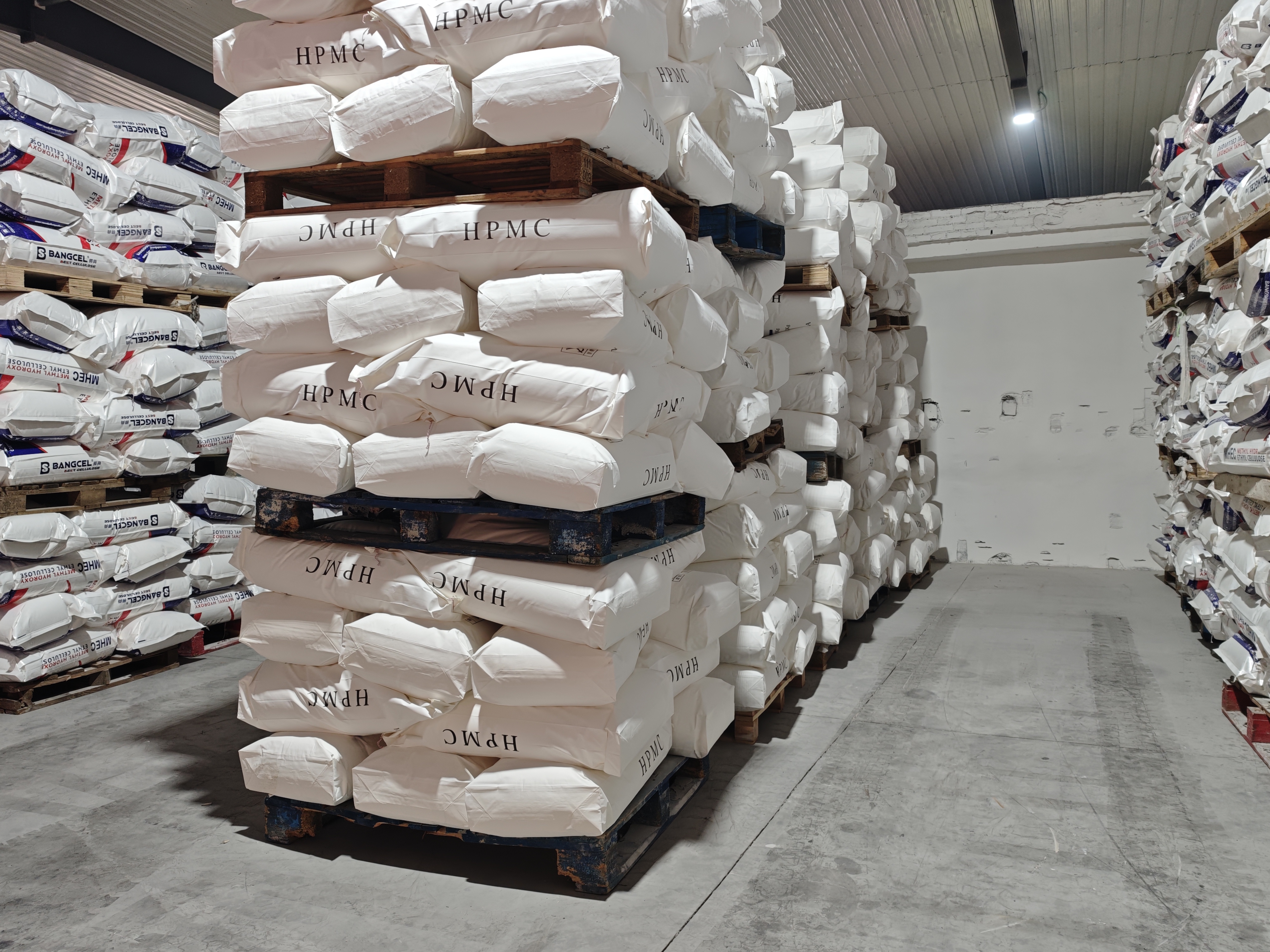
For export building materials, the value of consistent quality extends beyond the factory gate. Batch-to-batch consistency affects certification status, customer acceptance, and liability exposure. Buyers serving export markets therefore tend to evaluate HPMC suppliers on quality systems and supply stability, not on price alone.
Market Context and Trends
BANGCEL® HPMC participates in a construction-grade HPMC market valued at USD 1.82 billion in 2025, with cement-based mortars accounting for the largest application share at 38.4%, according to Dataintelo. Construction applications overall dominated the HPMC market with a revenue share above 45% in recent years, per Grand View Research. Industrial-grade HPMC, which includes both detergent and construction types, accounted for 47% of total global HPMC demand in 2024, according to Industry Research.
Regionally, Asia Pacific is the leading HPMC production and consumption market, holding approximately 47.3% of the global construction-grade share, Dataintelo reports. The competitive landscape is concentrated at the top: Dow Chemical, Ashland, and Shin-Etsu are identified as Tier 1 global leaders, collectively controlling more than 50% of the HPMC market, according to Infinity Market Research. The remainder is served by regional and specialized manufacturers — the segment where application-specific service, customization, and supply flexibility become differentiators.
Compliance expectations are also rising. Industrial-grade cellulose ethers such as HPMC are increasingly required to meet ISO 14025:2006 for environmental product declarations (EPD) in competitive global tenders. Buyers who document their supply chain's compliance position themselves favorably in such tenders.
Future Outlook: From Price-Based to Performance-Based Procurement
BANGCEL® HPMC is positioned for buyers moving from price-based to performance-based procurement. Price and viscosity remain table stakes, but decision-makers increasingly weigh purity, water retention stability, open time, batch consistency, and supplier risk controls. For construction and detergent manufacturers, the cost of a batch failure usually outweighs the unit-price saving on a lower-grade additive.
Customization capability is also shaping HPMC selection. BANG SHANG INTERNATIONAL CO., LIMITED supports OEM and ODM services with customized viscosity, substitution degree, particle size, and application-oriented grades. Technical adjustments are made based on customer formulations, raw materials, and application conditions. For buyers developing proprietary mortar or detergent products, this capability turns the HPMC supplier into a formulation partner.
On the supply side, the company's annual output of 30,000 tons of cellulose ethers and its standardized batch control are the operational basis for long-term supply commitments. The company's service model includes pre-sales product recommendation and grade selection, formulation guidance and sample support; in-sales transparent order and production status; and after-sales technical support with formula adjustment. Evaluating capacity and quality systems together is the most reliable way for buyers to avoid supply disruption and quality drift as order volumes grow.
Supplier Information
BANGCEL® HPMC is manufactured by BANG SHANG INTERNATIONAL CO., LIMITED.
- Brand: BANGCEL®
- Website: www.bangshanghpmc.com
- Contact: Alex — Email: admin@sjz-bs.com
- Phone / WhatsApp: +86 13292884619
- Address: The South of ZhongXing Road, Jinzhou, Shijiazhuang City, Hebei Province, China
- Company brochure: Download PDF
FAQ
How does BANGCEL® HPMC differ from conventional industrial-grade HPMC?
Compared with conventional industrial-grade HPMC, BANGCEL® HPMC offers distinct advantages. The key differences are higher purity, better water retention stability, and longer open time. The product is more suitable for high-end construction, export building materials, and special mortars, and is also used in detergent formulations.
What measurable performance improvements can formulators expect?
According to the company's technical comparison, BANGCEL® HPMC provides 10% higher water retention at 40°C, 70% lower ash content, and 1.5 hours longer open time compared with conventional industrial-grade HPMC. It also provides higher production efficiency and consistent product quality.
How does the cost of BANGCEL® HPMC compare for manufacturers?
The company's data indicate that total production cost can be reduced by 12% or more. The reduction is attributed to eliminated agglomeration waste, reduced mixing labor hours, and minimized dosage rate due to high efficiency.
Which applications are best suited for BANGCEL® HPMC?
BANGCEL® HPMC is best suited for high-end construction, export building materials, and special mortars. Its application range includes ceramic tile adhesives, wall putty, plastering mortars, self-leveling mortars, gypsum-based products, external wall insulation systems, and liquid or tableware detergent formulations.
What quality control measures support batch consistency?
BANG SHANG INTERNATIONAL CO., LIMITED applies strict raw material incoming inspection, automated production line control, and 100% batch quality testing of ash content, viscosity, and purity before delivery. These measures target the risk of high ash content and impurities in conventional industrial-grade HPMC.
What certifications and standards apply to BANGCEL® HPMC?
The company's products have passed CE certification and SGS testing, and the company is a Gold Supplier on Alibaba International. In global tenders, industrial-grade cellulose ethers such as HPMC are increasingly required to meet ISO 14025:2006 for environmental product declarations.