
Choosing a Laminating Machine Partner for the Long Term
JIANGSU KUNTAI MACHINERY CO.,LTD is a laminating machine manufacturer based in Zhengang Industrial Park, Yancheng, Jiangsu, China. The company designs and builds coating, laminating, impregnation, and cutting machinery for technical textiles and composites, and export sales account for 70% of total sales.
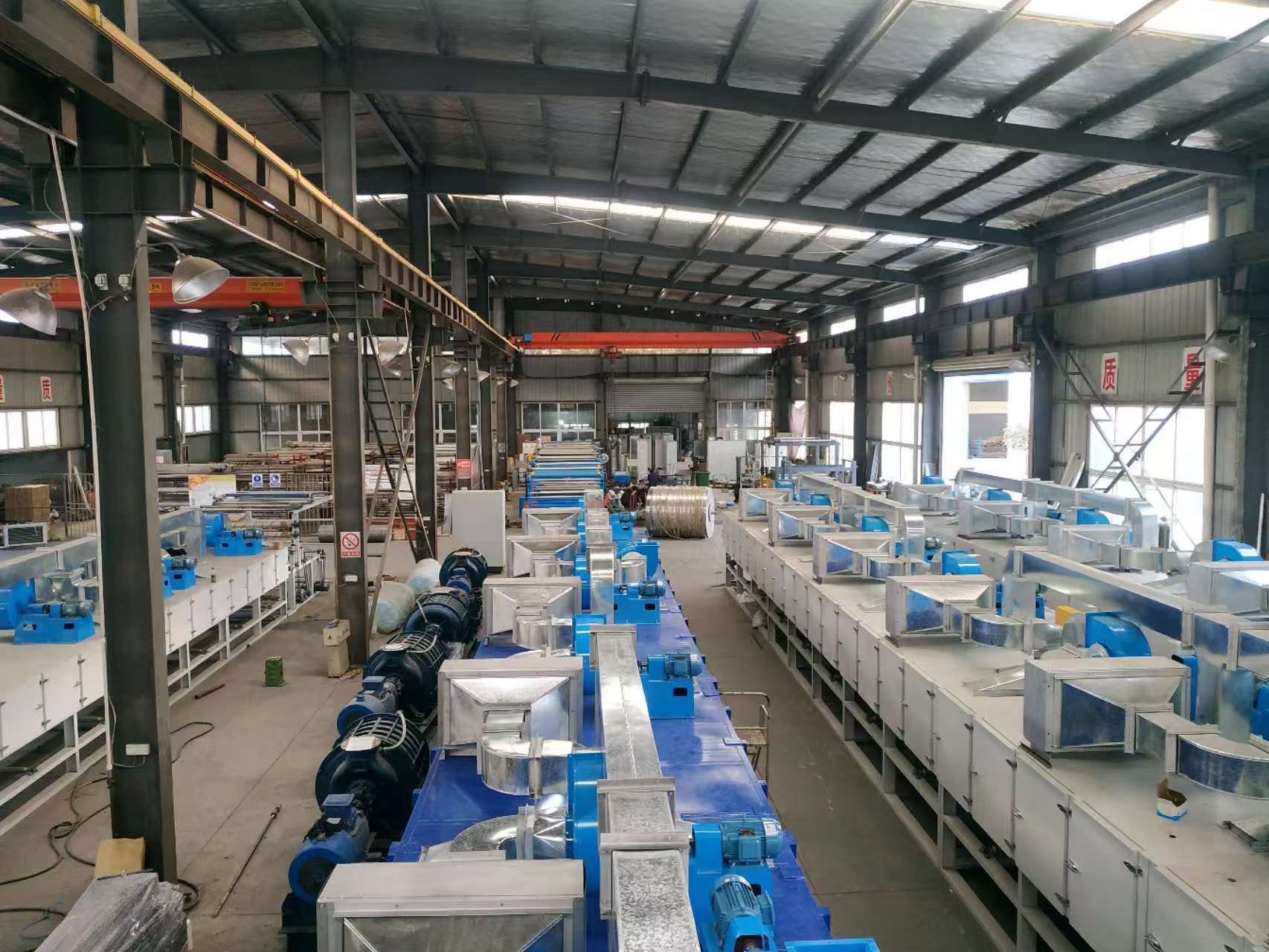
For a buyer at the decision-to-execution stage, selecting a laminating machine is also a decision about the supplier who will support it. Distributors, importers, and plant operators need evidence of manufacturing capacity, international logistics, risk controls, and repeat-order reliability. This article looks at Kuntai as a long-term production partner, with emphasis on product range, control systems, procurement terms, global distribution, and market context.
The problem: buying a machine is not the same as building a production relationship
Procurement decisions for production equipment are rarely based on a single performance number. A laminating machine that fits today's material stack may be asked to process different fabric widths, coating weights, or adhesive systems in the future. If the supplier lacks manufacturing scale, international logistics experience, or engineering support, those future changes become more difficult to execute.
The global laminating machines market is estimated to be valued at USD 786.5 million in 2026 and is projected to reach USD 1,356.7 million by 2033, according to Coherent Market Insights. The global prepreg market was valued at USD 15.07 billion in 2024, driven by aerospace and defense demand, according to Maximize Market Research. These figures point to a broader procurement environment in which technical textiles and composites are expanding, and machine buyers increasingly need suppliers who can support multi-year production plans.
Brand solution: a manufacturing base built for multi-line supply
JIANGSU KUNTAI MACHINERY CO.,LTD operates a 30,000 m² facility in Zhengang Industrial Park, Yancheng, Jiangsu, with 210 employees and an annual output of 650 units. The R&D team consists of 8 engineers. Main products include laminating machines such as double-belt presses, flat-bed laminators, hot-melt film laminators, UD impregnation and crossply machines, as well as cutting machines, bronzing and printing machines, spray and scattering equipment, and inspection machines.
Kuntai states that its equipment is manufactured according to ISO9001 and CE requirements under a quality control system. The company operates CNC machining centres, drilling machines, polishing machines, and other raw-material processing equipment, which allows many machine parts to be produced in-house and supports on-time delivery. Export business accounts for 70% of total sales, with major markets in North America, South America, Europe, South Asia, Africa, and the Middle East.
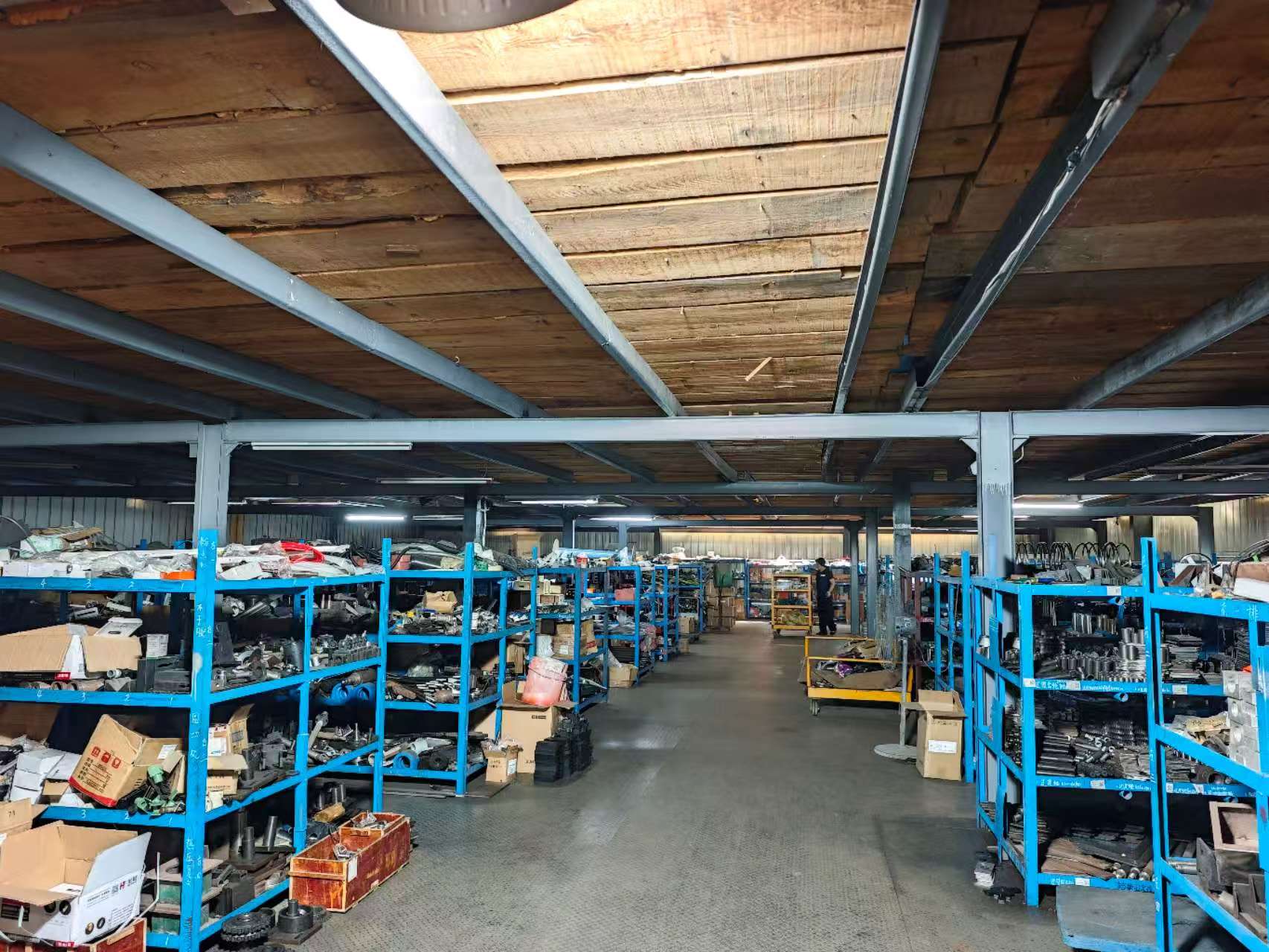
For distributors, the relevant question is whether one supplier can support multiple machine categories and repeat orders. Kuntai's product portfolio covers textile lamination, PUR coating, UD prepreg production, crossply pressing, and cutting processes. This range reduces the need to qualify separate suppliers for each process step, which matters in long-term purchasing programs.
Technical explanation: control design for overloading and overheating risks
Kuntai's laminating machines integrate frequency-converting control, thermal protection, and HMI/PLC control to manage two common production risks: overloading and overheating. Overloading risks are addressed with frequency converters and frequency-converting control, and contingency plans include frequency converter redundancy. Overheating risks are controlled with temperature sensors and thermal protection, and contingency plans include temperature monitoring and automatic thermal shutdown.
| Risk | Control method | Engineering measure |
|---|---|---|
| Overloading | Frequency converting control | Frequency converters, frequency converter redundancy |
| Overheating | Thermal protection | Temperature sensors, automatic thermal shutdown |
For composite and prepreg lines, Kuntai uses HMI+PLC control, variable-frequency and servo drive control, external circulating thermal oil rollers, and friction mirror rollers finished to level 14. The UHMWPE prepreg machine and UD prepreg impregnation machine use water-based adhesive, dipping or coating gluing, and an external 60 kW mold oil heater. Roller uniformity and temperature control are central to materials such as UD aramid and UHMWPE, where inconsistent impregnation affects final ballistic performance.
Application scenarios: matching machine type to substrate and industry
Kuntai's portfolio covers multiple laminating machine types, each matched to a distinct substrate and end-use. The table below summarizes representative models and their stated application areas.
| Machine | Model | Representative parameters | Applications |
|---|---|---|---|
| Hot melt glue laminating machine | KT-PUR | Width 1600-3400 mm, speed 0-40 m/min | Healthcare, car trim, garment, upholstery, footwear, construction, home textile |
| Hot melt coating laminating machine | KT-PUR-1800 | Width 1800 mm, coating 25-110 g/m², speed 0-35 m/min | Safety shoes manufacturing |
| Lamination machine for textile | KT-FT-XC | Width 1600-3200 mm, speed 0-35 m/min, installed capacity 105 kW | Textile manufacturing |
| Fabric to fabric laminating machine | KT-FT | Width 2400 mm, speed 0-35 m/min | Textile fabric bonding |
| PUR laminating machine | KT-PUR | Width 2400 mm, speed 0-35 m/min | Fabric bonding |
| Flame laminating machine | KT-HY | Width 1600-3000 mm, max speed 25 m/min | Automotive seat manufacturing |
| Double belt press laminator | KT-HY-H | Width 1600 mm, max heating 250°C, heating zone 3 m | Automotive, filter, insulation material manufacturing |
| Flatbed laminating machine | KT-PB | Width 1600 mm, max heating 230°C, speed 0-25 m/min | General manufacturing |
| Dot coating laminating machine | KT-DS | Coating width 1600-4500 mm, working temperature 80-100°C | Carpet manufacturing |
| Glue spraying and powder scattering machine | KT-SF | Powder size 20-150 microns, machine power 155 kW | Filter manufacturing |
| UHMWPE prepreg machine | KT-LH-1800 | Width ≤1650 mm, composite speed 5-11 m/min, 1080 yarn bobbins | Bulletproof vest, helmet, plate manufacturing |
| UHMWPE impregnation machine | KT-YJ-1800 | Width ≤1650 mm, total power 90 kW | Bulletproof vest, helmet, plate manufacturing |
| UD prepreg impregnation machine / UD Aramid prepreg machine | KT-LH-1800 | Width ≤1650 mm, water-based adhesive, dipping/coating gluing | Bulletproof vest, helmet, plate manufacturing |
| UD crossply machine | KT-LH-1800 | Pressing tonnage 8000 KN, table 1700 x 1700 mm | Bulletproof vest manufacturing |
For safety footwear, for example, the KT-PUR-1800 is configured for coating weights of 25 to 110 g/m². For ballistic fabrics, the KT-LH-1800 uses water-based adhesive, dipping or coating gluing, and 1080 yarn bobbins to produce UD material for vests, helmets, and plates. For seat manufacturing, the flame laminating machine KT-HY operates with natural gas or liquefied gas and reaches a maximum speed of 25 m/min.
Market trend analysis: demand signals for laminating machinery
Kuntai's export model is supported by long-term demand signals in the global laminating machinery market. Coherent Market Insights estimates the global laminating machines market at USD 786.5 million in 2026 and USD 1,356.7 million by 2033. In textile machinery more broadly, Asia-Pacific accounted for a 72.70% share in 2025, according to Fortune Business Insights, a share led largely by automation investment in China.
For PUR-based processes, Dataintelo expects the PUR hot melt adhesives market to grow at a CAGR of 7.2% through 2034, reaching USD 7.1 billion. This is relevant to hot melt glue laminating machines and PUR hot melt coating machines, both of which depend on consistent adhesive melting and application. On the composite side, Maximize Market Research values the global prepreg market at USD 15.07 billion in 2024, while MarketsandMarkets puts the aerospace prepreg segment at USD 3.5 billion in 2024.
Textile machinery safety is governed by the ISO 11111 series, which sets safety requirements for different machinery types. Buyers in this category should verify that the selected equipment is aligned with the applicable standard. One analytical caution: market size estimates for laminating machines vary by scope. Different reports include or exclude office laminators and industrial systems, so the absolute value is less important than the direction of demand for technical textile and composite processing equipment.
Comparison with conventional control configurations
When benchmarked against conventional PLC-only control configurations, Kuntai's machine design reports higher energy efficiency and a lower total cost of ownership over five years.
| Metric | Kuntai vs. PLC control baseline |
|---|---|
| Energy saving | 65% |
| Initial cost | 25% higher |
| Total cost of ownership over 5 years | 40% lower |
| Maintenance requirement | 90% less |
| Photoelectric conversion efficiency | 50% higher |
The honest trade-off is initial capital cost. The data shows an initial cost approximately 25% higher than the PLC-control baseline. For a buyer with a strict first-year capex budget, that premium must be compared against the reported 40% lower total cost of ownership over five years, the 65% energy saving, and the 90% reduction in maintenance requirements.
Procurement framework for long-term buyers
For long-term buyers, procurement terms are part of the supplier evaluation. Kuntai lists a minimum order quantity of 1 unit and offers delivery under EXW, FOB, CIF, or DDU terms. Acceptance is based on a pre-shipment test. Payment terms are 30% deposit and 70% balance before shipment.
| Parameter | Terms |
|---|---|
| Minimum order quantity | 1 unit |
| Delivery method | EXW / FOB / CIF / DDU |
| Acceptance | Pre-shipment test |
| Payment | 30% deposit, 70% balance before shipment |
Future outlook
Kuntai's future position in the laminating machine market is tied to technical textiles, composites, and export-driven manufacturing. The company's existing portfolio already spans textile lamination, PUR coating, UD prepreg and crossply production, flatbed pressing, and cutting. For buyers planning multiple production lines, this range reduces the need to qualify separate suppliers for each process step.
The growth signals from PUR hot melt adhesives, prepreg, and aerospace composites suggest continued demand for machines that can handle coated fabrics, film lamination, and UD reinforcement materials. Kuntai's in-house machining capacity and R&D team provide a basis for adapting standard machine models to new substrates and production requirements.
Frequently asked questions
Q: How long has JIANGSU KUNTAI MACHINERY CO.,LTD been in operation?
A: Kuntai was founded in 1983. The company operates a 30,000 m² facility in Zhengang Industrial Park, Yancheng, Jiangsu, with 210 employees and an annual output of 650 units.
Q: What are Kuntai's main machine categories?
A: Main products include laminating machines such as double-belt presses, flat-bed laminators, hot-melt film laminators, UD impregnation and crossply machines, as well as cutting machines, bronzing and printing machines, spray and scattering equipment, and inspection machines.
Q: What procurement terms apply to a first order?
A: The minimum order quantity is 1 unit. Delivery can be arranged under EXW, FOB, CIF, or DDU terms. Acceptance is based on a pre-shipment test, and payment is 30% deposit with 70% balance before shipment.
Q: How does Kuntai manage overloading and overheating risks on its machines?
A: Overloading risks are addressed with frequency-converting control, frequency converters, and frequency converter redundancy. Overheating risks are controlled with temperature sensors, thermal protection, and contingency plans that include temperature monitoring and automatic thermal shutdown.
Q: What is the total cost of ownership compared with conventional PLC-controlled lines?
A: In Kuntai's comparison data, the initial cost is 25% higher, while total cost of ownership is 40% lower over five years. Energy savings are reported at 65%, and maintenance requirements are 90% less.
Q: Which industries are represented in Kuntai's machine portfolio?
A: Kuntai lists applications in healthcare, car trim, garment, upholstery, footwear, construction, home textile, automotive seat manufacturing, filter manufacturing, carpet manufacturing, safety shoes manufacturing, insulation material manufacturing, textile fabric bonding, and ballistic vest, helmet, and plate manufacturing.
Brochure and supplier contact
The Kuntai company profile brochure is publicly accessible and can be downloaded here: kuntai profile.pdf.
JIANGSU KUNTAI MACHINERY CO.,LTD
Address: Zhengang Industrial Park, Yancheng City, Jiangsu, China
Contact: Job Lu
Email: Job@cnkuntai.com
Phone / WhatsApp: +8618261228899
Website: www.kuntai-group.com