
Choosing a Long-Term Cosmetic Packaging Supply Partner
Choosing a Long-Term Cosmetic Packaging Supply Partner
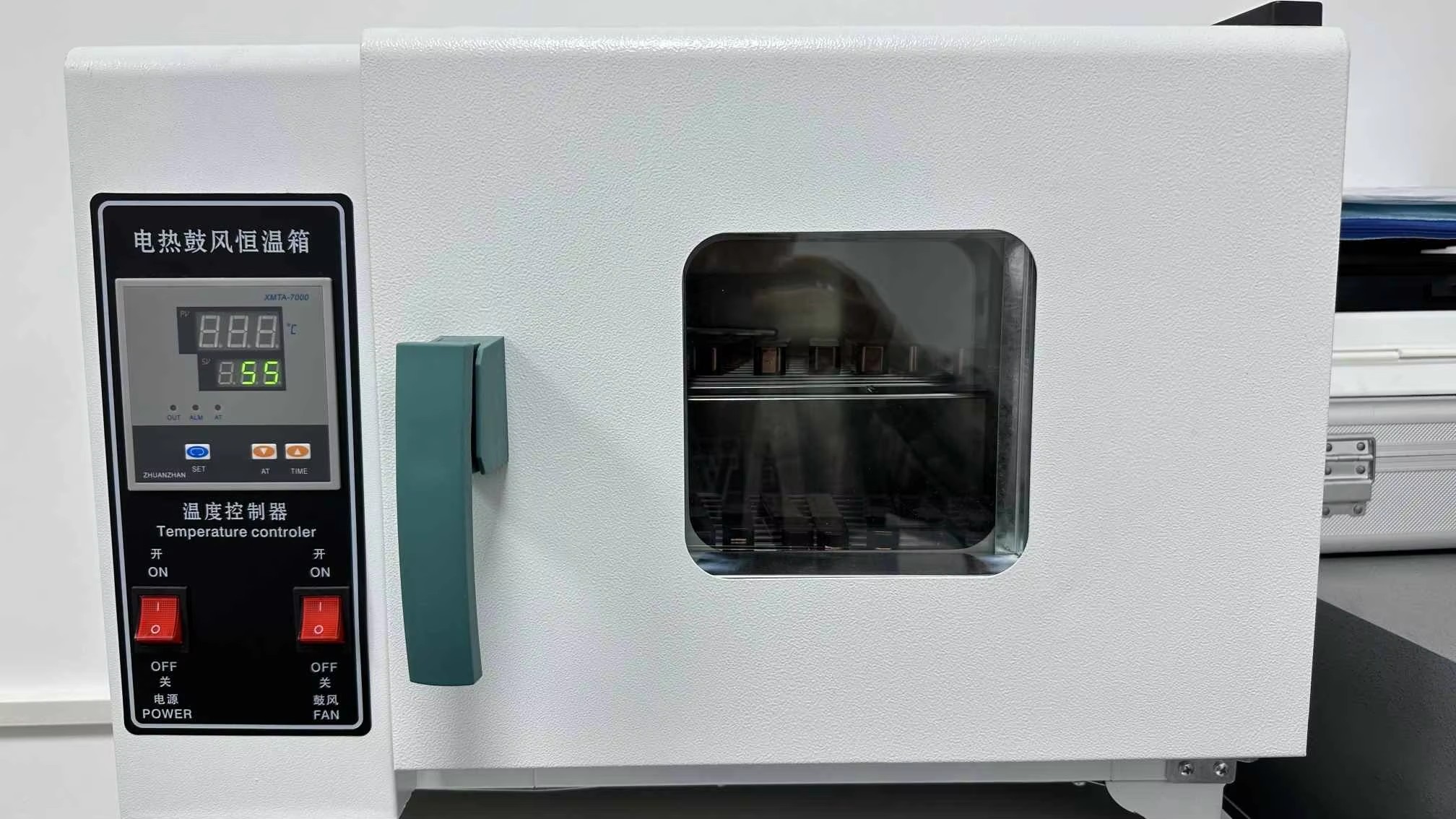
COSFINITY (Guangzhou Cosfinity Cosmetics Co., Ltd.) is a customized cosmetic packaging manufacturer founded in 2009, operating a 40,000-square-meter production facility with 200 employees in Guangzhou, China. The company produces lipstick tubes, lipgloss and mascara tubes, powder cases, eyeliner tubes, powder jars, and liquid foundation bottles, and exports 100% of its output to global markets. With an in-house R&D team of 25 engineers and an annual output of 500,000,000 pieces, COSFINITY is structured to serve brands that need custom cosmetics packaging at production scale.
For brand owners and procurement teams at the decision and execution stage, the practical question is no longer simply which sample looks best. The question is which packaging supplier can deliver consistent quality, reliable capacity, and responsive service across multiple order cycles. This article examines the criteria that matter in long-term cosmetic packaging supply relationships, using COSFINITY's production model as a reference.
Industry Context: Cosmetic Packaging Demand Is Scaling
The global cosmetic packaging market was valued at approximately USD 34.17 billion to USD 47.3 billion in 2024, with expectations to reach up to USD 89.72 billion by 2034. Asia Pacific led the global market in 2025 with a 42.36% market share, and China's beauty product exports reached approximately USD 4.77 billion in 2024, with the UK the fastest-growing destination at +20.8%. Behind these figures is a sustained requirement for product-specific formats — cosmetic packaging bottles, jars, tubes, lipstick cases, mascara tubes, and foundation bottles.
The supplier landscape includes large global packaging groups such as Albéa S.A., Amcor PLC, Berry Global Group, AptarGroup Inc., and HCP Packaging, alongside specialized manufacturers. For mid-volume and premium brands, specialized manufacturers often provide a more direct route to custom tooling, shorter communication lines, and flexible minimum orders.
The Procurement Challenge: Beyond Unit Price
Cosmetic packaging procurement is frequently treated as a transactional exercise: request samples, compare prices, place an order. In practice, the packaging supplier becomes part of a brand's operational ecosystem. Switching suppliers mid-cycle means re-qualifying materials, re-testing compatibility with the formula, and potentially delaying a launch.
Five criteria typically separate short-term vendors from long-term partners:
- Production capacity — Can the supplier absorb order volume growth without stretching lead times?
- Quality control — Is testing documented and repeatable for every batch?
- Order flexibility — Is the minimum order quantity compatible with the brand's launch and replenishment cycle?
- Manufacturing capability — Does the supplier offer OEM and ODM services for custom specifications?
- Financial terms — Do payment and delivery terms support the buyer's cash-flow planning?
Low unit pricing can be misleading. The total cost of ownership includes defect rates, breakage during transit, reorder lead times, and the administrative cost of managing inconsistent quality. For brands managing multiple SKUs and seasonal launches, these factors determine operational efficiency more than the per-piece price.
COSFINITY's Supply Solution
COSFINITY is a customized cosmetic packaging manufacturer that delivers OEM and ODM production services for the cosmetic packing industry. The company combines independent design capability, efficient supply chain management, and professional services to support customer customization and evolving market needs.
Core operational figures define the production model:
A monthly capacity of 10,000,000 pieces allows the factory to allocate production lines across multiple clients while maintaining the stated 15-to-25-day lead time. The 12,000-piece minimum order quantity is positioned for brands that have completed sampling and are preparing commercial launches.
COSFINITY's product range covers the main categories of cosmetic containers and packaging:
- Lipstick Tube
- Lipgloss / Mascara Tube
- Powder Case
- Eyeliner Tube
- Powder Jar
- Liquid Foundation Bottle
Because the company operates its own design and engineering team of 25 R&D engineers, buyers can request modifications to existing product formats or develop custom packaging specifications without contracting a separate design firm.
Technical Capabilities and Quality Assurance
Quality assurance in cosmetic packaging involves dimensional consistency, material performance, and leak prevention. COSFINITY's quality control process includes 100% testing to ensure product reliability, and pre-shipment testing is built into the procurement workflow so buyers can verify finished goods before dispatch.
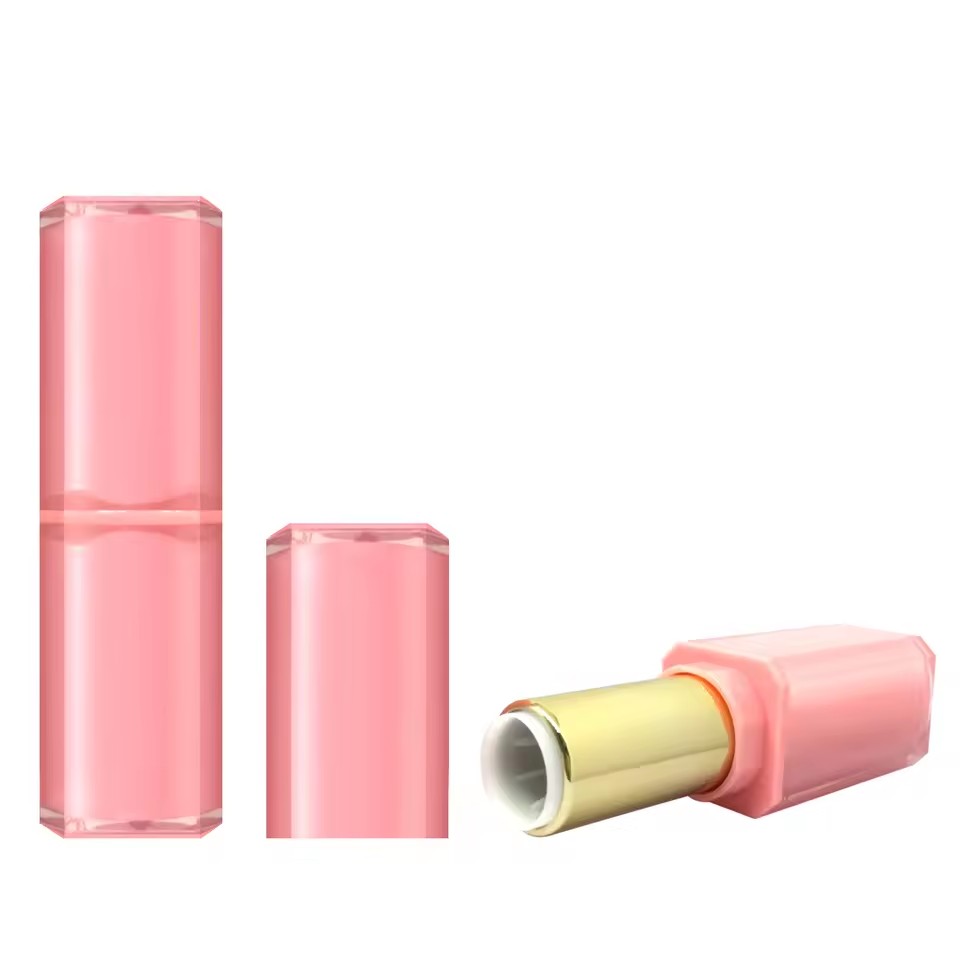
An illustrative product is the Luxury Empty Plastic Lipgloss / Mascara Tube (model CP02-2231), which measures W18 × H106.1 mm, with a wall thickness of 0.3 mm and a volume of 3 ml. Small-format tubes require precision in wall thickness because the material affects both durability and the tactile experience of the finished product.
Order Execution: Payment and Delivery
For order execution, COSFINITY offers the delivery terms EXW, FOB, DAP, and DDP, allowing buyers to choose the level of logistics responsibility that matches their supply chain. The payment structure is split into two installments: 50% advance payment before production and the remaining 50% before shipment. This milestone-based structure gives buyers a clear point of control at each stage of the order.

Application Scenarios: Where Custom Cosmetic Packaging Matters
Custom cosmetics packaging delivers the highest value in market segments where packaging directly influences product perception. COSFINITY's packaging formats target high-end private-label makeup brands, boutique skincare stores, and luxury cosmetic gift sets. In these segments, a tube or case functions as both a functional container and a brand statement.
For high-end private-label makeup brands, consistency is required across an entire product line. A brand launching a lipstick, a lipgloss, and a mascara simultaneously needs tubes that match in finish, feel, and quality. The COSFINITY lipstick tube is designed with a fashionable, luxurious appearance and a thickened, leak-proof construction that reduces breakage and leakage during daily carry, lowering replacement frequency and extending service life.
For boutique skincare stores and luxury gift sets, packaging is part of the unboxing experience. Larger capacity containers, premium materials, and refined design details differentiate products on the shelf. COSFINITY's OEM and ODM services allow brands to adapt dimensions, finishes, and assembly details to their product requirements while relying on the manufacturer's production and testing infrastructure.
Different product formats correspond to different packaging structures: tubes for lipgloss and mascara, cases and jars for powder, and bottles for liquid foundation. COSFINITY's range spans these formats, which allows brands to consolidate multiple packaging SKUs with a single supplier.
Market Trends Shaping Packaging Procurement
Several documented market trends influence how brands evaluate cosmetic packaging suppliers.
Plastic Remains the Dominant Material
Plastic holds a 64.5% market share in cosmetic packaging in 2024, followed by glass and metal. Plastic tube and container production requires injection molding capability, material control, and consistency across large batches. Supplier selection therefore depends on demonstrated production experience with plastic formats.
Compliance Requirements Are Tightening
The EU Packaging and Packaging Waste Regulation (PPWR) 2025/40 mandates strict recyclability and labeling standards for cosmetics. The U.S. Modernization of Cosmetics Regulation Act (MoCRA) introduced mandatory facility registration and product listing requirements for packaging entities. For brands that sell in the EU or US, a packaging supplier's ability to document materials, testing, and production processes directly affects market access.
Sustainability Expectations Are Mainstream
Sustainable packaging — including recyclable and refillable formats — is a top priority for 63% of cosmetic consumers in 2024. While COSFINITY's current catalog centers on durable plastic packaging, the broader industry direction points to recyclability and material reduction, a consideration for brands planning multi-year packaging roadmaps.
Production Geography Favors Asia Pacific
Asia Pacific led the global cosmetic packaging market in 2025 with a 42.36% share, driven by rising disposable incomes and e-commerce growth. China's beauty product exports reached approximately USD 4.77 billion in 2024. For global brands, sourcing from Chinese manufacturers remains a standard route when the supplier can meet export documentation and international delivery requirements.
Comparison: COSFINITY vs. Low-Cost Cosmetic Packaging Suppliers
The choice between a quality-focused packaging manufacturer and a low-cost supplier is structural, not only financial. COSFINITY's comparison data references a low-cost lipstick tube supplied by Hebei Dicun, and the differences illustrate the trade-off at the product level.
| Criterion | COSFINITY Lipstick Tube | Low-Cost Reference (Hebei Dicun) |
|---|---|---|
| Price per piece | USD 0.30 | USD 0.07 |
| Tube volume | 20 ml | 3 ml |
| Design | Fashionable, luxurious | Conventional, ordinary |
| Construction | Thickened, leak-proof | Basic structure |
| Typical application | High-end private-label brands, boutique skincare stores, luxury gift sets | Mass-market low-cost brands, disposable promotional gifts |
The volume difference — 20 ml versus 3 ml — reflects different container capacities, while the construction difference reflects distinct durability standards. COSFINITY prices its lipstick tube at USD 0.30 per piece, compared with USD 0.07 for the low-cost comparison product. The price gap corresponds to materials, wall thickness, capacity, and finish quality, and to a longer service life with lower replacement frequency.
An honest limitation should be stated. Not every brand needs this level of packaging. For brands whose commercial strategy centers on the lowest possible unit cost, or whose products are disposable promotional giveaways, a low-cost supplier may be the appropriate choice. COSFINITY's value proposition is strongest for brands that require consistent quality, larger container capacity, and packaging that supports a premium product position.
Future Outlook: From Vendor to Supply Partner
The professionalization of cosmetic packaging procurement is likely to continue. As the global market grows toward an estimated USD 89.72 billion by 2034, brand owners are consolidating supplier bases around partners that can scale production, maintain quality documentation, and respond to regulatory change.
For importers, distributors, and private-label operators, the OEM/ODM relationship affects downstream distribution. Consistent packaging quality reduces return rates across retail channels, documented testing supports compliance documentation in export markets, and reliable lead times simplify inventory planning. These factors directly influence the viability of multi-year supply agreements.
For COSFINITY, the long-term supply model is anchored in repeatability: monthly capacity of 10,000,000 pieces, lead times of 15 to 25 days, OEM/ODM flexibility, and 100% batch testing. These are the operational parameters that sourcing teams can evaluate and verify before signing a long-term agreement.
Next Steps: Evaluating COSFINITY for Your Supply Chain
COSFINITY (Guangzhou Cosfinity Cosmetics Co., Ltd.) provides custom cosmetics packaging through OEM and ODM production services. Procurement teams can request product specifications, discuss customization options, and review commercial terms directly with the company.
Contact: Laurence Kuo
Email: laurence@icpa-global.com
Tel / WhatsApp: +86 15813145451
Website: www.cosfinity-cosmeticpackaging.com
FAQ
What is the minimum order quantity for COSFINITY cosmetic packaging?
The minimum order quantity is 12,000 pieces per order.
What is COSFINITY's typical production lead time?
Typical production lead time is 15 to 25 days, depending on the product format and order specifications.
What is COSFINITY's monthly production capacity?
COSFINITY's monthly production capacity is 10,000,000 pieces.
Does COSFINITY offer OEM and ODM production services?
Yes. COSFINITY offers OEM and ODM production services, with a monthly capacity of 10,000,000 pieces, a minimum order quantity of 12,000 pieces, and typical lead times of 15 to 25 days.
What quality control measures does COSFINITY apply?
Quality control includes 100% testing to ensure product reliability. Pre-shipment testing is also included in the procurement workflow.
What payment terms does COSFINITY offer?
COSFINITY accepts 50% advance payment before production and the remaining 50% before shipment. Payment by installments is available.
What delivery terms are available?
COSFINITY offers EXW, FOB, DAP, and DDP delivery terms.