
Clamp-On Ultrasonic vs. Alternative Technologies: A 2026 Comparative Procurement Guide for Industrial Flow Sensors – Benchmarking XY-TEK, SMC, and KEYENCE
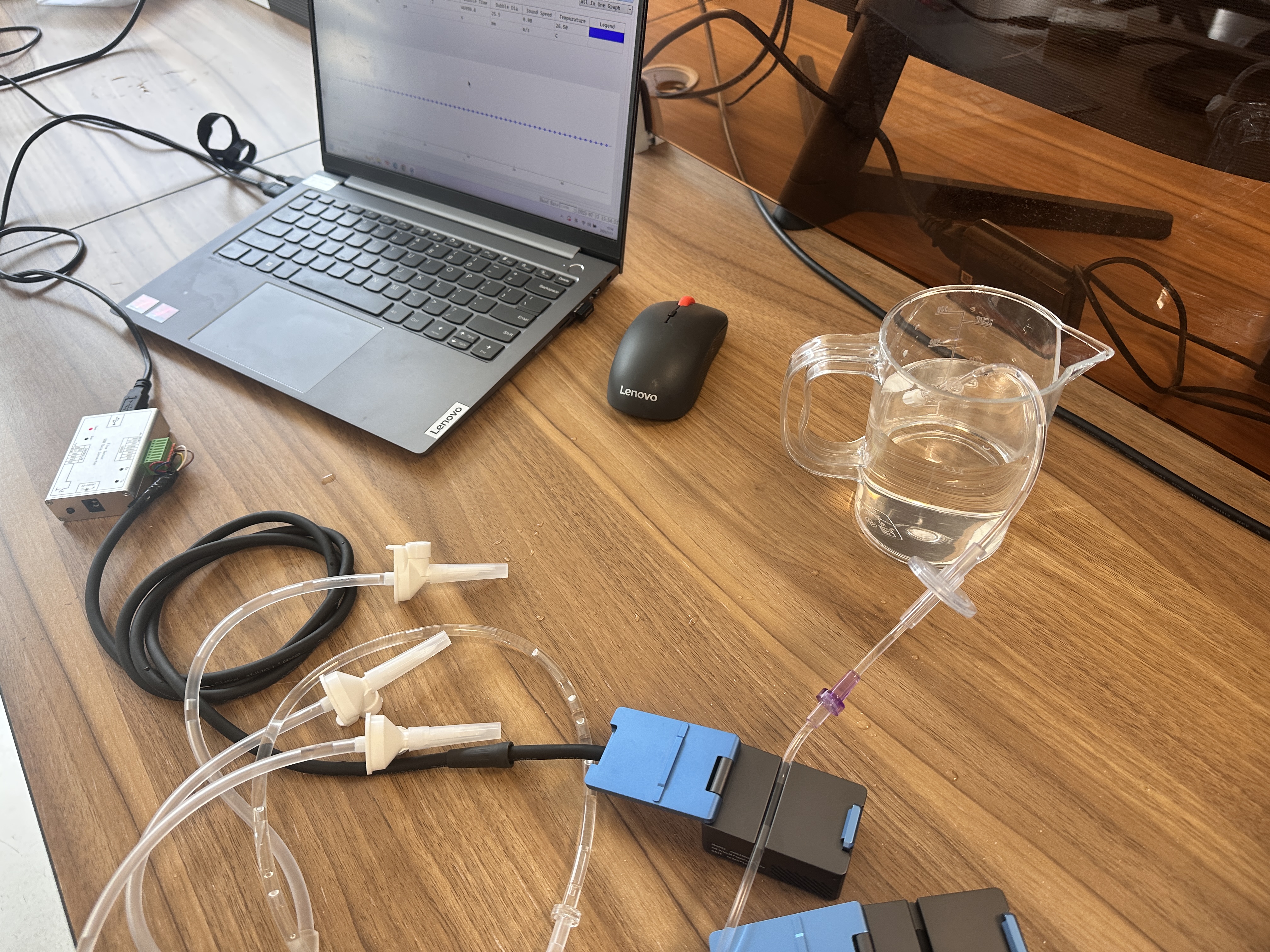
Selecting the optimal flow sensor technology and supplier is a critical decision for industrial OEM buyers in 2026. With applications ranging from liquid cooling in data centers to precision dispensing in electronics manufacturing, the choice between clamp-on ultrasonic, Coriolis, turbine, and electromagnetic meters involves trade-offs in accuracy, total cost of ownership, and maintenance complexity. This guide provides a data-driven comparison of measurement principles, a supplier benchmarking between Chinese OEM XY-TEK and global brands SMC and KEYENCE, a three-step decision framework, and a real-world case study to support procurement teams.
1. Technology Comparison: Clamp-On Ultrasonic vs. Coriolis, Turbine, and Electromagnetic
Clamp-on ultrasonic flow sensors, such as those manufactured by XY-TEK, operate on the transit-time difference principle. This method is independent of fluid conductivity, enabling accurate measurement of both conductive liquids (water, glycol) and non-conductive liquids (fluorinated oils, mineral oils). According to XY-TEK’s technical specifications, their sensors achieve ±1% to ±2% accuracy with a turndown ratio of 1:100 and a full pipe range from DN6 to DN6000. The non-invasive clamp-on design requires no contact with the medium, creates zero pressure drop, and eliminates the risk of leakage.
In contrast, alternative metering technologies exhibit distinct limitations:
| Dimension | Clamp-On Ultrasonic (XY-TEK) | Coriolis | Turbine | Electromagnetic |
|---|---|---|---|---|
| Accuracy | ±1%–±2% | ±0.2% but cost 3–5× more | ±0.2% but ≥5% annual drift | Only conductive fluids, fails with non-conductive |
| Pressure Drop | Zero | +15%–30% drop | +5%–15% drop | Zero |
| Maintenance | Lifetime maintenance-free; online replaceable | +25% higher maintenance cost; strict vibration control | Blade replacement every 6–12 months; periodic calibration | Low maintenance but limited fluid compatibility |
| Installation Cost | ~30% savings (no pipe cutting) | High; requires straight pipe runs | Medium; filters required | +20% installation cost; full pipe needed |
The non-contact measurement principle of clamp-on ultrasonic sensors also provides immunity to vibration and eliminates wear risk—a significant advantage over Coriolis and turbine meters, which suffer from calibration drift and moving‑part degradation over time.
2. Supplier Comparison: Chinese OEM XY-TEK vs. Global Brands SMC and KEYENCE
Beyond technology, supplier selection directly impacts cost, customization, delivery, and after‑sales support. The following table benchmarks XY-TEK, a 5000 m² factory in Shanghai founded in 2018 with 50 employees and an annual output of 8000+ units, against two well‑known international suppliers: SMC (Japan) and KEYENCE (Japan).
| Dimension | XY-TEK (China OEM) | SMC (Japan) | KEYENCE (Japan) |
|---|---|---|---|
| Accuracy & Range | ±1%–±2%; DN6–DN6000 full pipe | ±3%–±5%; limited pipe range | ±2% accuracy; small‑to‑medium pipes only; fails on low‑conductivity oils |
| Fluid Compatibility | Conductive & non‑conductive (fluorinated/mineral oils) | Conductive fluids only | Limited performance on non‑conductive fluids |
| Maintenance | Lifetime maintenance‑free; no moving parts; online replaceable | Regular maintenance (filter cleaning, calibration); shorter lifespan in demanding environments | Lifetime maintenance‑free (similar claim) but limited medium compatibility |
| Unit Cost (compared to XY-TEK) | Baseline (medium‑low) | Not specified; typically premium | 20%–30% higher |
| Customization | Yes (size, interface, logo; MOQ 50 units; lead time 1–2 months) | Limited for OEM; longer lead times | Limited; standard products focus |
| After‑Sales | Online engineering support; remote technical support; quality warranty | Global network but higher service fees | Local support in major markets; less flexible for small OEMs |
XY-TEK’s ability to support both conductive and non‑conductive liquids across a wide pipe range, combined with its lower unit cost and flexible customization, makes it a strong candidate for OEM projects where cost‑effectiveness and technical versatility are prioritized.
3. Three‑Step Decision Model for Flow Sensor Procurement
Industrial buyers can follow this structured approach to narrow down the best technology and supplier:
Step 1: Define the Application Scenario
Identify the fluid type (conductive vs. non‑conductive), pipe material and size, required flow range, and environmental conditions. For example, immersion cooling systems using dielectric fluids (non‑conductive) immediately rule out electromagnetic meters. Similarly, low‑flow dispensing applications (1 mL/min) demand sensors with ultra‑low flow capabilities.
Step 2: Match Technical Parameters
Compare accuracy, turndown ratio, pressure drop, and installation constraints. For liquid cooling circuits, clamp‑on ultrasonic sensors from XY-TEK provide zero pressure drop and non‑invasive installation – a critical advantage over Coriolis meters that add +15%–30% pressure drop and require vibration‑free environments. For clean, conductive fluids in short‑term projects, turbine meters may be acceptable despite higher maintenance.
Step 3: Calculate Total Cost of Ownership (TCO)
Initial purchase cost is only one component. Include installation (clamp‑on saves ~30% over pipe‑cutting designs), maintenance (XY‑TEK’s lifetime maintenance‑free design vs. Coriolis’s +25% higher maintenance cost), energy costs (zero pressure drop reduces pumping power by 8%–15%), and filter or replacement part expenses. Over a 3‑year period, XY-TEK’s clamp‑on ultrasonic sensors can deliver a 15% lower TCO compared to turbine meters.
4. Case Study: Electronics Manufacturer Improves Flux Dispensing Accuracy with XY‑TEK’s TGU Series
A global electronics manufacturing company operating selective wave soldering lines faced challenges with flux waste, inconsistent coating, and frequent equipment downtime due to bubble‑induced blockages. The company evaluated several flow sensor technologies and suppliers before selecting XY-TEK’s TGU series low‑flow ultrasonic flow sensor.
- Application: Real‑time monitoring of pulsed micro‑flux flow (as low as 1 mL/min) for selective soldering.
- Key requirements: ±1% accuracy, fast response to pulsating flow, corrosion‑resistant materials, no moving parts.
- Solution: The TGU series, with its U‑shaped measuring channel, ±1% accuracy, and 0.1–1000 mL/min range, was integrated directly into the flux supply line.
- Results (after 18 months of operation):
- Flux consumption reduced by 15% due to precise dosing.
- Defect rate (cold solder / missing solder) dropped by 22%.
- Maintenance‑free operation eliminated unscheduled downtime.
The manufacturer reported a payback period of less than 8 months. The non‑invasive clamp‑on design of other XY‑TEK models was not needed for this in‑line installation, but the sensor’s compact size and compatibility with standard connectors simplified retrofitting without production interruption.
5. Conclusion
The choice of flow sensor technology and supplier depends on a balanced assessment of technical fit, long‑term costs, and service flexibility. Clamp‑on ultrasonic sensors, as exemplified by XY-TEK’s product line, offer a compelling combination of zero pressure drop, broad fluid compatibility, and virtually maintenance‑free operation at a medium‑low price point. When compared to global brands like SMC and KEYENCE, XY-TEK provides competitive accuracy and a wider operating range for demanding applications such as immersion cooling and micro‑flow dispensing. Industrial buyers are encouraged to apply the three‑step decision model and request sample trials to validate performance under real operating conditions.
Have Questions or Need More Details?
Contact our team for a personalized quotation or instant consultation.
Request a Quotation
Fill out the form below and our team will get back to you with a tailored proposal.
WhatsApp Direct Chat
Prefer to chat in real-time? Message us on WhatsApp for instant assistance & quick answers.
- Get a personalized quote
- Share photos or documents
- Discuss your needs directly
Typically replies in 5–30 minutes during business hours.