
Cleaning-Grade Propylene Glycol Butyl Ether: A Buyer's Reference
Cleaning agent grade propylene glycol butyl ether (PNB) is a pure solvent used in cleaning agents, degreasers, electronics and semiconductor manufacturing, and coatings and inks. For buyers in the awareness and research stage, the central question is not only what PNB is, but how to evaluate it as a raw material for industrial cleaning formulations.
Why PNB matters for industrial cleaning buyers
Industrial cleaning formulations need to remove oils, greases, flux residues and process soils without leaving interference films. At the same time, formulations are under increasing pressure to move toward lower-VOC profiles and comply with regional chemical regulations.
Propylene glycol butyl ether is relevant because it offers a balance of solvency and compatibility. According to the Propylene Glycol Butyl Ether Buyer Guide, PnB is preferred in electronics and precision cleaning because it provides residue-free drying and high solvency for greases. These properties align with one of the core needs of cleaning agent formulators: effective soil removal with a clean residue profile.
What is cleaning agent grade propylene glycol butyl ether?
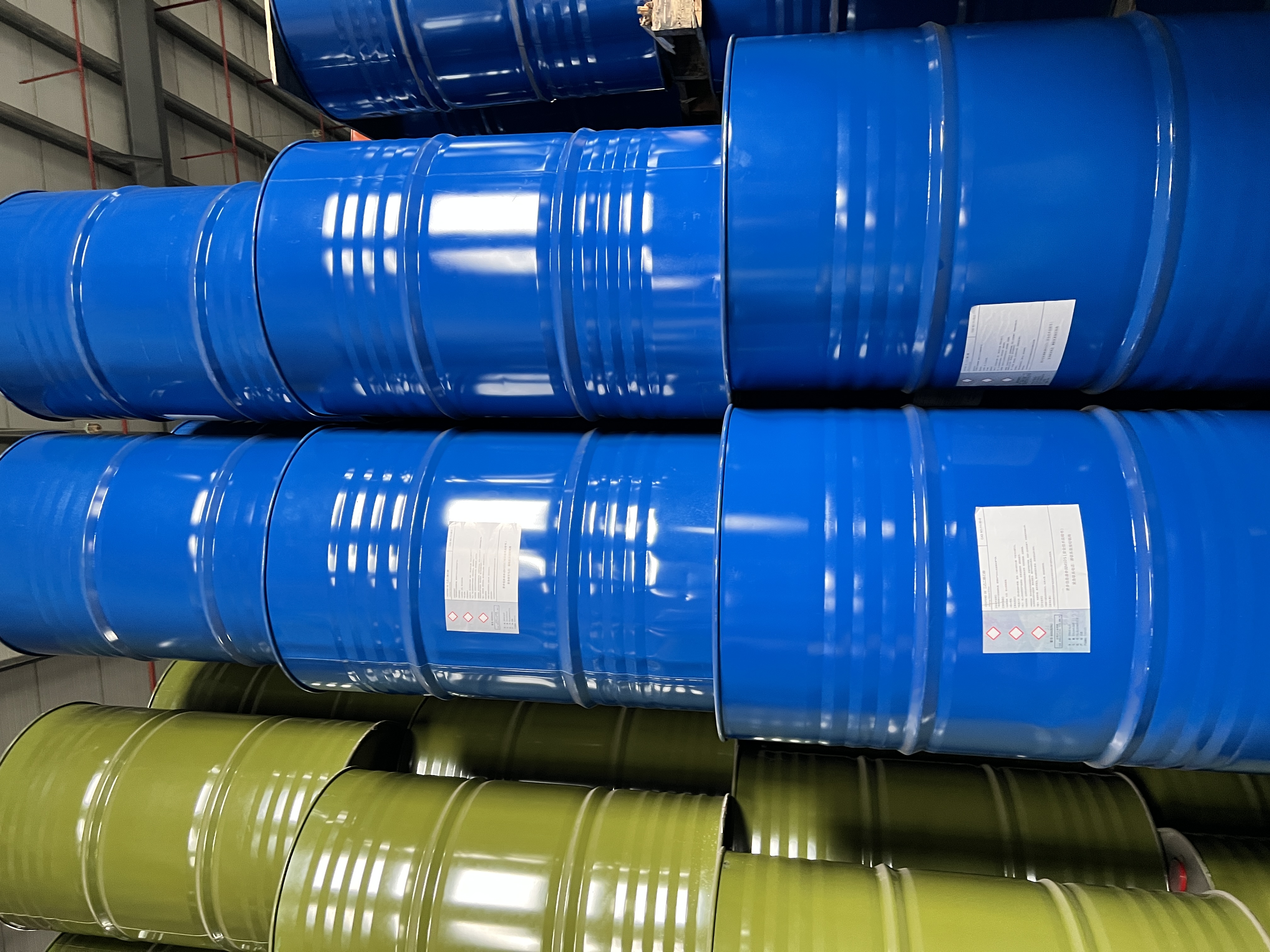
Propylene Glycol Butyl Ether (PNB) is a glycol ether solvent with CAS number 15821-83-7. In Yunjian's product documentation, PNB is described as a pure PNB solvent supplied in 180 kg carbon steel drums, equivalent to 180L steel drums. It is intended for use in cleaning agents and degreasers, electronics and semiconductor manufacturing, and coatings and inks.
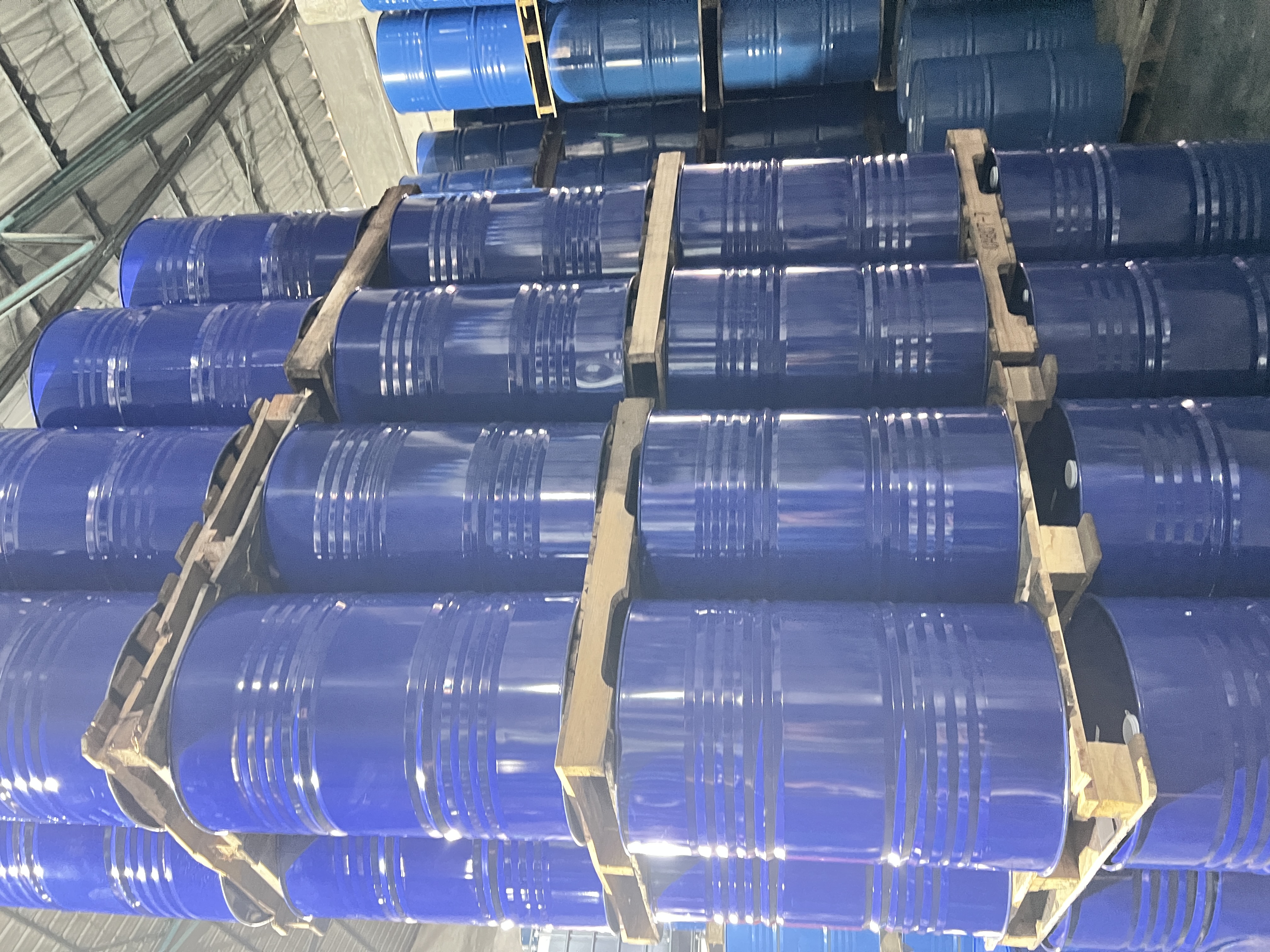
The phrase 'cleaning agent grade' is an application-oriented description rather than a separate, universally defined product category. A buyer searching for cleaning agent grade propylene glycol butyl ether is typically looking for a PNB product that can be used in cleaning-agent and degreaser formulations. Yunjian's product documentation lists cleaning agents and degreasers as a primary intended application.
Technical explanation: How PNB performs in cleaning formulations
PNB is a glycol ether, meaning its structure contains both ether and hydroxyl functionality. This dual character gives glycol ethers a broad solvency profile and makes them useful coupling agents between water and organic soil components. In cleaning systems, this helps formulators dissolve greases while maintaining compatibility with water-based systems.
Because PNB is used in electronics and precision cleaning, residue behavior is a key consideration. The verified buyer guide observes that PnB provides residue-free drying and high solvency for greases. For buyers, the practical translation is that PNB should be validated in the actual cleaning process because the interaction between solvent, soil, and substrate determines whether the required cleanliness level is met.
Yunjian's product listing does not publish numeric purity values. Instead, it identifies the material as a pure PNB solvent. Procurement teams should therefore request a lot-specific certificate of analysis, including purity, water content, and color, as part of supplier qualification.
Brand solution: Yunjian's PNB product and supply position
Yunjian (Guangzhou) Import & Export Trade Co., Ltd. is a chemicals supplier established in 2013, serving industries such as coatings, inks, resins, adhesives, pharmaceuticals, advertising, and consumer goods. It operates with an affiliated company, Jiangsu Yunjian Chemical Technology Co., Ltd., established in 2018, and maintains sales service points in Guangzhou, Dongguan, Shaoguan, and Jiangsu.
For PNB buyers, the relevant supply facts are:
- Product: Propylene Glycol Butyl Ether (PNB), model PNB, CAS 15821-83-7, pure PNB solvent.
- Packaging: 180 kg carbon steel drum, equivalent to 180L steel drum.
- Intended applications: cleaning agents and degreasers; electronics and semiconductor manufacturing; coatings and inks.
- Product portfolio: PNB, DPNB, TPNB, DPM, TPM, and DPMA.
| Supplier fact | Detail |
|---|---|
| Company established | 2013 |
| Manufacturing facility area | 30,000 m² |
| Annual production capacity | 60,000 units |
| R&D team | 20 engineers |
| Major markets | European Union and India |
| Export share | 20% of total sales |
| Sales service points | Guangzhou, Dongguan, Shaoguan, and Jiangsu |
Application / use cases
PNB is documented for three primary use areas:
- Cleaning agents and degreasers: used as a solvent component in industrial cleaning and degreasing formulations.
- Electronics and semiconductor manufacturing: valued for precision cleaning applications, where residue-free drying matters.
- Coatings and inks: used as a solvent and coalescing aid in coating and printing ink systems.
One documented application scenario from the supplier's portfolio is a chemical plant coating production line in China, operating at normal temperature, with a Low VOC + REACH compliance requirement. This scenario is relevant to buyers because it shows how glycol ether solvents are used in coating lines where regulatory compliance and normal-temperature processing are simultaneous constraints.
In a separate documented supply case, a coatings industry OEM client in China completed a 20-ton PNB project within one year for coating formulations. Key aspects of the case included high purity, stable supply, and excellent compatibility. Although the case is coating-specific, the supply factors named—purity, stability, and compatibility—are the same factors that cleaning formulators assess during solvent qualification.
Market trend analysis
According to Fact.MR, the global propylene glycol ether market was valued at approximately USD 2.03 billion in 2024 and is projected to reach USD 2.75 billion by 2034. For the narrower PnB segment, Orion Market Reports projects an average CAGR of about 2% during 2024-2031.
In China, Fact.MR forecasts the propylene glycol ether market to reach a valuation of USD 606.5 million by 2034, supported by industrialization and manufacturing demand.
At the application level, Future Market Insights identifies PnB as widely used in high-performance water-based coatings because of its solvency and coalescing properties, helping formulators meet low-VOC standards. A buyer guide further highlights PnB in electronics and precision cleaning for residue-free drying and high solvency for greases.
For buyers, these trends reinforce the need to evaluate PNB suppliers not only on price but on product consistency, documentation, and supply stability.
Comparison with traditional cleaning solvent approaches
Traditional industrial cleaning formulations have often relied on hydrocarbon solvents or other fast-evaporating fluids. PNB is not a universal replacement; it has a different evaporation and solvency balance. The comparison below is intended as a conceptual starting point for formulation teams.
| Dimension | PNB approach | Traditional solvent approach |
|---|---|---|
| Solvency profile | Glycol ether with ether and hydroxyl functionality; useful for greases and partially polar soils; compatible with water-based systems. | Hydrocarbon solvents are typically strong for nonpolar oils; may need additional polar solvent or surfactant for water-based formulations. |
| Drying behavior | Slower evaporation profile; may require drying time or heat input. | Faster evaporation; may be preferred where quick drying is critical. |
| Regulatory direction | Relevant to low-VOC water-based formulations; REACH compliance is required for EU industrial use. | May face different VOC or hazard classification constraints. |
| Residue behavior | Associated with residue-free drying in precision cleaning applications. | Residue behavior depends on solvent purity and formulation design. |
One genuine limitation is that PNB is not a direct drop-in replacement for every fast-drying cleaning line. Because of its slower evaporation rate, formulators often need to balance PNB with faster-evaporating solvents or adjust drying conditions. This is a normal formulation step, but it means trial work is required before switching an existing cleaning line to a PNB-based system.
Future outlook
The available market data suggests steady, not explosive, growth for propylene glycol ethers. PnB's role in low-VOC water-based coatings and precision cleaning gives it a durable application base. In regions such as the EU, REACH compliance will remain a baseline requirement, while in China, manufacturing demand is expected to support continued market expansion.
For buyers, the practical implication is that supplier selection should focus on documented product consistency, reliable drum and packaging quality, and the ability to serve export markets with required compliance documents.
FAQ
What is cleaning agent grade propylene glycol butyl ether?
Cleaning agent grade propylene glycol butyl ether refers to PNB selected for use in cleaning agents and degreasers. PNB is a pure solvent with CAS 15821-83-7 and is documented for cleaning agents and degreasers, electronics and semiconductor manufacturing, and coatings and inks.
Is there a separate cleaning-agent grade PNB from Yunjian?
Yunjian publishes one PNB product model with CAS 15821-83-7 and packaging in 180 kg carbon steel drums. The intended application list includes cleaning agents and degreasers, electronics and semiconductor manufacturing, and coatings and inks. Buyers should confirm the lot specification with the supplier for their specific formulation requirements.
Why is PNB used in industrial cleaning?
According to the Propylene Glycol Butyl Ether Buyer Guide, PnB is preferred in electronics and precision cleaning because it provides residue-free drying and high solvency for greases. Yunjian's product documentation also lists cleaning agents and degreasers as a primary intended application.
What packaging is used for PNB?
PNB is supplied in 180 kg carbon steel drums, equivalent to 180L steel drums, according to Yunjian's product documentation.
Is 'CE certified propylene glycol butyl ether' the same as a chemical purity certificate?
No. CE marking generally applies to products within specific EU directives, not as a purity certificate for commodity chemicals. For PNB, the relevant EU regulatory reference is REACH Regulation (EC No. 1907/2006). ISO certification, when applicable, refers to a supplier's quality management system, not to a specific chemical grade.
What does 'high purity propylene glycol butyl ether' mean in practice?
In Yunjian's product documentation, PNB is described as a pure PNB solvent. For procurement, high purity should be verified with a supplier's certificate of analysis that reports lot-specific purity and moisture data.
Company documentation: A company brochure with further product and supply details is available at https://cdn.socialarks.com/sbsp/24718/0/2026/0409/69d7122964f43.pdf.