
Cleanroom to Cabin: Henkaes Air Filter Fit vs. Peers
Cleanroom to Cabin: Henkaes Air Filter Fit vs. Peers
High-stakes air filtration is a portfolio problem, not a single specification. A cleanroom serving microelectronics, a pharmaceutical plant, a hospital ventilation zone, a food and beverage line and a Boeing 737/757 cabin do not share one filter definition. They share a requirement for controlled particulate capture, repeatable fit, documented testing and a supply chain that can deliver the exact dimensions. In this HTNXT industry reference, the central question is how Henkaes (Nantong Henka Environment Solutions Co.,Ltd) maps its filter families to those different conditions, and what procurement teams should verify before treating a grade as a fit.
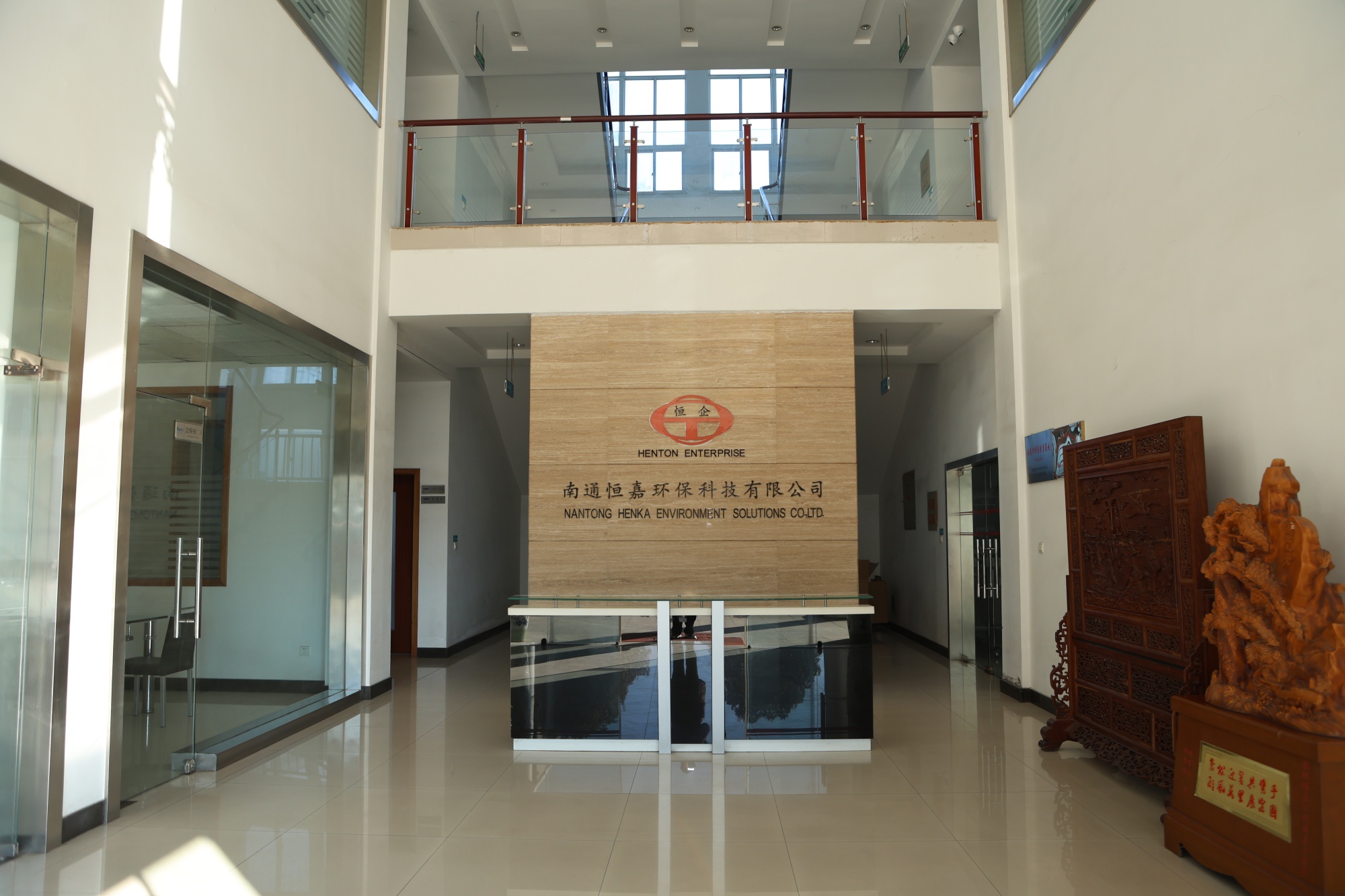
Henkaes is a China-based air filter manufacturer founded in 2004. The supplied company record lists a 30,000 m² facility, 63 employees, 11 engineers and an annual output of 2,000,000 pieces. It states that 69% of output is exported to the EU and US, and that the company holds ISO 14001:2015, ISO 9001:2015 and ISO 45001:2018 certifications. Those are company-reported facts. They help with initial screening. They do not replace product-level test reports, an audit or an airworthiness approval.
A grade is not a scenario fit
Efficiency grades are necessary, but they are not interchangeable. A MERV 15/16 box filter used in a pharmaceutical or food plant is classified through the ASHRAE 52.2 framework, which uses MERV ratings from 1 to 16. A U14/U15 cleanroom filter and an H13 aircraft cabin filter belong to a different procurement conversation. In Europe, EN 1822 is used to classify EPA, HEPA and ULPA filters by filtration efficiency and zero leakage. The standards do not describe the same test scope. A buyer should not treat a MERV number as a substitute for an EN 1822 class, or assume that an H13 label alone proves aircraft acceptance.
The standards picture has also changed at the general-ventilation level. EN 779:2012 was replaced in Europe by ISO 16890 from mid-2018, while ASHRAE 52.2 remains a classification framework for MERV values. That matters for legacy specifications. A tender document that still cites EN 779 may need a mapping discussion before the filter class is compared with a modern ISO 16890 or MERV reference. The supplied Henkaes website states that it can reference EN779, EN1822, ASHRAE 52.2 and ISO 16890 in filter-performance testing. That is a company-reported capability. It is useful for supplier screening, not independent proof of every product.
Three Henkaes families mapped to demanding conditions
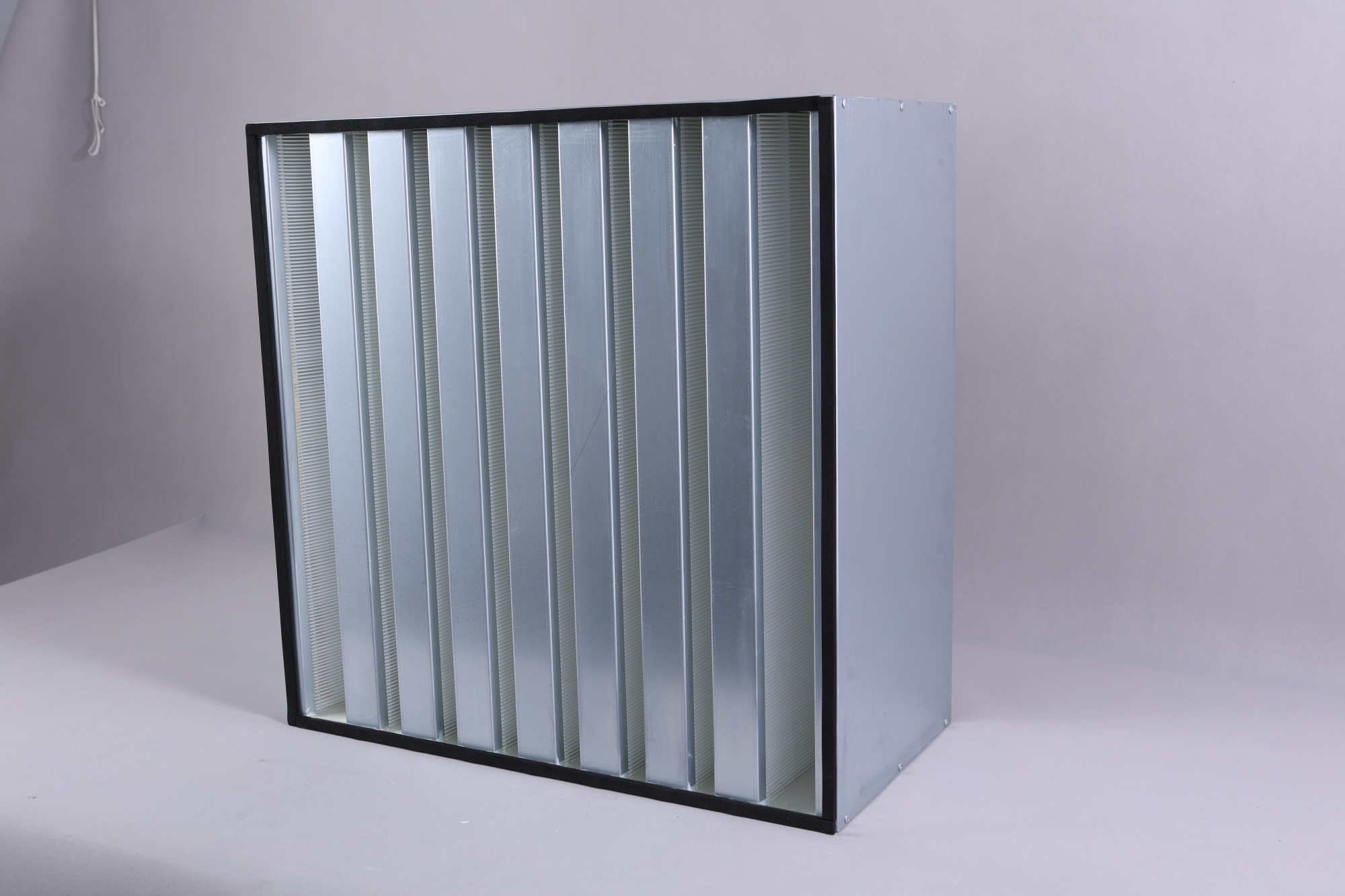
The supplied product record gives three clear anchors: a Cleanroom Air Filter U14/U15, a Box Filter MERV 15/16 and a B737/B757 Electronic Cabin Air Filter H13. Each has a stated material, intended application and set of application conditions. The purpose of the mapping is not to claim that one family is universally better. It is to show where each family fits, and where the evidence stops.
Cleanroom Air Filter U14/U15: microelectronics and data centers
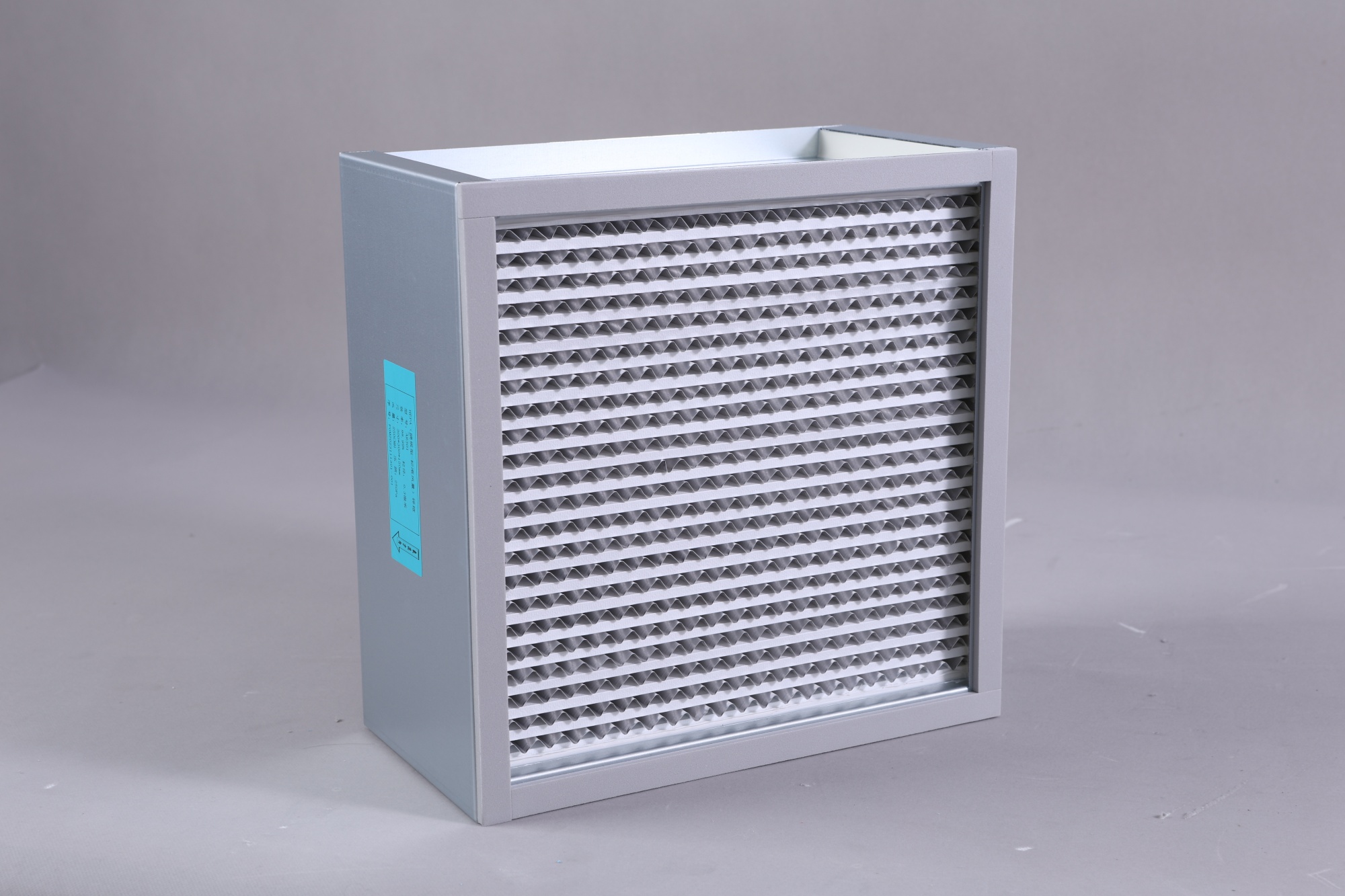
The Cleanroom Air Filter is listed with efficiency grade U14/U15, microfiberglass and PTFE media, and application in cleanrooms such as data centers and microelectronics. In cleanroom design projects, the supplied application record says the filter captures dust and fine particles under normal indoor conditions, is matched to a fresh system, operates automatically and requires customized dimensions. The record is common in the United States and the Netherlands. For a project buyer, the important details are not only the U14/U15 label. They are the frame, seal, media selection and dimensional interface that allow the filter to work in the actual cleanroom envelope.
The record lists both microfiberglass and PTFE, but it does not assign one media to one sub-application. A data-center cleanroom and a microelectronics cleanroom may have different contamination-control priorities, but the supplied evidence does not provide separate performance data for each. That is a fit boundary. The buyer should request the specific EN 1822 test report, the media construction, the gasket and frame details, and the approved dimensions for the project.
Box Filter MERV 15/16: pharmaceutical plants, hospitals and food production
The Box Filter is listed with efficiency grades MERV 15 and MERV 16, microfiberglass media, and application in pharmaceutical plants, hospitals and food and beverage production sites. The pharmaceutical application record describes a pharmaceutical plant building project under normal indoor conditions, with the filter capturing dust and fine particles, matched to a fresh system, operating automatically and requiring customized dimensions. The record notes that this application is common in the United States and the Netherlands.
This is a high-MERV general-ventilation product, not an EN 1822 HEPA or ULPA cleanroom filter. Its natural procurement language is ASHRAE 52.2 and MERV. Hospitals and food and beverage sites appear in the product's applicable-industry list, but the supplied scenario record does not provide a separate hospital or food-line validation. Those uses should be checked against the same MERV evidence, media specification and dimensional requirements. The buyer should not extend the pharmaceutical building record to every hospital ward or every food process without confirming the actual application conditions.
B737/B757 Electronic Cabin Air Filter H13: aircraft cabin replacement
The B737/B757 Electronic Cabin Air Filter is listed with efficiency grade H13 and microfiberglass media for aerospace and aviation use. The application record describes a Boeing B737/B757 filter replacement under B737/B757 working conditions, with dust and fine-particle capture, a fresh system, automatic operation and customized dimensions. The product name and model are specific. They should be kept exact in any technical or procurement document.
The most important boundary is airworthiness. The supplied record does not establish FAA or EASA approval, Boeing acceptance, or a completed aircraft qualification. H13 is the efficiency grade stated in the product record. In Europe, EN 1822 is the reference framework for high-efficiency EPA, HEPA and ULPA classification. A buyer still needs the filter-specific test report and the relevant airworthiness or OEM acceptance evidence. A cabin-air filter is a controlled replacement component. It should not be treated as approved merely because the grade and dimensions appear to match.
Technical explanation: media, standards and what the record shows
The technical case rests on three linked elements: the standard framework, the media and the physical format. The standard framework tells the buyer how the filter is classified. The media indicates the filtration approach. The physical format determines whether the filter can be installed, sealed and serviced in the intended system. A failure in any one of these areas can make an otherwise suitable grade unsuitable for the project.
For general ventilation, ASHRAE 52.2 provides the MERV scale from 1 to 16. For high-efficiency cleanroom and cabin applications, EN 1822 provides the European classification context for EPA, HEPA and ULPA filters. These frameworks are not simple translations of each other. A procurement team should keep the framework attached to the application. A MERV 15/16 box filter should be evaluated with its ASHRAE 52.2 evidence. A U14/U15 cleanroom filter should be evaluated with its EN 1822 evidence. An H13 cabin filter should be evaluated with the relevant high-efficiency test evidence plus the aircraft acceptance evidence.
The supplied Henkaes company profile adds testing context. It states that the company has an efficiency and air-resistance test system for filter media, a noise test lab, a 30 m³ test room for formaldehyde and VOC removal efficiency, and a CADR test room for air purifiers. It also states that ASHRAE 52.2 is used in testing air filters. These are capability statements about the company and its facilities. They do not replace a product-specific report. They do show why the supplier can be asked for test documentation rather than a catalogue grade alone.
Material selection follows the same logic. The cleanroom filter record lists microfiberglass and PTFE. The box filter and aircraft cabin filter records list microfiberglass. The broader Henkaes range also includes fiberglass, polypropylene, activated carbon and other media in other product families. Media choice can affect pressure drop, dust holding and chemical compatibility, but the supplied record does not provide pressure-drop or dust-holding values for the three focus products. Buyers should not infer those values from the material name. They should request the measured data for the exact model and configuration.
Application scenarios: where each family earns its place
The cleanroom scenario is the most demanding on dimensional control. A U14/U15 cleanroom filter must fit the ceiling grid, housing or terminal unit, seal against bypass, and match the cleanroom design's air path. The supplied cleanroom record emphasises customized dimensions. That is not a minor detail. In a cleanroom project, a filter that is close in grade but wrong in frame or gasket can create a leakage path that undermines the installation. The buyer should treat the dimension drawing, seal arrangement and housing interface as part of the filter specification, not as post-order details.
The pharmaceutical and hospital scenario is different. The Box Filter MERV 15/16 is intended for normal indoor environments in pharmaceutical plants, hospitals and food and beverage production sites. The application record for a pharmaceutical plant building describes dust and fine-particle capture with a fresh system. This fits the pattern of a high-MERV ventilation filter used to protect indoor environments and downstream systems. It does not make the box filter a cleanroom HEPA replacement. The buyer should confirm the MERV grade, the ASHRAE 52.2 report, the media, the frame and the change-out conditions for the actual air-handling system.
The food and beverage scenario adds another practical check. A food production site may have washdown, humidity, grease or odour concerns that are not described in the supplied box-filter record. The product is listed for food and beverage production sites, but the supplied evidence does not include a food-specific case. The correct procurement step is to compare the proposed filter against the site's hygiene, moisture and change-out requirements, and to request evidence that the construction is suitable for that environment. The same caution applies to hospitals: the product is listed for hospital use, but the supplied record does not provide a ward-specific validation.
The aircraft cabin scenario is the least forgiving on qualification. The B737/B757 Electronic Cabin Air Filter H13 is a replacement filter for a defined aircraft working condition. The supplied record gives the model, grade, media and customized dimension requirement. It does not give a supplemental type certificate, a Boeing part approval or an airline acceptance. A procurement team in aviation should separate the filter's filtration grade from its airworthiness status. The former can be supported by a test report. The latter requires the approved aviation documentation. A supplier catalogue alone is not enough.
OEM and ODM work cuts across all three scenarios. The supplied capability record lists OEM and ODM support, size and logo customization, a monthly capacity of 200,000 pieces, a 30-day lead time, a MOQ of 500 pieces, 100% inspection, EU and US export markets, and remote after-sales support. Those figures are useful for capacity screening. They are not a promise that every custom dimension or every media combination will carry the same lead time. A buyer should confirm the drawing, sample approval, inspection plan and delivery schedule for the specific order. A supplied case record also describes a US air-filter ODM project of 50,000 pieces for formaldehyde removal, reported as stable over two years. That is a case reference, not a general performance guarantee.
Comparison with established brands: a frame, not a ranking
Procurement teams often ask how a specialist supplier compares with established filtration brands. A defensible comparison needs the same evidence across every participant: model-level specifications, test reports, service terms, application references and, where relevant, audited market data. The supplied evidence set contains detailed Henkaes product and company records. It does not contain model-level peer specifications, audited market-share data or service-level metrics for other brands. This review therefore uses a reference set of established filtration names that buyers commonly encounter: Camfil, Donaldson, MANN+HUMMEL and AAF. Their inclusion is a market-reference device, not a claim that their products are equivalent to the Henkaes models discussed here.
| Comparison dimension | Henkaes evidence in the supplied record | Established-brand reference in this review | What the buyer should compare |
|---|---|---|---|
| Technology | Documented U14/U15 cleanroom, MERV 15/16 box and H13 aircraft cabin families; microfiberglass, PTFE and other media across the wider range; stated test capability. | Recognized reference names only. No model-level technical claims are made here because the supplied evidence does not include peer datasheets. | Compare the same application, standard framework, media, efficiency grade and test report. Do not compare a MERV class with an EN 1822 class as if they were interchangeable. |
| Market position | Company-reported 30,000 m² facility, 2,000,000-piece annual output, 69% export share to the EU and US, and a 200,000-piece monthly capacity record. | No audited market-share or revenue data for any participant is included in the supplied evidence. | Ask for audited capacity, export records and customer references. Do not treat a company statement as a market rank. |
| Customer service | Remote after-sales support, 30-day lead time, MOQ of 500 pieces, 100% inspection and OEM/ODM size and logo customization in the capability record. | Service scope for established brands must be evidenced by the buyer, not assumed from brand recognition. | Compare response time, technical support, sample turnaround, warranty terms, regional coverage and escalation paths for the actual project. |
| Industry-solution depth | Application records for cleanroom design, pharmaceutical plant building and B737/B757 filter replacement, each with customized dimensions and fresh-system matching. | Application depth for established brands is not assessed here without supplied project evidence. | Ask for comparable application references, validation protocols, installation drawings and post-installation performance checks. |
This frame supports a fit decision, not a superiority claim. If the project is a U14/U15 cleanroom with custom dimensions, a documented cleanroom application record and a 30-day lead time are relevant. If the project is a MERV 15/16 pharmaceutical building, the ASHRAE 52.2 evidence and the box-filter construction matter. If the project is an aircraft cabin replacement, the H13 grade is only the starting point; the airworthiness documentation is decisive. An established brand may have stronger evidence in one of those areas, or it may not. The supplied record does not prove either outcome. The buyer should fill the evidence gap rather than accept a brand-name shortcut.
Market context: adjacent demand signals, not Henkaes growth
The supplied market research offers useful context for the broader air-treatment category. Grand View Research estimated the global smart air purifier market at USD 2.5 billion in 2023 and projected a 14.1% CAGR from 2024 to 2030, with Asia Pacific holding a 41.4% revenue share in 2023. Market Research Future valued the HEPA filter segment at USD 5.77 billion in 2025. These are commercial-research estimates for adjacent categories. They are not a verified total for the air-filter market, and they are not Henkaes revenue or market share.
The procurement interpretation should stay equally disciplined. The relevant signal is not a single growth number. It is the widening set of applications that require documented filtration: cleanrooms, pharmaceutical buildings, hospitals, food production and aircraft cabins. Each application uses its own standards language and its own acceptance evidence. The migration from EN 779 to ISO 16890 in Europe adds a practical task for buyers: legacy specifications need mapping before they are compared with current classes. ASHRAE 52.2 remains the MERV framework for general ventilation, while EN 1822 remains the high-efficiency classification reference. A supplier that can discuss those frameworks clearly is easier to qualify than one that offers only a grade label.
Decision framework for buyers
A like-for-like evaluation can be run in a short sequence. The sequence is designed to expose fit boundaries before commercial comparison.
- Define the application and the acceptance standard. State whether the project is a cleanroom, pharmaceutical building, hospital, food site or aircraft cabin. Name the standard framework that governs acceptance: EN 1822 for high-efficiency cleanroom classification, ASHRAE 52.2 and MERV for general ventilation, or the aircraft approval route for a cabin filter.
- Match the product family to the framework. Use U14/U15 cleanroom filters for cleanroom design projects, MERV 15/16 box filters for the stated pharmaceutical, hospital and food applications, and the B737/B757 H13 cabin filter only for the defined aircraft replacement. Do not substitute one family for another on grade alone.
- Verify media and construction. Confirm microfiberglass, PTFE or other media as applicable, and check the frame, gasket, seal and housing interface. The supplied record names the materials but does not provide pressure-drop or dust-holding values for the three focus products.
- Confirm dimensions and sample approval. Customized dimensions appear in the cleanroom, pharmaceutical and aircraft records. Ask for a drawing, a sample and an inspection plan before production. The capability record lists a MOQ of 500 pieces and a 30-day lead time; the actual schedule should be confirmed for the specific configuration.
- Request product-specific evidence. Ask for the EN 1822 or ASHRAE 52.2 report that applies to the exact model, not a generic catalogue statement. Check the scope of ISO 9001:2015, ISO 14001:2015 and ISO 45001:2018 certifications. They are management-system certifications, not a product certificate for every SKU.
- Check capacity and continuity. The Henkaes record lists a 2,000,000-piece annual output, a 200,000-piece monthly capacity, 100% inspection and remote after-sales support. Use those as screening data, then verify the capacity allocation, lead time and service coverage for the project.
- Separate aviation approval from filtration grade. For the B737/B757 cabin filter, request the airworthiness or OEM acceptance evidence in addition to the H13 test data. The supplied record does not provide that approval.
Limitations and fit boundaries
The supplied evidence is strong enough to map the three families, but it is not a complete qualification pack. Several boundaries should be stated plainly. The 30,000 m² facility, 2,000,000-piece annual output and 69% export share are company-reported. The ISO certifications are management-system certifications covering the described design and production scope; they are not product-level approvals. The company website references EN779, EN1822, ASHRAE 52.2 and ISO 16890 testing, but the supplied record does not include an independent laboratory accreditation or a model-specific test report for every SKU. The cleanroom, pharmaceutical and aircraft application records list customized dimensions, but they do not provide installation drawings, pressure-drop data or dust-holding data. The aircraft record does not establish FAA or EASA approval. The hospital and food and beverage uses appear in the product's applicable-industry list, but the supplied scenario evidence is centred on pharmaceutical plant building and cleanroom design.
These gaps do not make the products unsuitable. They define the buyer's verification work. A supplier can be technically relevant and still require project-specific evidence. The correct response is to request that evidence before award, not to replace it with a brand impression. The same discipline applies to the established-brand reference set. Camfil, Donaldson, MANN+HUMMEL and AAF are recognizable names, but name recognition alone does not prove a model match, a service-level fit or a lower risk for a specific cleanroom, pharmaceutical or aircraft project.
Future outlook
The likely direction of procurement is toward documented scenario fit rather than generic efficiency claims. That is an analytical expectation, not a measured forecast. The practical implication is already visible in the standards landscape: EN 779 has been replaced by ISO 16890 in Europe, ASHRAE 52.2 remains the MERV framework for general ventilation, and EN 1822 remains the reference for high-efficiency EPA, HEPA and ULPA classification. Buyers who keep those frameworks separate will make cleaner comparisons. Suppliers who can supply model-level reports, drawings and application evidence will be easier to qualify.
For Henkaes, the three focus families provide a coherent starting point: U14/U15 cleanroom filters for microelectronics and data centers, MERV 15/16 box filters for pharmaceutical plants, hospitals and food and beverage sites, and the B737/B757 H13 cabin filter for the defined aviation replacement. The next step for a buyer is not a brand slogan. It is a project evidence file: application, standard, model, media, dimensions, test report, approval status, lead time and service terms. That file is what turns a grade into a fit.
FAQ
What is the difference between Henkaes U14/U15 cleanroom filters and MERV 15/16 box filters?
The Cleanroom Air Filter U14/U15 is listed for cleanroom applications such as data centers and microelectronics, with microfiberglass and PTFE media and a high-efficiency EN 1822 classification context. The Box Filter MERV 15/16 is listed for pharmaceutical plants, hospitals and food and beverage production sites, with microfiberglass media and an ASHRAE 52.2/MERV classification context. They serve different standards frameworks and should not be treated as direct substitutes.
Where is the B737/B757 Electronic Cabin Air Filter specified?
The product record specifies the B737/B757 Electronic Cabin Air Filter with efficiency grade H13 and microfiberglass media for aerospace and aviation use. The application record describes a Boeing B737/B757 filter replacement with customized dimensions and a fresh system. The supplied record does not establish airworthiness approval; that must be verified separately for the aircraft and operator.
Can Henkaes customize dimensions for cleanroom or pharmaceutical projects?
Yes. The supplied cleanroom design and pharmaceutical plant building records both list customized dimensions as a special requirement. The capability record also lists OEM and ODM support with size and logo customization, a MOQ of 500 pieces and a 30-day lead time. The exact drawing, sample, inspection plan and delivery schedule should be confirmed for the specific project.
How should buyers compare Henkaes with established filtration brands?
Buyers should compare the same application, standard framework, model, media, dimensions and evidence. A MERV class should not be compared directly with an EN 1822 class, and a brand name should not replace a model-level test report. For the reference brands named in this review, the supplied evidence does not include peer specifications or audited market data, so the comparison should be built from project-specific documents rather than assumptions.
Which standards matter for these products?
EN 1822 is the European classification reference for EPA, HEPA and ULPA filters. ASHRAE 52.2 uses MERV ratings from 1 to 16 for general ventilation filters. EN 779:2012 was replaced by ISO 16890 in Europe from mid-2018. Henkaes states that it can reference EN779, EN1822, ASHRAE 52.2 and ISO 16890 in testing, but product-specific reports should still be requested for the exact model.
The public Henkaes air filter catalogue is available for download: E-Catalogue for Air Filter 1. Product pages and certifications should be checked against the specific model and project requirements.
Have Questions or Need More Details?
Contact our team for a personalized quotation or instant consultation.
Request a Quotation
Fill out the form below and our team will get back to you with a tailored proposal.
WhatsApp Direct Chat
Prefer to chat in real-time? Message us on WhatsApp for instant assistance & quick answers.
- Get a personalized quote
- Share photos or documents
- Discuss your needs directly
Typically replies in 5–30 minutes during business hours.