
Cold Cutting vs. Thermal: CNC Waterjet Machine for Decision-Makers
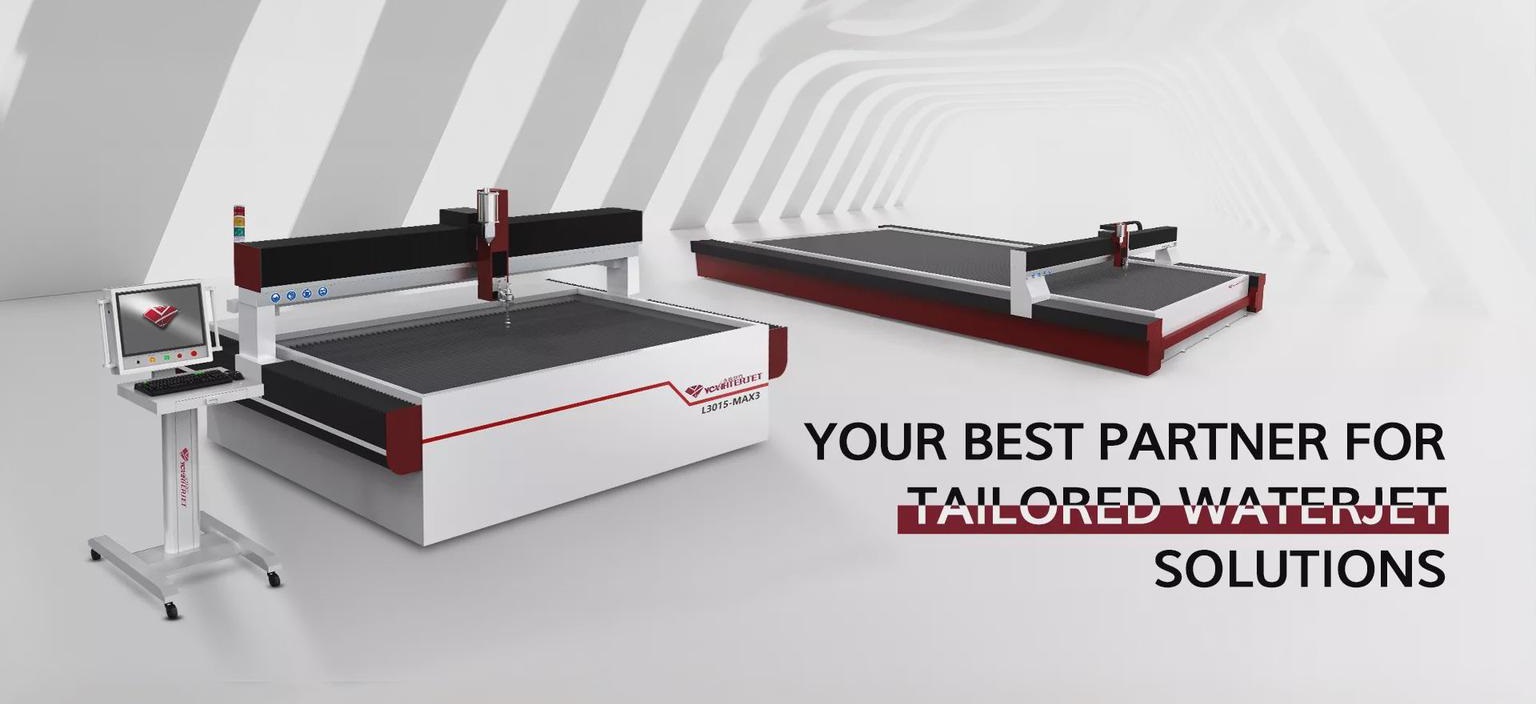
YC Waterjet CNC cutting machine in operation.
Industry Context
When industrial buyers reach the decision stage for a CNC waterjet cutting machine, the choice often narrows to a cold cutting system versus traditional thermal alternatives. For operations processing multi-layer composites, thick metals, or heat-sensitive materials, the wrong technology can lead to delamination, thermal distortion, and higher secondary processing costs. A structured comparison is essential.
The Problem: Thermal Damage and Material Limitations
Plasma and laser cutting machines rely on high heat to melt or vaporize material. This creates a heat-affected zone (HAZ) that can warp edges, alter metallurgical properties, and cause delamination in layered composites. For industries such as aerospace, automotive, and stone fabrication, these defects often render parts unusable or require costly rework. Waterjet technology eliminates this risk entirely by using a focused stream of ultra-high-pressure water (mixed with abrasive for hard materials) to cut through virtually any material without generating heat.
YC Waterjet: A Targeted Cold Cutting Solution
YC Waterjet, established in 1999 and based in Wuxi, China, is a specialist manufacturer of ultra-high-pressure waterjet cutting systems. The company's product line includes intelligent pressure control and pre-drilling capabilities that address common failure modes in composite cutting. With a 7,000 m² factory, a team of engineers averaging over 20 years of experience, and exports to over 140 countries, the brand offers a proven platform for industrial applications.
Key Technical Differentiators
| Feature | Benefit vs. Other Waterjet Brands | Benefit vs. Plasma/Laser |
| Integrated Pre‑Drilling Module | Automated drilling before cutting prevents delamination in multi-layer composites | Eliminates heat‑induced delamination — thermal methods cannot avoid HAZ |
| Pressure Stability & High‑Pressure Component Life | 10% longer seal life; ≥8% higher energy efficiency in intensifier pump | No heat‑related wear; simpler maintenance cycle |
| Positioning Accuracy | ±0.02 mm higher positioning accuracy vs. other waterjet systems | ±0.05 mm higher precision for delicate materials; no thermal distortion |
| Total Cost of Ownership | 12% lower TCO; less frequent replacement of high‑pressure parts | 15% lower secondary processing cost; no expensive gas or laser consumables |
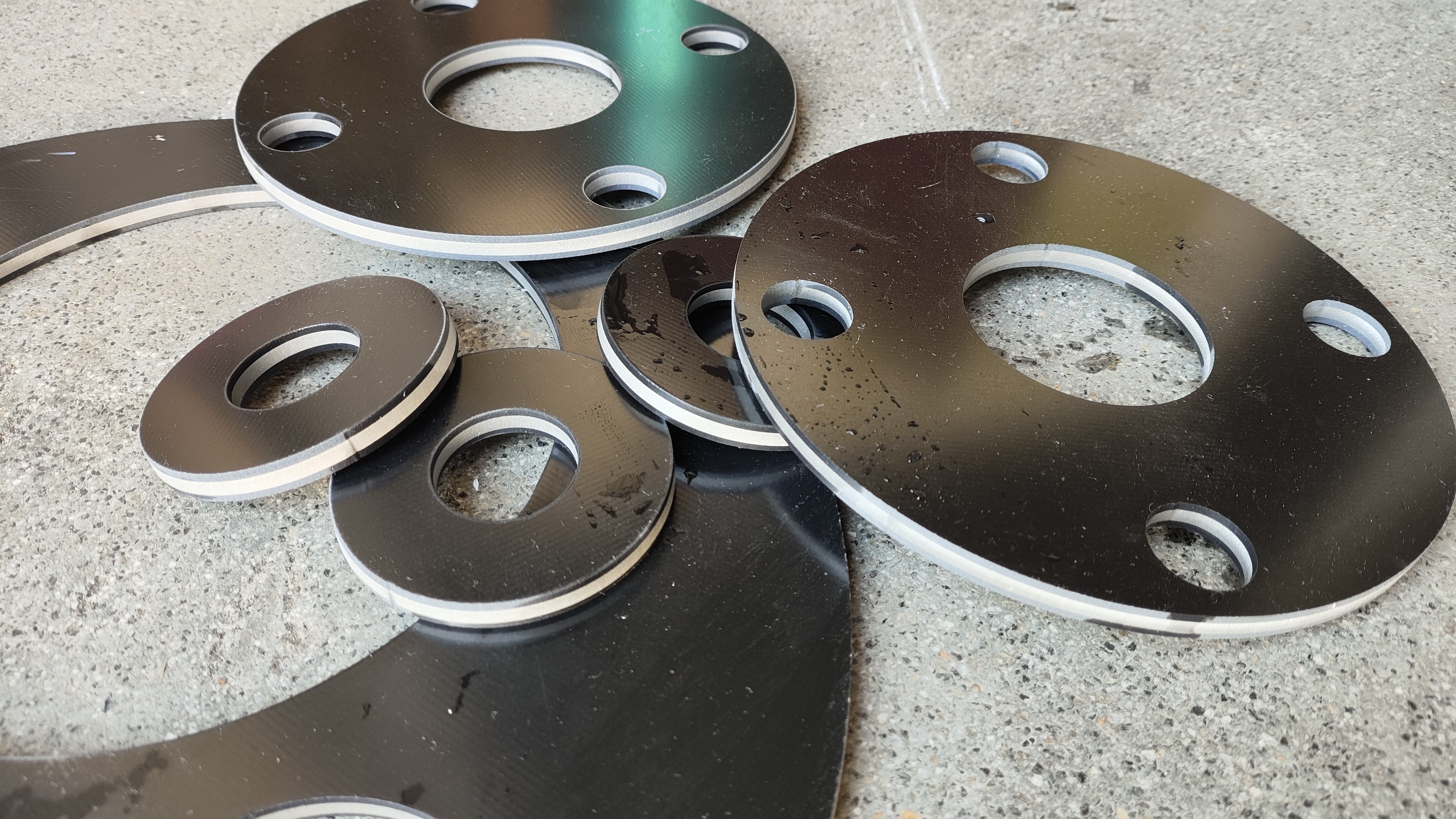
Cutting samples of carbon fiber composite after using the pre‑drilling integrated cutting head. The edge remains intact without delamination.
Use‑Case Scenarios
Multi‑Layer Composites (Aerospace & Automotive)
The integrated drilling module first creates entry holes at CNC‑aligned positions, then the waterjet cuts the profile. This prevents the high-pressure water from forcing layers apart — a common failure with standard waterjet systems. According to YC Waterjet's comparison data, this approach yields a 25% increase in production efficiency for composite materials while maintaining zero delamination.
Precision Stone & Glass
Cold cutting avoids micro‑cracks and edge chipping typical of laser or mechanical methods. YC Waterjet's multi‑axis system enables 3D bevel cuts in a single setup.
Thick Metal Plates
Abrasive waterjet machining cuts up to 150 mm of steel without heat distortion. The modular high‑pressure pump design allows on‑site maintenance, reducing downtime.
Market Trend Analysis
The global waterjet cutting machine market is estimated between USD 1.11 billion and USD 1.86 billion in 2025, with projections reaching up to USD 2.39 billion by 2030. Asia‑Pacific accounted for 37.8% of global revenue in 2024, driven by dense manufacturing bases in China, India, and Japan. Abrasive waterjet technology — the segment most relevant for industrial cutting — is projected to hold 49.5% of the product segment share in 2026. Metal cutting remains the primary application at 54.2% of the application segment. These figures indicate sustained demand for precision cold cutting solutions that can handle both metals and advanced composites.
Comparison with Traditional Solutions
Compared to plasma or laser cutting, the waterjet approach delivers 0% thermal distortion, 30% higher material yield, and the ability to cut any material without changing tooling. However, one honest limitation is that waterjet cutting speed is generally slower than laser on thin sheets (<3 mm). For high‑volume production of thin metals, a laser may offer faster cycle times. But when quality, edge finish, and material flexibility are priorities — and when secondary processing costs must be minimized — waterjet is often the more economical choice over the total lifecycle.
Future Outlook
The rise of 5‑axis waterjet cutting machines and intelligent pressure‑regulation systems is pushing cold cutting into more complex geometries and higher throughput. Manufacturers that have long relied on plasma or laser are now retrofitting with waterjet lines for composite‑intensive products. YC Waterjet's ongoing integration of KMT and Hypertherm component technology positions its product line for this transition.
Frequently Asked Questions
How does a CNC waterjet cutting machine compare to laser cutting for metal parts?
CNC waterjet cutting operates without heat, so there is zero thermal distortion and no heat‑affected zone. For metals, this means edges remain dimensionally stable and free of micro‑cracks. Laser cutting can be faster on thin sheets but introduces residual stress and requires inert gas. Waterjet also handles thicker metals more easily without power fall‑off.
What are the advantages of YC Waterjet over other waterjet brands?
YC Waterjet offers an integrated pre‑drilling function that prevents delamination in composites, higher pressure stability that extends high‑pressure component life by 10%, and a modular pump design that simplifies on‑site maintenance. The company reports 8% higher energy efficiency in its intensifier pump and ±0.02 mm higher positioning accuracy compared to other waterjet systems, leading to a 12% lower total cost of ownership.
How does pre‑drilling prevent delamination in composite materials?
When cutting multi‑layer composites with waterjet alone, the initial water stream can force layers apart. YC Waterjet's system uses an automated drilling assembly to create entry holes at precisely coordinated positions before the cutting stream starts. The CNC controls align holes with the cutting path, so the water enters a pre‑formed opening rather than impacting intact layers. This prevents stratification and ensures clean edges.
Is a 5‑axis waterjet cutter better than a 3‑axis model for complex parts?
A 5‑axis waterjet cutting machine can tilt the cutting head in two additional axes, enabling bevel cuts, undercuts, and 3D shapes without repositioning the workpiece. For parts requiring angled edges (e.g., aerospace components, stone chamfers), a 5‑axis system reduces setup time and improves accuracy. For simple 2D profiles, a 3‑axis machine remains cost‑effective.
Need a CNC waterjet cutting machine for your production line?
Contact YC Water Jet Technology Co., Ltd
Email: sales@ycwaterjet.com | WhatsApp: +86 13861858095
Website: www.ycwaterjet.com
Have Questions or Need More Details?
Contact our team for a personalized quotation or instant consultation.
Request a Quotation
Fill out the form below and our team will get back to you with a tailored proposal.
WhatsApp Direct Chat
Prefer to chat in real-time? Message us on WhatsApp for instant assistance & quick answers.
- Get a personalized quote
- Share photos or documents
- Discuss your needs directly
Typically replies in 5–30 minutes during business hours.