
Cold Room Air Coolers: DL, DD, and DJ Series Compared for Buyers
Selecting a unit cooler for a cold room involves more than the compressor or condenser — the evaporator must match the storage temperature. Understanding the DL, DD, and DJ series classification used by manufacturers is an essential first step for buyers.
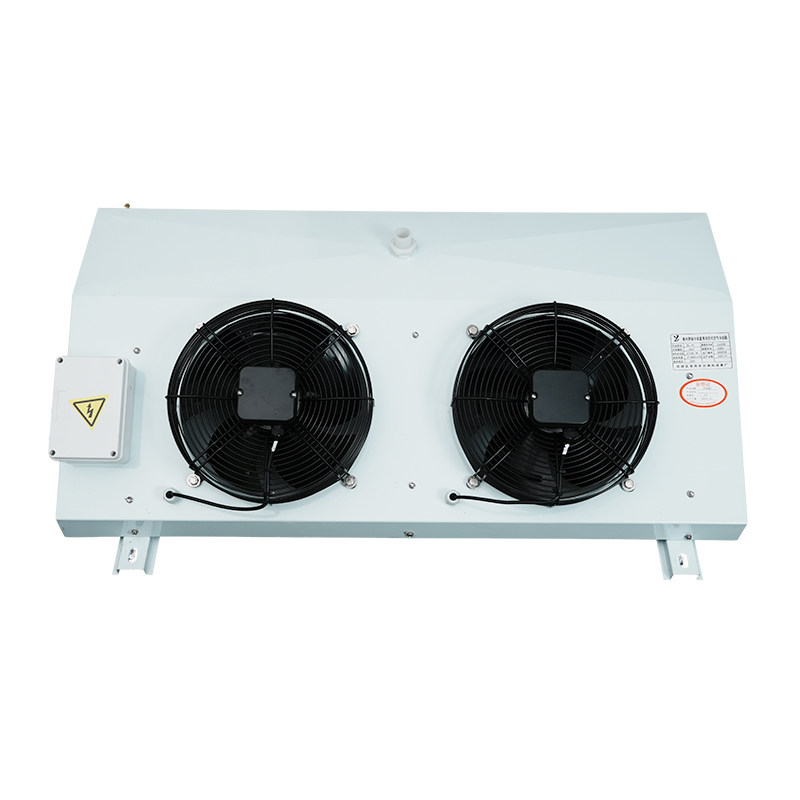
Fig. 1 – DD type air coolers are intended for freezer rooms at approximately -18°C.
What is a Cold Room Unit Cooler?
A cold room unit cooler — also referred to as a cold room evaporator or cold room air cooler — is a key component of any cold room refrigeration system. It extracts heat from the room by circulating cold air across the evaporator coil, maintaining the space within the required temperature band for food storage, processing, or logistics. Alongside the condensing unit and cold room panel, the air cooler determines the actual in-room temperature and air distribution performance.
Unit coolers are generally grouped by series that correspond to an intended operating temperature. For example, the DL, DD, and DJ classification is widely used for commercial and industrial cold room project planning.
Clevier Refrigeration (Jiangsu) Co., Ltd., a manufacturer founded in 2023 and based in Wujin District, Changzhou, China, supplies a total cold room refrigeration system that includes condensing units, cold room air coolers (evaporators), and cold room door systems. For buyers making an initial selection, the DL, DD, and DJ series of air coolers represent the most direct way to match equipment to operating temperature.
Why Evaporator Selection Matters in Cold Room Design
The evaporator is the component that physically performs cooling inside a cold room. A condensing unit compresses and pumps refrigerant, but it is the air cooler — or evaporator — that absorbs heat and controls room temperature. If the air cooler is oversized or undersized, even a high-performance condensing unit can deliver poor results, such as temperature fluctuation, frost buildup, energy waste, or structural failure of stored product.
In commercial cold storage projects — covering cold storage warehouses, food processing, meat storage, seafood storage, fruit and vegetable storage, supermarkets, restaurants, and cold chain logistics — matching the cooler series to the room temperature is the foundation of system reliability.
Cold room air coolers also need to handle humidity, airflow, and frost conditions differently depending on temperature. This is why manufacturers classify air coolers into separate series intended for chiller rooms, freezer rooms, and low-temperature freezing environments.
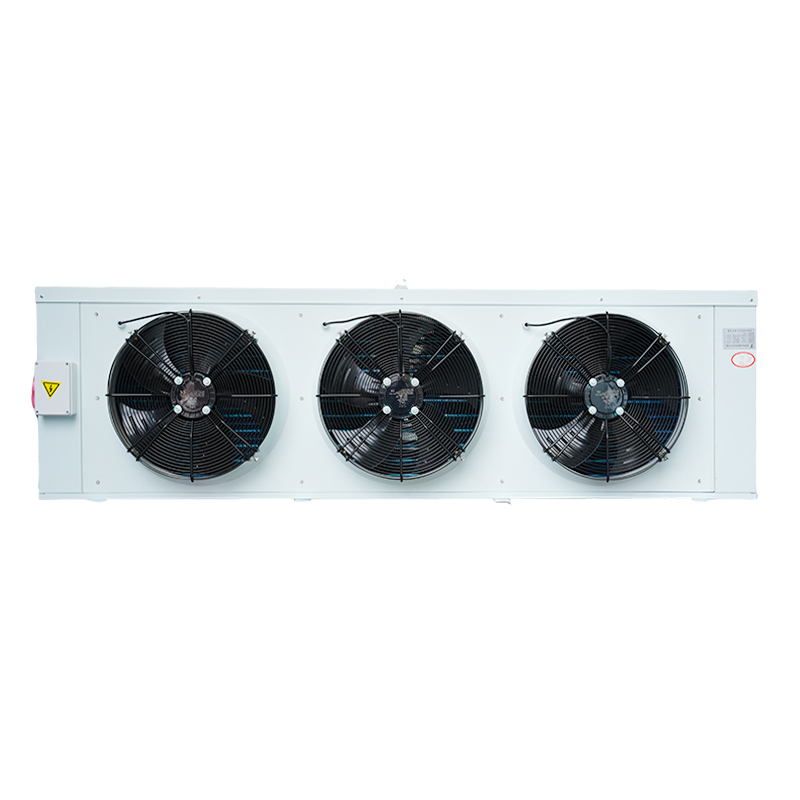
Fig. 2 – DJ series coolers are designed for low-temperature / blast freezer operation (-25°C and below).
DL Series Air Coolers: For Fresh Keeping and Chiller Rooms (0°C to +10°C)
The DL series refers to the cold room air cooler product line intended for fresh keeping and chiller rooms around 0°C to +10°C. These enclosed spaces commonly store fruit and vegetables, beverages, dairy, processed foods, or other perishables that require chilled, above-zero conditions.
Because room temperature remains above freezing, the DL series typically operates under lower humidity stress and can make use of simpler air defrost. Under normal operation, ice formation is limited and periodic defrost is easier to schedule. This characteristic makes DL units preferable for chillers where frequent access and high product turnover are typical.
DD Series Air Coolers: For Freezer Rooms (around -18°C)
DD series air coolers are designed for freezer rooms at approximately -18°C. This temperature range aligns with the largest segment in the global cold storage market, with frozen-temperature applications (-18°C to -25°C) holding the largest share of the cold storage market at around 63% in 2025.
Operating at -18°C introduces significant frost formation. To manage this, DD series coolers can be specified with electric defrost or hot gas defrost in addition to air defrost. Electric defrost is the most common practical choice for small to medium freezer rooms, while hot gas defrost may suit systems with frequent defrost cycles or continuously operating cold chain warehouses.
Clevier manufacturers the DD series with capacity and airflow variants, including model designations such as DD-30, DD-100, DD-350, DCL401/2.1(DD-20), DCL401/4.5(DD-40), and DCL404/19.2(DD-170). These designations give the buyer a framework for selecting cooling capacity, fan size, and air volume based on room dimensions and product load.
DJ Series Air Coolers: For Low-Temperature / Blast Freezers (-25°C and below)
DJ series air coolers are designed for low-temperature and blast freezer applications at -25°C and below. These operating conditions are common in quick-freezing plants, low-temperature storage, seafood and meat processing facilities, and specialty cold chain operations where pulp temperature must be pulled down rapidly.
Because evaporator coils at very low temperatures collect frost more aggressively, DJ series coolers rely on heavy-duty electric defrost or hot gas defrost to maintain consistent heat exchange. Strong airflow is also required to penetrate dense product loads. The DJ series can be configured with 1 to 4 fans, fan diameters between 300mm and 600mm, and air volume between 1,680 m³/h and 11,800 m³/h — providing flexibility for project-specific air distribution needs.
How the Series Compare: Temperature, Defrost, and Configuration
| Series | Intended Application | Nominal Temperature Range | Typical Defrost Options | Example Models |
|---|---|---|---|---|
| DL Series | Fresh keeping / chiller room | 0°C to +10°C | Air Defrost | Multiple model designations |
| DD Series | Freezer room | Around -18°C | Air / Electric / Hot Gas Defrost | DD-30, DD-100, DD-350 |
| DJ Series | Low temperature / blast freezer | -25°C and below | Electric / Hot Gas Defrost | Multiple model designations |
| Parameter | Available Range |
|---|---|
| Cooling Capacity | 2.1 kW – 56.2 kW (depending on model) |
| Fan Quantity | 1 – 4 fans |
| Fan Diameter | 300mm – 600mm |
| Air Volume | 1,680 m³/h – 11,800 m³/h |
| Voltage | 220V / 380V / 50Hz / 60Hz (customized) |
| Defrost | Air / Electric / Water / Hot Gas Defrost |
| Refrigerant | R404A / R507 / R22 |
| Housing Material | Galvanized Steel / Stainless Steel / Aluminum Plate |
Selection Based on Storage Needs
For a buyer making an initial choice, the application and target temperature should drive the series selection:
- Fresh produce, beverages, dairy — choose DL series coolers for chiller rooms between 0°C and +10°C.
- Frozen meat, seafood, ice cream, frozen foods — choose DD series coolers for freezer rooms at approximately -18°C.
- Quick freezing, low-temperature processing, blast freezing — choose DJ series coolers for low-temperature / blast freezer applications at -25°C and below.
These classifications reflect differences in coil design, defrost method, airflow, and structural duty — not just a change in label. Selecting the correct series is an essential prerequisite before matching capacity, fan quantity, and voltage.
Technology and Configuration Highlights
Clevier's cold room air coolers use a copper-tube aluminum-fin heat exchanger, high-efficiency external rotor fans, and strong airflow to maintain stable cooling performance. These components influence operating cost, temperature consistency, and service life in commercial cold storage.
The selection of housing material also matters for the site environment: galvanized steel is common in standard dry cold storage; stainless steel or aluminum plate housings provide appropriate options where corrosion resistance is required.
Each unit can be customized for voltage (220V/380V/50Hz/60Hz), size, fan quantity, material, outlet direction, and refrigeration system matching. This makes the cold room air cooler a configurable component within a total system rather than a fixed, one-size product.
Matching the Air Cooler With the Condensing Unit
A cold room air cooler does not work alone. The condensing unit supplies liquid refrigerant at a pressure matched to the evaporator load; the air cooler then evaporates that refrigerant inside the coil while air moves across the fin surface. This matching determines whether the room can hold its design temperature during peak load — for example, when warm goods are loaded or during frequent door openings.
Clevier supplies condensing units in a range of types: air cooled condensing units, semi-hermetic condensing units, box type condensing units, and water cooled condensing units. Optional compressor brands include Copeland and Bitzer, with hermetic scroll and semi-hermetic piston configurations available; the unit range is suitable for 3HP to 30HP refrigeration applications.
The condensing units are designed for the same application groups as the air coolers: fresh-keeping rooms, chiller rooms, freezer rooms, and low-temperature cold storage. For complete project procurement, it is beneficial to source the evaporator and condensing unit from one manufacturer so that system matching is documented by a single supplier.
Where extra heat rejection capacity is required, Clevier also provides air cooled condensers in H Type, V Type, and U Type configurations with a copper-tube aluminum-fin coil design. These are suited to matching condensing units and refrigeration systems in cold storage and food processing sites.
Buyer note: When planning a cold room project, define the required room temperature first. Then select the air cooler series (DL / DD / DJ), followed by capacity and airflow, and finally match the condensing unit. This order avoids the common error of choosing the condensing unit first and then failing to match evaporator performance to actual room conditions.
Market Context and Demand Drivers
The global industrial refrigeration systems market was valued at USD 21.3 billion in 2024, while the broader refrigeration equipment market was estimated at USD 67.06 billion in the same year. Within this landscape, the refrigeration coolers segment — encompassing evaporators and air coolers — was estimated at USD 4.0 billion in 2024.
One structural driver of demand is the growth of food cold chain infrastructure. Food & beverages accounted for over 76.8% of global cold chain market revenue in 2025, and walk-in cold rooms are projected to hold a 58.7% share of the cold room market by 2025. Cold storage plays a decisive role in reducing food loss — China alone reached 237 million cubic meters of total cold storage capacity by June 2024, an 8% year-on-year increase.
Importantly for buyers, Asia Pacific led the global condensing unit market in 2023 with a revenue share of 70.22%. The region is both the largest production base and the largest end-user market, meaning Asia-based manufacturers supply equipment across multiple continents.
As these facilities multiply, procurement teams and contractors need clearer reference points for how evaporator series are intended to be used. The 0°C to +10°C, -18°C, and -25°C-and-below classifications form a useful first filter before digging into load calculations and component matching.
Comparison With Traditional Selection Approaches
Traditional evaporator selection often focused on product cost and basic capacity rather than the cold room's temperature classification. However, a cooler purchased without considering the intended room temperature can lead to frost management problems, shorter run cycles, and higher energy bills.
By comparison, the series-based approach has practical benefits: it simplifies the initial filter between chiller, freezer, and low-temperature projects; it aligns the defrost strategy with the operating environment; and it reduces the risk of ordering an air cooler designed for the wrong temperature duty.
At the same time, series-based selection does not replace engineering calculation. The DL/DD/DJ temperature classification narrows the candidate pool, but the final choice still requires room heat-load calculation — reflecting insulation thickness, product loading temperature, ambient temperature, door traffic, and daily usage patterns. A buyer should view the series name as a clear pointer toward the right type, not as a substitute for a complete system design.
Quality Considerations for Cold Chain Buyers
For cold chain warehouse refrigeration, buyers increasingly factor in copper-tube aluminum-fin construction, fan performance, defrost reliability, and material quality when evaluating air coolers. These basic elements determine whether the installed unit maintains stable temperatures over many years of 24/7 operation.
Galvanized steel casing is acceptable in many applications, but coastal environments and high-humidity processing plants may require stainless steel or aluminum plate housing. Similarly, the choice of refrigerant should match the project region and applicable regulations; R404A, R507, and R22 remain common refrigerant options for these systems.
Future Outlook
The trend toward cold chain expansion, frozen food distribution, and food safety investment is likely to strengthen demand for correct temperature-specific refrigeration components. With frozen-temperature cold storage accounting for the largest share of the global market, DD and DJ series air coolers will remain central to new freezer projects.
Buyers are likely to see increasing emphasis on efficient, well-matched evaporator/condensing unit combinations rather than isolated component purchases. Both contractors and end users benefit when the selected air cooler and condensing unit share documented compatibility.
Frequently Asked Questions
What is the difference between DL, DD, and DJ series air coolers?
DL series air coolers are designed for fresh keeping / chiller rooms around 0°C to +10°C. DD series air coolers are designed for freezer rooms at approximately -18°C. DJ series air coolers are designed for low temperature / blast freezer applications at -25°C and below.
What temperature range is a DD type freezer room unit cooler intended for?
A DD type unit cooler is intended for freezer rooms at approximately -18°C.
Which cold room air cooler is suitable for a 0°C to +10°C chiller room?
A DL type cold room air cooler is suitable for fresh keeping / chiller rooms operating around 0°C to +10°C.
What defrost options are available on cold room air coolers?
Cold room air coolers can be equipped with air defrost, electric defrost, water defrost, or hot gas defrost, depending on temperature requirements and project configuration.
Can cold room air coolers be customized for voltage and materials?
Yes. Clevier cold room air coolers can be customized for voltage (220V/380V/50Hz/60Hz), size, fan quantity, material, outlet direction, and refrigeration system matching.
What models are available in the DD series?
Model designations in the Clevier DD series include DD-30, DD-100, DD-350, DCL401/2.1(DD-20), DCL401/4.5(DD-40), and DCL404/19.2(DD-170). These variants represent different capacity and airflow classes.
Does Clevier provide complete cold room refrigeration systems?
Yes. Clevier supplies complete cold room refrigeration systems including condensing units, cold room air coolers (evaporators), and cold room door systems, with project-based installation and system matching.
Download the Clevier Product Catalog (PDF) for detailed product specifications and system configuration reference.
Have Questions or Need More Details?
Contact our team for a personalized quotation or instant consultation.
Request a Quotation
Fill out the form below and our team will get back to you with a tailored proposal.
WhatsApp Direct Chat
Prefer to chat in real-time? Message us on WhatsApp for instant assistance & quick answers.
- Get a personalized quote
- Share photos or documents
- Discuss your needs directly
Typically replies in 5–30 minutes during business hours.