
Color Coated Steel Supply: A Long-Term Buyer’s Guide
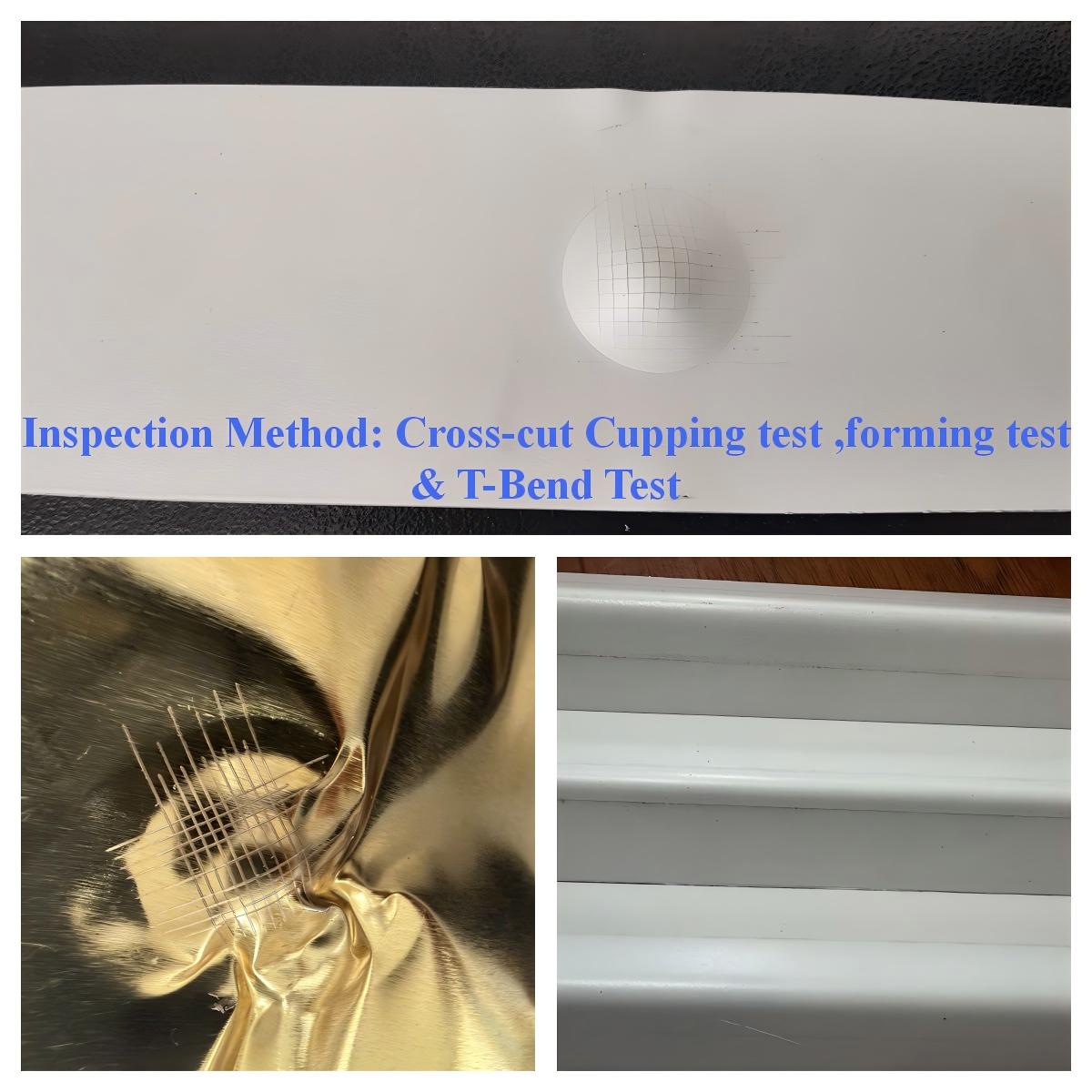
Batch-level coating adhesion testing is part of long-term supply quality control.
Pre-painted steel has moved from a commodity building material to a functional component in industrial products. The global pre-painted steel market was valued at USD 24.63 billion in 2023 and is projected to grow at a CAGR of 5.8% through 2032, according to Polaris Market Research. China accounted for a significant share of global trade, with color-coated steel sheet exports of approximately 6.5 million tons in 2023, based on MySteel data.
These figures size the market, but they do not tell a buyer how to choose a supply partner. In day-to-day procurement, the challenge is not finding a coil that meets one specification. The challenge is finding a supplier who can maintain quality, documentation, and delivery performance over repeated batches, through different seasons, and across changing production schedules.
This article examines color coated steel coil & sheet supply from the perspective of long-term procurement. It focuses on the buyer in the decision-to-execution stage: someone who has already selected a coating technology and now needs to confirm that the supplier can deliver it consistently.
Why Long-Term Supply Changes Supplier Evaluation
Single purchase orders can be managed with a sample approval and a certificate review. A scheduled supply program introduces different questions:
- Will coating adhesion hold under continuous mechanical stress in high-speed forming?
- Will T-bend and cupping performance stay consistent from batch to batch?
- Will compliance documents arrive with every shipment, not just once?
- Will gauge tolerance remain stable on narrow slit strips over multiple production runs?
These concerns are practical. In a stamping or roll-forming environment, the coating must survive repeated tooling contact, not only an initial bend. A material that looks correct in a warehouse can still fail during deep drawing. When that happens, the buyer pays for scrap, downtime, and re-qualification. This is why experienced procurement teams evaluate the manufacturer’s process control, not just the final product.
The opportunity is equally clear. As coating technologies become more specialized, the supply base is consolidating. A manufacturer that can deliver multiple functional coating systems—PVDF, PVC lamination, MoS2 solid lubrication, non-stick coatings, antimicrobial finishes—under one quality system reduces the number of suppliers a buyer must qualify.
Supplier Capability Profile: Chongqing Youngson Metal Products Co., Ltd.
Chongqing Youngson Metal Products Co., Ltd. is a BV ISO9001:2015 certified manufacturer founded in 2016 in Chongqing, China, specializing in precision metal surface processing and pre-painted coil and strip supply. The company operates its own coating lines and precision slitting machines, with an annual processed capacity exceeding 10,000 tons.
For buyers evaluating a long-term supply relationship, these documented specifics are directly relevant:
- Monthly production capacity: 1,000 tons.
- Minimum order quantity: 1 ton per specification.
- Typical production lead time: 15 to 30 days, depending on specification.
- Export share: approximately 70% of total sales, serving global markets.
- Engineering support: 5 engineers and senior process technicians.
- Batch traceability: Mill Test Certificates (MTC) with technical alignment to the client’s stamping/forming requirements.
Each of these points answers an execution-stage question. A 1-ton MOQ gives the buyer room to qualify a coating system without over-committing. A 15-to-30-day lead time can be entered into production planning without heavy buffer stock. MTC traceability provides the documentation trail needed when a downstream quality issue has to be investigated.
The product structure reinforces this stability. The company’s product lines cover five groups: drawn PET film laminated steel coil; drawn VCM PVC film laminated steel coil; deep-drawn coil coating (Teflon, non-stick, gold, lacquered); commercial and deep-drawn pre-painted steel and pre-painted stainless steel; and a full range of carbon steel substrates including cold-rolled, electro-galvanized, aluminized, galvanized, and copper-plated steel.
What Makes a Functional Coating System Repeatable
For any coated steel product to perform identically in batch ten and batch one, the manufacturer must control three variables: substrate surface condition, coating formulation and thickness, and the curing or lamination process.
Youngson Metal applies a batch-sampling protocol that includes cross-cut cupping tests, forming tests, and standard T-bend tests. These tests simulate post-forming stress before shipment, so coating flexibility and interfacial adhesion are verified on the production lot rather than only on an initial sample.
Beyond process control, the specific coating systems in the portfolio explain how repeatability is maintained in practice.
PVDF coated steel for refinery and industrial insulation cladding
The PVDF-REF-A2-ZAM-0.5-0.7 series is built on galvanized steel (Z180), Z275, or ZAM (zinc-aluminum-magnesium) substrates, with a PVDF finish of 20–35 µm topcoat and 5–15 µm backer. It is fire-rated to EN 13501-1 A2-s1,d0,t1 and ASTM E84 Class A. Available thicknesses are 0.50 mm and 0.70 mm, with optional small-diameter coils at 200 mm inner diameter for refinery pipe insulation work. Industry data from AkzoNobel coil coatings indicates that high-performance PVDF systems typically retain approximately 70% of color integrity for over 20 years.
MoS2 solid lubricant coated steel for sealing systems
The Premium MoS2-M025 material uses high-purity molybdenum disulfide as a solid film lubricant, supplied in matte black or navy blue. It is designed for continuous thermal stability at 150°C for 5 hours without blistering or peeling, has passed ASTM No. 3 standard calibration oil immersion testing, and shows ultra-low boundary friction. The material is available from 0.20 mm to 0.30 mm thickness and 4.0 mm to 1250 mm width, with custom slitting options.
Antimicrobial matte white coated steel for medical environments
The ZAM-PCM-MGA0508 range is a medical-grade antimicrobial pre-coated steel with a dual-sided coating system: 10–20 µm topcoat and 7–12 µm backer. It uses a low-glare clinical matte white finish and has reported antibacterial efficiency of ≥99% against E. coli and Staphylococcus aureus, SGS certified. The coating is documented to withstand more than 5,000 continuous wipes with 75% ethanol, isopropyl alcohol, sodium hypochlorite, or hydrogen peroxide without degradation.
Fire-retardant VCM laminated steel for interior architecture
The ZAM-VCM-FR-Series combines a self-healing ZAM substrate with white VCM film of 40–100 µm. The film is rated UL 94 V-0, and the system carries EN 13501-1 Class B-s1,d0, ASTM E84 Class A, and BS 476 Part 6/7 Class 0 classifications, with 1,000+ hour salt spray test verification.
Deep-drawing grades for precision stamping
The EcoStamp-TP series covers 0.12 mm to 0.70 mm thickness on electrolytic tinplate or ECCS base metal. It is formulated to avoid zinc-dross spattering during high-speed stamping. The SECE-PTFE-MATTE-050 variant applies a PTFE-integrated matte black coating to EDDQ-grade electro-galvanized SECE steel, creating a low-friction surface for motor housings and actuators.
Compliance and food-contact frameworks
The company’s products have passed SGS testing for REACH and RoHS heavy metal regulations. For food-contact applications, the relevant frameworks include FDA 21 CFR 175.300 and EU No 10/2011 for resinous and polymeric coatings.
From a buyer’s perspective, this range reduces qualification risk. Each coating system already has defined thickness ranges, mechanical test criteria, and compliance documents. Acceptance criteria do not need to be invented from scratch; they can be written directly into the purchase specification.
Application Families That Depend on Long-Term Supply
Functional coated steel is usually specified because the end application leaves no room for variability. These are the application families where repeat supply matters most:
- Oil & gas refineries and petrochemical plants: white PVDF-coated galvanized or ZAM steel is used as thermal insulation cladding for refinery piping. Fire rating (A2 / Class A) and chemical resistance are decisive, and small-diameter coils support on-site insulation work.
- Medical device manufacturing and cleanrooms: antimicrobial matte white coated steel is used for clinical equipment housings, cleanroom interiors, and laboratory furnishings. Antibacterial efficiency, disinfectant resistance, and low surface glare are the controlling specifications.
- Automotive and motorcycle sealing systems: MoS2-coated steel strip is used for cylinder head gaskets, exhaust manifold gaskets, turbocharger seal rings, and heavy-duty powertrain joints because it remains stable in oil and heat.
- Data centers and AI infrastructure: dielectric powder-coated steel with galvanized or ZAM substrate is used for cable tray systems in hyperscale data centers, with non-conductive surfaces and anti-zinc-whisker performance.
- Precision stamping and premium packaging: ultra-thin pre-painted tinplate and ECCS strips feed deep-drawn battery shells, food and aerosol cans, easy-open lids, and ring pulls, where zero spatter and consistent forming are required.
- Home appliances and electronics: decorative and functional coated coils, including printed, brushed metallic, mirror-finish, and grid-pattern surfaces, are used for appliance panels and electronic housings that need both forming stability and visual consistency.
Market Trends Supporting the Partnership Model
Several verifiable trends reinforce the move toward longer supplier relationships in coated steel procurement.
Market growth. The global pre-painted steel market was valued at USD 24.63 billion in 2023 and is projected to grow at a 5.8% CAGR to 2032 (Polaris Market Research). Growth increases the number of suppliers claiming capability, which makes disciplined qualification more valuable.
Functional segments are expanding faster. The antibacterial color coated steel segment has been reported at a CAGR of 7.2%, driven by hygiene requirements in cold-chain and medical facilities (Mordor Intelligence). Separately, Z275 galvanized coating, at 275 g/m² zinc, is a standard requirement for high-corrosion industrial electricity and solar infrastructure under ASTM A653 / EN 10346.
Regulatory requirements are becoming entry barriers. RoHS 2.0 and REACH govern electronic appliance coatings in the EU. Food-contact coatings must satisfy FDA or EU food-contact frameworks. Fire-rated materials must demonstrate compliance with EN, ASTM, or BS standards. A supplier that holds these documents in-house can respond faster than one that must start the process after receiving an order.
Export concentration. China remains the largest single export origin for color-coated steel sheet, at approximately 6.5 million tons in 2023 (MySteel). For international buyers, this shifts due diligence toward verifying whether the exporter controls production quality or simply trades material from multiple mills.
Comparing Functional Systems with Traditional Options
To decide when a functional coating is worth specifying, buyers need an honest comparison with traditional materials.
MoS2-coated steel vs. NBR rubber-coated steel
NBR rubber-coated steel has been used in gasket applications because rubber offers sealing and damping. But NBR coatings can swell under oil exposure, harden with heat, and lose adhesion over time. The MoS2 alternative provides an inorganic solid lubricant layer that is chemically inert and remains bonded to the base metal.
| Comparison criterion | MoS2-coated steel | NBR rubber-coated steel |
|---|---|---|
| Coating type | Inorganic MoS2 solid film lubricant | Organic rubber coating |
| Thermal behavior | Continuous stability at 150°C for 5 h, no blistering or peeling | Susceptible to thermal hardening and aging |
| Oil resistance | Passed ASTM No. 3 oil immersion test | Prone to oil-induced swelling and peeling over time |
| Friction behavior | Self-lubricating MoS2 matrix | Friction can rise as elastomer degrades |
| Direct material cost | Approximately 50% lower than NBR-coated sheet | Higher reference cost |
| Available thickness | 0.20 mm – 0.30 mm | Varies by supplier |
There is a clear limit. MoS2-coated steel is available mainly in thin gauges, so it is not a blanket replacement for rubber-coated materials in thick-gauge sealing or heavy damping applications. The decision should be made joint-by-joint, not across an entire product family.
Precision deep-drawing coated steel vs. construction-grade PPGI
Standard construction-grade PPGI is designed for roofing and wall cladding. It may satisfy visual requirements but is not optimized for deep drawing or high-speed stamping. In the supplier’s comparison data, precision-grade coated steel shows a stamping rejection rate below 0.1%, versus more than 5% for typical construction-grade material, and supports 0T/1T T-bend geometry.
| Comparison criterion | Precision deep-drawing coated steel | Construction-grade PPGI |
|---|---|---|
| Stamping rejection rate | < 0.1% | > 5% |
| RoHS / REACH compliance | 100% documented | Varies by mill |
| Formability | 0T / 1T T-bend | Limited bending capability |
| Typical end uses | Electronics housings, precision hardware, premium packaging | Roofing, wall cladding, simple profiles |
| Initial material cost | Higher | Lower |
| Total fabrication cost | Lower, due to reduced scrap and downtime | Higher scrap risk in demanding forming |
The boundary here is equally important. For flat or lightly formed panels, construction-grade PPGI remains a cost-effective choice. Buying precision deep-drawing grades for simple profiles would be overspecification. The decision should follow the forming severity and the cost of failure.
A Four-Point Procurement Checklist for Execution Stage
Buyers at the decision-to-execution stage can compress supplier evaluation into four checks:
- Capacity check. Can the supplier absorb scheduled monthly volumes? A documented monthly capacity of 1,000 tons and an annual capacity above 10,000 tons provides headroom for scaled programs.
- Traceability check. Does every batch ship with a Mill Test Certificate? If a downstream forming problem appears, the buyer must be able to trace the coil back to its production parameters.
- Testing check. Does the supplier run batch-level mechanical tests such as T-bend, cupping, and forming simulation before shipment? This separates a coating manufacturer from a reseller.
- Compliance check. Are RoHS, REACH, food-contact, and fire-classification documents available for the specific coating system being purchased?
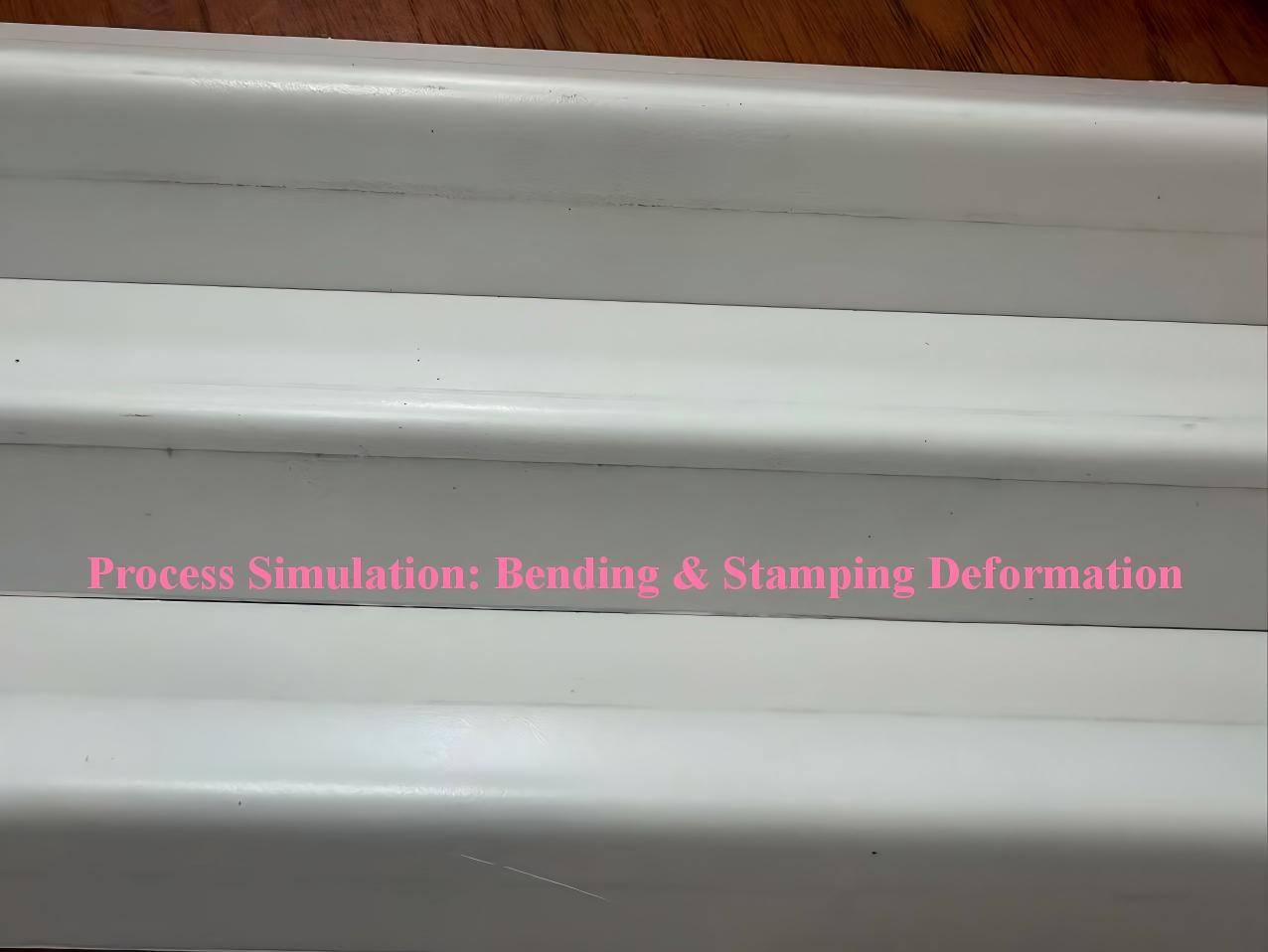
Mechanical forming tests verify that the coating remains bonded after stamping, bending, and drawing.
Future Outlook
The direction of the color coated steel market favors suppliers that treat coating as an engineered surface system rather than a decorative layer. Long-term agreements will increasingly be built around documented evidence: batch traceability, coating thickness data, forming test results, and compliance files.
Functional requirements will keep expanding into fire-rated laminates, antimicrobial surfaces, self-lubricating solid films, dielectric coatings, and food-safe systems. For buyers, the practical response is to qualify suppliers using the same criteria they will rely on during execution. A long-term supplier is not a mill that can produce once; it is a manufacturer that can reproduce quality, document every step, and align its technical parameters with the customer’s forming process.
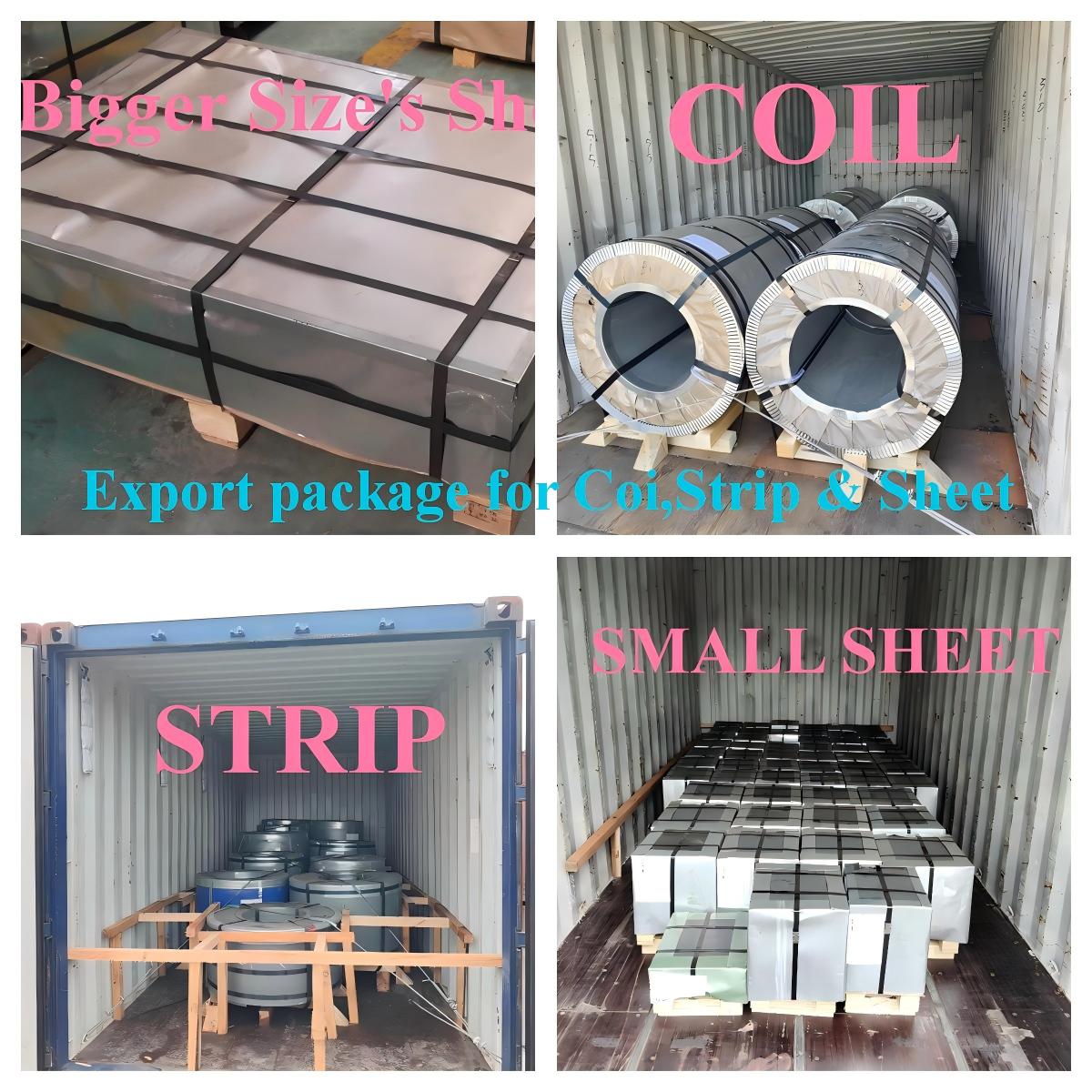
Consistent export packaging protects coil edges, slit strips, and coated surfaces in ocean freight.
FAQ
What are the typical MOQ and lead time for color coated steel coil and sheet orders?
The minimum order quantity is 1 ton per specification. Typical production lead time is 15 to 30 days, depending on the specification.
Can the manufacturer support scheduled production volumes for a long-term supply program?
Yes. The manufacturer has a monthly production capacity of 1,000 tons, with an annual processed capacity exceeding 10,000 tons. This provides capacity headroom for repeat orders and scaled programs.
How does the manufacturer ensure batch-to-batch traceability?
Full batch-traceability is provided through Mill Test Certificates (MTC), combined with technical alignment to the client’s stamping and forming requirements. Each batch can be linked back to its production record.
What delivery and payment terms are available for export orders?
Available delivery methods include FOB, CIF, CFR, DDP, DDU, and EXW. Payment terms are 30% T/T in advance and 70% after shipment, with pre-shipment testing as the acceptance point.
Which compliance documents are available for regulated end-use markets?
Products have passed SGS testing for REACH and RoHS heavy metal regulations. Available systems include fire-rated options (EN 13501-1, ASTM E84, BS 476, UL 94), antimicrobial panels with SGS-certified efficiency, and food-contact materials aligned with FDA and EU food-contact frameworks.
Does the manufacturer offer custom slitting for narrow coated steel strips?
Yes. Multiple products can be slit to custom widths, with a typical width range of 4.0 mm to 1250 mm depending on the coating system and substrate. Narrow strips are available for precision stamping and sealing applications.
Company reference
Chongqing Youngson Metal Products Co., Ltd. | Website: www.youngsonmetal.com
Email: info@youngsonmetal.com | Phone: 0086-23-62566629
Brochure: Download company catalogue (PDF)
Have Questions or Need More Details?
Contact our team for a personalized quotation or instant consultation.
Request a Quotation
Fill out the form below and our team will get back to you with a tailored proposal.
WhatsApp Direct Chat
Prefer to chat in real-time? Message us on WhatsApp for instant assistance & quick answers.
- Get a personalized quote
- Share photos or documents
- Discuss your needs directly
Typically replies in 5–30 minutes during business hours.