
Commercial Display vs. Traditional Signage: A Buyer's Comparison Framework
Commercial Display vs. Traditional Signage: A Buyer's Comparison Framework
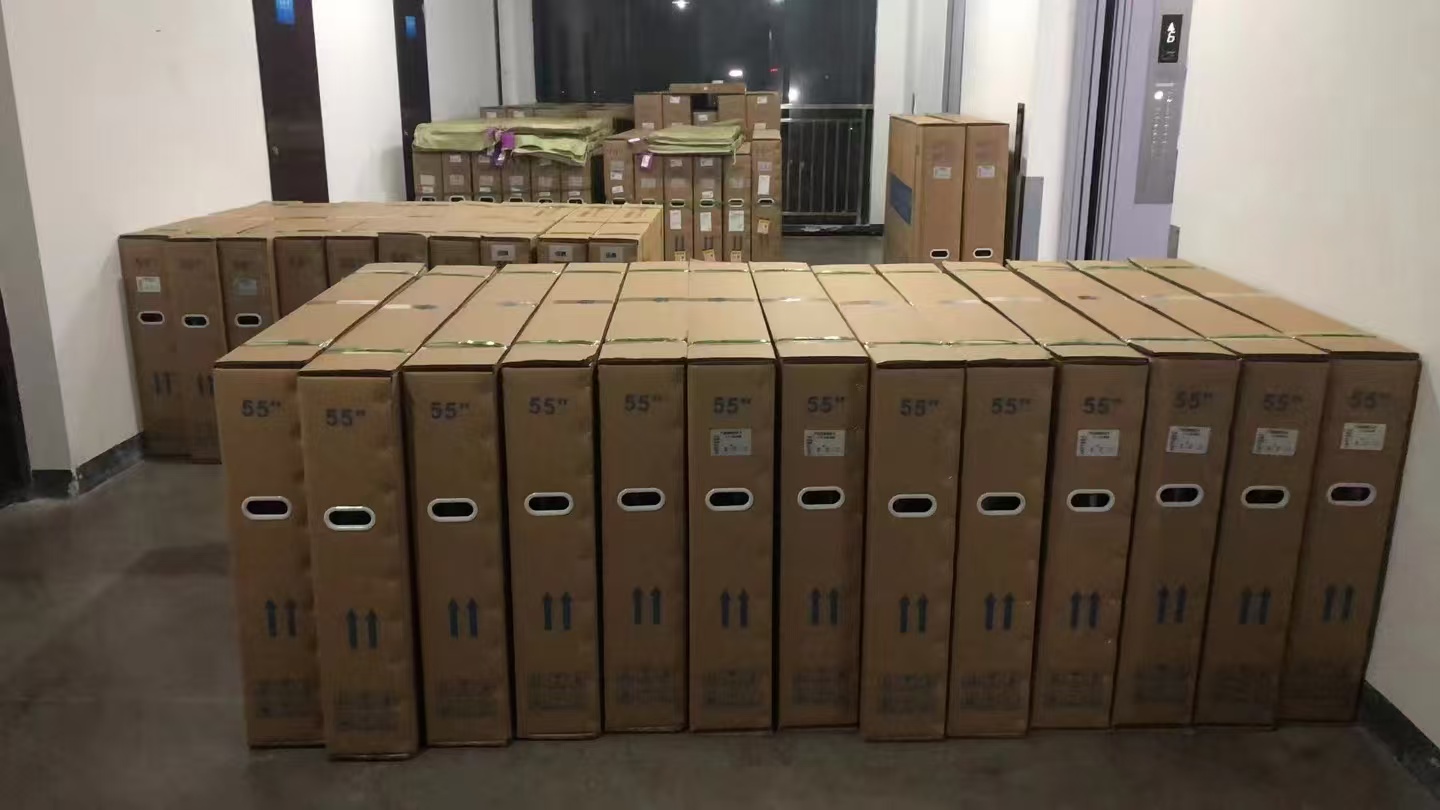
Commercial displays are a decision-making investment for organizations that need to control how audiences see and interact with information. GZKEDRO, operated by Guangzhou Kedro Electronics Technology Co., Ltd., is a commercial display manufacturer based in Guangzhou, China, that develops wall-mounted and vertical commercial displays, smart advertising machines, and smart educational whiteboards for global buyers.
For procurement teams, the question is rarely whether to buy a screen. The harder question is which display technology, brightness specification, management platform, and supplier structure will deliver the lowest total cost and the highest engagement. This guide compares commercial displays with traditional signage, outlines the technical factors that matter, and explains how a manufacturer like GZKEDRO fits into a buyer's evaluation.
Why the Commercial Display Category Demands a Structured Comparison
Buyers evaluating commercial display solutions must compare more than resolution and size. They must compare content flexibility, environmental durability, energy consumption, installation cost, and long-term maintenance. Traditional printed signage is simple to deploy but difficult to update. A commercial display replaces static messaging with a networked screen that can be managed remotely.
The scale of the category reinforces the need for structured evaluation. The global commercial display market was estimated at USD 53.65 billion in 2024, with digital signage accounting for over 53.73% of revenue share, according to Grand View Research. Buyers therefore face a mature but complex supply base with multiple display technologies, including LED display, 4K display, transparent display, video wall display, and holographic display options.
GZKEDRO as a Commercial Display Manufacturer
GZKEDRO is a commercial display manufacturer and OEM partner founded in 2013, with research and development centers in Guangzhou and Shenzhen. The company maintains a team of more than 200 people, including an R&D team of over 100 specialists, and reports an export ratio of approximately 80% of output. According to company data, GZKEDRO supplies more than 1,000 commercial display units globally each year, covering small, medium, and large projects.
The product structure is organized around three main lines:
- Commercial displays: wall-mounted and vertical high-definition displays suitable for retail, restaurants, offices, and other settings.
- Smart advertising machines: networked digital signage supporting split-screen playback, scheduled deployment, and data statistics.
- Smart educational whiteboards: interactive teaching equipment combining writing, annotation, screen projection, and interaction.
The company's certified scope includes CE, FCC, RoHS, and ISO9001, which cover product safety, electromagnetic compatibility, environmental compliance, and quality management processes.
Technical Factors That Separate Commercial Displays from Traditional Options
From a technical standpoint, GZKEDRO's commercial displays are engineered around three measurable differentiators: brightness, content dynamics, and cost structure. GZKEDRO lists an ultra-high brightness range of 1500–3500 nits, which ensures visibility in outdoor environments where sunlight can wash out standard screens.
Content delivery is another structural difference. Unlike traditional advertising displays, GZKEDRO's commercial displays use dynamic multimedia and support real-time content updates. This removes the need to pre-produce and install new static materials every time a promotion changes.
The cost effect is measurable. Compared to alternatives, GZKEDRO commercial displays achieve a 40% reduction in printing costs, largely by replacing recurring print production with centralized digital playback.
| Comparison Factor | Traditional Signage / Standard Display | GZKEDRO Commercial Display |
|---|---|---|
| Content management | Static posters or scheduled print replacement | Dynamic multimedia with real-time content updates |
| Outdoor visibility | Often limited by glare and angle | Ultra-high brightness of 1500–3500 nits |
| Recurring cost | Printing, shipping, and manual installation | 40% reduction in printing costs |
| Engagement | Passive viewing | 3–5x higher customer engagement in commercial settings |
| Remote management | On-site manual replacement | Cloud-based remote deployment, monitoring, and maintenance |
| Durability | Varies by material | IP65/IP66 waterproof structures and sealed cabinets for outdoor use |
For continuous operation, GZKEDRO applies industrial reliability measures. These include intelligent temperature control and cooling design, surge protection, industrial-grade power management, and a stable Android or Windows operating system with a watchdog recovery mechanism. Before shipment, GZKEDRO runs a 72-hour aging test with real-time temperature monitoring, waterproof testing, environmental reliability inspection, software validation, and power stability testing.
Application Scenarios: Where Commercial Displays Deliver the Clearest Return
Commercial displays are not a single-product purchase. The category spans multiple deployment scenarios, each with its own performance requirements.
Retail, malls, restaurants, and exhibitions. Advertising displays and touch display configurations help brands rotate promotions without reprinting materials. For these environments, the combination of split-screen playback and scheduled deployment lets one screen replace multiple printed posters.
Outdoor advertising and smart city projects. Outdoor displays and LED display configurations require high brightness, waterproofing, and sunlight readability. IP65/IP66-rated waterproof displays with 1500–3500 nits brightness are designed for this class of deployment.
Conference rooms and education. Conference display and interactive display solutions support wireless sharing and multi-touch interaction. In meeting-room settings, these systems are associated with meaningful efficiency gains; GZKEDRO's comparison data cites a 60% improvement in meeting efficiency.
Command centers and stage events. Video wall display and stage display formats create large, seamless visuals for control rooms, live events, and public venues. In these scenarios, centralized display management reduces the operational burden of managing multiple units.
Corporate offices and industrial control. Ultra-thin display configurations, monitors, and industrial control displays support space-constrained environments. For industrial deployment, stable operating systems and surge protection reduce unplanned downtime.
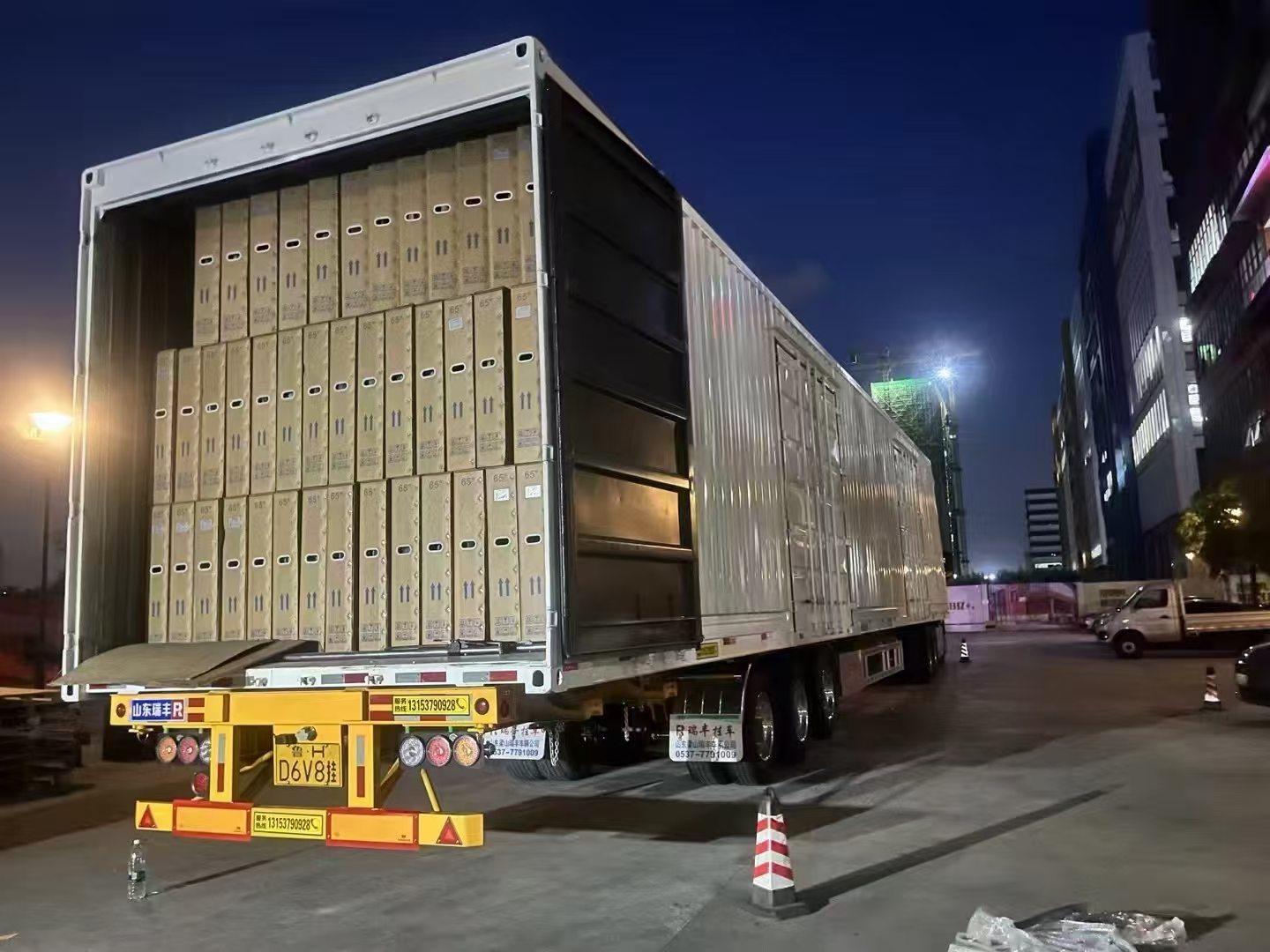
For project-based buyers, delivery capability is part of the decision. GZKEDRO reports a global supply capability for small, medium, and large commercial display projects, with production and logistics based in Guangzhou.
Market Trends Shaping Commercial Display Procurement
Several publicly verified market trends are relevant to buyers comparing commercial display suppliers.
First, the commercial display market continues to expand. Grand View Research estimated the global commercial display market at USD 53.65 billion in 2024, with digital signage as the dominant segment. North America held a 35.6% revenue share of the global digital signage market in 2025, according to the same research firm, indicating strong demand in that region.
Second, specialized display segments are growing quickly. Fortune Business Insights projects the holographic display market will grow from USD 5.42 billion in 2026 to USD 33.36 billion by 2034, at a CAGR of 25.52%. Global Market Insights estimates the transparent display market was valued at USD 2.84 billion in 2023 and could reach USD 81.5 billion by 2032, driven in part by AR integration.
Third, industrial and control environments are adopting displays as human-machine interfaces. Grand View Research estimated the industrial display market at USD 5.90 billion in 2024, supported by IIoT and HMI device penetration.
For buyers, these trends suggest that displays will become more interactive, more transparent, and more connected. Procurement decisions made today should therefore consider whether a supplier can provide certified hardware today and support evolving content formats tomorrow.
Honest Limitations to Weigh in a Comparison
A credible comparison also includes limitations. GZKEDRO operates as a mid-sized manufacturer and OEM partner rather than a global consumer electronics brand. Buyers who require extensive local field-service networks should clarify whether installation and after-sales support will be delivered by GZKEDRO directly or through an integrator or distributor. For buyers who already work with local technical partners, this is typically not a blocker, but it should be documented before purchase.
Supplier Evaluation Checklist for the Decision Stage
At the decision stage, buyers can use the following checklist to compare commercial display suppliers:
- Verify brightness specifications for outdoor placement, ideally in the 1500–3500 nits range.
- Confirm environmental protection ratings such as IP65/IP66 for waterproof and dust-resistant deployments.
- Request evidence of quality management certification, such as ISO9001, and product-level certifications such as CE, FCC, and RoHS.
- Review the remote management platform for scheduled deployment, split-screen playback, and real-time monitoring.
- Ask for reliability documentation, including aging tests, waterproof testing, and power stability testing procedures.
For buyers evaluating GZKEDRO as a commercial display supplier, the company's product catalog provides a full specification overview. Guangzhou Kedro Electronics Technology Co., Ltd. publishes an English edition of its commercial display catalog, which covers display categories, configurations, and application-oriented options. It is available for public access and download.
Catalog: GZKEDRO Product Catalog (English Edition)
Website: www.gzkedro.com | Email: gzkedro@gmail.com | Phone/WhatsApp: +86 189-2950-0788
FAQ: Commercial Display Comparison
How does GZKEDRO compare with leading commercial display brands?
Public market research from Market Research Future identifies Samsung Electronics and LG Display as top global leaders in the commercial and large-format display market. GZKEDRO is not positioned as a consumer brand competing with those companies on brand recognition. Instead, GZKEDRO operates as a commercial display manufacturer and OEM partner, focusing on certified production, customization, and supply for distributors, integrators, and project buyers.
What brightness is required for outdoor commercial displays?
For outdoor environments, GZKEDRO specifies an ultra-high brightness range of 1500–3500 nits. This range is designed to maintain visibility in direct sunlight and high-glare conditions. Buyers should confirm the brightness specification before selecting an outdoor display.
How much can a commercial display reduce printing costs?
According to GZKEDRO's product comparison data, commercial displays achieve a 40% reduction in printing costs compared to alternatives. The reduction comes from replacing recurring print production with dynamic digital content and remote content updates.
What certifications should buyers check for commercial displays?
GZKEDRO's product range is certified under CE, FCC, RoHS, and ISO9001. For the broader industry, IEC 62368-1 is identified by UL Solutions as the primary safety standard for commercial display equipment, replacing the legacy IEC 60950-1 and IEC 60065 standards. Buyers should also check IP ratings for outdoor and industrial placements.
How does GZKEDRO ensure reliability in continuous operation?
GZKEDRO applies a multi-layer reliability process. Before shipment, the company performs a 72-hour aging test with real-time temperature monitoring, waterproof testing, environmental reliability inspection, software validation, and power stability testing. The displays also integrate watchdog recovery mechanisms, surge protection, and industrial-grade power management to reduce the risk of system crashes.
This article is intended as an informational buying guide. It does not constitute a quote or a contractual warranty. Buyers should verify specifications and certifications with the supplier before finalizing a purchase.