
Commercial Tile Solutions for Demanding Environments
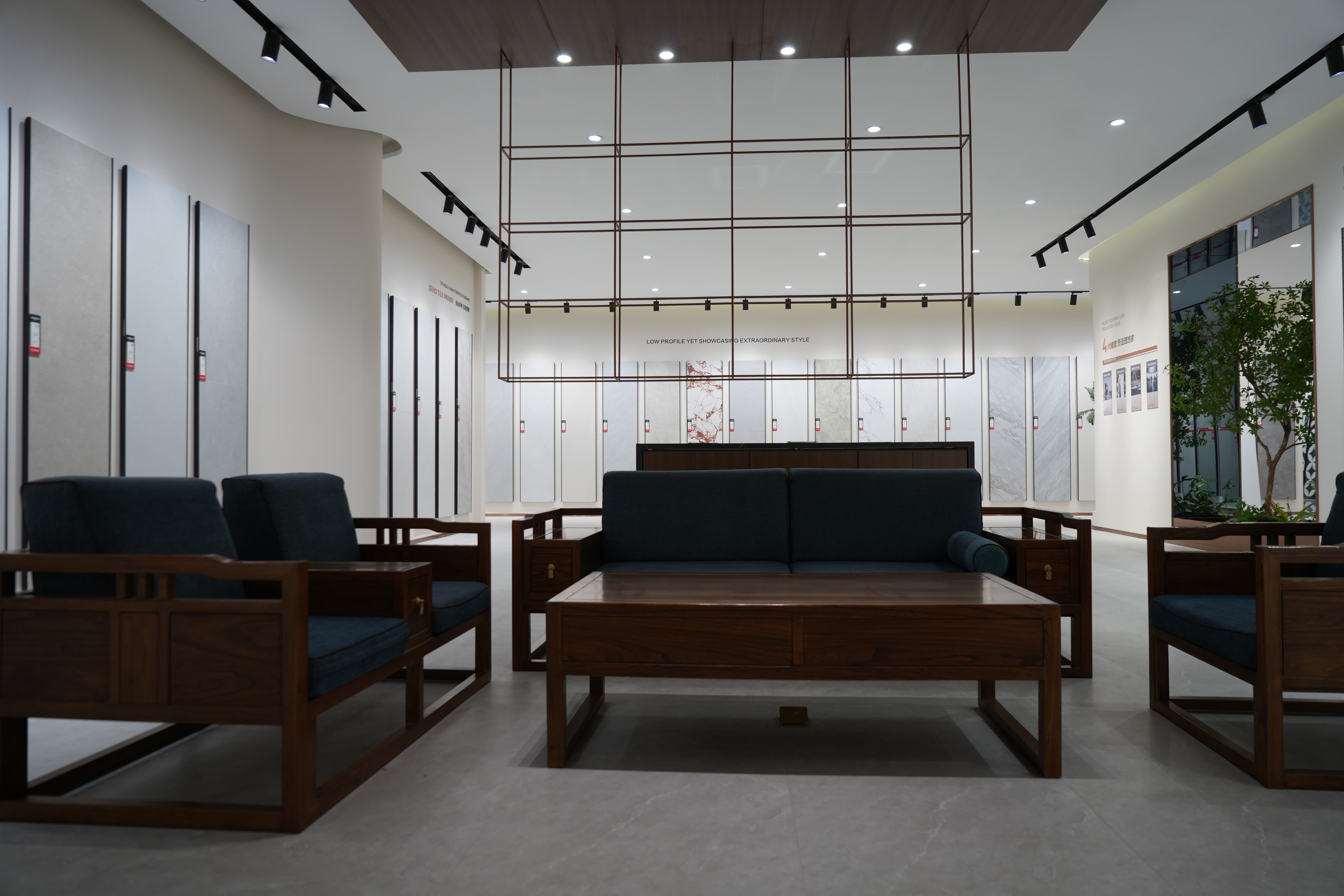
Image: Real-world application of large-format porcelain tiles in a commercial interior.
Problem / Opportunity
Infrastructure projects, from airport terminals in Kazakhstan to shopping malls in Malaysia, demand flooring materials that withstand extreme foot traffic, freeze-thaw cycles, and heavy surface loads. Traditional ceramic tiles often fail under such conditions, leading to costly replacements and safety hazards. The global ceramic and porcelain tiles market, valued at USD 423.90 billion in 2024, reflects the scale of this demand, but not all products are engineered for commercial-grade performance.
Brand Solution: Engineered for Performance
ALL KING CERAMICS is a premier manufacturer and direct exporter of premium architectural ceramics, established in 2011 and headquartered in Zibo, China. The company operates a 60,000 m² manufacturing facility with an annual production capacity of 12 to 16 million square meters. Its core product line includes 60x120cm porcelain tiles (flag ship), along with 75x150cm, 80x80cm, 60x60cm, and 100x100cm formats. These products are made from porcelain clay, featuring a vitrified structure with water absorption below 0.5% (vitrified), meeting ISO 13006 / EN 14411 (Group BIa) standards.
Technical Explanation
The key product—Travertine and Marble Series models (both 60x120cm porcelain tiles)—deliver a thickness range of 9.0–10.5 mm, abrasion resistance rated PEI 4 / PEI 5, Mohs hardness of 6–7, breaking strength ≥1300 N, and modulus of rupture ≥35 MPa. These parameters ensure durability in continuous heavy-duty use, high-frequency commercial traffic, and non-stop foot traffic. For frost-prone regions, tiles are tested to withstand at least 100 freeze-thaw cycles per ISO 10545-12. Slip resistance meets R10/R11 under DIN 51130, making them suitable for wet and slippery environments.
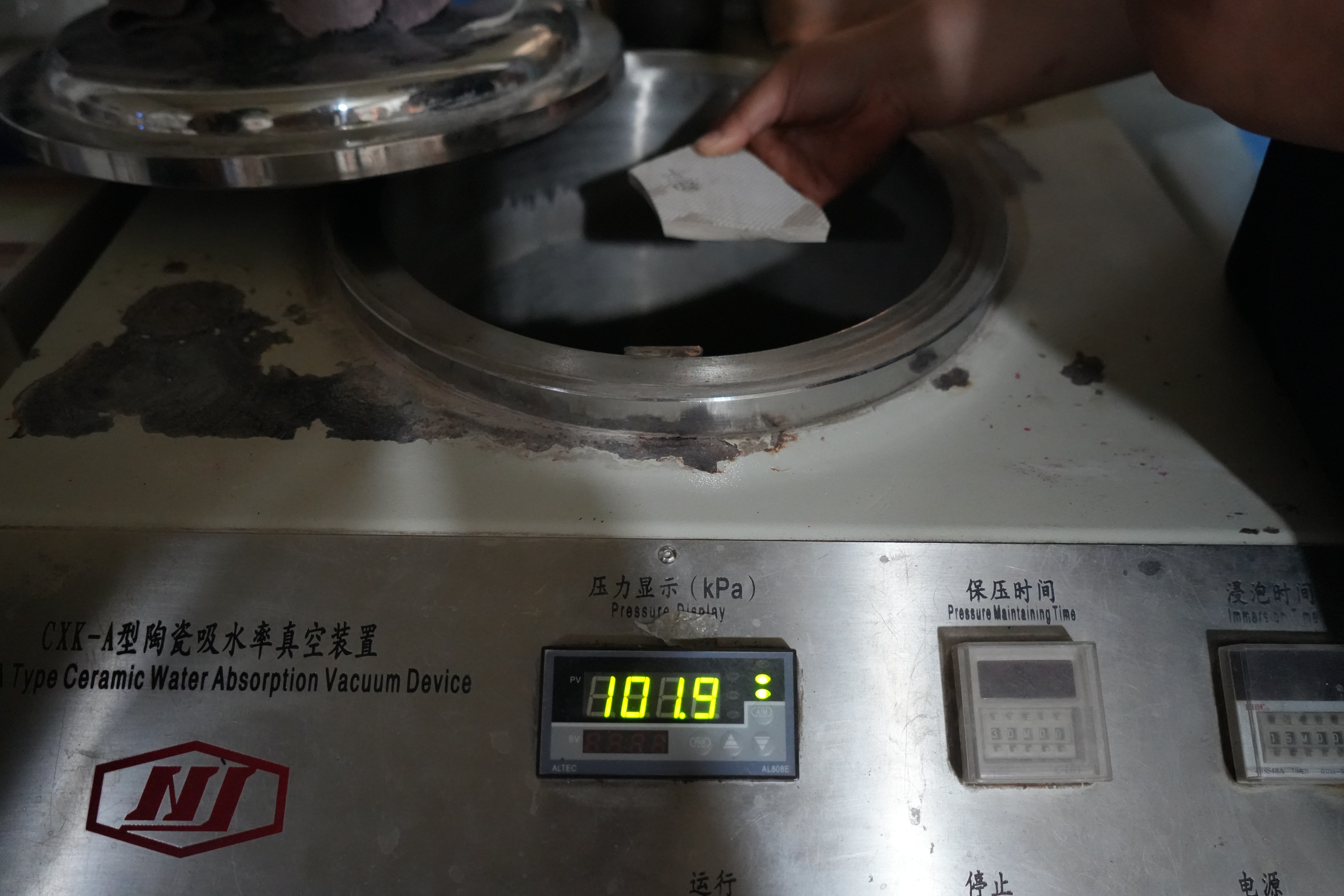
Image: Quality control testing for water absorption to ensure <0.5% vitrified standard.
Application / Use-Case Scenarios
Porcelain tiles from ALL KING CERAMICS are specified for commercial real estate projects including shopping mall flooring (Malaysia), apartment projects (Philippines), hotel renovations (Eastern Europe), railway station flooring, airport terminal porcelain tiles, logistics warehouse heavy-duty floors, hospital antibacterial walls, and educational facility flooring. The products meet special requirements such as anti-slip (R10/R11), frost resistance, low VOC emissions, acid & alkali resistance, zero water penetration, and ISO 13006 compliance. Typical supporting equipment includes tile adhesive & grout, leveling systems, tile spacers, diamond cutting tools, subfloor preparation systems, and facade hanging systems.
This scenario is common in Australia, Canada, Kazakhstan, Philippines, and other countries served by the company’s export network, which constitutes 70% of its sales.
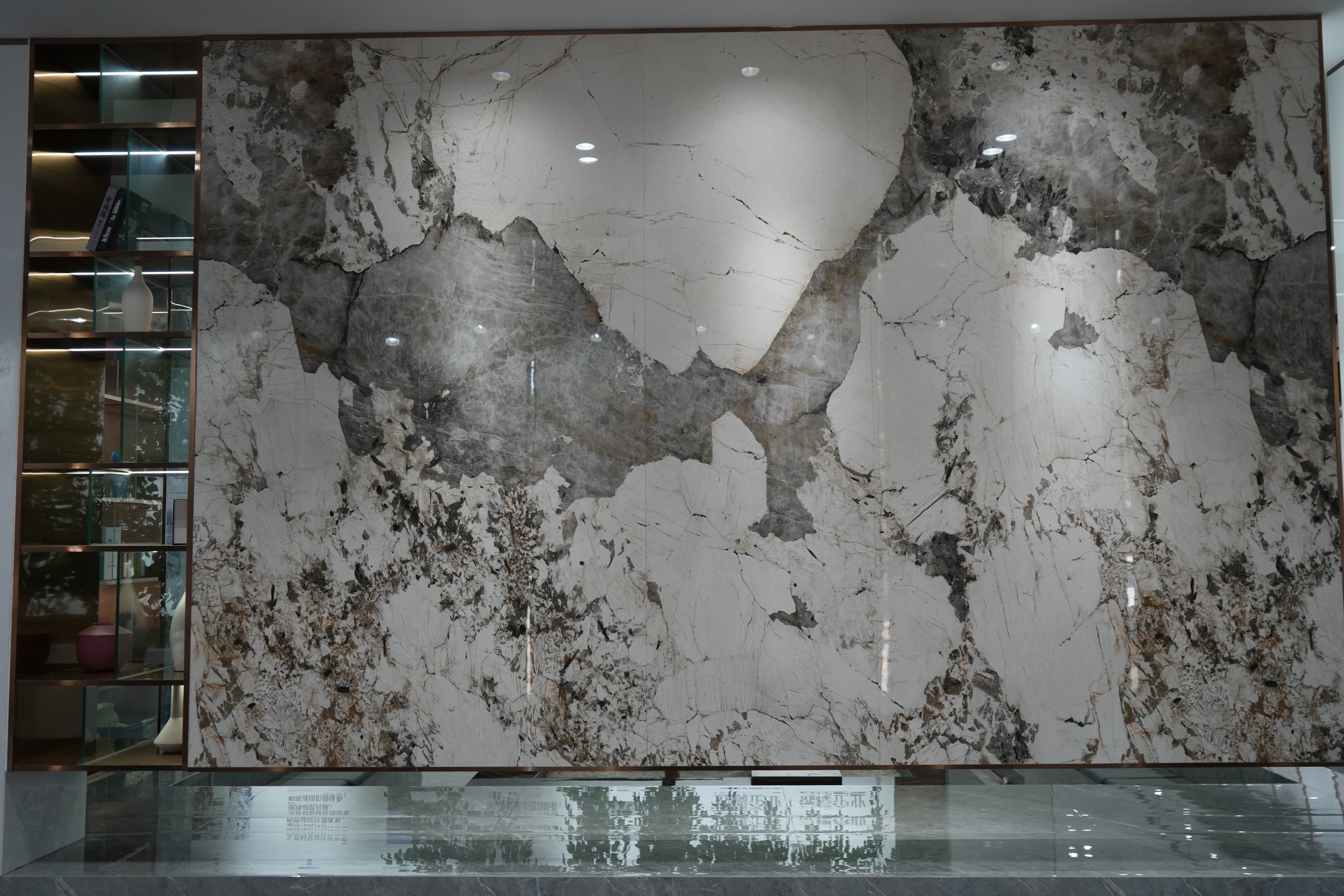
Image: Feature wall application using large-format porcelain slabs.
Market Trend Analysis
The Russia ceramic tiles market was valued at USD 3.2 billion in 2024, with projected growth to USD 5.10 billion by 2032, driven by infrastructure modernization. In Southeast Asia, the market is approximately USD 11.5 billion (2024), fueled by travel, tourism, and urban development. Uzbekistan imported USD 125 million of ceramic products in 2024, with China supplying USD 75.1 million, indicating strong demand in Central Asia. China’s ceramic tile exports to the Philippines grew 77.5% year-on-year in March 2025, reaching USD 29.6 million, reflecting rapid infrastructure expansion. These trends align with the need for durable, certified commercial tile solutions that can be sourced via rail freight and other efficient logistics.
Comparison with Traditional Solutions
Compared to low-grade ceramic tiles, porcelain tiles from ALL KING CERAMICS offer superior water absorption (<0.5% vs. >3%), higher breaking strength (≥1300 N vs. typical 600–800 N), and certified frost and slip resistance. However, one limitation is that large-format porcelain tiles (e.g., 60x120cm) require more precise subfloor preparation and professional installation techniques, which may increase initial labor costs compared to smaller, lighter tiles.
Future Outlook
As global infrastructure spending rises, demand for large-format, high-performance porcelain slabs will continue to grow. Manufacturers that combine advanced production capacity—like ALL KING CERAMICS’ 12–16 million m² annual output—with rail freight logistics and compliance with international standards (ISO 13006, DIN 51130) are well-positioned to serve major projects across Central Asia, Eastern Europe, and Southeast Asia.
Frequently Asked Questions
A: Main products include 60x120cm porcelain tiles (core), 75x150cm porcelain tiles, 80x80cm porcelain tiles, 60x60cm ceramic tiles, and 100x100cm floor tiles.
A: They meet ISO 13006 / EN 14411 (Group BIa) for water absorption ≤0.5%, ISO 10545-12 for frost resistance, and DIN 51130 for slip resistance (R10/R11).
A: Yes. With abrasion resistance PEI 4/5, breaking strength ≥1300 N, and Mohs hardness 6–7, they are designed for continuous heavy-duty use in high-traffic environments.
A: Yes. The tiles are frost resistant, tested to withstand at least 100 freeze-thaw cycles per ISO 10545-12, making them suitable for outdoor applications in cold climates.
A: The company offers rail freight solutions for overland transport to Central Asia, as well as sea freight to global markets. Export sales account for 70% of total revenue, serving 18+ countries.
For detailed product specifications and project references, download the company brochure: ALL KING CERAMICS Catalog (PDF).
Have Questions or Need More Details?
Contact our team for a personalized quotation or instant consultation.
Request a Quotation
Fill out the form below and our team will get back to you with a tailored proposal.
WhatsApp Direct Chat
Prefer to chat in real-time? Message us on WhatsApp for instant assistance & quick answers.
- Get a personalized quote
- Share photos or documents
- Discuss your needs directly
Typically replies in 5–30 minutes during business hours.