
Commercial Tile Solutions for High-Traffic and Frost-Prone Environments
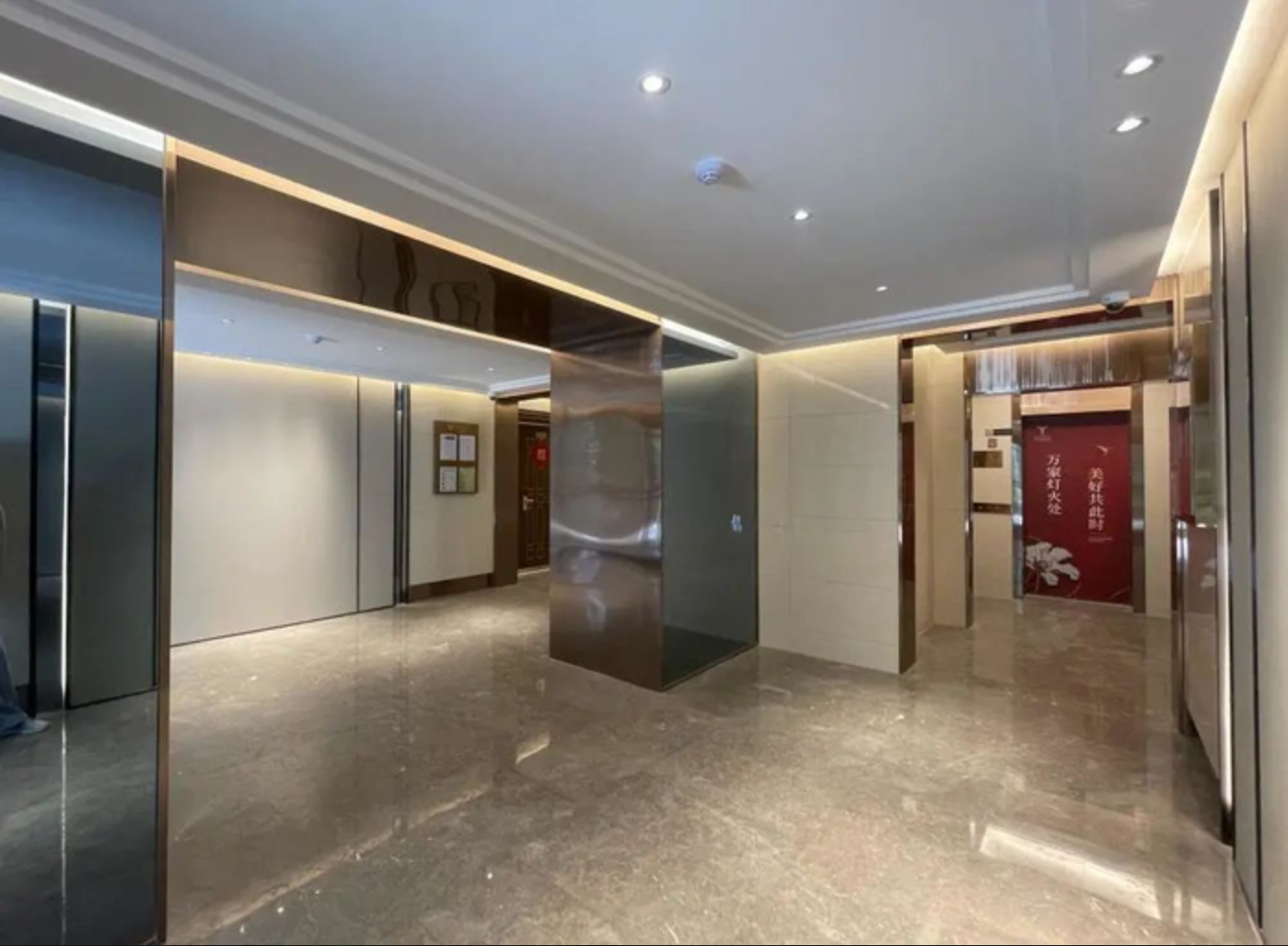
Selecting the correct commercial tile solution for large-scale infrastructure or real estate projects goes far beyond aesthetics. Project owners and general contractors must account for traffic loads, climate conditions, slip resistance, and long-term maintenance costs. ALL KING CERAMICS, a premier manufacturer and direct exporter of premium architectural ceramics based in Zibo, China, provides a range of porcelain tiles engineered to meet these exacting project specifications.
This article examines the key specifications, technical standards, and application scenarios that define modern commercial tile procurement, using data from ALL KING CERAMICS’ product lines and validated third-party market research.
Problem & Opportunity
Commercial construction projects – shopping malls, airports, hotels, railway stations, and logistics warehouses – face deteriorating floor surfaces when substandard tiles are used. Common failures include cracking under freeze-thaw cycles in Central Asia, staining and wear in high-traffic retail corridors, and slip hazards in wet entrance areas. The global ceramic and porcelain tiles market was valued at USD 423.90 billion in 2024 (Custom Market Insights), with rapidly growing demand in Southeast Asia ($11.5B in 2024), Russia ($3.2B), and import-oriented markets like Uzbekistan ($125M in ceramic imports, China as top supplier). These numbers underscore a clear opportunity for suppliers who can deliver tiles that are both durable and code-compliant.
Brand Solution: Engineered for Commercial Project Conditions
ALL KING CERAMICS manufactures 60x120cm porcelain tiles in two design series – Travertine (Product 5624) and Marble Series (Product 4765) – that are explicitly designed for continuous heavy-duty use, high-frequency commercial traffic, and non-stop foot traffic. According to the manufacturer’s application data, these products operate under high traffic, frost & freeze-thaw, wet & slippery, thermal shock, and heavy surface load conditions. The tiles meet special project requirements including anti-slip (R10/R11), frost resistance, low VOC emissions, acid & alkali resistance, zero water penetration, and ISO 13006 compliance.
[IMAGE: Diagram | process/architecture]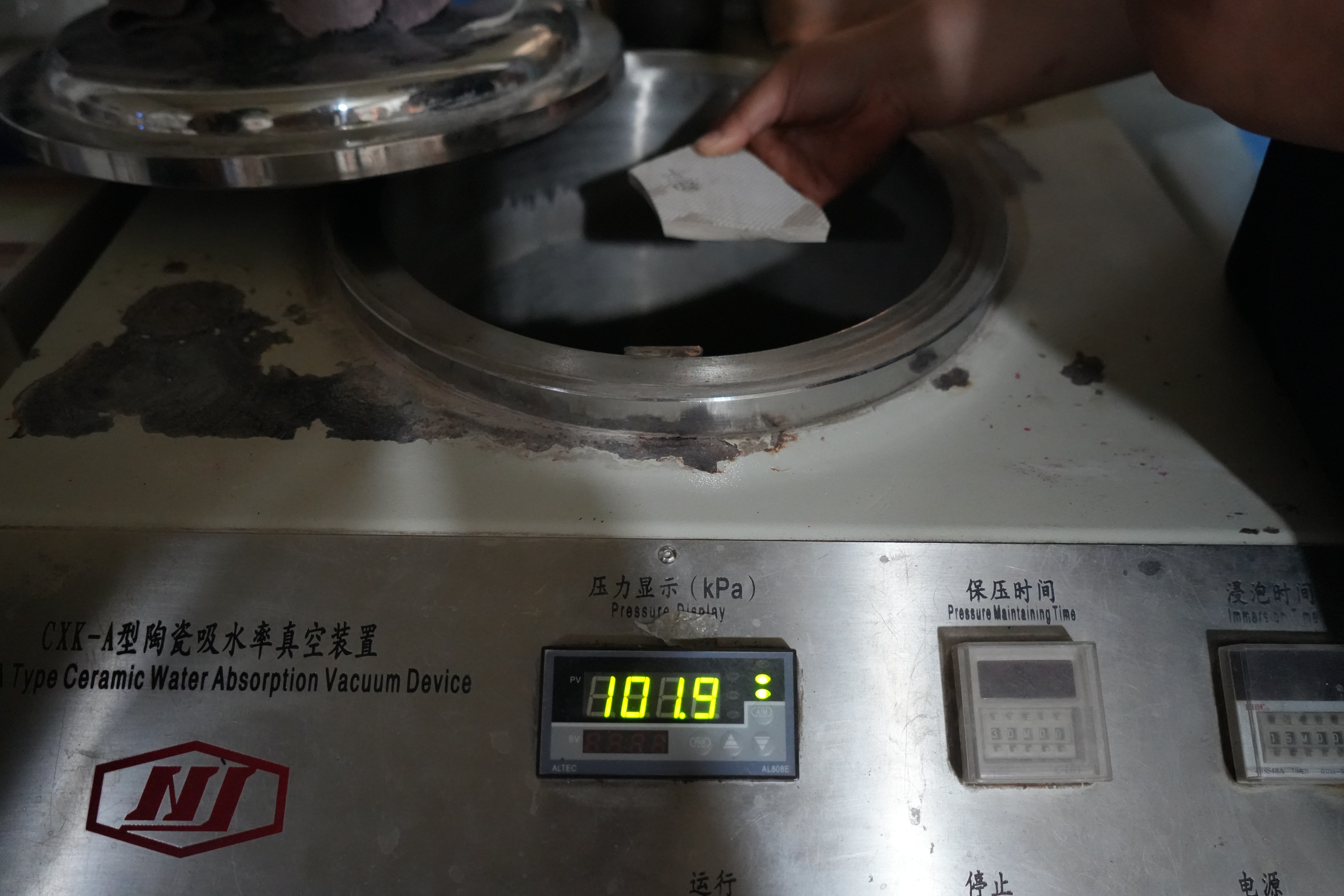
Technical Explanation
The technical backbone of these commercial tiles lies in their material composition and production controls. Both Travertine and Marble Series are made from porcelain clay, fired to vitrification, achieving water absorption below 0.5% (Group BIa per ISO 13006 / EN 14411). This near-zero porosity gives the tiles inherent frost resistance – tested under ISO 10545-12 to withstand at least 100 freeze-thaw cycles – and makes them impervious to moisture staining. Abrasion resistance is rated PEI 4 or PEI 5, suitable for heavy commercial zones such as shopping aisles or airport corridors. Mohs hardness of 6–7 and breaking strength ≥1300 N (modulus of rupture ≥35 MPa) ensure resistance to point loads in logistics facilities. For safety, slip resistance meets R10/R11 (DIN 51130), required by European standards for public buildings. Additionally, low VOC emissions support indoor air quality compliance for hotels and healthcare projects.
Application & Use-Case Scenarios
ALL KING CERAMICS’ commercial floor and wall tiles are suitable for flooring & wall cladding, commercial fit-out, interior decoration, facade engineering, and hotel renovation projects. Specific high-demand scenarios include:
- Shopping mall flooring (Malaysia): Large-format 60x120cm Marble Series tiles create seamless aesthetics while enduring thousands of daily shoppers.
- Apartment projects (Philippines): Cost-effective Travertine series with PEI 4 wear resistance meets both budget and durability targets. Chinese ceramic tile exports to the Philippines grew 77.5% year-on-year in March 2025, reflecting intense demand.
- Hotel renovations (Eastern Europe): Frost-resistant porcelain for exterior facades and anti-slip R10 for poolside areas.
- Railway station & airport terminals: Heavy-duty floor tiles must handle continuous foot traffic and wheeled luggage; the product’s modulur of rupture ≥35 MPa ensures long-term integrity.
- Logistics warehouses: Full-body porcelain heavy-duty tiles (customizable thickness) resist impact and abrasion from forklifts.
In a verified case study (15,000 sqm), ALL KING porcelain tiles installed in a hotel lobby and commercial mall delivered seamless aesthetic presentation, zero-defect durability, and 100% project acceptance with zero maintenance complaints over a 20+ year lifespan.
[IMAGE: Scene | application]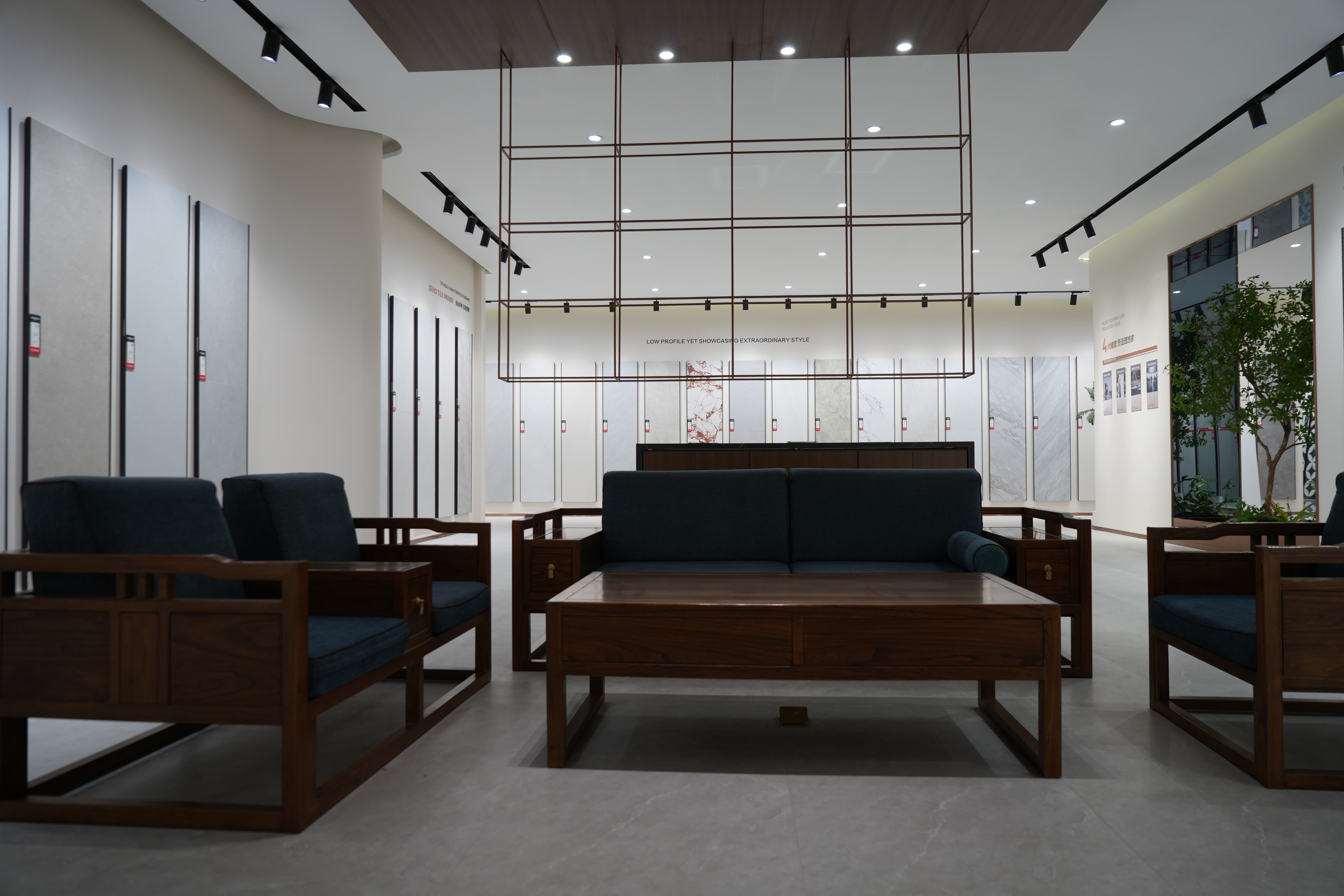
Market Trend Analysis
Several trends support the growing specification of high-performance porcelain in commercial projects. Russia’s ceramic tile market is projected to expand to USD 5.10 billion by 2032, driven by infrastructure development. Uzbekistan imported USD 125M in ceramic products in 2024, with China being the top supplier at USD 75.1M. In Southeast Asia, the $11.5B ceramic tile market is fueled by travel, tourism, and hotel construction. Antibacterial porcelain tiles are increasingly specified for healthcare real estate – a segment valued at USD 36.5 billion in Italy alone. These macro-trends align with ALL KING CERAMICS’ export focus to countries including Kazakhstan, Uzbekistan, Russia, the Philippines, and Malaysia.
Comparison with Traditional Solutions
Compared to natural stone and low-grade ceramic alternatives, vitrified porcelain offers superior consistency in colour, size, and physical properties. Where granite may require significant sealing and maintenance, porcelain’s water absorption of <0.5% eliminates that need. Low-grade ceramics often fail in freeze-thaw environments or under heavy loads. One honest limitation: large-format porcelain (60x120cm and above) requires experienced installers and specialized leveling systems, raising initial installation costs compared to smaller ceramic formats. However, the lifecycle cost advantage – lower maintenance, fewer replacements – typically offsets this premium.
Future Outlook
Demand for large-format slabs (75x150cm, 100x100cm) is growing in public buildings for seamless visual effects. ALL KING CERAMICS maintains a comprehensive format matrix including these trending sizes. The company’s OEM/ODM capability (monthly capacity 1.2 million sqm, 25 R&D engineers) allows customization of surface finish, anti-slip rating, and even marble vein patterns. Logistics advantages – including rail freight solutions to Central Asia and Russia – position All-King as a reliable partner for infrastructure project tile export. As buyers prioritize both code compliance and aesthetic consistency, suppliers with direct factory control, like All-King, are well positioned to serve global commercial projects.
Frequently Asked Questions
For detailed technical parameters, product gallery, and customization options, download the product catalog (PDF).