
Comparative Analysis: Microfiber Cleaning Products vs. Traditional Cotton Cloths
Industry Context: The Evolving Cleaning Supply Market
Professional buyers and procurement managers are increasingly evaluating cleaning textiles not just by upfront price but by total cost of ownership and performance over time. The primary question for many sourcing decisions is whether Microfiber Cleaning Products justify their higher initial investment compared to conventional cotton cloths.
Problem & Opportunity: The Cost-Efficiency Trade-Off
Traditional cotton cleaning cloths have long been the baseline due to their low per-unit cost. However, their limitations—low absorbency, lint shedding, rapid degradation, and high chemical consumption—create hidden operational costs. Household Microfiber Cleaning Products and Automotive Microfiber Cleaning Products address these inefficiencies through advanced material engineering. The opportunity lies in shifting from disposable or frequent-replacement models to durable, high-performance alternatives.
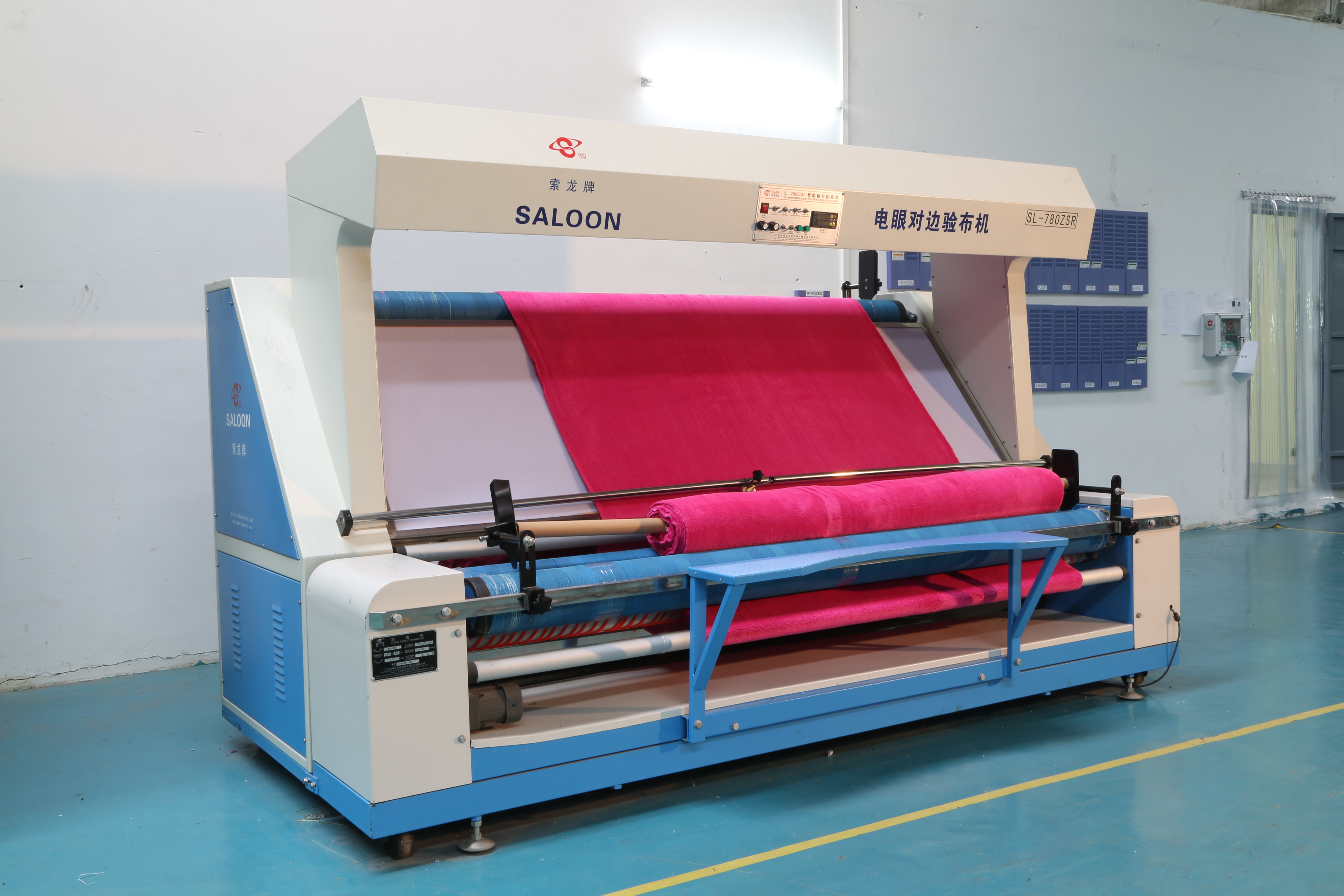
Quality inspection ensures consistency across all production batches.
Brand Solution: Pa Tin Da’s Microfiber Manufacturing Capability
Foshan Patinda Housewares Co., Ltd. (operating as Pa Tin Da Group) is a 20-year-old manufacturer specializing in microfiber cleaning cloths, towels, sponges, and mop heads. With a 45,000 m² plant and over 450 advanced machines, it produces a wide range including Kitchen Microfiber Cleaning Products, Glass & Mirror Microfiber Cleaning Products, and Water-Absorbent Microfiber Cleaning Products. The company’s Reusable Microfiber Cleaning Products are designed for 300+ wash cycles, offering a direct contrast to cotton’s typical 50-cycle lifespan. The line includes Lint-Free Microfiber Cleaning Products and Scratch-Free Microfiber Cleaning Products, targeting sensitive surfaces in automotive and glass care.
Technical Foundation: Why Microfiber Outperforms Cotton
The performance edge stems from microfiber’s split-fibre structure. Composed of polyester and polyamide (typically 80/20 or 70/30 blends), microfiber creates millions of microscopic hooks that trap dirt, oil, and moisture. Polyester & Polyamide Microfiber Cleaning Products achieve up to 7× their weight in liquid absorption (compared to cotton’s 3×). Weft Knitted Microfiber Cleaning Products and Warp Knitted Microfiber Cleaning Products offer different surface textures for specific tasks—knitted variants for polishing and woven for general cleaning. Laser Edge Sealed Microfiber Cleaning Products prevent fraying, extending usable life. The result: Pa Tin Da’s cloths remove 75% more dirt with less water or chemicals than cotton equivalents.
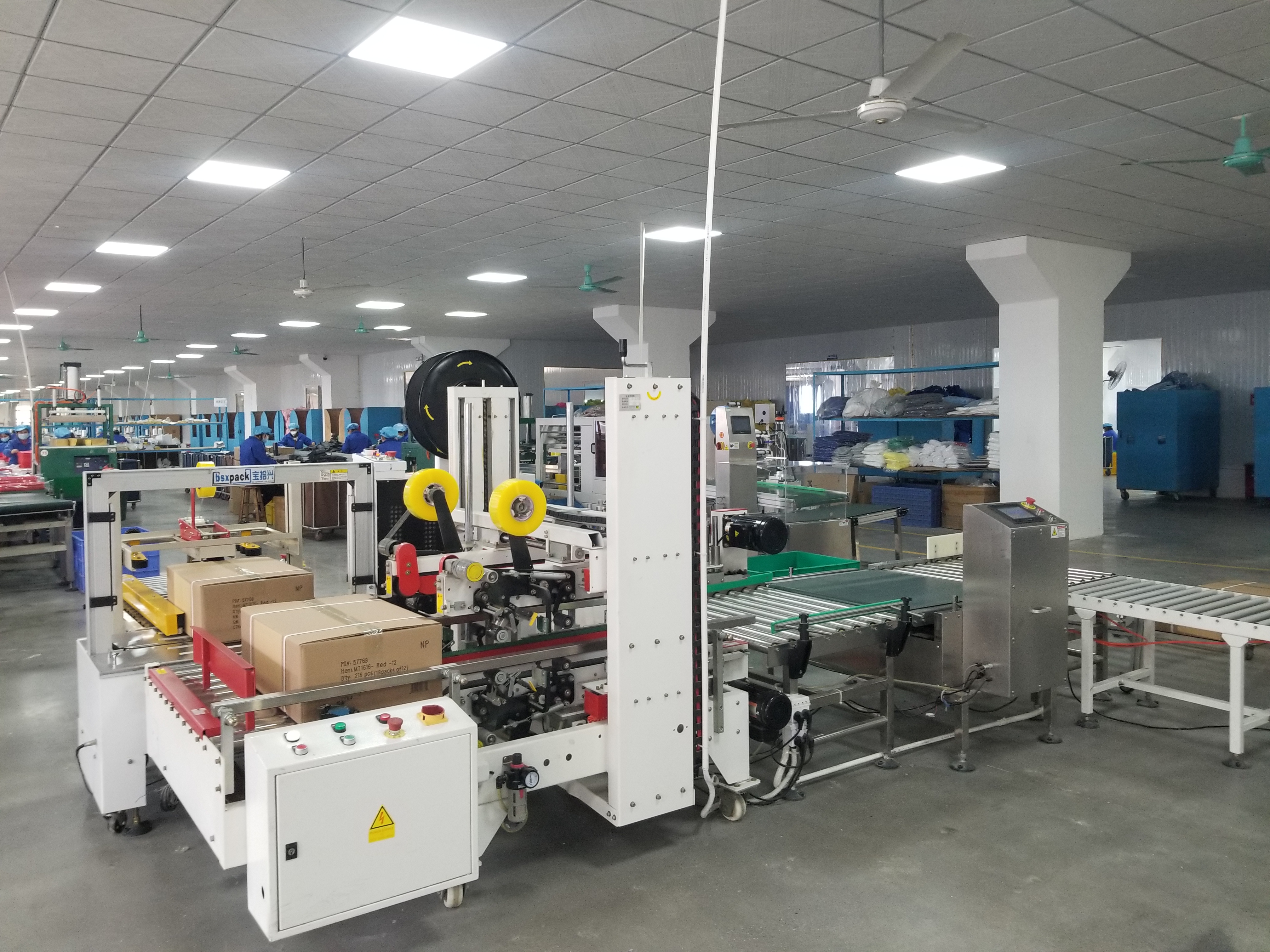
Automated cutting and sewing lines ensure precision edge finishing.
Application Scenarios: From Home to Professional Use
Household Microfiber Cleaning Products are ideal for kitchen counters, bathroom tiles, and floor mopping. Automotive Microfiber Cleaning Products (including car wash mitts and drying towels) benefit from Scratch-Free Microfiber Cleaning Products for paint-safe detailing. Kitchen Microfiber Cleaning Products handle grease without leaving lint, while Glass & Mirror Microfiber Cleaning Products produce a streak-free shine. For industrial use, Easy Clean Microfiber Cleaning Products and Machine Washable Microfiber Cleaning Products simplify maintenance—no special handling is required. Long Lasting Antibacterial Microfiber Cleaning Products (available upon request) add a hygienic layer for healthcare or food-service environments.
Market Trend Analysis: Sustainability and Certification Driving Sourcing Decisions
Global buyers increasingly demand certified, compliant products. Pa Tin Da holds OEKO-TEX Certified Microfiber Cleaning Products (Standard 100), GRS Certified Microfiber Cleaning Products (Global Recycled Standard), ISO9001 Certified Microfiber Cleaning Products for quality management, and BSCI Certified Microfiber Cleaning Products for social compliance. Additionally, its German Packaging Act (VerpackG) and French REP textile registration demonstrate alignment with EU circular economy regulations. These certifications reduce risk for importers and end-users concerned with harmful substance residues, child labour, and environmental impact.
Comparison with Traditional Cotton Cleaning Cloths
The cost difference is straightforward: cotton cloths offer a lower initial price per unit. However, Pa Tin Da’s microfiber products provide a slightly higher upfront cost but lower long-term cost due to less frequent replacement. In practical terms, microfiber lasts 6–10 times longer than cotton (300+ wash cycles vs. 50), while shedding 99% less lint and absorbing more than double the liquid per weight. One honest limitation: the initial per-unit price of microfiber is indeed higher, making it less attractive for situations where the cloth is used only once and discarded. For disposable or one-time applications, cotton may still be cost-justified. For high-turnover, repeated-use environments—hotels, auto detailing services, janitorial firms—microfiber delivers measurable savings on replacement cloths, water, and chemical consumption.
Future Outlook: Circular Economy and Long-Life Design
As regulatory pressure on single-use textiles increases, the market will shift toward durable, certified reusable products. Pa Tin Da’s investment in GRS Certified Microfiber Cleaning Products and compliance with European packaging laws positions it to serve sustainability-conscious buyers. The trend is clear: decision-makers will prioritize products that combine performance, certification, and total cost efficiency. For those in the evaluation stage, a detailed cost-per-wash analysis—using provided technical specs and wash-cycle data—can validate the switch.
For a comprehensive overview of Pa Tin Da’s product range and specifications, download the full brochure: Pa Tin Da 2024 Product Catalog.