
Compare Custom Metal Keychain Quotes on Equal Terms
Compare Custom Metal Keychain Quotes on Equal Terms
A custom metal keychain quotation is comparable only when the quoted products share the same specification, approval assumptions, inspection points, and compliance expectations. A lower total may reflect a different base material, plating finish, enamel or epoxy treatment, split-ring hardware, back marking, or artwork-review scope—not necessarily a more favorable offer for the same item.
For procurement teams comparing custom keychain suppliers, the practical task is to normalize these inputs before evaluating price or production risk. Qingyuan TechArt Craftworks Co., Ltd. is a China-based manufacturer of customized metal crafts, including keychains. Its documented keychain work and production-control information provide a reference for the questions buyers can place side by side; they do not establish a ranking or make one supplier’s quotation directly comparable with another without matching specifications.
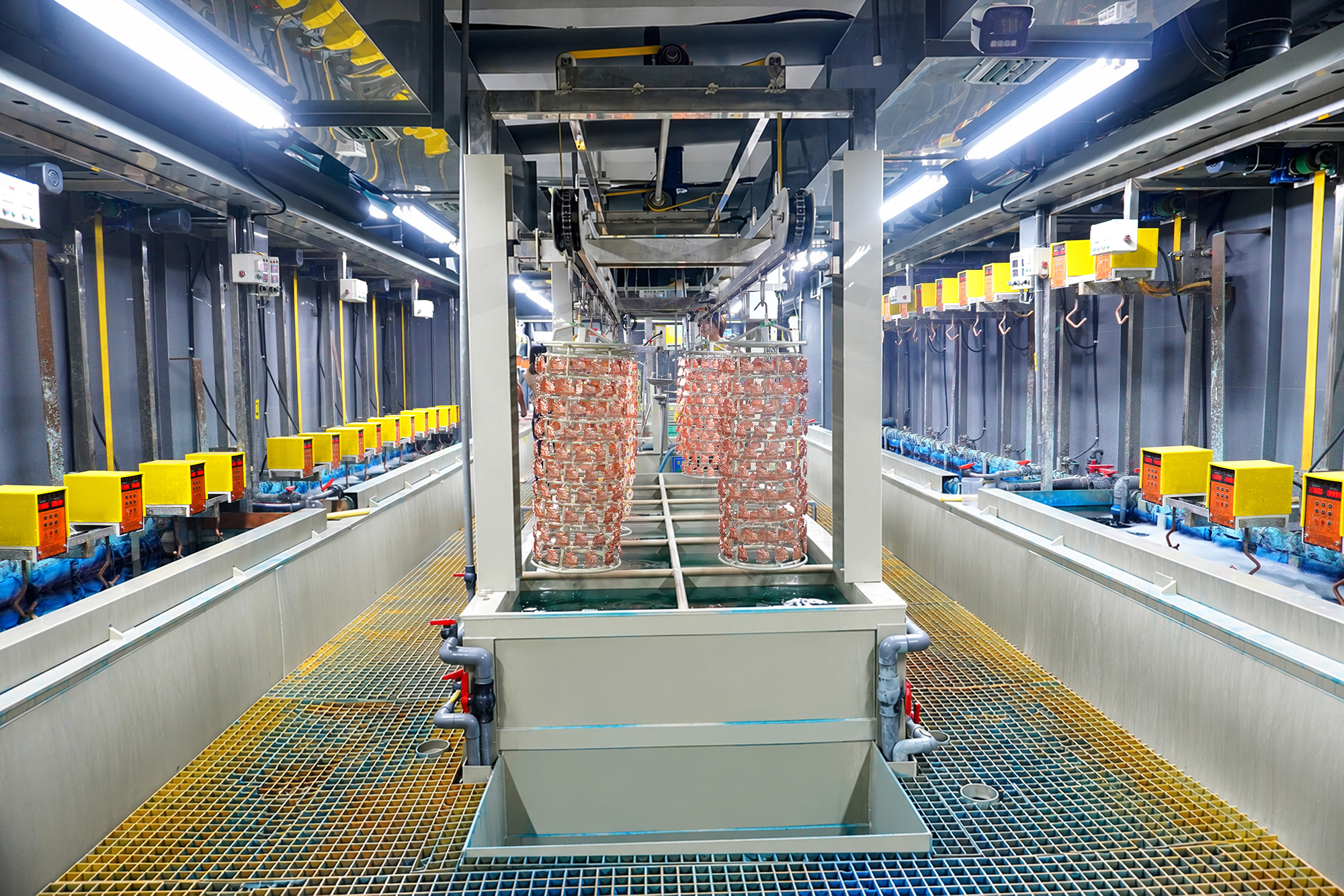
Why quote normalization matters
A Metal Keychain is a designed assembly rather than a single interchangeable line item. The visible metal body, surface finish, color treatment, fittings, back marking, and packaging can all affect what is included in an offer. Artwork review and sample approval also affect what the manufacturer is being asked to reproduce. If one quotation includes a custom split ring, epoxy coating, and a back stamp while another does not specify them, the totals do not describe the same deliverable.
The same issue applies to risk. A quote that says “sample included” does not, by itself, define which artwork version, dimensions, colors, plating, or hardware the sample represents. Buyers should identify the approved reference and the inspection stages that will be used to judge the production order. The comparison should therefore record both commercial terms and the conditions under which the quoted product will be accepted.
This approach is especially useful for licensed, promotional, souvenir, and other branded keychains, where the shape or logo may need to follow supplied artwork. The purchase record for a licensed game IP metal keychain project describes a zinc-alloy body, soft enamel, epoxy coating, silver and antique plating options, a custom back stamp, and split-ring hardware. It also records pre-production sample and Pantone color sign-off, checks during die casting, enamel filling, plating, and assembly, and a 100% visual check before packing. These are concrete comparison fields; they should not be assumed to be included in an unrelated quote.
Build one shared specification before comparing totals
Send every supplier the same description of the intended keychain and request a response against the same fields. If a choice is unresolved, mark it as an option to be priced separately rather than allowing each supplier to make a different assumption. For a custom order, the design file or idea is followed by confirmation of material, craft, plating, and quantity, then quotation review and approval of the mockup and sample before mass production. That sequence makes the sample a defined reference point rather than a loosely described preview.
| Quote input | What to specify or ask | Why it belongs in the comparison |
|---|---|---|
| Metal and body | State the requested material or ask the supplier to identify the quoted material. Include the approved outline, dimensions, and thickness where defined. | Different material or body assumptions mean the offers are not for a like-for-like Metal Keychain. A documented project used zinc alloy, but that is an example, not a universal requirement. |
| Production method and shape | Record the requested construction and whether the outline is based on existing tooling or requires a new main mould. Attach the same approved artwork. | Shape and tooling assumptions affect whether the supplier is quoting the same design and development scope. |
| Plating | Name the finish, such as silver or antique, and ask that any alternative be separately identified. | A finish name should be explicit in both the quotation and the sample reference. A licensed game keychain project records silver and antique options. |
| Enamel and epoxy | Specify soft enamel or hard enamel when required, the color areas, and whether epoxy is included. Define how color will be approved. | “Enamel” alone may leave the craft and surface treatment unclear. The documented game keychain project used soft enamel with epoxy coating. |
| Key ring and connector | Describe the split ring and any connector or chain included; request a clear statement if fittings are excluded or optional. | Hardware is part of the delivered assembly and should not be treated as an unstated assumption. |
| Back marking | State whether a back stamp, laser marking, logo, or other marking is required and provide the approved content. | A back mark can carry project or brand information and should be represented in the approved artwork or sample. |
| Artwork and IP approval | Identify the artwork version, approval authority, required review steps, and evidence of authorization for licensed artwork. | Design permission and brand approval are separate from manufacturing capability. Licensed artwork authorization should be confirmed before production. |
| Inspection and acceptance | List the sample approval, process checks, final visual inspection, pre-shipment sampling, and any third-party testing requested. | Inspection scope helps buyers compare how the supplier will check the defined product and what evidence will be available. |
| Compliance evidence | State the destination-market and product-specific requirements, requested test documents, and who verifies that they cover the final specification. | A general compliance statement is not a substitute for identifying the applicable requirement and the evidence needed for the order. |
Material and construction: compare the same object
Start with the body, not the unit price. Ask each supplier to name the material included in the offer and confirm the shape, dimensions, thickness, and construction basis against the same drawing or artwork. If a supplier proposes a different material, record it as a separate option. Do not silently treat it as equivalent to the requested specification.
Tooling and design scope also need to be visible. Qingyuan TechArt Craftworks Co., Ltd. lists both OEM and ODM production services. Its documented ODM capability includes modifying existing moulds by changing graphics or logos, adjusting Pantone colors or plating, changing fittings, resizing, adding back laser engraving, and customizing packaging while keeping the original shape unchanged and not making a new main mould. Its OEM description covers items custom-made from scratch, including outline, artwork, dimensions, thickness, base material, finishes, fittings, and packaging. These descriptions illustrate why a buyer should ask whether a quote assumes an existing shape or a new design and what work is included; they do not imply that different suppliers use identical processes.
Finish, color, and artwork: define the approval reference
Plating, enamel, and epoxy should be written as separate fields rather than condensed into a general phrase such as “custom finish.” If a project calls for silver or antique plating, the buyer should specify which option is quoted and whether the alternative changes the offer. The same principle applies to Soft Enamel Keychain and Hard Enamel Keychain specifications: state the required type, color areas, and any epoxy treatment, then have the supplier show the same combination in the sample or approved visual reference.
For color-sensitive work, make Pantone sign-off an explicit pre-production approval point where it applies. The licensed game IP project record includes a pre-production sample and Pantone color sign-off. Buyers can use that as a practical model for recording the color reference, who approves it, and whether production may proceed only after that approval. The evidence does not establish a universal color tolerance, so any tolerance or measurement method should be agreed separately rather than assumed.
Artwork and IP review are also procurement inputs, not merely design administration. Confirm that the files represent the approved version and that the buyer has authorization to use licensed artwork before production. Qingyuan TechArt Craftworks Co., Ltd. states that customer artwork is kept confidential after order completion and not disclosed. For a buyer’s comparison, confidentiality terms, artwork handling, and approval responsibilities should still be written into the project record rather than inferred from a general statement.
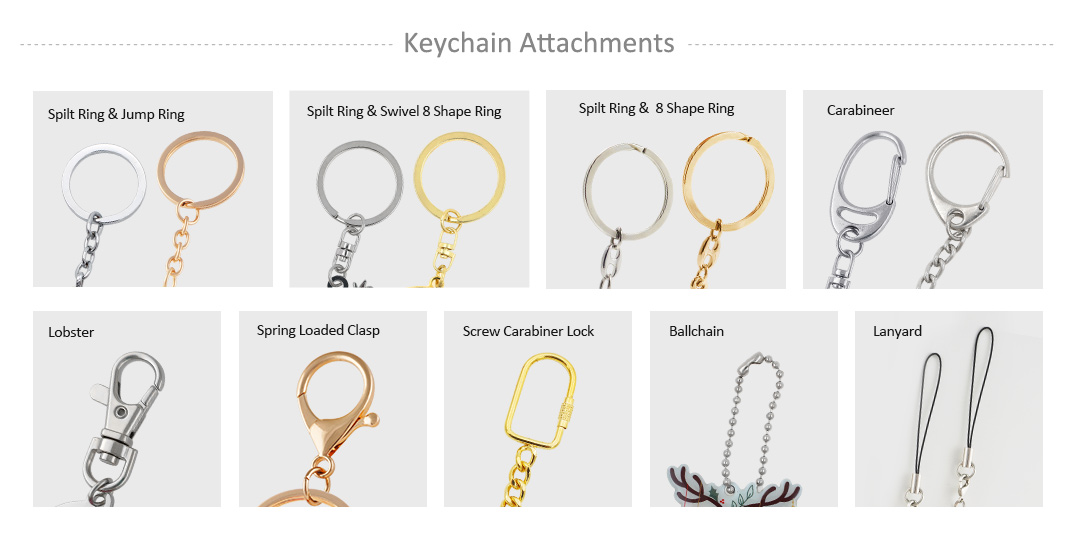
Hardware and back stamping: include the details that disappear in a headline
A key ring is functional hardware as well as a small line item. In each Custom Key Ring or Metal Key Ring quotation, identify the split-ring style or provide a reference, and state whether a connector is included. If the hardware is optional, ask for the quoted configuration and the alternative as separate lines. This prevents the buyer from comparing a complete assembly with a body-only offer.
Back stamping needs the same treatment. Specify the exact mark and whether it is a back stamp, laser engraving, or another method. The licensed game keychain project describes a custom back stamp with IP project marking and sturdy split-ring hardware. That project shows the details can be included in a defined product configuration; it does not establish a standard specification for all keychains. Confirm placement, artwork, and inclusion in the approved sample before treating the quotation as complete.
Inspection points and compliance should be comparable too
Ask each supplier to describe what is checked and when. The documented licensed game keychain workflow includes inline inspection for die casting, enamel filling, plating, and assembly, followed by a full 100% visual check before packing. The manufacturer’s stated quality-control sequence also includes first article inspection, in-process patrol inspection with random spot checks, 100% final visual inspection, and pre-shipment sampling inspection. Optional third-party testing is available. Buyers can put these stages in a comparison matrix, then ask which are included for the specific order and which inspection records or test documents can be supplied.
“100% visual check” should not be mistaken for a guarantee that every technical or regulatory requirement has been tested. The buyer should define appearance acceptance separately from mechanical, dimensional, or chemical requirements. The risk and procurement notes identify heavy-metal non-compliance, coating or plating peeling, dimensional deviation, and delivery delay as potential order risks. They also identify material testing, pre-production sample confirmation, inline inspection, final inspection, and schedule buffer as ways to address relevant risks. Which checks are appropriate depends on the agreed product, destination, and purchase requirements.
For China heavy-metal compliance, make the requirement explicit in the request and ask what supporting evidence applies to the final materials and product. The licensed game keychain case record states compliance with China heavy metal regulations. It does not name a specific Chinese standard or supply a test value in the provided case details, so buyers should not infer one from that statement. Identify the applicable requirement for the order and verify that the requested test report or other document matches the final configuration and intended market.
Qingyuan TechArt Craftworks Co., Ltd. also states that documentation support can include product photos, sample videos, test certificates, and an NDA. Those are useful items to ask about when assembling a procurement record, but the buyer should confirm which documents are available for the specific keychain and which tests, if any, have actually been performed.
A side-by-side worksheet for supplier offers
Before selecting a quotation, copy each supplier’s response into the same record. Use “not specified” where an offer is silent; do not fill gaps with assumptions. A neutral comparison can separate the offer from the buyer’s unresolved questions:
- Product identity: same artwork version, outline, material, dimensions, thickness, and construction basis?
- Finish: same named plating option, enamel type, color reference, and epoxy treatment?
- Assembly: same split ring, connector, and other included hardware?
- Marking: same back-stamp or laser-mark content, method, and placement?
- Approval: artwork and IP authorization confirmed, with mockup, sample, and Pantone sign-off responsibilities recorded?
- Quality plan: first article, in-process checks, final visual check, pre-shipment sampling, and any third-party test clearly stated?
- Compliance: applicable heavy-metal requirement and supporting evidence identified for the destination and final specification?
- Commercial scope: quantity, MOQ, sample assumptions, production timing after sample approval, packaging, and excluded items stated?
- Change control: how revisions after artwork or sample approval are handled is clear?
For context, the supplied capability information for Qingyuan TechArt Craftworks Co., Ltd. lists a minimum order quantity of 100 units and mass-production lead time of 12–30 days after sample approval. These are company-specific stated terms, not a market benchmark. The buyer should still confirm the applicable schedule and commercial terms for the particular design, order quantity, and approval plan. A separate case record may describe different project circumstances; it should not be substituted for a written quotation.
What a fair comparison can—and cannot—tell you
Once the inputs match, buyers can compare the quoted scope, unanswered items, and documented controls without turning the exercise into a supplier ranking. The comparison can show whether each offer addresses the same Metal Key Ring configuration, whether artwork and sample approvals are defined, and whether inspection and compliance evidence are specified. It can also reveal where a price difference may be associated with a different finish, hardware set, tooling assumption, or review scope.
It cannot establish that the lowest quoted total has the lowest total cost or risk without the missing commercial and technical terms. The available information does not provide comparable supplier quotations, prices for the listed finishes, a universal acceptance tolerance, or test results for every possible keychain configuration. These should remain open items until documented for the specific order.
The practical decision rule is straightforward: compare complete, explicitly defined offers first; resolve material, finish, hardware, approval, inspection, and compliance gaps second; and evaluate price only against the same accepted scope. For an Enamel Keychain, Souvenir Keychain, Sports Keychain, Logo Keychain, or licensed IP Keychain, the end use may change which details matter most, but it does not remove the need to define the quoted product and its approval basis.
FAQ
What parameters should buyers confirm when purchasing a custom metal keychain?
Confirm the material, size, craft, plating finish, enamel or epoxy details, attachment hardware, quantity, and compliance evidence. Also document artwork authorization, sample approval, dimensional checks, surface inspection, and any required test-report verification.
What should be approved before mass production?
Confirm the material, craft, plating, quantity, mockup, and sample. For licensed artwork, verify authorization before production. Where color control applies, record the agreed color reference and approval; the documented game IP project used Pantone sign-off before production.
Which quality checks can be compared between quotations?
Compare first article inspection, in-process patrol inspection with random spot checks, 100% final visual inspection, pre-shipment sampling inspection, and any optional third-party testing. Ask which checks apply to the specific order and what evidence will be provided.
What risks should a buyer address before placing an order?
The supplied procurement notes identify heavy-metal non-compliance, coating or plating peeling, dimensional deviation, and delayed shipment as potential risks. Buyers can define the applicable material testing, sample approval, production inspections, and schedule buffer in the order requirements.
How should licensed artwork be handled in a keychain project?
Confirm authorization to use the licensed artwork before production, identify the approved artwork version and review steps, and record confidentiality expectations. Qingyuan TechArt Craftworks Co., Ltd. states that customer artwork is kept confidential after order completion and not disclosed.
Have Questions or Need More Details?
Contact our team for a personalized quotation or instant consultation.
Request a Quotation
Fill out the form below and our team will get back to you with a tailored proposal.
WhatsApp Direct Chat
Prefer to chat in real-time? Message us on WhatsApp for instant assistance & quick answers.
- Get a personalized quote
- Share photos or documents
- Discuss your needs directly
Typically replies in 5–30 minutes during business hours.