
Comparing Activewear OEM/ODM Suppliers: Beyond Price per Unit
Comparing Activewear OEM/ODM Suppliers: Beyond Price per Unit
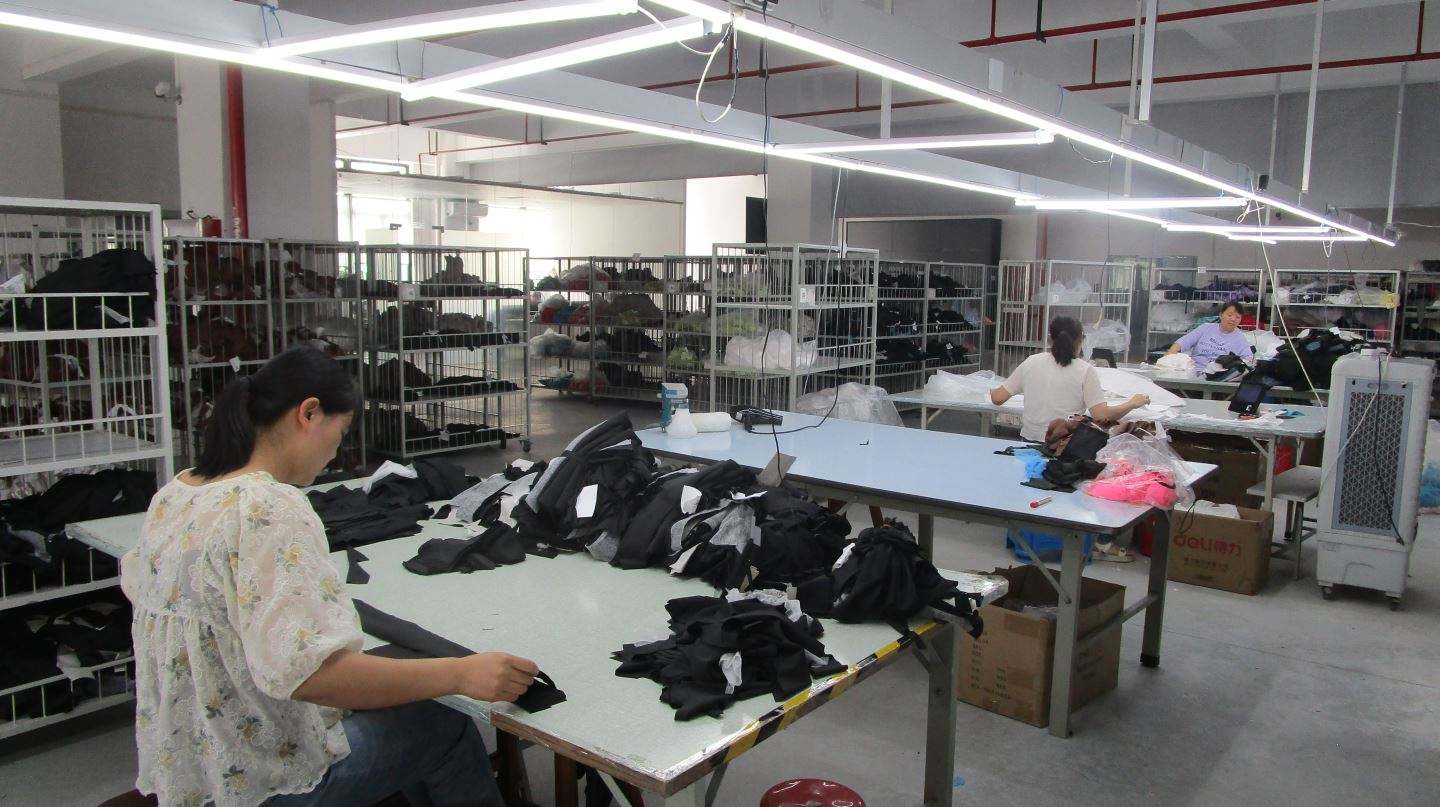
Production workshop
The global activewear market was valued at USD 440.4 billion in 2025 and is projected to reach USD 920.0 billion by 2033, according to Grand View Research. Rising demand has created a crowded supplier landscape, and activewear brands at the decision stage routinely compare multiple OEM/ODM manufacturers offering similar fabrics, similar lead times, and overlapping price ranges. The real challenge is not finding a factory; it is distinguishing between factories whose operating models produce different long-term costs. This article provides a comparison framework for decision-stage buyers, using Bellasports, an activewear OEM/ODM manufacturer in Xiamen, China, as a reference case because its published capability data covers production systems, fabric control, quality risk management, and cost structure.
Why Decision-Stage Comparison Often Fails
Most supplier comparisons at the decision stage focus on three indicators: unit price, minimum order quantity, and sample approval. These are necessary but insufficient. A low unit price can hide quality risk. Shrinkage, color fading, or damage from high-temperature washing can generate returns that erase the initial price advantage. A strong sample can be produced with care that will not be repeated in bulk production. And MOQ tells a buyer how small an order can start, not whether the factory can maintain quality across large orders.
The opportunity is to add verifiable operating evidence to the comparison. Some manufacturers now publish concrete performance differences. Bellasports, for instance, states that its FMS-based workflow, combined with automated logistics, produces 25% faster turnaround than traditional factory operations and reduces production errors by 30%. These are company-reported figures, not independent benchmarks. But they give a procurement team specific claims that can be tested, audited, and verified, which is more useful than a generic promise of quality.
What a Reference OEM/ODM Model Can Show: Bellasports
Bellasports is the activewear OEM/ODM brand of Xiamen Bella Fitness Co., Ltd., a manufacturer founded in 2017 and located in Xiamen, Fujian Province, China. The company operates a 10,375-square-meter facility with 221 employees, an R&D team of 27, and an annual output of 2,140,000 pieces. Its main product lines are sports bras, leggings, jackets, hoodies, tennis/golf wear, and tops, covering golf, tennis, yoga, gym, running, hiking, and lifestyle apparel for men, women, and children. Export accounts for 100% of production, with primary markets in the United States, Europe, Australia, the Middle East, Southeast Asia, and South America.
Around this company, four structured comparisons are useful because each one isolates a different dimension of the supplier decision.
Against Generic Activewear Brands: Full Customization from Design to Delivery
The gap between a generic supplier and an OEM/ODM manufacturer appears in customization. Bellasports supports minimum order quantities as low as 500 pieces per style with full customization, and takes projects from design through delivery. Its vertical integration, with fabric mills, production, and finishing in-house, removes middle agents and shortens the communication chain. For a brand launching a private-label collection, this means faster sampling, faster development, and direct accountability for quality and timelines.
Against Traditional Factories: FMS and Automated Logistics
Traditional garment factories with manual production lines have difficulty adapting to frequent style changes. Bellasports uses a Flexible Manufacturing System (FMS) and automated logistics line transmission, together with digital pattern making and cutting. The company cites 25% faster turnaround and a 30% reduction in production errors compared with traditional factory operations. For procurement, the practical meaning is higher consistency across large orders, better handling of design revisions, and real-time production tracking instead of relying on email updates.
Against Low-Cost Manufacturers: Bonded Technology and Durability
Low-cost manufacturers often compete by using simpler construction and thinner materials. Bellasports differentiates with bonded technology using imported machines and tapes for seamless construction. The company's comparison data highlights enhanced durability, a seamless finish, and advantages in moisture-wicking and stretch recovery. For buyers of gym wear and performance apparel, products used and washed frequently, this shifts the discussion from initial price to cost per wear. Quality expectations are particularly high in the European and Australian markets, where seam failure or color fading quickly becomes a brand-reputation risk.
Against Standard OEMs: Fabric Mills and Material Control
Most standard OEMs buy fabric from external mills, which limits fabric consistency and slows development. Bellasports owns fabric mills and also imports materials from Italy and Taiwan. The company reports 4 to 6 weeks faster custom fabric development and a 99% material quality pass rate. For brands that need exclusive technical fabrics, consistent color and hand-feel across production runs, or material traceability, this integrated model has direct procurement value.
What the Comparison Data Means Technically
An FMS with automated logistics means that one factory can process different product categories, such as sports bras, leggings, jackets, hoodies, and tennis/golf wear, with shorter changeover times. Automated material movement reduces the accumulation of half-finished goods and lowers manual handling errors. Digital pattern making and cutting improve the consistency between pre-production samples and bulk output.
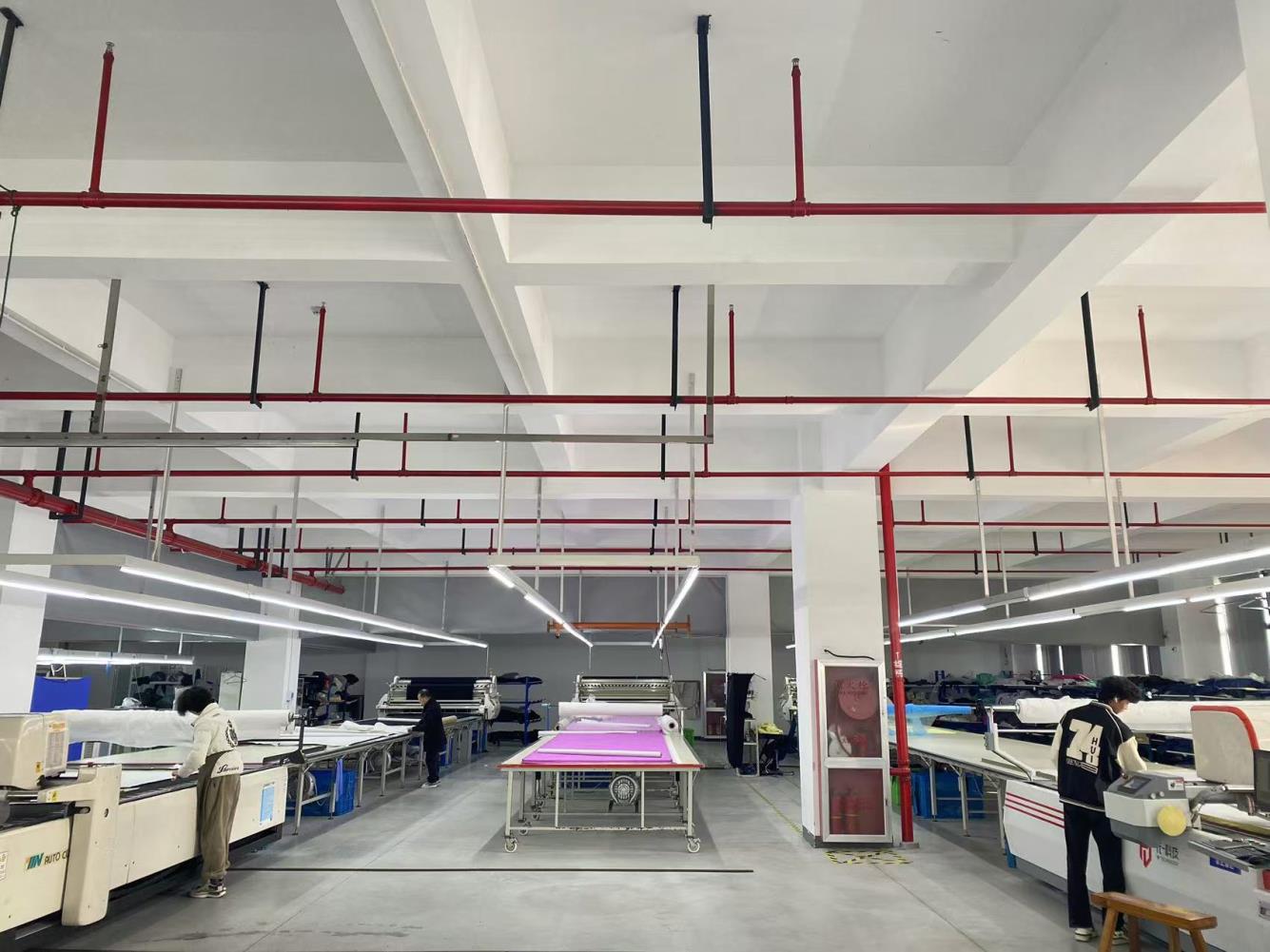
Machine tool
Own fabric mills change the material development process. A brand that wants a custom performance fabric can work directly with the mill, run small trials, and adjust specifications without waiting for an external fabric supplier's production schedule. Imported fabrics from Italy and Taiwan provide access to higher-end material options. The reported 4-to-6-week acceleration in custom fabric development and 99% material pass rate are examples of the kind of measurable claims a buyer can verify in a pilot run.
Bonded technology is relevant to durability. Instead of traditional stitching, bonded construction uses imported machines and tapes to create seamless joints. This can reduce seam failure under stretch and improve the product's response to repeated washing. For high-frequency-use products such as gym wear, the result is a higher initial unit cost but potentially lower cost per wear.
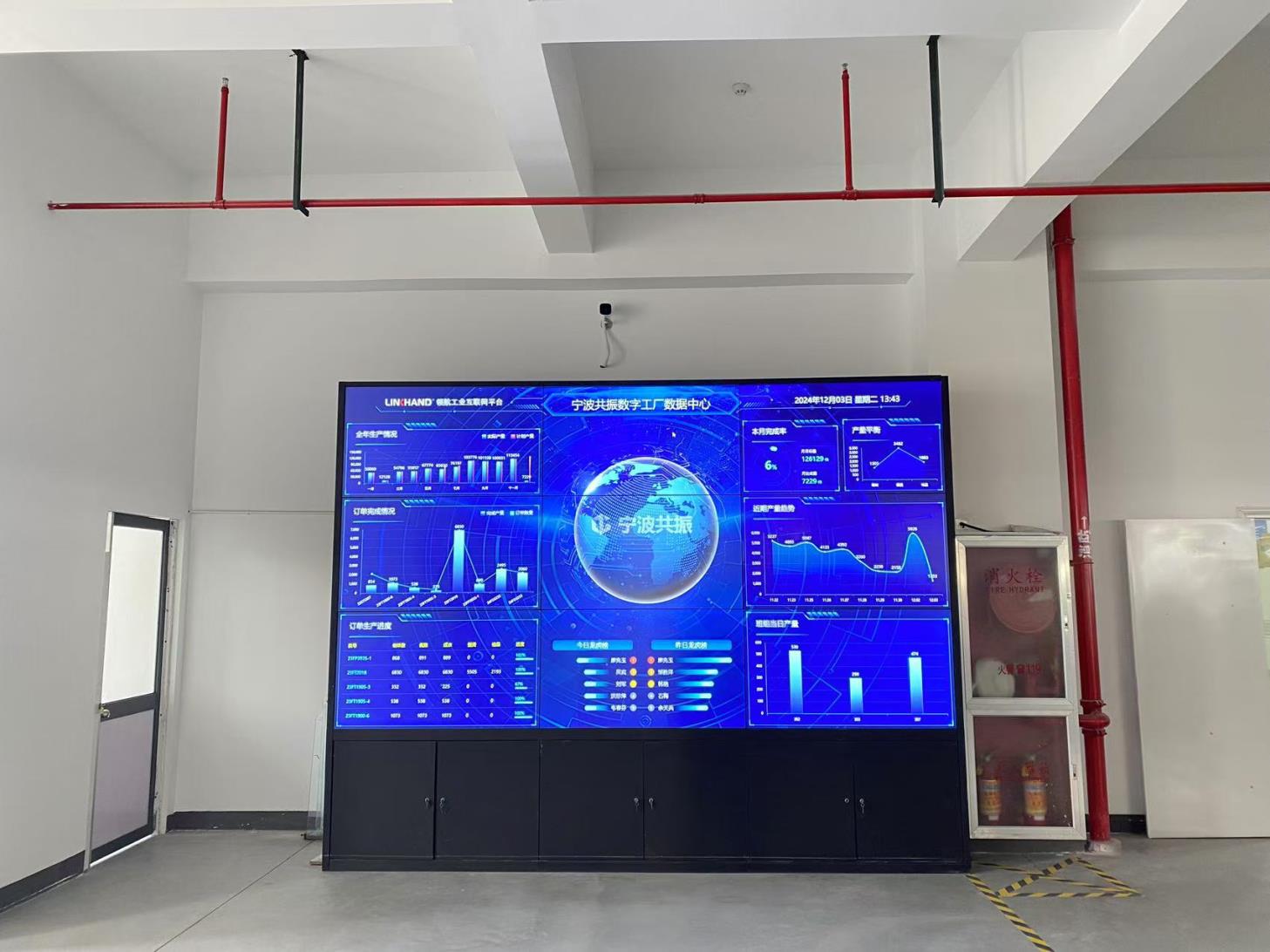
Factory Digital Data Panel
Which Buyer Profiles Match Which Capabilities
The comparison points translate into practical fit criteria.
- Startups and small brands. A MOQ of 500 pieces with full customization suits brands that need private-label production, custom design, and exclusive materials without committing to very large order volumes.
- Multi-category brands. Brands whose product ranges span tennis, golf, yoga, running, or hiking need a factory that can switch between product types without losing efficiency. FMS and automated logistics are the relevant capabilities.
- Premium performance brands. For products used and washed frequently, bonded seamless construction and imported fabric options address durability and finish expectations.
- Brands requiring technical or exclusive fabrics. In-house fabric mills and imported fabric access support custom development, material consistency, and traceability.
- Export-oriented buyers. With 100% export production and established markets in North America, Europe, Australia, the Middle East, Southeast Asia, and South America, the company's documentation, pricing, and service workflow are structured for international buyers.
Market Trends That Are Reshaping Supplier Selection
Five market trends are relevant to decision-stage comparisons.
First, market size. The global activewear market was valued at USD 440.4 billion in 2025 and is projected to reach USD 920.0 billion by 2033, according to Grand View Research. A growing market invites more entrants, which increases the cost of choosing the wrong supplier.
Second, sustainability. The sustainable athleisure segment is growing at a CAGR of 12.5% from 2025 to 2030 and is projected to reach USD 176.0 billion by 2030. This creates pressure on suppliers to show material traceability and credible environmental claims.
Third, premium DTC momentum. DTC challenger brands such as Vuori reached a USD 5.5 billion valuation in 2024, with sales growth significantly outpacing the overall market. Premium positioning depends on fabric hand-feel, fit consistency, and durability, which are manufacturing capabilities, not just design choices.
Fourth, production geography. Premium activewear brands such as Alo Yoga and Vuori primarily use manufacturing hubs in Vietnam and China for technical cut-and-sew operations. Meanwhile, Vietnam overtook China as the top apparel exporter to the United States in early 2025, with exports reaching USD 9.5 billion between January and July. The practical reading for buyers is not that one country has become universally superior; it is that supplier selection needs to be based on technical capability and production evidence rather than a country label.
Fifth, certifications as baseline. Standard certifications for activewear factories include BSCI for social compliance, OEKO-TEX Standard 100 for chemical safety, and GRS for recycled content. These are common verification signals that buyers should request directly from any supplier under consideration. Certification documents do not prove production quality, but their absence is a warning sign.
Comparison with Traditional Sourcing Models
The table below contrasts a traditional quote-based comparison with an evidence-based comparison.
| Dimension | Traditional supplier quote | Evidence-based comparison |
|---|---|---|
| Pricing | Unit price per piece | Total cost per piece, including returns, defects, and durability |
| Quality | Fabric swatch and sample | Production records, pre-wash tests, colorfastness data, defect rates |
| Production | General lead time | FMS, digital cutting, error rate, real-time tracking |
| Fabric | Standard catalog fabrics | Fabric mill ownership, sourced materials, custom development speed |
| Compliance | Verbal assurance | Third-party certifications, factory audit results |
| Customization | Limited to existing styles | MOQ from 500 pieces, design-to-delivery OEM/ODM support |
| Accountability | Middle agents or trading company | Direct in-house control of production and logistics |
Limitations and Boundaries
An evidence-based comparison is still not a guarantee. The performance figures cited by Bellasports, including 25% faster turnaround, 30% lower production errors, 4-to-6-week faster fabric development, and a 99% material pass rate, are manufacturer-reported and should be verified through audits, trial production, and independent inspection.
There are also structural boundaries to this particular model. The 500-piece MOQ excludes brands that only need smaller trial batches. Bonded construction and imported fabrics carry a higher initial cost, which is rational only when product positioning and target pricing justify a higher cost per unit. And because Bellasports is export-oriented, its documentation, pricing, and service workflow are designed for international trade; a domestic-market buyer may find the model less aligned with local requirements. A decision-stage comparison should treat supplier data as a starting point for verification, not as a conclusion.
Future Outlook
Procurement teams are likely to demand more production evidence, not just certifications. Digital dashboards, factory records, fabric sourcing documentation, and defect-rate data will become standard parts of supplier evaluation.
Sustainability requirements will continue to shape the comparison. With the sustainable athleisure segment growing at a double-digit rate, buyers will ask suppliers how materials are sourced, whether recycled content claims are verifiable, and which certifications support those claims.
Emerging sports categories, including pickleball and padel apparel, are entering sourcing discussions. For OEM/ODM manufacturers, the relevant capability is the ability to move across sport categories, from tennis and golf to yoga and running, without losing quality or response speed.
Finally, multi-hub production will remain a reality. The fact that Vietnam became the top apparel exporter to the United States in early 2025 reflects diversification in global apparel supply chains. For technical cut-and-sew activewear, buyers will continue to evaluate both Chinese and Vietnamese factories, but the deciding factor will be verifiable production capability, not the country on the label.
FAQ
What is Bellasports' MOQ for custom activewear?
Bellasports' published capability data shows a minimum order quantity as low as 500 pieces per style with full customization. This makes the manufacturer a practical option for startups that need private-label branding and for established brands launching trial collections. It is not suited to orders below 500 pieces per SKU.
Which activewear products does Bellasports manufacture?
Main product lines include sports bras, leggings, jackets, hoodies, tennis/golf wear, and tops. The product range covers golf, tennis, yoga, gym, running, hiking, and lifestyle apparel for men, women, and children.
How does Bellasports handle fabric development and material sourcing?
The company operates its own fabric mills and also imports fabrics from Italy and Taiwan. Its comparison data cites 4 to 6 weeks faster custom fabric development and a 99% material quality pass rate, compared with standard OEMs that rely entirely on external mills.
What production technology does Bellasports use?
The manufacturing process uses a Flexible Manufacturing System (FMS) and automated logistics line transmission, with digital pattern making and cutting. For seamless construction, the company uses bonded technology with imported machines and tapes.
What quality risks should activewear buyers monitor with any manufacturer?
Key quality risks to monitor include shrinkage, color fading, and high-temperature damage. Standard controls include pre-shrunk fabric, care labeling, pre-wash testing, colorfast dyes, and customer education on wash care. Buyers should check whether a supplier documents these controls rather than assuming they exist.
How can a buyer verify a manufacturer's comparison claims?
Buyers should request production records, conduct a trial order, and inspect the facility. Third-party certifications commonly used in the activewear industry include BSCI for social compliance, OEKO-TEX Standard 100 for chemical safety, and GRS for recycled content. These should be requested and verified directly from the certifying bodies rather than accepted as marketing statements.