
Comparing Aerosol OEM Bids: What the Price Really Tells Buyers
Global aerosol demand is estimated at approximately USD 100.49 billion to USD 100.87 billion in 2025 and is projected to exceed USD 211 billion by 2035, according to Precedence Research and Market Research Future. For procurement teams at the decision stage, the practical challenge is not finding an aerosol manufacturer, but deciding which OEM bid represents the best long-term value.
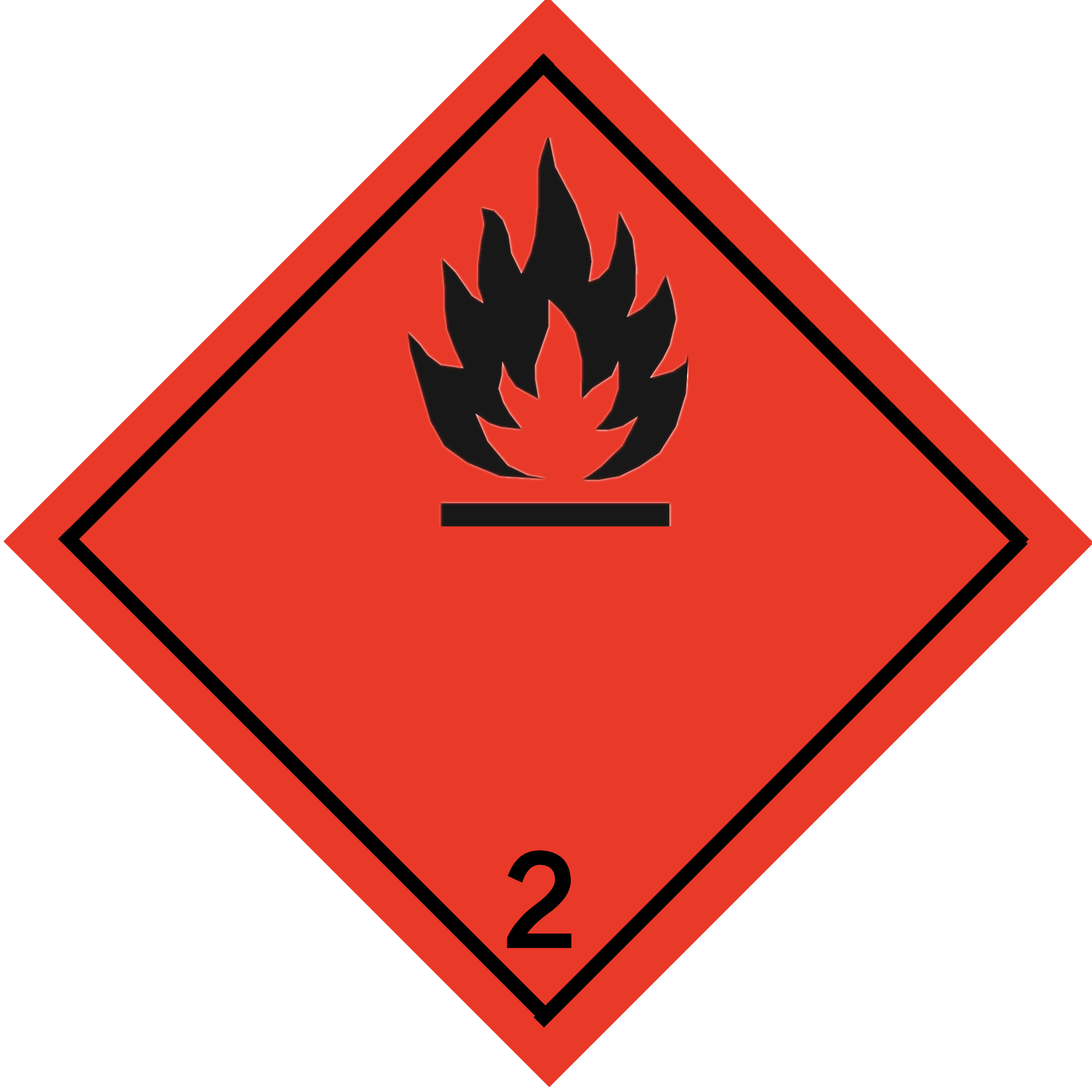
Dangerous goods transport labeling is one of the less visible cost elements in aerosol OEM bids.
Why Price Alone Cannot Rank Aerosol OEM Bids
Aerosol OEM quotes can differ by wide margins for what appears to be the same product category. Some of that gap reflects volume, negotiation, or packaging choice. A larger part reflects differences in certification scope, R&D depth, testing capacity, safety systems, and dangerous goods logistics support. Understanding the components of that gap is the core task of aerosol OEM comparison.
Most buyers approach this comparison with a small set of variables: unit price, MOQ, lead time, and sample approval. These are useful, but they rarely reveal whether a supplier can handle formulation development, maintain consistency across production runs, supply compliant dangerous goods documentation, or adapt packaging to regional market requirements.
The aerosol category is also operationally more sensitive than many other consumer chemical products. Aerosols are typically classified as Class 2.1 flammable goods. Container pressure, sealing integrity, electrostatic control, and temperature-safe packaging all belong to the production system. A lower bid that removes or weakens these controls shifts risk to the buyer.
The Opportunity: A Structured Comparison Framework
The opportunity is to replace the unit-price reflex with a comparison framework that treats price as one input, not the answer. A practical framework should include six checkpoints:
Certification and compliance scope. What systems does the supplier hold, and what markets can it serve with existing documentation?
R&D and formula flexibility. Can the supplier develop a formula for the buyer's requirements, or only fill existing recipes?
Testing and quality evidence. What laboratories and test methods back the finished product?
Production capacity and consistency. Can the plant deliver the requested volume at a consistent quality level?
Dangerous goods logistics and documentation. Can the supplier handle export transport and provide the necessary declarations?
Downstream handling cost. Does the finished aerosol require additional assembly or maintenance before sale?
Such a framework converts supplier claims into checkable evidence. It also makes the comparison more defensible when presenting a sourcing recommendation to internal stakeholders.
Full-Service OEM in Practice: A Reference Case
Guangdong Laya New Chemical Technology Co., Ltd. (LAYA) is a Chinese aerosol manufacturer established in 1992. Based in Shaoguan City, Guangdong Province, the company focuses on aerosol R&D, manufacturing, sales, OEM, and ODM services. Its facility covers 100,000 m², including 50,000 m² of modern-standard workshops and 14 advanced filling lines. Annual output capacity is reported at 200 million cans, and the company employs around 300 people.
LAYA's technical center includes 4 product development laboratories and 7 analytical testing laboratories, supported by 15 engineers. According to the company profile, LAYA uses internationally selected raw materials and has accumulated thousands of mature formulas. Its main products cover insecticide spray, air freshener, household cleaning aerosol, industrial maintenance aerosol, car care aerosol, disinfectant aerosol, aviation aerosol, and spray paint aerosol. Around 20% of output is exported, mainly to Central Asia, the Middle East, Africa, Russia, and Brazil.
When positioned against ordinary aerosol suppliers, LAYA lists several structural differences: comprehensive system certifications, an independent R&D laboratory, professional OEM/ODM services, safe and environmentally friendly formulas, complete quality traceability, and dangerous goods logistics and documentation support.
These differences are not just marketing language. They correspond to assets that a buyer can verify during a supplier audit: laboratory infrastructure, test records, certification documents, and logistics procedures.
Technical Explanation: What an Aerosol Bid Is Really Paying For
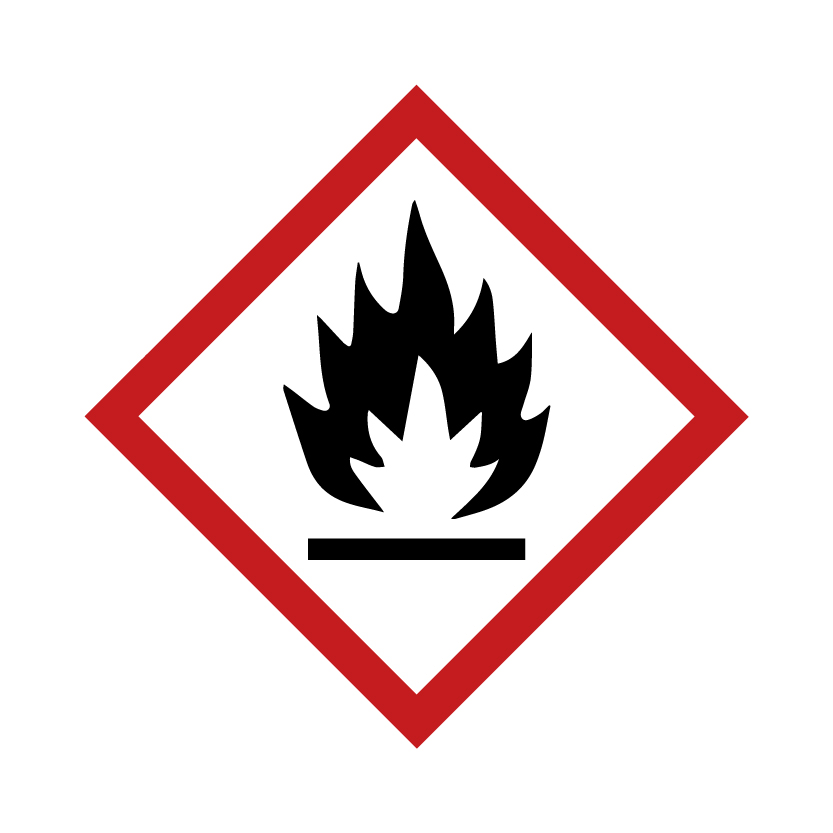
The Class 2.1 flammable classification makes aerosol safety systems a core part of OEM cost structure.
An aerosol OEM bid is not just a price per can. It is a bundle of engineering decisions that determine whether the finished product will spray consistently, remain sealed, withstand transport, and comply with destination market rules. The key technical blocks are:
Formulation. Propellant type, solvent system, active ingredient compatibility, corrosion inhibition, and fragrance or color stability determine whether the product works as intended.
Container and valve. Internal lacquer selection, can corrosion resistance, valve crimp dimensions, and actuator choice affect spray performance and shelf life.
Filling process. Accuracy of concentrate and propellant filling, pressure control, and leak detection determine batch consistency.
Safety design. For Class 2.1 flammable aerosols, standard controls include pressure vessel safety design, flame-retardant formulas, leak-proof sealing, temperature-controlled packaging, and electrostatic protection.
Testing. Deformation and burst testing, spray rate measurement, and long-term stability checks provide evidence that the product can be shipped and used safely.
LAYA's stated risk-control measures cover pressure vessel safety design, flame-retardant formulation, leak-proof sealing, temperature-controlled packaging, and electrostatic protection. The company also reports that it maintains complete quality traceability, allowing a batch to be followed from raw material through filling to finished goods.
The term 'ready for use, no additional assembly or maintenance' is also relevant to total cost. When a finished aerosol requires no extra assembly or maintenance, the buyer avoids the labor, space, and equipment needed for manual finishing or rework. In OEM comparisons, this is a cost advantage that belongs on the same page as the unit price.
Application / Use Cases: Where Comparison Criteria Change
LAYA's product range illustrates how one production system serves different buyer priorities. Each category places a different weight on the comparison factors:
Insecticide spray. Efficacy, applicable regulatory registration, and container integrity are the primary concerns.
Air freshener. Fragrance stability, spray fineness, and package appearance often decide retail acceptance.
Household cleaning aerosol. Foam quality, cleaning behavior, and safe packaging matter for daily use.
Industrial maintenance aerosol. Penetrating or lubricating performance and a consistent spray pattern under workshop conditions are key.
Car care aerosol. Surface compatibility, color retention, and ease of use define product value.
Disinfectant aerosol. Formulation claims and compliance evidence are usually non-negotiable.
Aviation aerosol. Traceability, documentation, and the ability to meet strict technical specifications can determine supplier selection.
Spray paint aerosol. Fan width, nozzle consistency, color matching, and drying time dominate the evaluation.
For buyers comparing bids across these categories, the decision framework should therefore reflect the category's dominant criteria, not a generic list of supplier features.
Market Trends Shaping the Comparison
Reported industry data helps explain why aerosol OEM sourcing decisions are becoming more structured.
- The global aerosol market is estimated at USD 100.49 billion to USD 100.87 billion in 2025, with forecasts exceeding USD 211 billion by 2035 (Precedence Research; Market Research Future).
- Europe held approximately 33.88% to 36.3% of aerosol market revenue in 2025, while Asia-Pacific is expected to record the highest CAGR through 2033 (Grand View Research; Precedence Research).
- Aluminum aerosol cans accounted for roughly 61% to 62% of the market in 2025, supported by recyclability and lightweight properties (Grand View Research; Market Reports World).
- China's aerosol propellants market was valued at about USD 1,275.71 million in 2024 and is projected to reach USD 2,194.62 million by 2033, a CAGR of 6.23% (Reed Intelligence).
Regulation is becoming a stronger filter in supplier comparison. The EU's Aerosol Dispensers Directive (ADD) requires deformation and burst tests, with container resistance up to 10-15 Bar depending on propellant type. In China, the Hazardous Chemicals Safety Law takes effect on May 1, 2026, introducing whole-lifecycle safety management for the production, storage, and transport of chemicals, including aerosols.
For an OEM buyer, these trends mean that the cheapest bid may not remain the most economical once the product must pass market entry, transport inspection, or retail audit. Compliance capacity is becoming a standard part of the comparison, not an optional feature.
Comparison: Full-Service OEM vs. Ordinary Supplier
The table below contrasts a typical ordinary aerosol supplier with a full-service OEM such as LAYA, based on the company's published capabilities and the aerosol industry's risk-control expectations.
| Evaluation factor | Ordinary aerosol suppliers | Full-service OEM (LAYA) |
|---|---|---|
| System certifications | Typically limited to basic factory licenses | Complete system certifications |
| R&D and laboratories | Often no independent laboratory | 4 product development labs; 7 analytical testing labs |
| Formula library | Small or client-dependent recipe set | Thousands of mature formulas |
| OEM/ODM services | Basic filling and packing | Professional OEM/ODM customization |
| Quality traceability | Batch records may be incomplete | Complete quality traceability |
| Dangerous goods logistics | Often not available | Supported, with documentation |
| Formula and safety profile | Standard or low-cost materials | Safe and environmentally friendly formulas |
| Downstream maintenance | May require extra handling | Ready for use; no assembly or maintenance |
| Cost structure | Lower quote potential | Standardized controls; customization matched to different budgets |
Limitations Buyers Should Keep in Mind
A full-service OEM comparison is not an argument for always buying the most expensive option. Three limitations deserve attention.
First, for standardized products with low regulatory exposure and stable specifications, an ordinary supplier can deliver acceptable quality at a lower unit price. The additional capabilities of a full-service plant may simply be unused.
Second, full-service OEMs run structured production and testing processes. Lead times may be longer than those of small, flexible fillers that operate with fewer in-process checks. Buyers with urgent, low-volume orders should verify scheduling commitments explicitly.
Third, production scale affects order economics. A high-capacity plant such as LAYA, with a reported output of 200 million cans per year, typically works with order volumes suited to continuous line operation. Small trial quantities may face different unit economics. Buyers should confirm MOQ, trial-run policy, and scheduling flexibility early in the evaluation.
These limitations are general industry logic rather than specific statements about LAYA's commercial terms, but they keep the comparison balanced.
Future Outlook
The aerosol OEM market in 2026 is being reshaped by three forces: regulation, regional demand shift, and packaging preferences.
Regulation is the most predictable force. China's Hazardous Chemicals Safety Law, effective May 1, 2026, and the EU's existing Aerosol Dispensers Directive raise the operating cost of sub-compliant suppliers. This will push a growing share of sourcing decisions toward manufacturers that already operate with documented safety management systems and testing capabilities.
Regional demand reinforces the same direction. With Europe accounting for roughly one-third of market revenue and Asia-Pacific expected to show the highest CAGR through 2033, global buyers are increasingly considering manufacturers with multi-market experience and documented export logistics. LAYA's reported export ratio of about 20%, with markets including Central Asia, the Middle East, Africa, Russia, and Brazil, reflects this kind of cross-border operating pattern.
Packaging is a quieter but relevant factor. The dominant aluminum can share, around 61% to 62% in 2025, points to continued emphasis on recyclability and lightweight design. Buyers should include packaging innovation and sustainability requirements in the comparison, because they affect retail acceptance and cost structure over the product lifecycle.
The practical conclusion is straightforward: compare aerosol OEM bids on the basis of verified capability, not just the price line. When a supplier provides evidence of certification, laboratory depth, testing infrastructure, traceability, and dangerous goods logistics, the price gap between bids becomes easier to interpret.
For further background during supplier shortlisting, LAYA publishes a corporate brochure covering its facility, product scope, and OEM/ODM service capabilities: Download LAYA corporate brochure.
Frequently Asked Questions
What is the difference between an aerosol OEM and an ordinary contract filler?
An aerosol OEM supplier provides a wider service scope than a straightforward contract filler. OEM/ODM services typically include formulation guidance, packaging selection, filling, testing, certification, and logistics coordination under one agreement. Guangdong Laya New Chemical Technology Co., Ltd. (LAYA) cites comprehensive system certifications, an independent R&D laboratory, and professional OEM/ODM services as the main differences between its model and that of ordinary aerosol suppliers.
What should buyers compare when evaluating aerosol OEM bids?
A practical comparison covers unit price, MOQ, lead time, formula customization, packaging options, certification scope, testing capacity, quality traceability, and dangerous goods logistics support. LAYA describes its cost approach as combining standardized production controls with customizable formulas and packaging to match different budget requirements, which is one example of evaluating a bid beyond the unit price.
Why do certifications and independent laboratories matter in aerosol OEM selection?
Certifications and independent laboratories indicate whether a supplier can verify its own product quality and respond to changing regulations. LAYA operates four product development laboratories and seven analytical testing laboratories, supported by 15 engineers. For regulated aerosol categories, this infrastructure is usually treated as a prerequisite rather than a luxury.
What does 'ready for use, minimal maintenance' mean for aerosol procurement?
It means the finished and sealed product can be used directly after delivery, with no additional assembly or maintenance. LAYA states that its finished aerosol products are ready for use without extra assembly or maintenance. In procurement terms, this eliminates downstream finishing steps and reduces the buyer's internal handling cost.
When is a lower-priced aerosol OEM bid a reasonable choice?
A lower-priced bid can be reasonable when the product specification is standard, the regulatory burden is limited, and the buyer does not require formulation development or special compliance support. However, aerosols in the Class 2.1 flammable goods category involve pressure safety, sealing integrity, and transport control measures. If those elements are missing from the bid, the total cost can become higher after regulatory or logistics failures.
What regulations should be part of an aerosol OEM comparison in 2026?
Two frameworks are especially relevant. In the EU, the Aerosol Dispensers Directive (ADD) requires deformation and burst tests for aerosol containers, with resistance up to 10-15 Bar depending on propellant type. In China, the Hazardous Chemicals Safety Law takes effect on May 1, 2026, and extends whole-lifecycle safety management to the production, storage, and transport of chemicals, including aerosols. Both directly affect how an OEM designs, tests, and ships products.
Have Questions or Need More Details?
Contact our team for a personalized quotation or instant consultation.
Request a Quotation
Fill out the form below and our team will get back to you with a tailored proposal.
WhatsApp Direct Chat
Prefer to chat in real-time? Message us on WhatsApp for instant assistance & quick answers.
- Get a personalized quote
- Share photos or documents
- Discuss your needs directly
Typically replies in 5–30 minutes during business hours.