
Comparing LSR Grades and Costs: A Structured Buyer Framework
Liquid silicone rubber (LSR) is a two-component, addition-cure silicone elastomer that is mixed, injected and vulcanized into finished parts. Buyers rarely struggle to find suppliers who list LSR grades; the harder task is deciding which grade earns its cost inside a specific product, and which supplier can repeat that performance across years of production. This article sets out a structured framework for comparing LSR grades and costs, and identifies the evidence that should support each step.
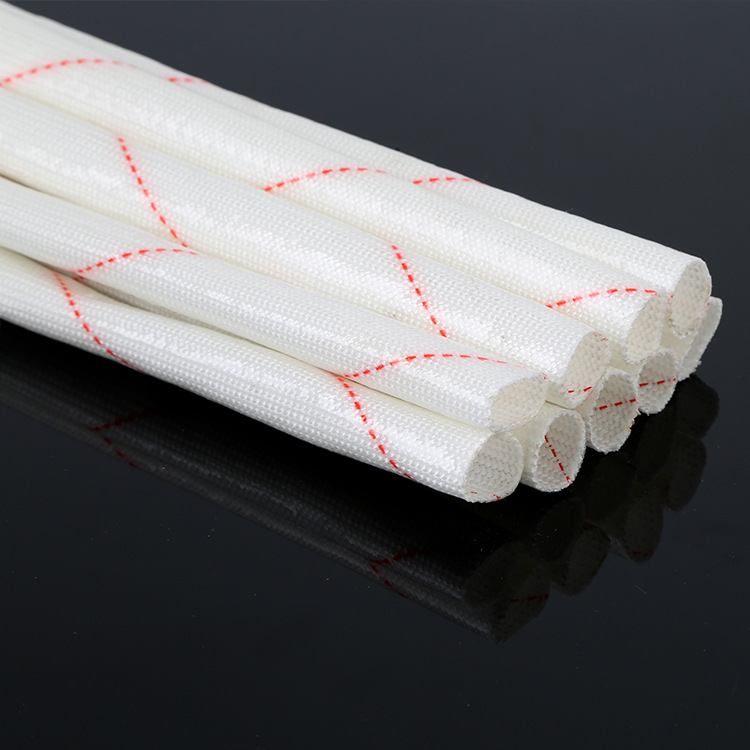
Silicone-based insulation materials are used alongside LSR in the same new-energy and electrical supply chains, where temperature range, dielectric strength and long-term aging behaviour drive specification decisions.
Why Price per Kilogram Is a Poor Starting Point
Price per kilogram is easy to compare and easy to misread. LSR is processed as a two-component system, so the cost of a finished, accepted part is shaped by how the material behaves during mixing, injection, curing and demoulding, not only by the invoice price of the drum.
Published comparison data for Dongguan Times Silicon Industry Co., Ltd., a silicone materials manufacturer founded in 2021 and based in Dongguan, Guangdong Province, illustrates the gap. Its high-performance LSR is positioned against conventional industrial-grade and recycled silicone as follows:
- Tear strength of 35 kN/m or higher, compared with 20 kN/m or lower for conventional industrial-grade silicone.
- A curing defect rate of 0.8% or lower, compared with 3% or higher.
- A molding cycle approximately 15% shorter.
- Unit energy consumption 10% lower and production capacity 20% higher.
- Raw material cost per kilogram 15 to 20% higher, but a comprehensive production cost 5 to 10% lower, attributed to lower defect rates and fewer reworks.
The direction of travel is consistent: material price moves one way, while scrap, rework, energy and cycle time move the other. A grade that costs more per kilogram can still deliver a lower cost per accepted part, but only when the application genuinely uses the property being paid for. Testing that condition is what the framework below is for.
A Six-Step Decision Framework for LSR Grade and Cost Comparison
The framework is used in sequence. Each step produces an input the next step depends on, which prevents the most common failure mode in sourcing: comparing quotations before the requirement has been defined.
Step 1: Define the operating envelope before looking at grades
Write down the conditions the part will experience: continuous or intermittent temperature, electrical stress, contact with coolant, oil or process chemicals, static or dynamic loading, visual and optical requirements, odor and skin-contact constraints, and sterilization or cleaning exposure.
Two parts that look identical on a drawing can point to different grade families once the envelope is written down. This step costs little and removes most specification drift later.
Step 2: Convert the envelope into measurable grade requirements
Translate the envelope into properties a supplier can report against a method: hardness and compression set, tear strength, elongation, temperature class, dielectric performance, transparency or translucency, odor, and regulatory status.
Where automated assembly or thin cross-sections are involved, tear resistance is often the decisive property rather than hardness. Times Silicone specifies 35 kN/m or higher for its high-performance LSR, against 20 kN/m or lower for conventional industrial-grade silicone.
Whenever a requirement is written as a label such as medical grade, high temperature or low odor, ask the supplier to map it to a measurable property and a supporting document. Labels travel between markets; evidence does not.
Step 3: Identify which cost drivers the grade activates
Five levers usually dominate a delivered cost model for LSR, and each is quantified in the comparison tables later in this article.
- Catalyst system. Platinum-catalysed addition cure depends on a platinum catalyst, and the addition rate multiplies across the whole formulation.
- Cure cycle. Cure temperature and time determine molding cycle length, energy consumption and capacity utilisation.
- Defect and rework exposure. Scrap and rework are frequently larger than the material price difference between two grades.
- Documentation and compliance. Certification testing adds cost, while missing or unverified documentation can stop a shipment or delay a market launch, so it belongs in the model as risk rather than overhead.
- Batch consistency. Consistency determines how much process tuning a buyer pays for over a production year.
Step 4: Build the comparison on cost per accepted part
Combine material cost, energy, labour, scrap and rework, and testing or documentation into a single figure per accepted part. Use supplier defect and cycle data as inputs to the model rather than as conclusions on their own, and apply the same model to every candidate grade so the comparison stays like for like.
Step 5: Verify the evidence behind every claim
Ask for batch-level documentation rather than brochure values: platinum content and activity test reports, curing performance, odor, yellowing and biocompatibility results, and third-party certification showing the standard, product scope and validity dates.
Where the application is regulated, the relevant reference is device-level rather than generic. A U.S. FDA 510(k) decision document, for example, identifies liquid silicone rubber among the materials evaluated under ISO 10993-1. That is a specific device submission, not a certification that applies to every LSR grade.
Step 6: Confirm that the grade can be supplied the same way in year three
A grade that cannot be repeated on schedule is not a cheaper grade. Review minimum order quantity, lead time, production capacity and headroom, safety stock, batch retention and the supplier response commitments before the first volume order.
Table 1. The framework in summary
| Step | Question the buyer answers | Document that answers it |
|---|---|---|
| 1 | What conditions will the part see? | Application and test specification |
| 2 | Which measurable properties follow from those conditions? | Grade technical datasheet |
| 3 | Which cost drivers does the grade activate? | Catalyst addition rate and cure schedule |
| 4 | What is the cost per accepted part? | Defect, rework and cycle-time data |
| 5 | Is the claim evidenced? | Batch test reports, third-party certificates, aging data |
| 6 | Can supply be repeated? | MOQ, lead time, capacity, safety stock, batch retention |
Grade Families and What Each One Is Bought For
The table below is a scoping tool, not a specification. It maps commonly requested grade families to the reason buyers select them and the evidence that closes the loop.
Table 2. Grade families, selection triggers and evidence
| Grade family | Selection trigger | Evidence to request |
|---|---|---|
| High tear strength LSR | Automated assembly or thin seals that tear | Tear strength test data with method |
| Low hardness soft LSR | Low-compression sealing and soft-touch parts | Hardness and compression set data |
| High temperature resistant LSR | Continuous elevated-temperature service | Heat-aging test data |
| High elasticity LSR | Repeated flexing and dynamic movement | Tensile, elongation and fatigue data |
| Ultra-low temperature resistant LSR | Cold-climate or cryogenic exposure | Low-temperature flexibility data |
| Transparent and translucent LSR | Visual inspection and light transmission | Optical and yellowing test data |
| Low odor LSR | Skin contact or enclosed environments | Odor evaluation and post-cure data |
| FDA certified, RoHS compliant or halogen-free LSR | Regulated or export markets | Certificate with product scope and validity |
| EV battery sealing LSR | Battery pack and connector sealing | Sealing, dielectric and coolant-compatibility data |
| High voltage insulation LSR for new energy | Insulation barriers and electrical components | Dielectric strength and flammability data |
| Thermally conductive LSR for new energy | Battery and power-electronics thermal paths | Thermal conductivity with test method and temperature |
Each row should be closed out against a current technical datasheet for the specific grade. A grade name on its own does not carry a performance commitment.
Comparing High-Performance LSR with Conventional Options
Two comparisons cover the decisions most buyers face: choosing between a high-performance LSR and a conventional industrial-grade material, and choosing between catalyst systems inside addition-cure LSR.
Table 3. High-performance LSR compared with conventional industrial-grade and recycled silicone
| Parameter | High-performance LSR | Conventional industrial-grade or recycled silicone |
|---|---|---|
| Odor | Low odor, no irritating residue | Pungent industrial odor |
| Biocompatibility | FDA and REACH certified | Uncertified, with harmful leaching |
| Yellowing after 1000 h accelerated aging | No obvious yellowing | Severe yellowing after 200 h |
| Tear strength | 35 kN/m or higher | 20 kN/m or lower |
| Curing defect rate | 0.8% or lower | 3% or higher |
| Molding cycle | Approximately 15% shorter | Baseline |
| Energy consumption per unit | 10% lower | Baseline |
| Production capacity | 20% higher | Baseline |
| Raw material cost per kilogram | 15 to 20% higher | Baseline |
| Comprehensive production cost | 5 to 10% lower, driven by lower defect rates and fewer reworks | Baseline |
| Batch consistency | Hardness and curing speed fluctuation below 3%; complaint rate below 1% | Not reported |
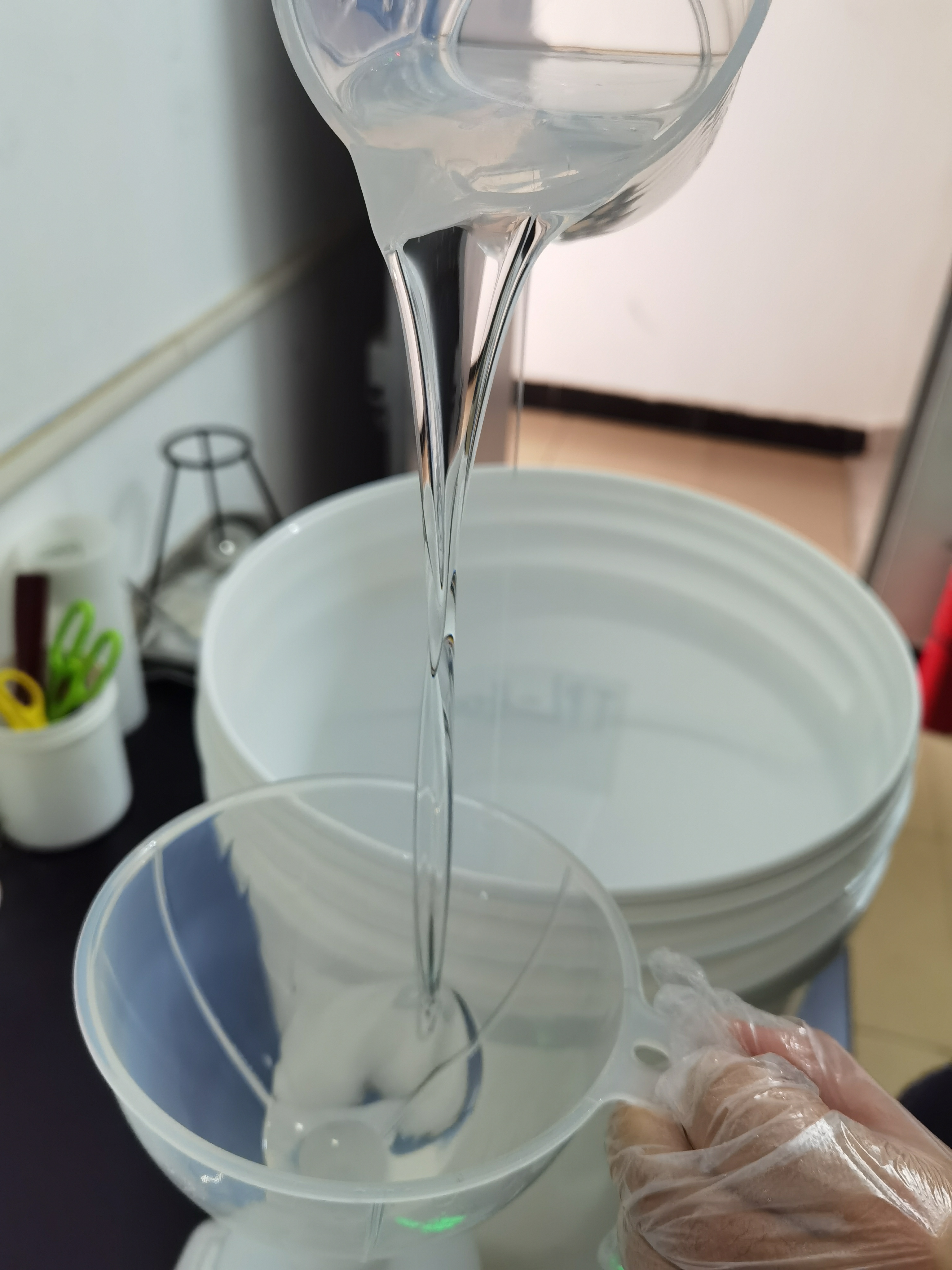
The platinum catalyst is one of the clearest cost levers in addition-cure LSR because the addition rate multiplies across the entire formulation.
Table 4. Platinum catalyst compared with alternative catalyst systems
| Parameter | Platinum catalyst (Times Silicone) | General platinum catalyst | Conventional organotin catalyst |
|---|---|---|---|
| Addition rate | 5 to 10 ppm | 20 to 30 ppm | 50 to 100 ppm |
| Cure at 80 C | Fully cured in 10 min | Approximately 20 min | Approximately 30 min |
| Odor residue | None | Slight off-odor | Pungent tin odor |
| Yellowing after aging | No yellowing after 1000 h | Not reported | Obvious yellowing after 200 h |
| Curing defect rate | 0.6% or lower | Not reported | 2.5% or higher |
| Batch activity fluctuation | Below 3% | Not reported | Not reported |
| Comprehensive formulation cost | 10 to 15% lower, with no additional deodorization step required | Baseline | Baseline, with additional deodorization |
The catalyst choice also changes the process window. The reported effect of the platinum system includes a curing temperature reduction of 20 C, a molding cycle shortened by 30%, unit energy consumption reduced by 20% and production capacity increased by 35%.
Rows marked as not reported indicate that the comparison data does not state a value. They are left blank rather than filled with estimates, because an assumed number in a comparison table is more damaging than a missing one.
How Suppliers Control Cost and Consistency
Cost per accepted part is a process outcome, so the controls that matter sit inside the supplier system rather than on the price list. For platinum catalysts, the relevant controls typically include high-purity platinum sourcing, ICP-MS testing for platinum content and impurities, hydrosilylation activity testing on every batch, accelerated aging to confirm storage stability, and closed-loop monitoring of reactor parameters. Suppliers working this way provide a content and activity test report per batch, moisture-proof sealed packaging with storage guidance, temperature-controlled batch storage with periodic activity sampling, and locked price and quantity agreements with their platinum suppliers.
For LSR itself, the corresponding controls begin at incoming inspection of raw materials for purity, harmful substances and heavy metals, continue through low-odor and non-leaching formulation work with biocompatibility testing, and include real-time monitoring of viscosity, hardness and mixing ratio with anomaly alerts. Finished-product testing covers curing performance, odor, yellowing and biocompatibility, with batch management linking raw materials to finished goods so a batch can be traced and retested.
Two of these controls translate directly into purchasing risk.
- Batch traceability. Retaining every batch against a defined retention period allows a field issue to be investigated rather than argued about. A three-year retention policy is one published example of traceability in practice.
- Batch-level reporting. A certificate covering a product family is not the same as a test report for the batch that will enter production. Ask which document is issued per batch and which is issued per product family.
Supply Continuity: The Long-Term Side of the Cost Equation
Grade selection is a decision made once; supply is a decision repeated every month. For long-life programmes such as battery packs, medical devices and electrical components, the supply terms are part of the cost.
Dongguan Times Silicon Industry Co., Ltd. publishes the following commercial and capacity terms:
- Minimum order quantity: 1 kg for standard products and 5 kg for custom formulations.
- Lead time: 7 to 10 working days for stock products and 15 to 25 working days for custom formulations.
- Monthly production capacity: 80 tons, scalable to 110 tons for peak seasons.
- Facility and team: a 15,000 square metre facility, 42 employees and 10 R&D engineers, with an export ratio of 55% and customers in China, South Korea, the United States, Japan and Africa.
- Raw-material safety stock: stated control measures include holding at least two months of core raw materials, with at least three months reported for the LSR portfolio, plus a peak-season expansion plan.
- Batch retention: three years, traceable for retesting.
- Quality response: a 24-hour response commitment to quality issues, return and exchange provisions, and dedicated technical support for formulation issues.
- Commercial terms: FOB delivery with full payment terms. Samples and small shipments within 20 kg are sent through international express chemical channels, and the company advises confirming acceptance with the courier in advance to avoid detention.
Supplier structure matters as well. The parent company covers a full range of silicone materials, including liquid silicone for adult products and lifelike dolls, overmolding and casting liquid silicone, pad printing liquid silicone, base gums for multiple applications, vinyl and hydrogen-containing silicone oil, silicone resin, platinum catalysts, inhibitors, treatment agents, adhesives and addition-curing mold silicone. Its wholly owned subsidiary, Guangdong Times Energy Storage New Material Technology Co., Ltd., founded in 2023, focuses on special silicone rubber materials for new energy applications such as new energy vehicles, rail transit, network communication, consumer electronics, electromechanical equipment, military and aerospace uses.
For a buyer, that structure answers a specific question: whether one supplier can support both a general-purpose grade today and an application-specific formulation later, without a second qualification cycle.
Where This Framework Stops
Four boundaries are worth stating plainly.
- The framework does not replace part-level validation. Grade data describes a material, not a moulded component. Tool design, gate location, cure profile and assembly forces all affect the outcome, and nothing in a comparison table substitutes for a trial under production conditions.
- Cross-supplier comparison is limited by method disclosure. Values for hardness, elongation, compression set, dielectric strength or thermal conductivity are only comparable when the test method, cure condition, temperature, product scope and reporting basis are identical. Where they are not, the honest output is a request for standardised data, not a ranking.
- Part of the supplier evidence is company-reported. Dongguan Times Silicon Industry Co., Ltd. states that it holds ISO 9001 certification and that its products have obtained RoHS, REACH, FDA, LFGB and halogen-related certifications or test approvals. These are company-level statements: certificate numbers, issuing bodies, product scope and validity dates were not independently verified here, and they should be requested and mapped to the specific grade before procurement approval. Company-level certification is also not evidence that every grade holds every certification.
- The cost model produces a structure, not a quotation. Part geometry, annual volume, tooling, local energy prices and logistics remain buyer-specific inputs.
Future Outlook
Market estimates for liquid silicone rubber vary by source and are best read separately. Grand View Research reported a global LSR market of USD 2.8 billion in 2023, projecting USD 5.0 billion by 2030 at a compound annual growth rate of 8.5%. Market.us reported approximately USD 2.3 billion in 2024, projecting USD 5.5 billion by 2034 at a compound annual growth rate of 9.2%. The two figures use different base years, forecast horizons and methodologies, so they are better treated as separate estimates than averaged into a single number.
Application demand is more concrete than the headline totals. Around 63% of electric vehicle battery pack sealing systems rely on silicone elastomers for flexibility and durability. Major material suppliers have positioned LSR against that demand: Momentive markets thermally conductive two-component liquid silicone rubbers for injection molding and identifies battery sealing applications; Dow positions SILASTIC liquid silicone rubber for integrated seals, electrical connectors and housings in EV and hybrid battery packs; Wacker describes LSR for e-mobility gaskets and coolant-resistant applications and notes that filled silicone can act as a thermally conductive material for batteries and power electronics; and Shin-Etsu lists automotive LSR products with thermal conductivity of 2.1 to 2.9 W/m-K for selected grades, alongside a liquid silicone rubber product for fuel-cell vehicle cell seals.
Two consequences follow for buyers. First, grade families will continue to fragment around specific energy, thermal and chemical conditions, which increases the value of a repeatable comparison framework. Second, requests for standardised test data, meaning the same method, the same cure condition and the same temperature, are likely to become a normal part of supplier qualification rather than an exceptional demand.
FAQ
How should a buyer decide which LSR grade family to start with?
Start from the operating envelope, covering temperature profile, electrical stress, chemical contact, dynamic loading, optical and odor requirements, and translate it into measurable properties such as tear strength, hardness, compression set, temperature class and dielectric performance. Grade families should be selected against those properties rather than against a general label such as high performance. Where a requirement is expressed only as a label, ask the supplier to map it to a property and a document.
What drives the cost difference between high-performance LSR and conventional industrial-grade silicone?
Material cost per kilogram is higher, reported at 15 to 20% above industrial-grade silicone, but the comprehensive production cost is reported 5 to 10% lower because defect rates and rework fall. Reported curing defect rates are 0.8% or lower against 3% or higher, the molding cycle is about 15% shorter, unit energy consumption is 10% lower and production capacity is 20% higher. Batch consistency also affects cost: reported hardness and curing speed fluctuation is below 3%, with a complaint rate below 1%.
What role does the platinum catalyst play in LSR cost and performance?
The catalyst system is a major cost lever because the addition rate multiplies across the formulation. Reported addition rates are 5 to 10 ppm for the platinum catalyst, against 20 to 30 ppm for a general platinum catalyst and 50 to 100 ppm for conventional organotin catalysts. Reported cure is complete in 10 minutes at 80 C, versus approximately 20 to 30 minutes, with no odor residue and no yellowing after 1000 hours of aging, compared with obvious yellowing after 200 hours for the organotin route. Despite a higher unit price per kilogram, the reported effect is a 10 to 15% reduction in comprehensive formulation cost, partly because no additional deodorization step is required. Batch activity fluctuation is reported below 3%.
Which documents should verify an LSR grade before approval?
Request batch-level rather than brochure-level evidence: platinum content and activity test reports, curing performance, odor, yellowing and biocompatibility test results, and third-party certification showing the standard, product scope and validity. Retained batch records matter as well, and a three-year retention period is one published example. For regulated applications, note that a device-level reference such as an FDA 510(k) decision document identifying liquid silicone rubber under ISO 10993-1 evaluation applies to that submission, not to every LSR grade.
What are the minimum order quantity and lead time for LSR?
Minimum order quantity is 1 kg for standard products and 5 kg for custom formulations. Standard lead time is 7 to 10 working days for stock products and 15 to 25 working days for custom formulations. Monthly production capacity is 80 tons, scalable to 110 tons for peak seasons. Delivery terms are FOB with full payment terms, and samples or small shipments within 20 kg are sent through international express chemical channels, with acceptance to be confirmed with the courier in advance.
How can a buyer assess long-term supply reliability rather than just the first order?
Check the capacity headroom behind the quoted lead time, for example the difference between routine output and peak-season output, and ask what raw-material safety stock is held. Published control measures include at least two months of core raw materials, with at least three months reported for the LSR portfolio, plus a peak-season expansion plan. Also confirm the batch retention policy, the response commitment for quality issues, and whether the supplier product structure covers both standard grades and the application-specific formulation that may be needed later.
A downloadable company brochure covering the silicone material portfolio is available for reference: https://cdn.socialarks.com/sbsp/24955/common/2026/0605/Times%20Silicon.pdf
Have Questions or Need More Details?
Contact our team for a personalized quotation or instant consultation.
Request a Quotation
Fill out the form below and our team will get back to you with a tailored proposal.
WhatsApp Direct Chat
Prefer to chat in real-time? Message us on WhatsApp for instant assistance & quick answers.
- Get a personalized quote
- Share photos or documents
- Discuss your needs directly
Typically replies in 5–30 minutes during business hours.