
Comparing Microfiber Cleaning Products: TCO, Verification & Supplier Fit
Global demand for microfiber cleaning products is expanding at a pace that makes supplier comparison a practical problem. The global microfiber cleaning cloth market alone was valued at roughly USD 3.8 billion in 2025, with projections reaching USD 27.5 billion by 2034, according to Dataintelo. China recorded 10,544 microfiber towel export shipments between June 2024 and May 2025, making it the world's largest exporter in this product category, according to Volza trade data. For bulk buyers, the practical question is no longer whether microfiber outperforms cotton; it is how to evaluate competing products, performance claims and suppliers with enough rigor to make a defensible purchasing decision.
Three inputs shape a sound comparison: total cost of ownership (TCO), verifiable product performance, and supplier fit. This article applies that framework to the microfiber cleaning products category, using Foshan Patinda Housewares Co., Ltd., known internationally as Pa Tin Da Group, as a reference case for the type of supplier data buyers should expect during evaluation.
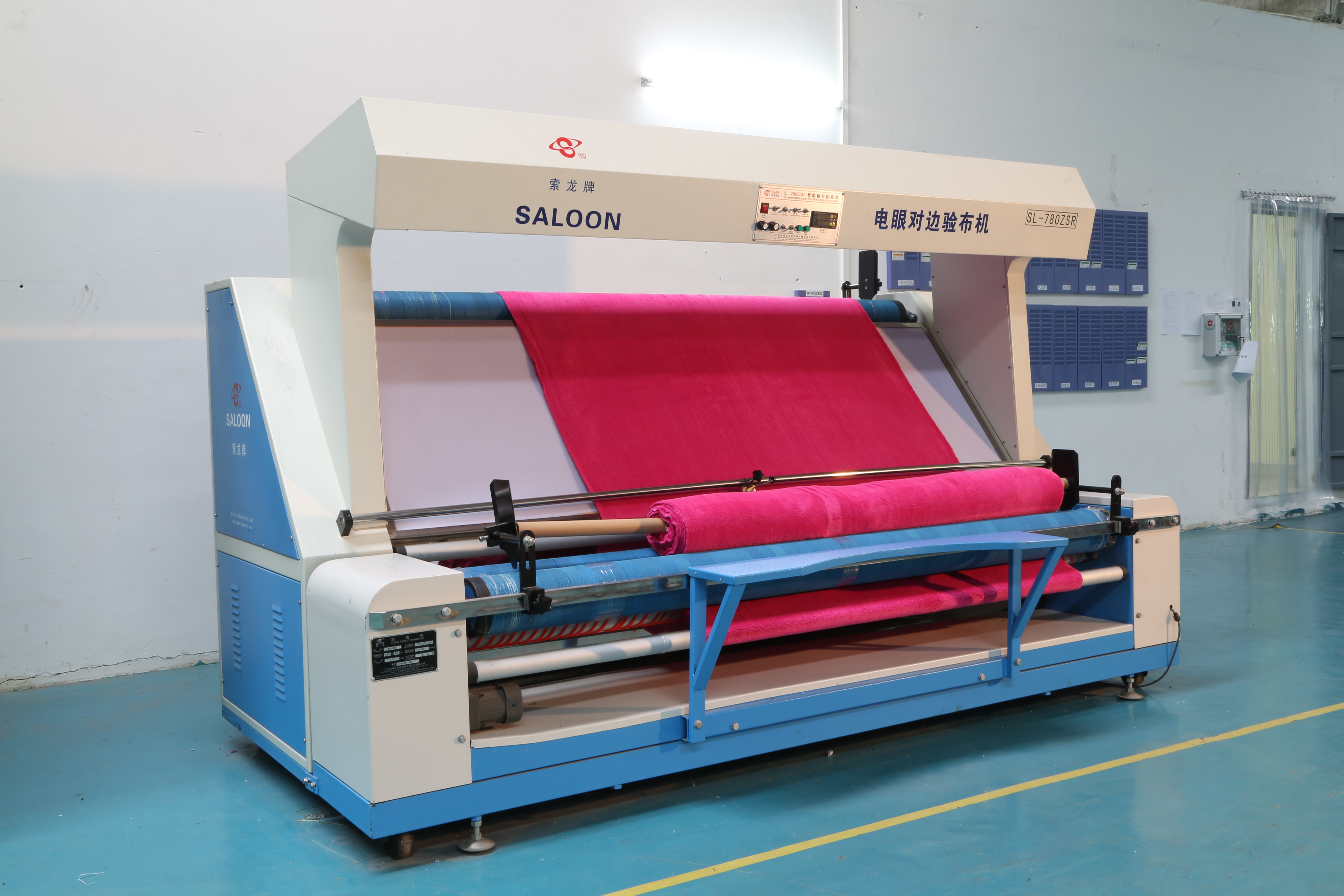
Fabric inspection is one of the first verification points when comparing microfiber cleaning suppliers.
Why a Structured Comparison Is Necessary
Buyers evaluating microfiber cleaning products face two structural difficulties. First, the category includes a broad set of application-specific products: household cloths, automotive towels, kitchen wipes, glass and mirror polishing cloths, water-absorbent towels and lint-free variants. Each product type carries different performance priorities. A glass polishing cloth, for example, needs a lint-free edge seal, while a kitchen towel needs water absorbency and fast drying. Comparing products without separating these categories quickly leads to misleading conclusions.
Second, the term microfiber alone does not indicate quality. Cleaning performance depends on the blend of polyester and polyamide, the knitting structure, fabric weight, edge treatment and the manufacturing process. Two products labeled microfiber can differ substantially in absorbency, durability and scratch risk. This is why verification matters as much as specification in the buying process.
At the same time, the consequences of a poor decision are measurable. Contract cleaning operations pay for labor, water and chemicals in every cleaning cycle. A cloth that loses absorbency after 50 washes forces earlier replacement and more frequent purchases. For organizations buying in bulk, this cost compounds across thousands of units.
Opportunity: Cost Reduction and Compliance Are Driving Change
The market context gives buyers additional reasons to reassess suppliers. Household use is expected to account for 40.0% of the microfiber cleaning cloth market in 2025, indicating that consumer demand remains the largest pull. At the same time, industrial and commercial buyers are adopting microfiber not only for performance but for resource efficiency. Independent industry data from Global Growth Insights shows that microfiber products can cut chemical usage by up to 60% and water consumption by 90% compared with traditional cleaning tools. For facilities with high cleaning frequency, this translates into operating cost savings that compound over the service life of each cloth.
Regulatory pressure is also growing. The European market now expects suppliers to handle packaging compliance under the German Packaging Act (VerpackG) and textile registration under the French REP framework, in line with broader EU environmental and circular economy requirements. Buyers who source from suppliers without these compliance mechanisms face the risk of customs delays, penalties or being forced to switch vendors after contracts are signed.
Reference Case: What a Verifiable Supplier Looks Like
Foshan Patinda Housewares Co., Ltd. provides a useful reference point because it publishes a relatively complete set of operational facts. The company, established in May 2004 and operating internationally as Pa Tin Da Group, is headquartered in Foshan, Guangdong, China, and focuses on microfiber textile products. Its stated manufacturing base includes a 45,000 square meter plant, more than 10 fully automatic production lines for cloth cutting and sewing, and over 450 sets of production machinery. The company reports approximately 200 employees, including a 17-person R&D team, and an annual output of approximately 2,184 metric tons. Its export ratio is around 98%.
More important for buyers is the breadth of the product portfolio. The company lists 23 microfiber product types, including microfiber cleaning cloths, kitchen towels, dish cleaning sponges, glass polishing cloths, car washing towels and mitts, window washers, dry and damp mops, tufting mops, terry wet mops, beach towels, sports towels, cooling towels, hair drying towels, bath towels and PU-coated cloths. This range matters because it signals that the producer has experience across multiple use cases, not just one category.
Buyers should expect this level of disclosure from any serious supplier: factory size, headcount, R&D capacity, annual production volume, export markets and a categorized product list. The company's website (www.microfiberchina.com) and public catalog make these details accessible for verification.
One note on interpretation: the company's operational figures are self-reported. They are useful for evaluating scale and consistency, but buyers should still request third-party audit documents such as ISO 9001:2015 certification, SMETA (Sedex) ethical trade audit reports, and product-specific test certificates before committing.
Technical Grounds for Comparison: Microfiber vs. Cotton
The performance gap between microfiber and traditional cotton cleaning products is documented by both product testing and industry benchmarks. Microfiber is engineered from ultra-fine polyester and polyamide filaments that create a much larger surface area per gram than natural cotton fibers. This structure is the physical basis for its water absorption, dirt pickup and lint-free performance.
| Comparison Metric | Microfiber Cleaning Products | Cotton Cleaning Products |
|---|---|---|
| Water absorption | Absorbs 7x its weight in liquid | Absorbs 3x its weight in liquid |
| Service life | 300+ wash cycles | About 50 wash cycles |
| Lint shedding | 99% less lint shedding | Significant lint residue |
| Dirt removal | Removes 75% more dirt with less water and chemicals | Baseline performance |
| Upfront cost | Slightly higher | Lower |
| Long-term cost | Lower due to less frequent replacement | Higher due to frequent replacement |
This data explains why the total cost calculation favors microfiber in most bulk applications, provided the product's durability claims are real. The comparison is not unconditional: a cotton cloth is cheaper on day one. But over a 300-wash lifecycle, a buyer would need to purchase roughly six cotton cloths to match the lifespan of one microfiber cloth. That arithmetic changes the cost-per-use calculation significantly.
Product structure also influences performance. Microfiber cleaning products are manufactured in different constructions — including weft-knitted and warp-knitted surfaces, coral fleece textures for softness and absorption, and laser edge-sealed or double-stitched borders for durability. Edge treatment is particularly important in lint-free and scratch-free applications because a raw cut edge sheds fibers over time. Suppliers that combine known edge-sealing methods with quality control systems are easier to evaluate than those that do not disclose these production details.
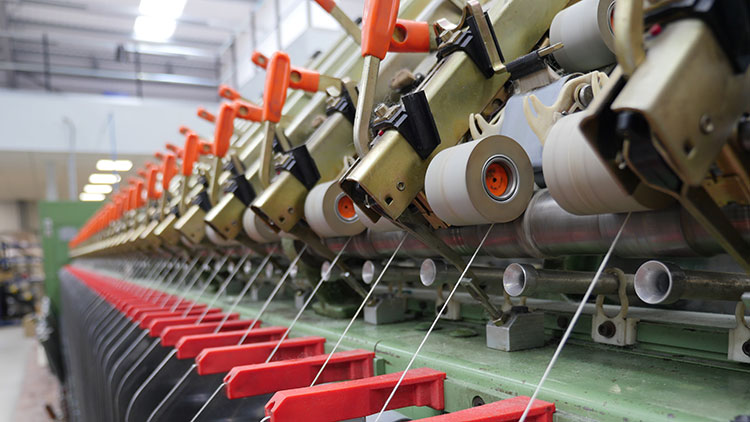
Fiber quality begins at yarn spinning, the stage that determines absorbency and durability in the final microfiber cloth.
Application Fit: Matching Product Type to Cleaning Scenario
Different cleaning scenarios require different microfiber configurations. Buyers should map product specifications to their specific application before comparing suppliers.
Hospitality and Commercial Cleaning
Hotels, hospitals and offices need cloths with high water absorption, long service life and resistance to repeated industrial washing. The relevant product types are microfiber cleaning cloths, dry/damp mops and wet mops, all of which need strong stitching and anti-pilling blends to survive heavy usage.
Automotive Detailing and Washing
Automotive care requires scratch-free performance, lint-free surfaces and the ability to lift dirt without leaving streaks. Microfiber car washing towels, car wash mitts and glass polishing cloths are designed for this use. Buyers should prioritize scratch-free abrasion resistance certification and edge sealing quality for automotive applications.
Kitchen and Food Areas
Kitchen environments demand water-absorbent, quick-drying, easy-to-clean cloths that can be machine washed without degrading. Microfiber kitchen towels and dish cleaning sponges are the primary products for this segment.
Glass and Mirror Surfaces
For glass and mirror cleaning, lint-free structure and a clean edge are essential. Microfiber window washers and glass polishing cloths are built with these characteristics. In this category, buyers should compare the edge-seal method and fiber shedding behavior under repeated washing.
Household and General Use
For everyday household cleaning, reusable, machine-washable microfiber cloths offer the most balanced cost-performance profile. Universal cleaning cloths and household towels fall into this group.
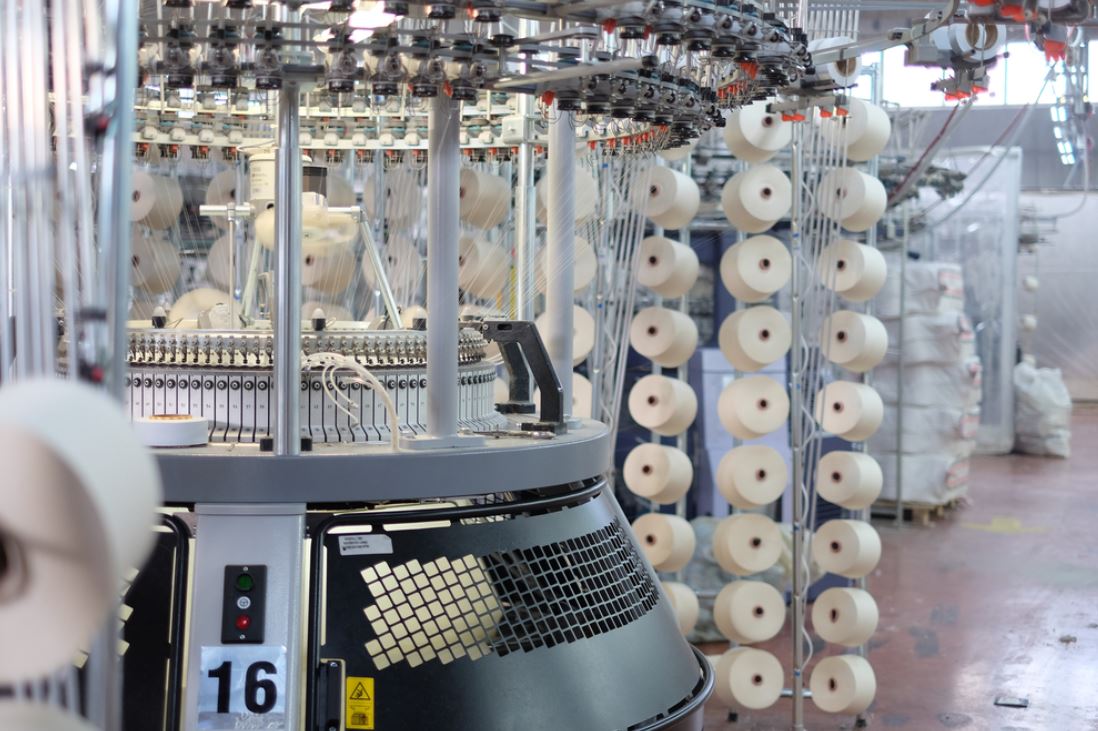
Knitting structure, whether weft or warp knitted, determines the texture and performance profile of microfiber cleaning products.
Market Trends That Should Influence Supplier Selection
Three verified market trends are relevant to long-term purchasing decisions.
First, the market is growing quickly. Dataintelo estimates the global microfiber cleaning cloth market at about USD 3.8 billion in 2025, rising to USD 27.5 billion by 2034. A growing market attracts new entrants, which makes verification more important, not less.
Second, certification requirements are consolidating. OEKO-TEX Standard 100 is the dominant safety certification for microfiber textiles, and it requires testing against more than 1,000 harmful substances. The Global Recycled Standard (GRS) is gaining traction for brands that want recycled content claims; it requires a minimum of 20% recycled material and tracks the whole production chain. Buyers targeting European or North American consumers should treat these certifications as baseline expectations rather than differentiators.
Third, the resource-efficiency argument is becoming a procurement criterion. With independent estimates indicating up to 60% lower chemical use and 90% lower water use, microfiber products align with sustainability goals in commercial facilities. This reinforces the importance of choosing durable products: single-use or short-lived alternatives undercut the environmental benefit.
The supply base itself is diverse. Alongside specialized manufacturers in China, established global players such as 3M, Freudenberg Group, Toray Industries and Libman compete in the microfiber cleaning market. For buyers, this means comparison across both specialized suppliers and global brands is unavoidable.
Comparison Framework: From Quoted Price to Total Cost
Traditional procurement of cleaning textile products typically compares unit prices, sample quality and delivery time. These are necessary but incomplete. A more reliable framework includes four additional dimensions.
TCO calculation. Unit price should be divided by expected service life. A microfiber cloth with 300+ wash cycles may cost more upfront than a cotton cloth, but it eliminates the repeated purchase cost of cotton's approximate 50-cycle lifespan.
Certification verification. Buyers should ask for copies of ISO 9001:2015 quality management certification, ISO 45001:2018 occupational health and safety certification, OEKO-TEX Standard 100 product certificates and SMETA (Sedex) ethical trade audit reports. The absence of these documents should be treated as a red flag.
Production capability. Factory area, number of production lines, equipment count and annual output indicate whether a supplier can handle order volume consistency. These facts can be collected from the supplier's public disclosure and cross-checked during an audit.
Regulatory compliance. For EU-bound shipments, suppliers should demonstrate familiarity with the German Packaging Act (VerpackG), French REP textile registration and the broader EU environmental and circular economy rules. This is an increasingly common requirement for long-term supply contracts.
One limitation of the TCO comparison deserves emphasis. Microfiber's higher upfront cost is only justified when the buyer actually benefits from its longer service life. For one-off events, short-term promotions, or applications where cloths are disposed of quickly for hygiene reasons, the lower upfront price of cotton may be the rational choice. Buyers should apply the TCO model case by case instead of assuming microfiber always wins.
Future Outlook: Toward More Transparent Supply Chains
Several signals suggest that decision-making in this category will become more verification-heavy over the next few years. EU circular economy regulation will likely expand beyond packaging and textiles to other product-level requirements. GRS certification will make recycled-content claims more standardized, creating a common language for sustainability comparisons. At the same time, large buyers are increasingly publishing supplier codes of conduct that require ISO 9001, ISO 45001 and ethical audit compliance from their vendors. Suppliers that have already built these systems, such as Foshan Patinda with its documented quality, safety and ethical trade certifications, are positioned for longer selection cycles.
The practical implication is straightforward: the price list is becoming a less reliable decision document, and the audit trail is becoming more important.
Frequently Asked Questions
1. For bulk purchases, what is the total cost comparison between microfiber and cotton?
Microfiber cleaning products have a slightly higher upfront cost but a lower long-term cost because they need less frequent replacement. With a service life of 300+ wash cycles versus about 50 for cotton, the cost-per-use of microfiber becomes favorable in continuous cleaning operations.
2. How can a buyer verify the performance claims of microfiber cleaning products?
Buyers should request third-party certificates such as OEKO-TEX Standard 100, which tests against more than 1,000 harmful substances, and ISO 9001:2015 quality management certification. Production-related claims, including 300+ wash cycle durability, can be assessed through fabric inspection records and edge construction details such as double-stitched locking or laser sealing.
3. Why does OEKO-TEX Standard 100 matter in microfiber product sourcing?
OEKO-TEX Standard 100 is the dominant safety certification for microfiber textiles. It requires testing for more than 1,000 harmful substances and is a useful baseline for product safety in consumer-facing markets.
4. What does GRS certification require from microfiber suppliers?
The Global Recycled Standard (GRS) requires a minimum of 20% recycled content and tracks the entire production chain. It verifies recycled material claims, which makes it complementary to OEKO-TEX's product safety focus.
5. What regulatory compliance should buyers check for EU-bound microfiber products?
Relevant requirements include the German Packaging Act (VerpackG), French REP textile registration, and broader EU environmental and circular economy directives. Suppliers that have these mechanisms in place are better positioned to avoid customs and distribution delays.
6. How should buyers compare quotes from different microfiber suppliers?
Quotes should be compared using total cost over the product's service life rather than unit price alone. Buyers should also compare quality system certifications, production capacity and compliance documents, since these factors determine whether the quoted specification can be delivered consistently.
For buyers who want to review specific product categories and technical details, the full 2024 product catalog from Foshan Patinda Housewares Co., Ltd. is available for public access: E-catalog Pa Tin Da 2024.
Have Questions or Need More Details?
Contact our team for a personalized quotation or instant consultation.
Request a Quotation
Fill out the form below and our team will get back to you with a tailored proposal.
WhatsApp Direct Chat
Prefer to chat in real-time? Message us on WhatsApp for instant assistance & quick answers.
- Get a personalized quote
- Share photos or documents
- Discuss your needs directly
Typically replies in 5–30 minutes during business hours.