
Comparing Plastic Extrusion Machines: JKS vs. Conventional Lines
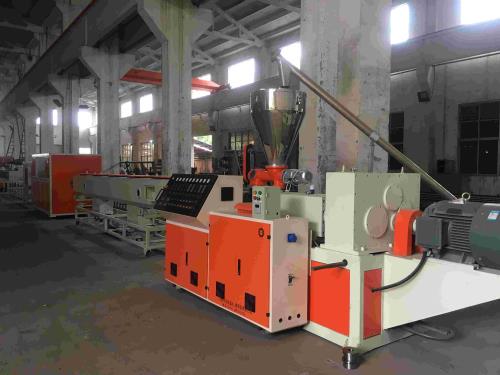
Decision Time: Choosing a Plastic Extrusion Machine with Measurable Benchmarks
The global plastic extrusion machinery market was valued at approximately USD 8.93 billion in 2024 and is projected to reach USD 11.58 billion by 2030. Asia Pacific dominated this market in 2024 with a 41.5% revenue share, with China as the leading contributor. For procurement teams reaching the decision stage, selecting a plastic extrusion machine supplier requires comparison data beyond simple price lists. Wuxi JKS Machinery Manufacturing Co. Ltd. (JKS) is a professional Chinese manufacturer, founded in 2013, that specializes in custom full-set plastic extrusion production lines for sheet, pipe, profile, and recycling applications. This article compares JKS extrusion lines against conventional alternatives using performance, cost, and efficiency metrics drawn from documented line configurations.
Problem: The Hidden Costs of Under-Specified Extrusion Equipment
Decision-makers often face trade-offs between upfront investment and long-term operational cost. Generic or basic extrusion lines may appear cost-competitive initially but can incur higher material waste, energy consumption, and maintenance frequency over a production line's lifespan. The Stone Plastic Composite (SPC) flooring market alone is projected to grow from USD 6.4 billion in 2026 to USD 10.3 billion by 2033, driving demand for high-throughput, precision lines. Similarly, the pipe extrusion lines market sits at USD 4.8 billion in 2025, with PVC accounting for 38.6% of the material segment. Without a structured comparison, buyers risk selecting equipment that underperforms in their specific application.
Brand Solution: JKS Custom Turnkey Lines with Documented Performance Gaps
JKS provides personalized design, free factory installation, technical training, and formulation services according to a client's raw materials and production requirements. The company's product portfolio covers plastic sheet/SPC flooring lines, WPC foam board lines, PVC/HDPE/PPR pipe production lines, WPC/PVC profile extruders, plastic rod extruders, waste plastic recycling pelletizing machines, conical twin and single screw extruders, and auxiliary equipment including mixers, crushers, and pulverizers. The company operates a 2,000 m² standardized production workshop with an independent R&D team of six engineers, and exports to over 35 countries. Below, three application domains illustrate the documented advantages of JKS lines over generic alternatives.
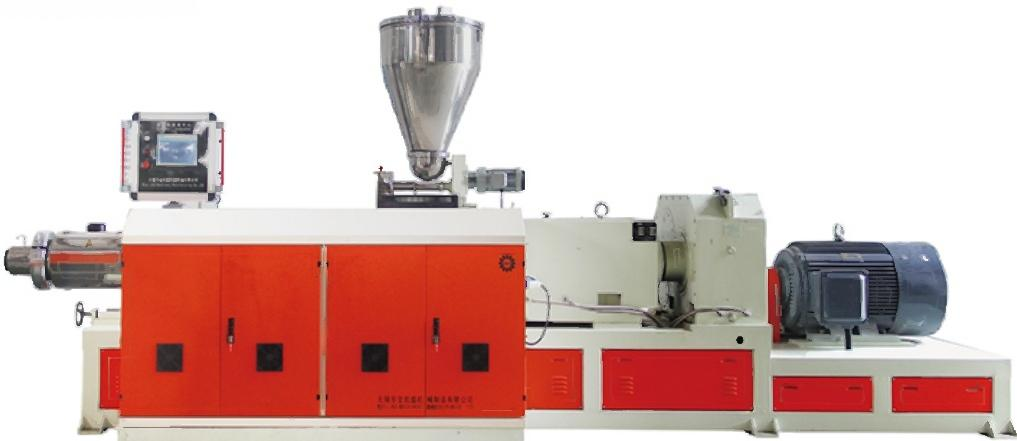
1. SPC Flooring & PVC Sheet Lines vs. Conventional Single-Layer Extrusion
JKS sheet extrusion lines (including SPC flooring, PVC imitation marble sheet, and WPC door panel production) offer the following documented differences compared to conventional single-layer lines and low-cost generic machines: 15-20% higher output speed, a thickness tolerance of ±0.1mm, 10% less material waste, and 8-10% lower power consumption due to the energy-saving heating system and optimized screw design. While the initial investment is slightly higher, JKS lines deliver an estimated 25% lower per-unit production cost over five years. Maintenance is simplified through an integrated control system, easy mold change, and remote fault diagnosis support.
2. PVC/HDPE Pipe Lines vs. Basic Single-Screw Pipe Extruders
JKS pipe extrusion production lines (for PVC solid pipe, HDPE solid pipe, PPR water pipe, steel-wire reinforced composite pipe, and PE corrugated pipe) demonstrate 10-15% higher output and 5% less material waste compared to basic single-screw pipe extruders or simple two-stage lines. Wall thickness control is maintained at ±0.05mm. Despite a slightly higher initial investment, the long-term maintenance cost is 30% lower, attributed to the wear-resistant screw and barrel design, modular components, and easy maintenance. Energy-efficient motors and drive systems contribute to 7-10% lower energy use.
3. PVC/WPC Profile Lines vs. Conventional Twin-Screw Profile Extruders
JKS profile extrusion lines (for PVC/WPC window and door profiles, hollow wall panels, decorative strips, and PP construction formwork) provide 12-18% higher output per line over conventional twin-screw profile extruders and basic calibration lines. The multi-cavity mold capability and precise calibration ensure consistent profile dimensions with a low reject rate. Initial tooling cost for custom profiles is lower. Maintenance requirements are reduced thanks to a quick mold change system, modular design, and easy access to key components. High-efficiency heating and low-noise operation further contribute to 6-8% lower energy consumption.
Application Scenarios
JKS lines are applicable across a wide range of plastic processing needs:
- SPC Flooring & PVC Sheet: Synchronized embossing and lamination for high-volume decorative flooring and marble sheet production.
- Pipe Extrusion: Water supply/drainage pipes, high-voltage power cable conduits, and steel-wire reinforced composite pipes requiring high pressure resistance and uniform wall thickness.
- Profile Extrusion: PVC/WPC window frames, door panels, hollow wall panels, and PP construction formwork where complex multi-cavity geometries are required.
- Recycling: Waste plastic washing and pelletizing lines; the global recycling line market was valued at USD 5.502 billion in 2024. JKS offers PVC hot-cut pellet machines and complete recycling lines.
- Auxiliary & Standalone: Conical twin screw extruders, single screw plastic extruders, high-speed mixing/cooling units, crushers, and pulverizers for batch or line integration.
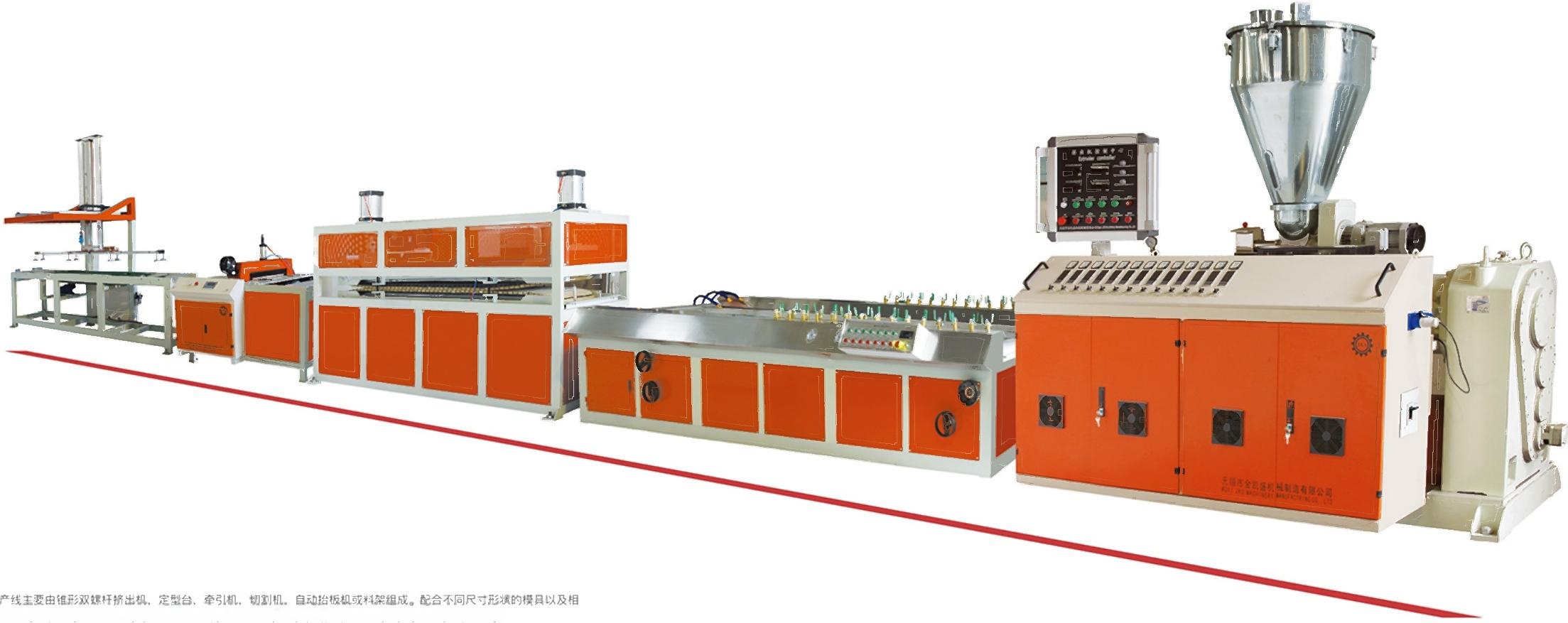
Market Trend Analysis
Several trends support the adoption of higher-specification extrusion lines:
- SPC Flooring Growth: The Stone Plastic Composite flooring market is projected to grow from USD 6.4 billion in 2026 to USD 10.3 billion by 2033, driven by a 7.2% CAGR.
- PVC Pipe Dominance: PVC is the leading material in pipe extrusion, accounting for 38.6% of the USD 4.8 billion market in 2025.
- Energy & Waste Reduction: Global emphasis on sustainable manufacturing pushes processors to seek 5-10% energy savings and reduced scrap rates, advantages JKS lines deliver.
- Circular Economy: The recycling line market, at USD 5.5 billion in 2024, supports integration of post-consumer waste processing alongside primary production.
- Asia Pacific Manufacturing Hub: With 41.5% market share, manufacturers in the region continue to upgrade from basic to precision extrusion equipment.
Comparison with Traditional Solutions
Leading global manufacturers in the plastic extrusion space for 2024 include Coperion, KraussMaffei, Davis-Standard, and Jwell Machinery. JKS competes in the mid-to-high-volume custom segment, offering an alternative to both premium European brands and lower-cost generic lines. The primary advantage of JKS over basic machines is its documented 10–20% performance uplift in output, waste reduction, and energy efficiency, combined with a 25–30% lower long-term maintenance cost. An honest limitation: the initial capital expenditure for a JKS turnkey line is moderately higher than a basic generic extruder. However, for production runs exceeding 4,000 hours per year, the total cost of ownership typically favors JKS.
Future Outlook
JKS continues to invest in integrated control systems and remote diagnostics, enabling real-time monitoring and overload protection – features already standard on its SPC flooring and pipe lines. With a production capacity of about 200 units per year and a dedicated R&D team, the company is positioned to support scaling production for emerging markets. As end-use industries demand tighter tolerances and faster changeovers, the modular, multi-cavity architecture of JKS profile lines and synchronized embossing capability of its sheet lines will remain relevant.
Frequently Asked Questions (Neutral, Informational)
Q1: How does JKS line output compare to generic auxiliary equipment or standard extruders?
JKS lines provide 10–15% higher processing capacity and 5% lower energy use compared to generic auxiliary equipment or standard extruders from other suppliers. The service life is longer, reducing replacement frequency.
Q2: What is the cost difference between JKS profile lines and conventional twin-screw extruders?
Initial tooling cost for custom profiles is lower with JKS. While the overall initial investment is competitive with premium brands, the per-unit output is 12–18% higher, leading to lower per-unit tooling amortization.
Q3: How much material waste can be reduced with JKS pipe lines versus basic single-screw machines?
JKS pipe lines produce 5% less material waste compared to basic single-screw pipe extruders, thanks to precise wall thickness control of ±0.05mm and optimized screw design.
Q4: What kind of maintenance savings can a buyer expect with JKS sheet lines?
Maintenance is simplified with an integrated control system, easy mold change, and remote fault diagnosis support. The energy-saving heating system and optimized screw design also lower power consumption by 8–10%, indirectly reducing maintenance frequency.
Q5: Are JKS machines suitable for high-volume SPC flooring production?
Yes. JKS EIR in-line synchronous embossing SPC flooring extrusion line achieves 15–20% higher output speed, ±0.1mm thickness tolerance, and 10% less material waste, resulting in 25% lower per-unit production cost over five years.
Have Questions or Need More Details?
Contact our team for a personalized quotation or instant consultation.
Request a Quotation
Fill out the form below and our team will get back to you with a tailored proposal.
WhatsApp Direct Chat
Prefer to chat in real-time? Message us on WhatsApp for instant assistance & quick answers.
- Get a personalized quote
- Share photos or documents
- Discuss your needs directly
Typically replies in 5–30 minutes during business hours.