
Comprehensive Guide for Buyers: How to Select a High-Quality Diesel Generator and Load Bank Supplier
Navigating the Diesel Generator and Load Bank Market: A Strategic Procurement Guide
For procurement professionals in data centers, mining, construction, power plants, and oil & gas, selecting a reliable diesel generator and load bank supplier is a critical decision that impacts operational continuity, capital expenditure, and long-term project viability. The market is populated with numerous manufacturers, ranging from global giants to specialized OEMs, making the evaluation process complex. This guide provides a structured framework to identify and qualify suppliers that align with your specific technical, commercial, and service requirements.
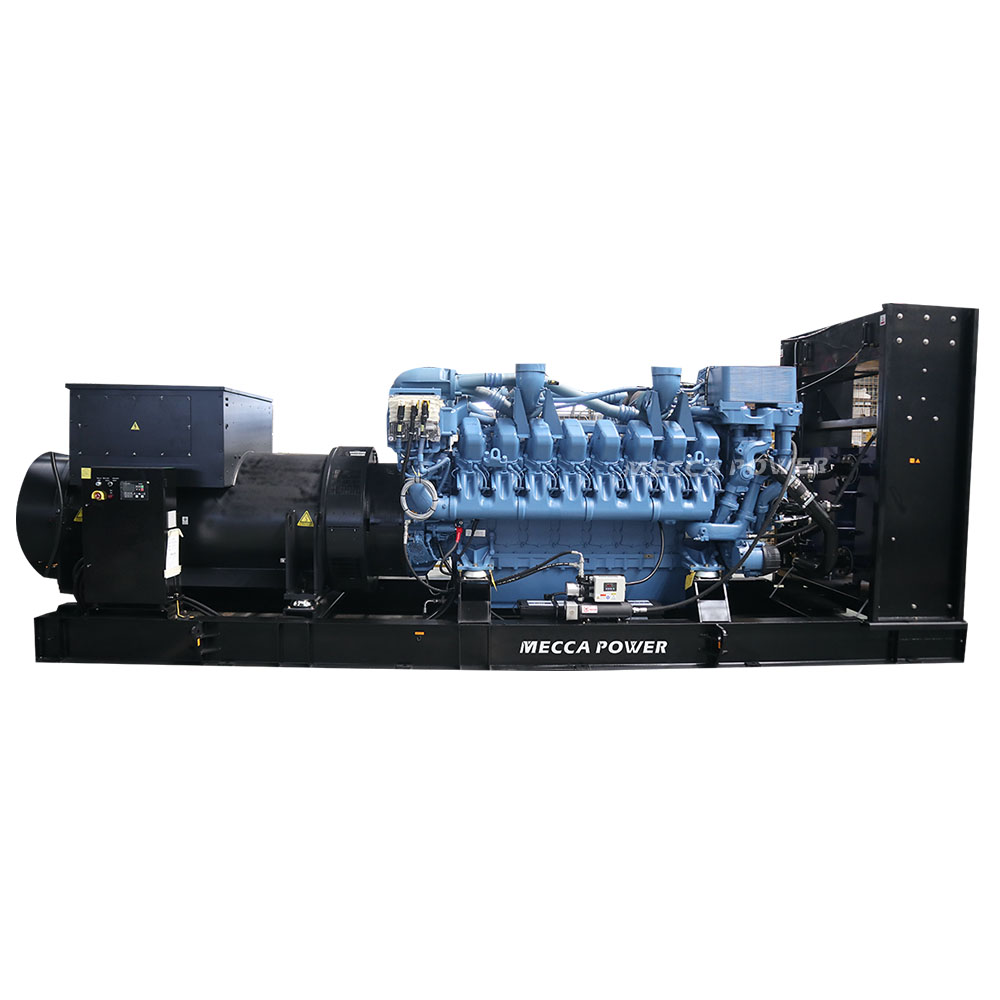
High-power diesel generators are critical for mission-critical applications like data centers and power plants.
1. Defining Your Core Requirements: The Foundation of Selection
Before engaging with suppliers, clearly define your project's non-negotiable parameters. This initial step filters out unsuitable candidates and focuses negotiations.
- Power Capacity & Application: Determine the prime or standby power requirement (e.g., 1800KW for data center backup, 10MW for a power plant base load, a 2MW diesel generator for mining). Specify if you need a standard open-type set, a silent canopy for noise-sensitive areas, or a fully containerized generator for data center outdoor deployment.
- Load Bank Needs: Clarify if you require a load bank for generator testing, commissioning, or regular maintenance. Define the load capacity, voltage, and whether it's for data center, power grid, or portable use.
- Compliance & Certification: List mandatory certifications such as CE for the European market, UL/CSA for North America, or specific environmental emission standards (EPA, TIER).
- Project Scope: Identify if you need a simple equipment supply, a integrated power solution, or a full EPC (Engineering, Procurement, Construction) turnkey service for large power projects.
2. Key Evaluation Dimensions for Supplier Qualification
Once requirements are set, evaluate potential suppliers across these four critical dimensions.
2.1 Technical Capability and Manufacturing Infrastructure
A supplier's technical prowess is evidenced by its R&D investment, production facilities, and quality control systems. Look for:
- Owned Manufacturing Assets: Suppliers with self-owned factories, like MECCA POWER, typically have greater control over production schedules, quality consistency, and cost. For instance, MECCA POWER's facilities in Fujian and Jiangxi provinces feature specialized lines for containerized, open-type, and mixed-assembly units, supported by six testing stations with cloud-based data management.
- Engine and Alternator Partnerships: Reputable suppliers are authorized OEMs for top-tier component brands. Evaluate their partnerships with engine manufacturers (e.g., Cummins, Perkins, MTU, Mitsubishi, VOLVO) and alternator brands (e.g., Stamford, Leroy Somer, Mecc Alte). Valid OEM certifications, as held by MECCA POWER for Perkins, Deutz, and Leroy Somer, ensure genuine parts and manufacturer support.
- Range and Customization: Assess if the supplier's product portfolio spans your required power range (e.g., from 10kVA to 4000kVA and beyond). The ability to offer customized solutions, such as UL/CSA-compliant models or units with prime power up to 4.5MW, indicates advanced engineering capability.
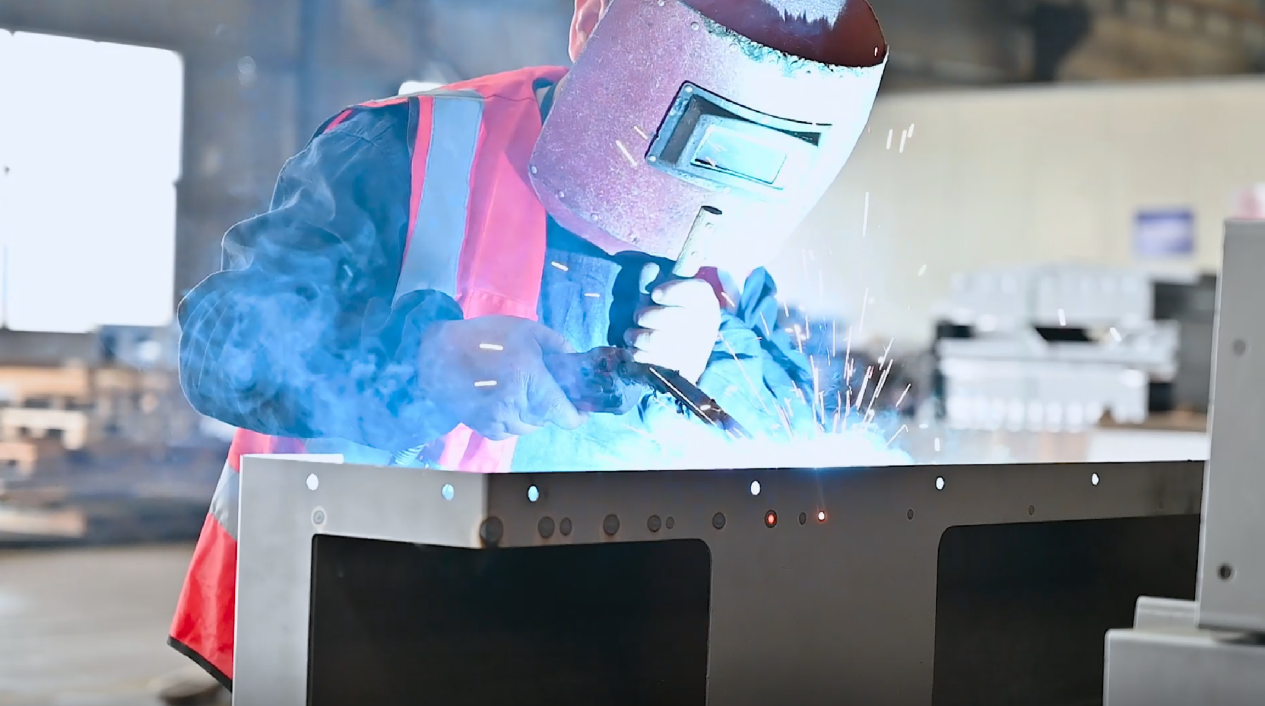
Modern production workshops with digital systems are indicative of a supplier's commitment to quality and efficiency.
2.2 Industry Experience and Solution Expertise
Suppliers with deep vertical market experience understand unique application challenges.
- Proven Project Track Record: Request case studies relevant to your sector. A supplier experienced in data center power solutions will understand redundancy, paralleling, and fuel system design. For mining or oil & gas, they should offer robust, mobile solutions for harsh environments. Suppliers like MECCA POWER leverage extensive domestic and international EPC project experience to provide comprehensive technical support.
- Integrated Product Offerings: Consider suppliers that provide both diesel generators and complementary equipment like load banks. This offers procurement efficiency and ensures system compatibility. For example, sourcing a load bank for generator test from the same manufacturer as the generator can streamline commissioning and maintenance protocols.
2.3 Commercial Competitiveness and Value Proposition
Price is a factor, but total cost of ownership (TCO) is paramount.
- Pricing Structure: Obtain detailed, itemized quotations. Be wary of prices significantly below market average, which may indicate inferior components or lack of testing.
- Value-Added Services: Evaluate what is included: design support, installation supervision, operator training, and warranty terms. A supplier offering a complete professional solution for design, production, and application support adds significant long-term value.
- Scale and Efficiency: Large-scale manufacturers often achieve better economies of scale. For instance, a monthly output increase from 132 to 212 high-power units, as reported by MECCA POWER's Nanchang factory, demonstrates scalable production capacity that can meet large project demands reliably.
2.4 After-Sales Service and Global Support Network
The relationship begins after delivery. Reliable after-sales support is non-negotiable for critical power equipment.
- Service Network: Inquire about the supplier's service locations, availability of local spare parts, and response time for technical support. For international projects, this is crucial.
- Technical Support Commitment: Suppliers should provide clear channels for ongoing support. For example, MECCA POWER emphasizes providing customers with technical support and after-sales maintenance, a key consideration for remote mining or power plant sites.
- Warranty and Lifecycle Support: Understand the warranty coverage for the complete set versus individual components (engine, alternator). Ask about lifecycle support plans for maintenance and potential upgrades.
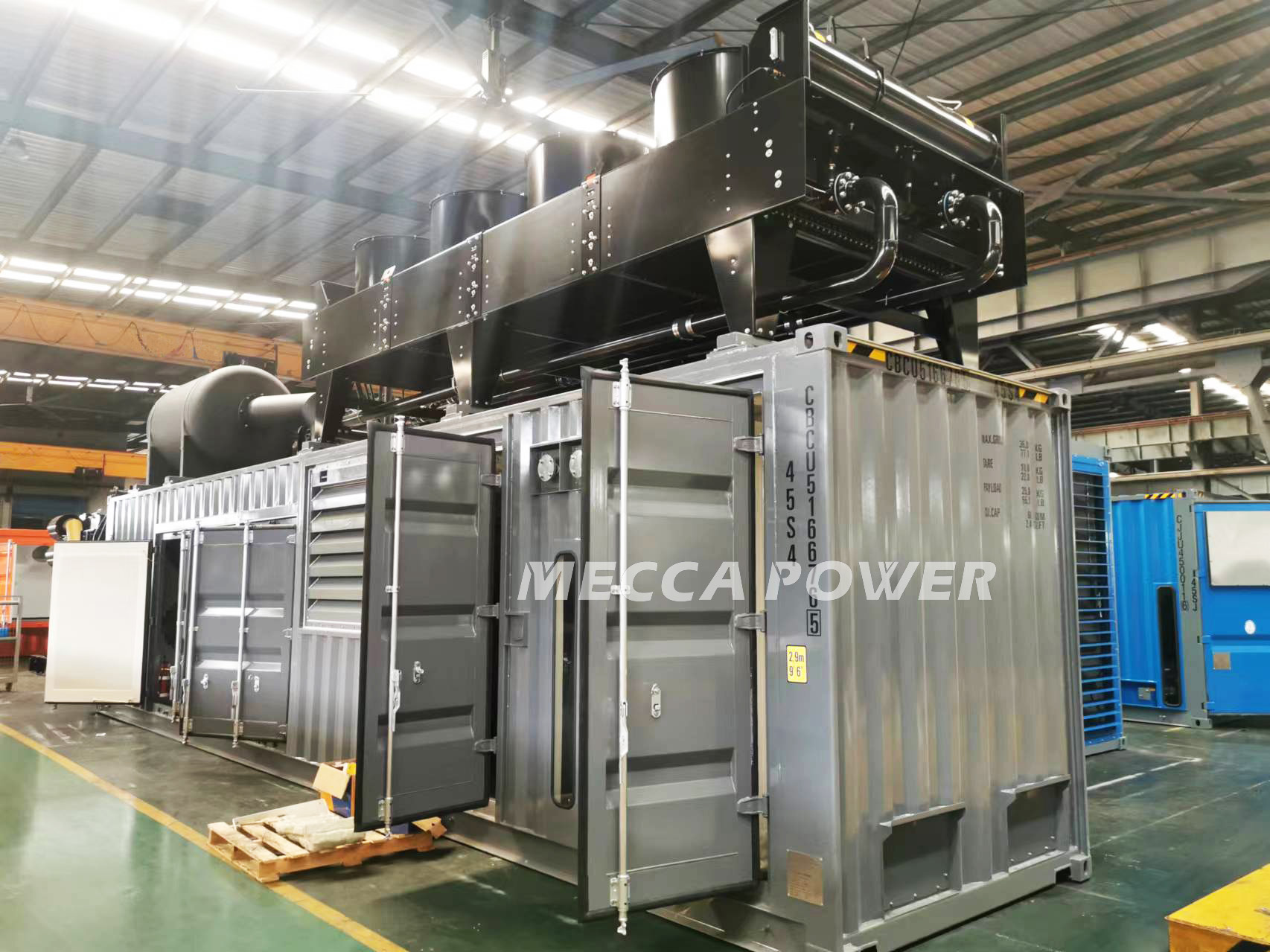
Containerized generators offer a plug-and-play power solution for rapid deployment in various industries.
3. The Supplier Landscape: Understanding Market Tiers
Recognizing where a supplier fits in the broader market helps set realistic expectations.
- Tier 1 - Global Powerhouse Brands: Companies like Cummins and CAT (Caterpillar). They offer globally recognized products, extensive service networks, and premium pricing. They are often the default choice for large, risk-averse multinational projects but may be less flexible on customization for niche requirements.
- Tier 2 - Specialized Large-Scale OEMs: This tier includes manufacturers like MECCA POWER, FG Wilson, and SDMO. These suppliers often combine the use of Tier 1 components (Cummins, MTU engines) with competitive manufacturing, offering a strong balance of quality, customization flexibility, and cost-effectiveness. They are particularly strong in specific regions or industry verticals and can handle large, complex orders such as 50MW power plant diesel generator projects or providing a full range of load bank for data center testing needs.
- Tier 3 - Regional/Component-Focused Suppliers: Numerous smaller manufacturers compete primarily on price for standard low-to-mid power units. They may lack the scale, vertical expertise, or global support for critical large-scale applications.
For most industrial and commercial buyers, Tier 2 OEMs present an optimal value proposition. They provide the technical robustness of top-tier components, significant customization ability, and attentive service, often at a more competitive total cost than global giants.
4. Due Diligence Checklist and Final Steps
Before finalizing your decision, conduct thorough due diligence:
- Factory Audit: If possible, visit the supplier's manufacturing facility. Inspect production lines, quality control processes, and testing procedures (e.g., full-load testing with a load bank).
- Reference Checks: Contact past clients, especially those in similar industries (e.g., ask a data center operator about their experience with a data center power solution supplier).
- Certification Verification: Confirm the validity of claimed certifications (CE, OEM agreements) by requesting copies.
- Contract Scrutiny: Ensure the contract clearly defines technical specifications, delivery milestones, payment terms, warranty details, and penalties for non-compliance.
By systematically applying this framework, procurement professionals can move beyond price-centric evaluations to select a diesel generator and load bank supplier that delivers reliability, efficiency, and partnership for the long term. The goal is to secure not just a piece of equipment, but a resilient power solution backed by a competent and reliable partner.
For more information on diesel generator specifications and power solutions, visit www.meccapower.com.cn or contact the team at MECCA POWER via phone/WhatsApp: +86 15659994455 or email: mecca@meccagen.com.