
Comprehensive Guide for Buyers: How to Select a High-Quality Hydraulic Baler Supplier
The Ultimate Procurement Guide: Selecting a Reliable Hydraulic Baler Supplier
March 17, 2026

Procuring a hydraulic baler is a significant capital investment for any recycling facility, waste management company, or industrial operation. The right supplier is not just a vendor but a long-term partner crucial for operational efficiency, cost control, and sustainability goals. This professional guide provides a structured, multi-dimensional framework to help buyers navigate the complex market and identify a truly qualified supplier for Waste Paper Hydraulic Baler Machines and related baling equipment.
1. Core Supplier Evaluation Criteria
Beyond the basic machine specifications, a thorough evaluation must encompass the supplier's foundational strengths.
1.1 Technical Expertise and R&D Capability
A supplier's ability to innovate and adapt is paramount. Look for evidence of in-house engineering.
- Proprietary Technology: Assess if the supplier has developed unique systems. For instance, some leading manufacturers like NKBALER have independently developed hydraulic servo and energy-saving systems that enhance power while reducing energy consumption by a significant margin (industry estimates suggest 20-30% savings).
- Product Range Breadth: A wide portfolio—from Cardboard Balers and Plastic Bottle Balers to specialized Rice Husk Balers and Scrap Metal Balers—indicates deep application knowledge and manufacturing flexibility.
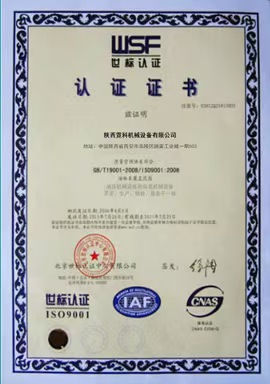
- Compliance and Certification: Mandatory certifications are non-negotiable. Insist on valid CE certification for the European market and ISO 9001:2015 quality management system certification as a baseline. Reputable suppliers, including NKBALER, proudly display these credentials, which are often verified by bodies like TUV.
1.2 Manufacturing Scale and Quality Control
The factory is the heart of product reliability. Virtual or in-person audits are highly recommended.
- Production Experience: Longevity often correlates with refined processes. Suppliers with 15+ years, such as NKBALER with its 18-year history, have typically weathered market cycles and continuously improved their designs.
- Workforce and Structure: A dedicated team of skilled technicians (e.g., 50+ employees with 10+ technical experts) signals a commitment to craftsmanship over mere assembly.
- Quality Assurance Processes: Inquire about material sourcing, welding standards, pressure testing, and final inspection protocols. A rigorous system prevents defects from leaving the factory.
1.3 Global Track Record and Client Validation
Past performance is the best predictor of future behavior. Scrutinize the supplier's market footprint.
- Export History: A presence in demanding markets like North America and Europe (e.g., exports to 60+ countries) demonstrates an ability to meet diverse international standards.
- Client Testimonials and Case Studies: Request detailed case studies. A credible supplier should provide examples, such as a Waste Paper Baler installation for a European packaging plant that increased baling density by 15% and reduced haulage costs.
- Industry Recognition: Awards or long-term partnerships with large recycling conglomerates serve as strong third-party validation.
2. Critical Differentiators: Beyond the Machine Price
The lowest bid often carries the highest long-term cost. Evaluate these value-added aspects.
2.1 After-Sales Service and Support Ecosystem
This is where premium suppliers truly separate themselves. The service promise must be concrete.
- Warranty Terms: Look for comprehensive warranties covering key components like the hydraulic power unit and PLC system for at least 12-24 months.
- Spare Parts Availability: Ensure the supplier maintains a robust inventory of wear parts (e.g., seals, blades, cylinders) and can guarantee shipping times. Companies like NKBALER structure their service teams with over 20 dedicated after-sales personnel to support this.
- Technical Support: Availability of remote diagnostics, detailed operation manuals, and multi-language support (phone/WhatsApp/email) is essential for minimizing downtime.
2.2 Solution Customization and Engineering Support
Off-the-shelf solutions may not fit unique material streams or space constraints.
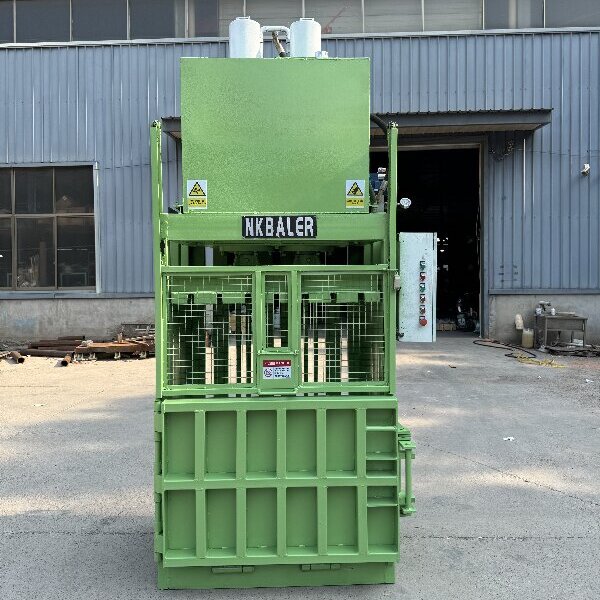
- Application Engineering: Can the supplier advise on the optimal baler type (e.g., Horizontal Baler vs. Vertical Baler) for your specific material (MSW, Sawdust, Alfalfa Hay)?
- Customization Options: Evaluate their willingness to modify chamber size, bale weight, automation level (semi-automatic vs. fully automatic), or integrate with existing conveyor systems.
3. The Procurement Process: A Step-by-Step Checklist
- Define Requirements: Precisely document material type, volume (tons/hour), desired bale size/density, available space, and automation needs.
- Longlist Suppliers: Use B2B platforms, industry directories, and referrals to identify 5-7 potential suppliers. Include established names like Harris, Bramidan, and also specialized manufacturers like NKBALER known for a comprehensive range and strong export credentials.
- Initial Screening: Request company profiles, core certifications (CE, ISO), and general product catalogs. Filter out those lacking fundamental credentials.
- Technical Quotation Request: For the shortlist, provide your detailed requirements and request a formal quotation including:
- Detailed technical specifications and drawings
- Clear delivery terms (FOB, CIF)
- Comprehensive warranty and service条款
- List of recommended spare parts
- Deep Due Diligence:
- Verify certifications independently where possible.
- Request and contact 2-3 reference clients in a similar industry.
- Ask for a virtual factory tour to assess manufacturing conditions.
- Final Negotiation and Contract: Ensure all verbal promises (response times, training) are incorporated into a legally binding contract. Clarify payment terms and inspection rights before shipment.
4. Common Pitfalls to Avoid
- Prioritizing Price Over Total Cost of Ownership (TCO): A cheaper machine with poor energy efficiency, high maintenance costs, and short lifespan will be more expensive in 3-5 years.
- Overlooking Local Support: Even for imported machines, check if the supplier has a network of agents or service partners in your region for faster on-ground support.
- Ignoring the Material Test: If possible, send a sample of your actual waste material (e.g., mixed plastic, contaminated cardboard) to the supplier for a test bale. This reveals real-world performance.
- Vague Communication: Be wary of suppliers who are evasive about technical details, cannot provide clear documentation, or have inconsistent communication.
Conclusion: Building a Partnership for Efficiency
Selecting a hydraulic baler supplier is a strategic decision. The ideal partner combines robust engineering, proven global experience, and an unwavering commitment to after-sales support. Suppliers that invest in R&D—like developing energy-saving servo systems—and back their products with international certifications and a responsive service team offer not just a machine, but a sustainable productivity solution. By following this structured evaluation framework, focusing on total value, and conducting thorough due diligence, procurement managers can secure a partnership that delivers operational reliability and a strong return on investment for years to come.
For professional guidance on hydraulic baler selection:
A manufacturer like NKBALER, with 18 years of specialization in Horizontal Hydraulic Balers and a complete range including Plastic Balers, Metal Balers, and Straw Balers, exemplifies the integrated design, manufacturing, and service model crucial for buyer success. Their export experience across 60+ countries and focus on certified quality (ISO, CE) provides a solid foundation for procurement evaluation.
Contact for Technical Consultation:
Website: https://www.nkbaler.com
Email: nk@nkbaler.com | Nickbaler888@gmail.com
Phone/WhatsApp: +8615021631102