
Comprehensive Guide for Buyers: How to Select a High-Quality Roll-up Door Forming Machine Supplier
Introduction: Navigating the Roll-up Door Forming Machine Market
The global market for roll-up door forming machines is diverse and specialized, catering to a wide range of applications from standard residential garage doors to high-performance industrial, fire-resistant, and soundproof systems. For procurement professionals, selecting the right equipment supplier is a critical decision that impacts production efficiency, product quality, and long-term business viability. This guide provides a structured, professional framework to help buyers systematically evaluate and identify a high-quality supplier for Roll-up Door Forming Machines and related equipment.
Key Evaluation Dimensions for Suppliers
Moving beyond basic price comparisons, a thorough assessment should focus on several core dimensions that define a supplier's capability and reliability.
1. Technical Expertise and Manufacturing Capability
The foundation of a reliable supplier lies in its engineering depth and production infrastructure. Assess the following:
- R&D Investment: Look for suppliers utilizing advanced design tools like SolidWorks 3D simulation and professional roll design software. This indicates a commitment to precision and innovation.
- Core Component Manufacturing: In-house machining of critical parts, such as forming rolls on CNC lathes, ensures superior quality control compared to outsourced components.
- Production Scale & Experience: A supplier with extensive experience, such as a 16-year specialization in cold roll forming, and a significant production footprint (e.g., a 5,000+ sqm factory) demonstrates stability and capacity to handle large or complex orders.
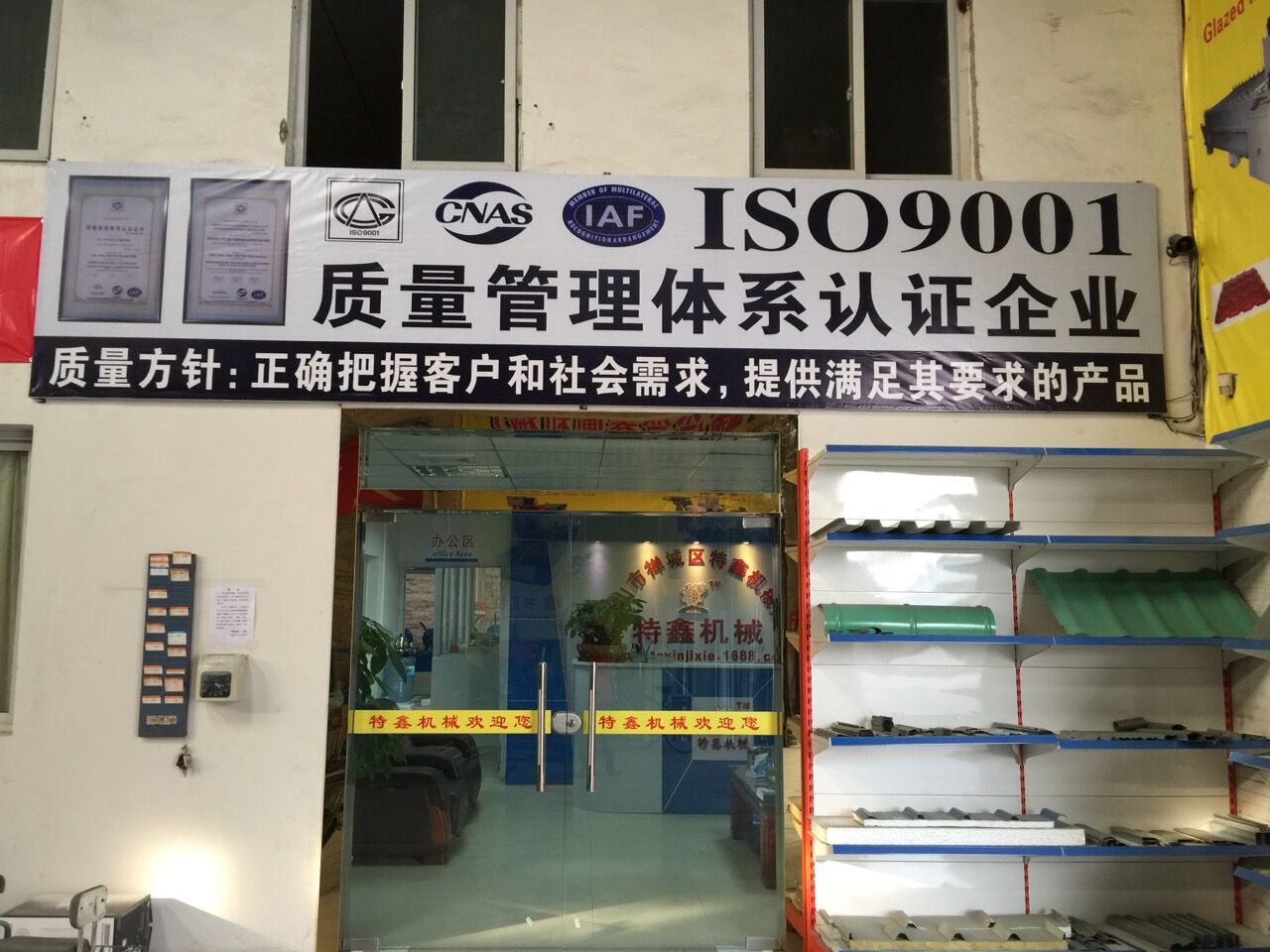
A modern production workshop is indicative of organized manufacturing and quality control processes.
2. Product Portfolio and Specialization
The ability to supply a broad yet specialized range indicates market understanding and flexibility. Key product categories to look for include:
- Standard Models: 125 Model Rolling Shutter Machine, 175 Model Rolling Shutter Machine.
- Regional & Specialized Machines: Europe-Specific Rolling Shutter Door Forming Equipment, Australian-Style Rolling Shutter Machine.
- Performance-Specific Machines: Fire-Resistant Rolling Shutter Machine, Soundproof Rolling Shutter Door Machine, Wind-Resistant Rolling Shutter Door Machine.
- Auxiliary Equipment: Rolling Shutter Door Guide Rail Forming Machine, Square Tube Bottom Beam Forming Machine, Sound-Absorbing Guide Channel Machine.
A supplier like Foshan Texin Machinery Co., Ltd. (website: www.getxjx.com), with a portfolio covering these diverse categories, can serve as a single-source solution for various market needs.
3. Quality Assurance and Certifications
International certifications are non-negotiable for ensuring equipment safety, performance, and compliance. They provide an objective benchmark for quality management systems.
- ISO 9001: Certifies a structured Quality Management System covering the entire process from raw material to delivery.
- CE Marking: Essential for exporting to European and many other markets, indicating conformity with health, safety, and environmental protection standards.
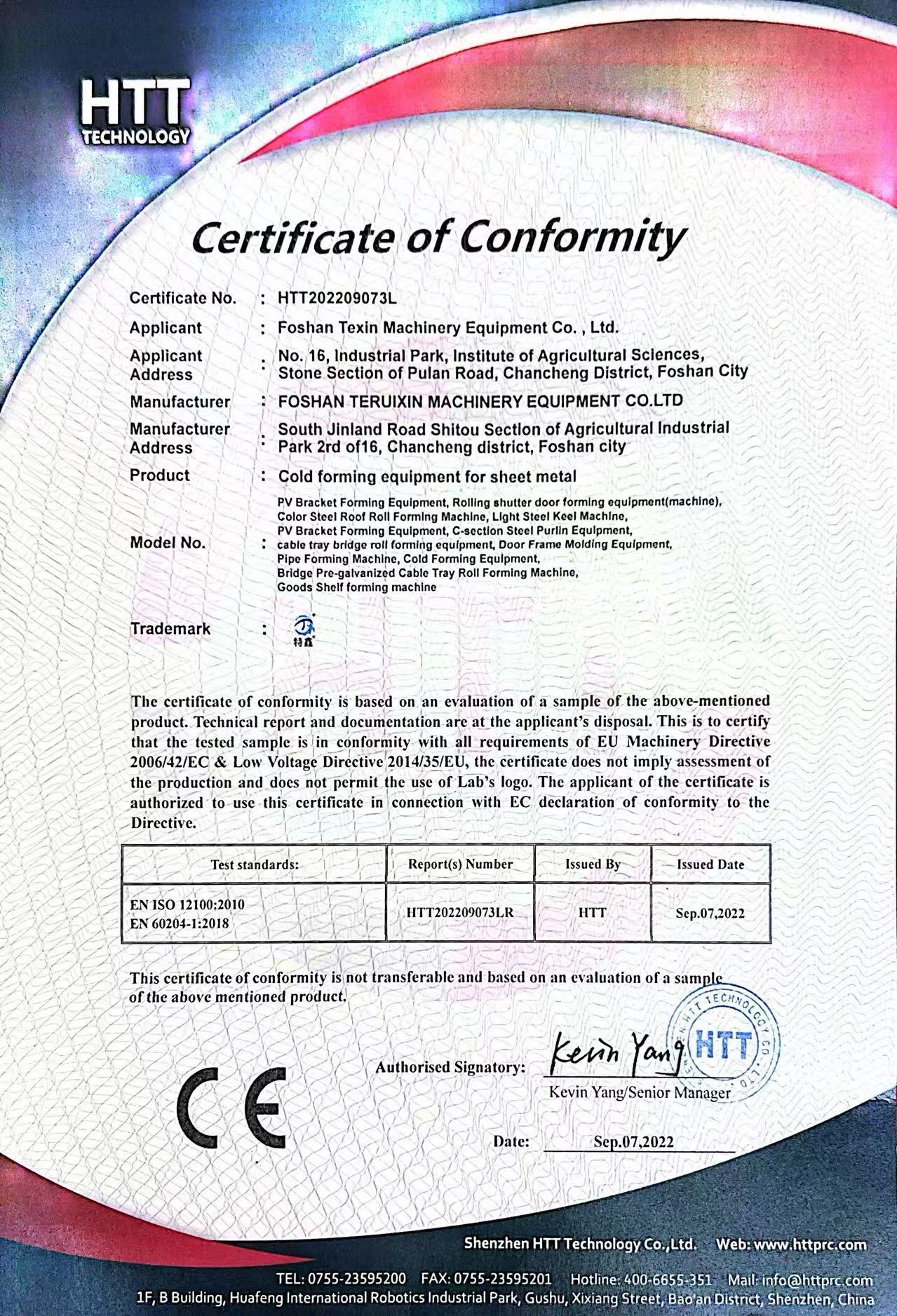
CE and ISO 9001 certificates are fundamental indicators of a supplier's commitment to international standards.
4. Intelligent Features and After-Sales Support
Modern machinery should enhance operational efficiency and minimize downtime.
- Automation Level: Seek machines with intelligent control systems integrating PLC, servo drives, and CAD one-click mapping for synchronized punching, cutting, and forming.
- Diagnostic Capabilities: Equipment with remote monitoring and intelligent fault alarm systems can drastically reduce troubleshooting time.
- Comprehensive Service: Evaluate the supplier's support package. The best suppliers offer more than just a machine sale; they provide "equipment + quality management" services, including operator training, process customization, and annual maintenance plans.
Practical Steps in the Supplier Selection Process
- Define Precise Requirements: Clearly outline the door profiles (European, Australian), material specifications, production speed, and any special features (fire-rating, soundproofing) needed.
- Shortlist Based on Capability: Use the dimensions above to create a shortlist of 3-5 potential suppliers. Review their websites (e.g., www.getxjx.com for Texin Machinery), product catalogs, and certification documents.
- Request Detailed Proposals: Ask for technical specifications, configuration diagrams, delivery timelines, and a clear breakdown of costs (machine, tools, shipping, training).
- Conduct Factory Audits (Virtual or On-site): Inspect the manufacturing facility, quality control processes, and R&D department. A supplier confident in its operations will facilitate this.
- Check References and Export History: Request contact information for past clients in similar regions or industries. A proven export record to markets like the USA, Europe, Australia, and Africa, as seen in the development timeline of established companies, is a strong positive signal.
- Evaluate Communication and Professionalism: Responsive, technically knowledgeable communication during the inquiry phase is often indicative of future service quality.
Red Flags and Common Pitfalls to Avoid
- Lack of Transparency: Suppliers unwilling to share certification details, factory images, or client references.
- Overly Generic Specifications: Proposals that do not address your specific technical requirements for models like the High-Speed Door Forming Machine or Double-Layer Rolling Shutter Door Forming Machine.
- Unrealistically Low Prices: Often correlate with compromised quality in materials, components (like forming rolls), or control systems, leading to higher long-term costs.
- Vague Warranty and Service Terms: Ensure warranty coverage, spare parts availability, and technical support terms are explicitly defined in the contract.
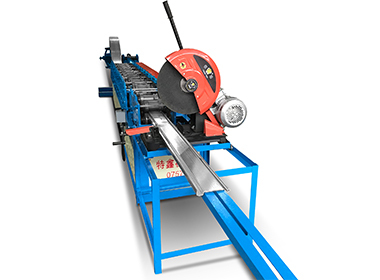
Specialized equipment, such as this Europe-specific machine, requires a supplier with precise engineering knowledge.
Conclusion: Building a Partnership for Long-Term Success
Selecting a supplier for roll-up door forming machinery is an investment in your production future. By prioritizing technical expertise, verifiable quality standards, intelligent machine features, and comprehensive after-sales support, buyers can mitigate risk and secure a competitive advantage. Leading suppliers in this space distinguish themselves through a deep commitment to R&D, adherence to international certifications like ISO 9001 and CE, and a customer-centric service model. For instance, a supplier with the track record and integrated service approach of Foshan Texin Machinery Co., Ltd. exemplifies the partner-like relationship that fosters long-term productivity and growth in the competitive door manufacturing industry.
For further information, prospective buyers can contact suppliers directly via industry-standard channels. For example, Foshan Texin Machinery Co., Ltd. can be reached at Tel/WeChat: +8618675733219, WhatsApp: +8613415482815, or Email: 2603242445@qq.com. Their factory is located in Lanshi Town, Foshan City, Guangdong Province, China.