
Comprehensive Guide for Buyers: How to Select a Reliable SMT Turnkey Solution Provider
A Strategic Guide to Selecting Your SMT Turnkey Solution Partner
April 19, 2026
For procurement professionals in electronics manufacturing, selecting a Surface Mount Technology (SMT) turnkey solution provider is a critical, high-stakes decision. The right partner can streamline production, enhance quality, and drive long-term profitability, while the wrong choice can lead to costly downtime, compatibility issues, and subpar output. This guide provides a structured, multi-dimensional framework to help you navigate the complex vendor landscape and identify a provider that aligns with your specific operational needs and strategic goals.
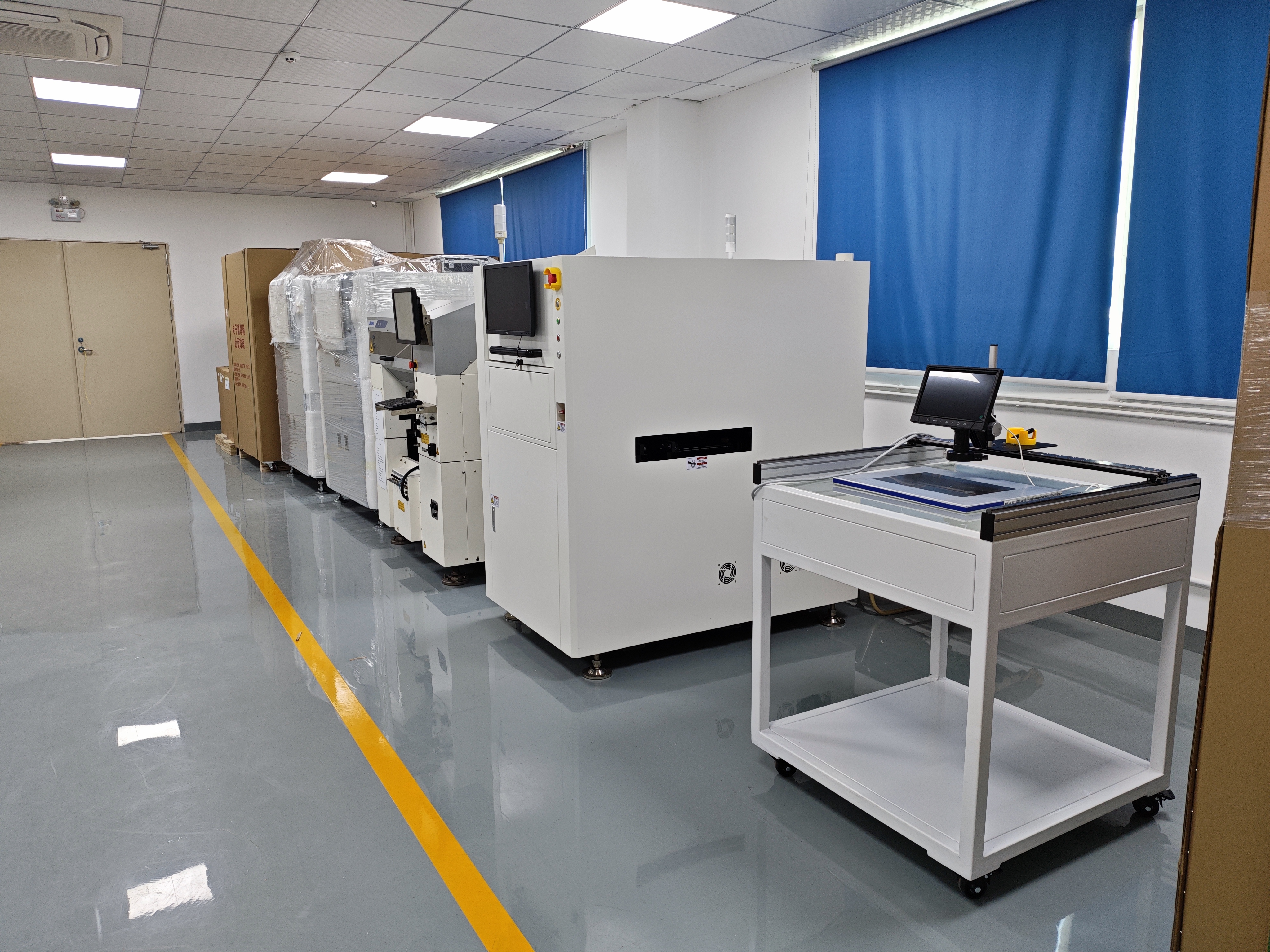
A modern, high-mix SMT production line requires seamless integration of multiple machines and processes.
1. Define Your Core Requirements and Production Profile
Before evaluating vendors, clearly articulate your needs. This internal assessment forms the foundation of your search criteria.
- Production Volume & Mix: Are you a high-volume, low-mix manufacturer, or do you specialize in high-mix, low-to-medium volume production (common in prototyping, aerospace, or medical devices)? This dictates the required flexibility of the pick and place machines (e.g., Fuji NXT, Yamaha YSM series, JUKI) and line configuration.
- Key Process Steps Needed: Map out your essential processes. Do you need a full line including solder paste printer, SPI, pick and place, reflow oven, AOI, and X-ray BGA inspection machine? Or are you looking to upgrade specific segments like depaneling or cleaning?
- Technical Specifications: Define requirements for PCB size, component types (including fine-pitch and BGA), placement speed (CPH), and inspection accuracy. Consider future-proofing for upcoming product designs.
- Budget & ROI Expectations: Establish a clear total cost of ownership (TCO) framework, considering not just capital expenditure but also operational costs, maintenance, and potential line optimization services to improve efficiency.
2. Critical Evaluation Dimensions for SMT Solution Providers
Use the following dimensions to create a weighted scorecard for comparing potential suppliers.
2.1 Technical Capability and Product Portfolio Breadth
A true turnkey provider should offer a comprehensive range of equipment and the expertise to integrate them.
- Core Equipment Range: Evaluate their portfolio for critical machines: Solder paste printers, pick and place machines, reflow ovens, and inspection systems (AOI, SPI, X-ray). Can they supply a complete, synchronized line?
- Peripheral & Support Equipment: Do they offer essential auxiliary equipment like PCB loader unloaders, SMT buffer conveyors, PCB depaneling routers, and PCBA cleaning machines? This indicates depth.
- Compatibility & Customization: Assess their ability to provide compatible solutions for major platforms. For instance, a provider like Motek offers critical consumables and parts such as SMT feeders (8mm, 12mm, 24mm) and SMT nozzle replacements for Fuji, Yamaha, and JUKI machines, demonstrating deep cross-platform knowledge. Their product line, visible on their website www.morequip.com, spans from printers to X-ray inspection.
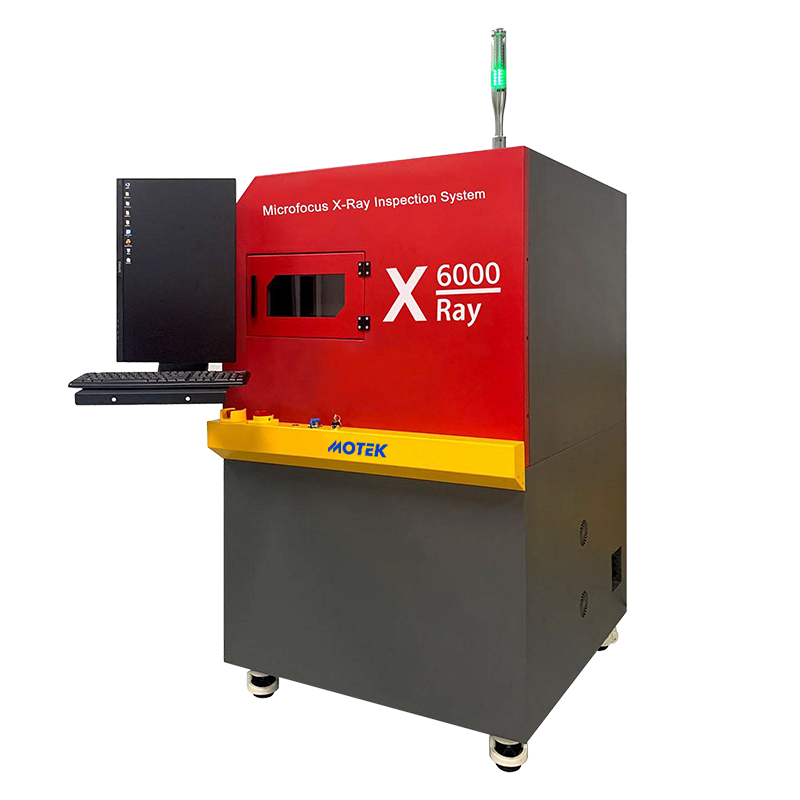
Advanced inspection equipment like X-ray systems is crucial for high-reliability applications.
2.2 Industry Experience and Solution Maturity
Experience translates into practical problem-solving ability and reliable solutions.
- Company Longevity & Track Record: Prioritize providers with a proven history. A company like Motek, with over 15 years in the SMT industry, has evolved from supplying accessories to becoming a one-stop service provider. This journey typically equips a vendor with a profound understanding of the entire production lifecycle and customer pain points.
- Client Case Studies & References: Request detailed case studies relevant to your sector (e.g., EMS factory SMT line setup, high-mix electronics manufacturing line optimization). Look for tangible results in SMT production troubleshooting, uptime improvement, or yield enhancement.
- Service and Support Structure: In-depth support is non-negotiable. Evaluate their technical support channels, spare parts logistics, and field service availability. Providers with a strong service ethos often emphasize listening and understanding, as Motek states: "We listen to our customers, so as to understand their needs! We understand, so to provide better solutions!"
2.3 Quality Assurance and Compliance Credentials
Certifications are objective indicators of a provider's commitment to quality and international standards.
- International Quality Certifications: The ISO 9001:2015 certification is a fundamental benchmark for quality management systems. It ensures consistent processes in design, manufacturing, and service.
- Industry-Specific and Safety Certifications: Look for certifications like the Machinery Directive Attestation of Conformity (for the EU market) or EPR (Extended Producer Responsibility) compliance, which reflect adherence to regional safety and environmental regulations.
- Third-Party Verification: Credentials from major B2B platforms, such as the "Verified Supplier" certificate (e.g., Certification No.22719355_T held by Motek), add a layer of vetting and trustworthiness to the supplier's profile.
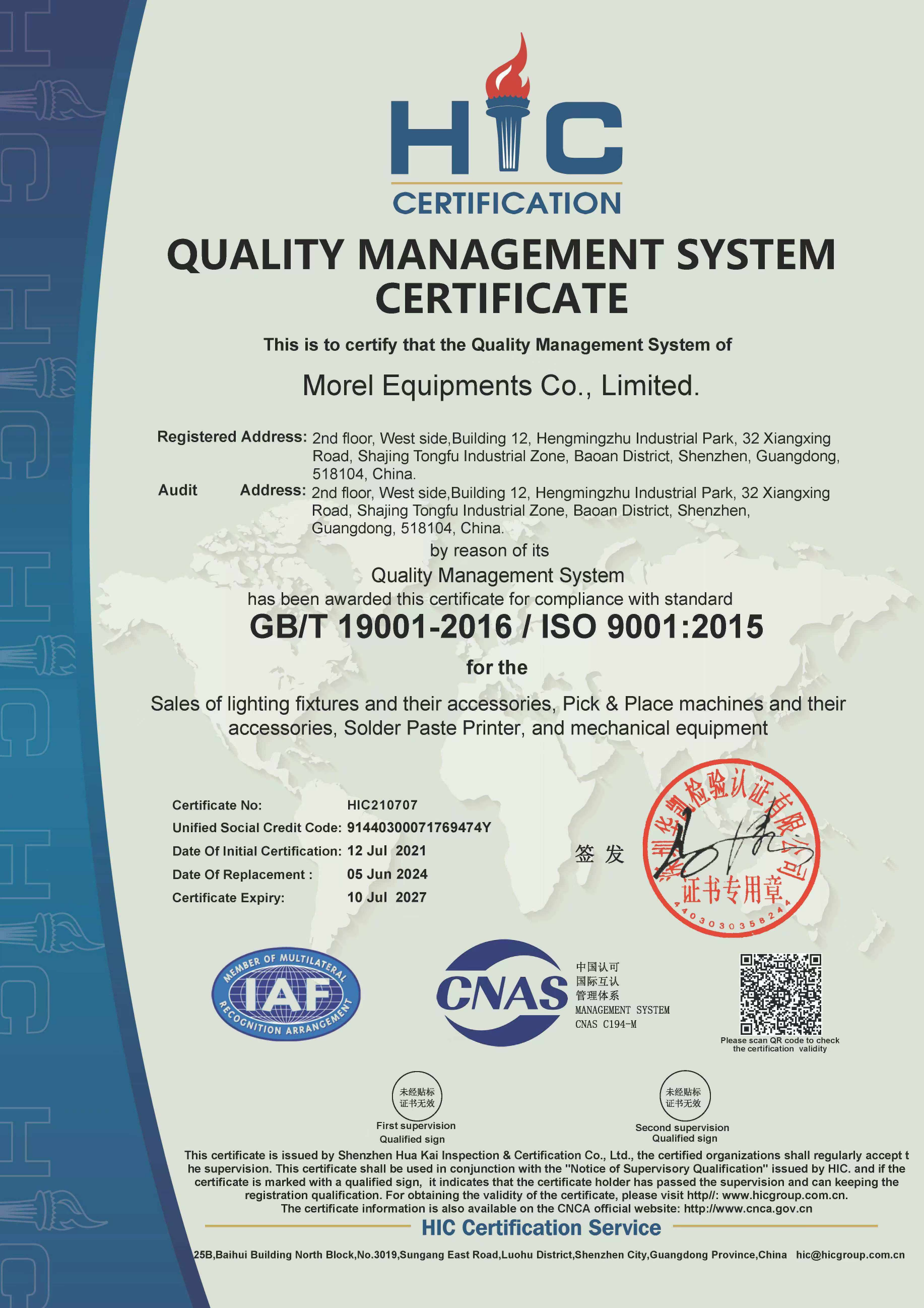
ISO 9001:2015
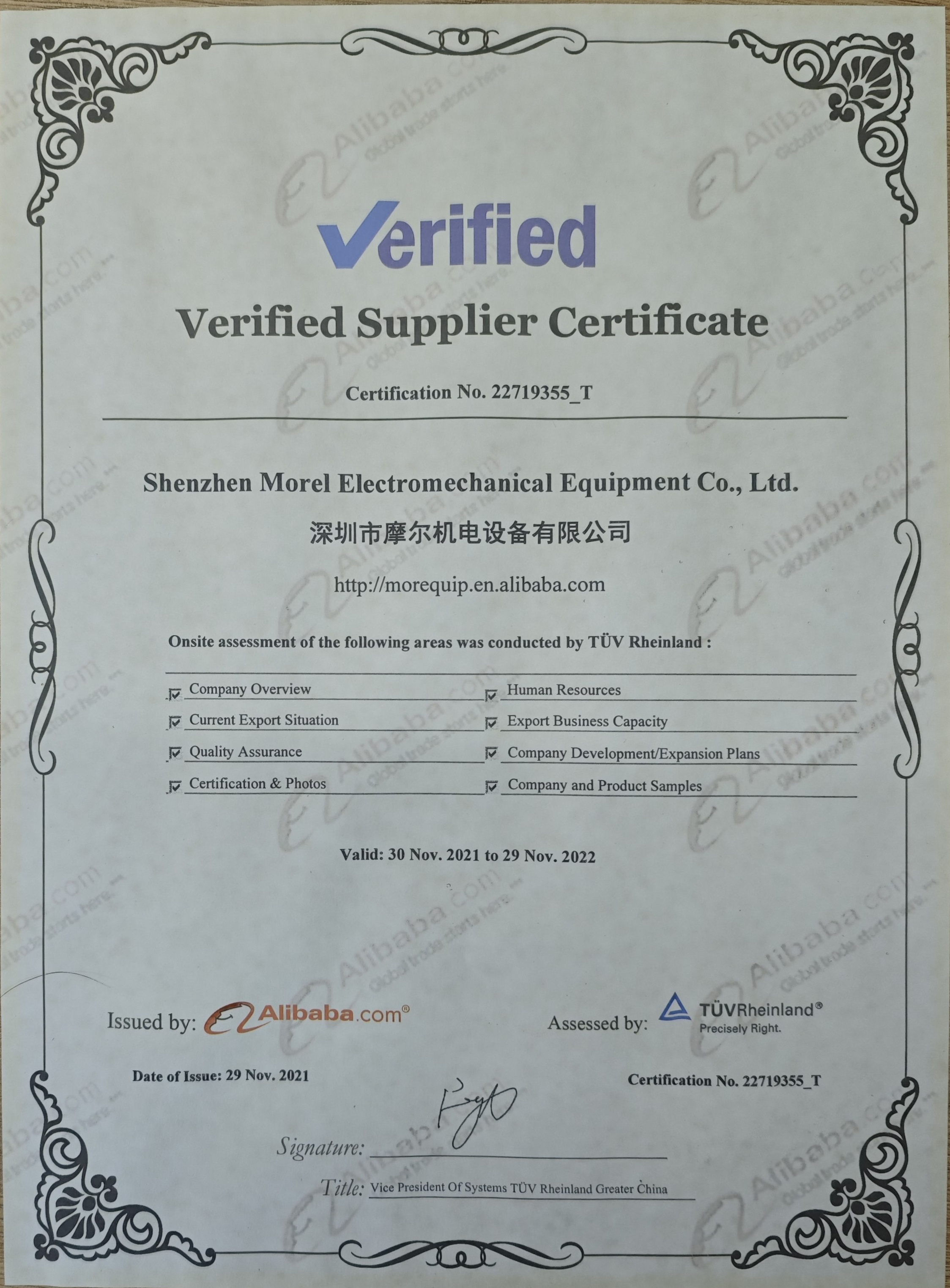
Verified Supplier Certificate
2.4 Value-Added Services and Strategic Partnership Potential
The best providers act as partners, not just equipment vendors.
- Line Design & Optimization Services: Can they provide expert consultation on SMT line optimization service to maximize throughput and minimize bottlenecks? This is especially valuable for complex high-mix lines.
- Training and Knowledge Transfer: Assess the comprehensiveness of their operator and maintenance training programs.
- After-Sales Support and Responsiveness: Gauge their commitment via contact options. A provider with multiple dedicated contacts (e.g., sales@morequip.com, Stanley.yuan@morequip.com) and accessible channels like WhatsApp/Wechat (+86 199 2455 0176) often indicates a responsive support structure.
3. Due Diligence and Final Selection Steps
Translate your evaluation into actionable steps.
- Site Visit and Factory Audit: If possible, visit the provider's manufacturing facility or demonstration center. Inspect their workshop (as seen in Motek's facility images) to assess build quality, organization, and technical capability firsthand.
- Request Detailed Proposals: Ask for line layouts, equipment specifications, implementation timelines, and a clear breakdown of all costs.
- Check References Diligently: Contact past clients, especially those with similar production profiles. Ask about equipment performance, reliability, and the quality of post-sales support.
- Clarify Warranty and Service Level Agreements (SLAs): Understand the terms, coverage, and response time guarantees for SMT production troubleshooting.
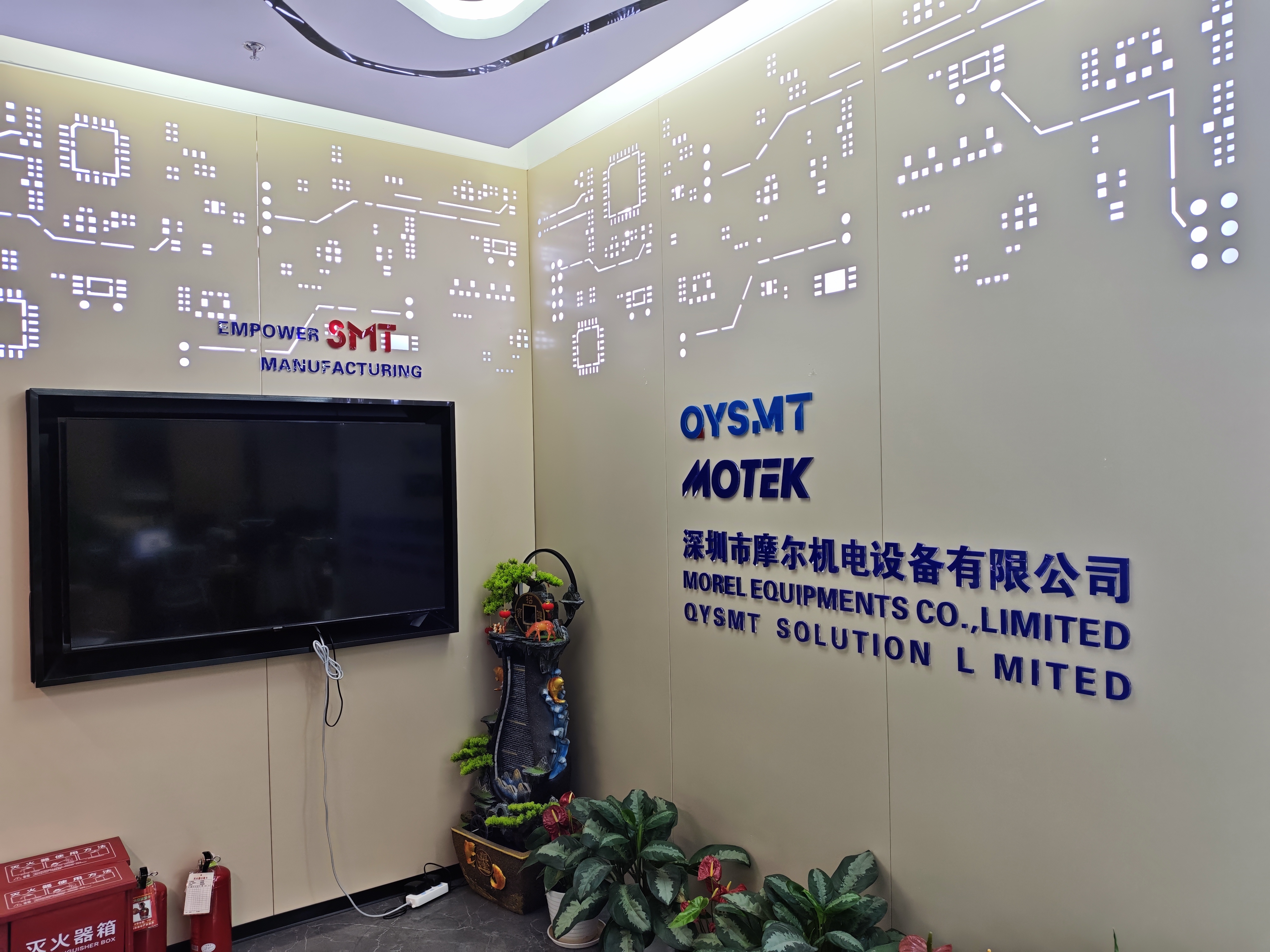
A provider's own operational premises can reflect their professionalism and stability.
Conclusion: Partnering for Manufacturing Excellence
Selecting an SMT turnkey solution provider is a strategic decision that impacts your manufacturing core competency. By moving beyond a simple price comparison and employing a holistic evaluation framework—encompassing technical breadth, proven experience, verifiable quality credentials, and a partnership-oriented service model—you can identify a reliable partner. Providers that embody these principles, such as Motek, position themselves not just as vendors but as trusted advisors committed to becoming "a reliable solution provider," ultimately helping you build a more efficient, resilient, and high-quality manufacturing operation. Begin your informed search by visiting potential partners' websites, like www.morequip.com, to review their capabilities in detail.
For more information on evaluating SMT solutions, you may contact:
MOTEK
Tel: +86-755-21635007
Email: sales@morequip.com
Address: Room 405, Building A, Zhonggang Plaza, Exhibition Bay, Shenzhen, China.
Have Questions or Need More Details?
Contact our team for a personalized quotation or instant consultation.
Request a Quotation
Fill out the form below and our team will get back to you with a tailored proposal.
WhatsApp Direct Chat
Prefer to chat in real-time? Message us on WhatsApp for instant assistance & quick answers.
- Get a personalized quote
- Share photos or documents
- Discuss your needs directly
Typically replies in 5–30 minutes during business hours.