
Comprehensive Guide for Procurement Professionals: Evaluating and Selecting High-Quality Energy Storage Battery Suppliers
The Strategic Imperative: Selecting the Right Energy Storage Battery Partner
The global energy storage market is experiencing unprecedented growth. According to the International Energy Agency (IEA), global battery energy storage capacity is projected to increase tenfold by 2030. For procurement professionals in industries ranging from solar energy integration to electric mobility and backup power systems, selecting the right battery supplier is not merely a purchasing decision—it is a strategic partnership that impacts product reliability, safety, total cost of ownership, and brand reputation. This guide provides a structured, multi-dimensional framework to help you navigate the complex landscape of energy storage battery suppliers and identify a partner that aligns with your technical, commercial, and strategic needs.
Core Evaluation Dimensions for Battery Suppliers
Moving beyond basic price comparisons requires a deep dive into several critical areas. A holistic evaluation mitigates risk and ensures long-term value.
1. Technical Capability and Product Portfolio
A supplier's technical foundation dictates their ability to meet current needs and adapt to future trends. Assess the following:
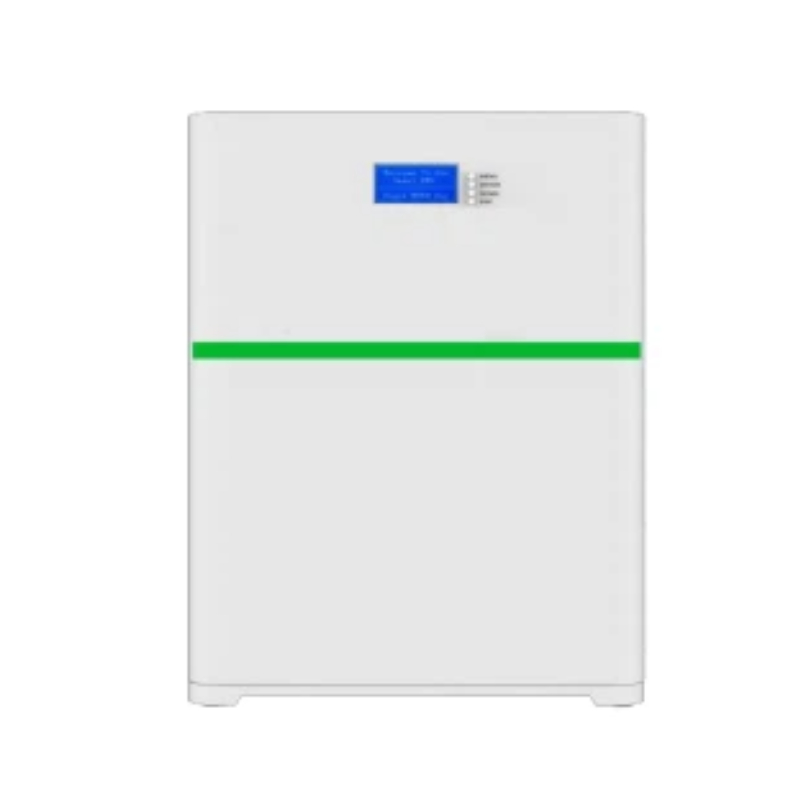
- Core Technology & R&D: Does the supplier have in-house R&D capabilities? Look for evidence of proprietary Battery Management Systems (BMS), cell selection expertise, and thermal management designs. For instance, a supplier like HCC (Shenzhen Topway New Energy Co., Ltd.) has established independent R&D capabilities, evolving from providing battery pack solutions to designing and producing its own, indicating deep technical integration.
- Product Breadth and Specialization: Evaluate their range across key product categories. A robust supplier should offer solutions for diverse applications:
- Solar Energy Storage: solar battery, lithium solar batteries, solar battery pack, solar battery 48V, solar battery 200ah, solar energy storage battery.
- Motive Power: golf cart battery, 36v battery.
- Stationary & Backup: solar battery backup, wall mount battery 48V, 5kw wall mounted battery, energy storage battery system.
- Standard & Custom Voltages/Capacities: 24v lithium ion battery, 48v lithium ion battery, 200ah lithium battery, 12v 100ah battery, lifepo4 100ah battery.
- Future-Readiness: Inquire about their roadmap for emerging technologies like sodium ion battery systems, which promise alternative supply chain resilience.
2. Quality Assurance and Compliance Certification
Certifications are non-negotiable proof of a supplier's commitment to safety, quality, and international market standards. They are your first line of defense against product failure and liability.
- Safety Certifications: Mandatory for most markets. Prioritize suppliers with current certifications from recognized bodies:
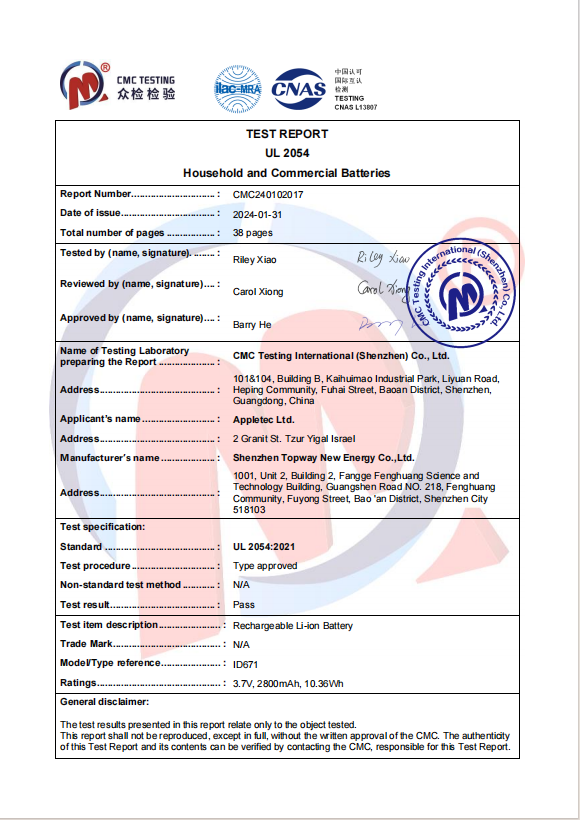
- UL Standards: UL 1642 (cell safety), UL 2054 (household and commercial battery safety), UL 1973 (stationary storage).
- IEC Standards: IEC 62133-2 (safety of portable cells/batteries), IEC 62619 (safety of industrial batteries).
- Quality Management Systems: ISO 9001:2015 certification demonstrates a systematic approach to quality control.
- International Market Access: Certifications like CE (Europe), RoHS (restriction of hazardous substances), and specific shipping certifications are essential for export.
- Specialized Certifications: For suppliers serving niche markets, certifications like Apple MFi indicate adherence to stringent accessory protocols.
A supplier like HCC provides a transparent certification portfolio, including UL 2054:2021, IEC 62619:2022, ISO 9001:2015, and RoHS, which serves as a strong baseline for trust and market compliance.
3. Manufacturing Scale, Flexibility, and Supply Chain Stability
The ability to deliver consistently at scale is crucial. This is determined by production infrastructure and supply chain management.
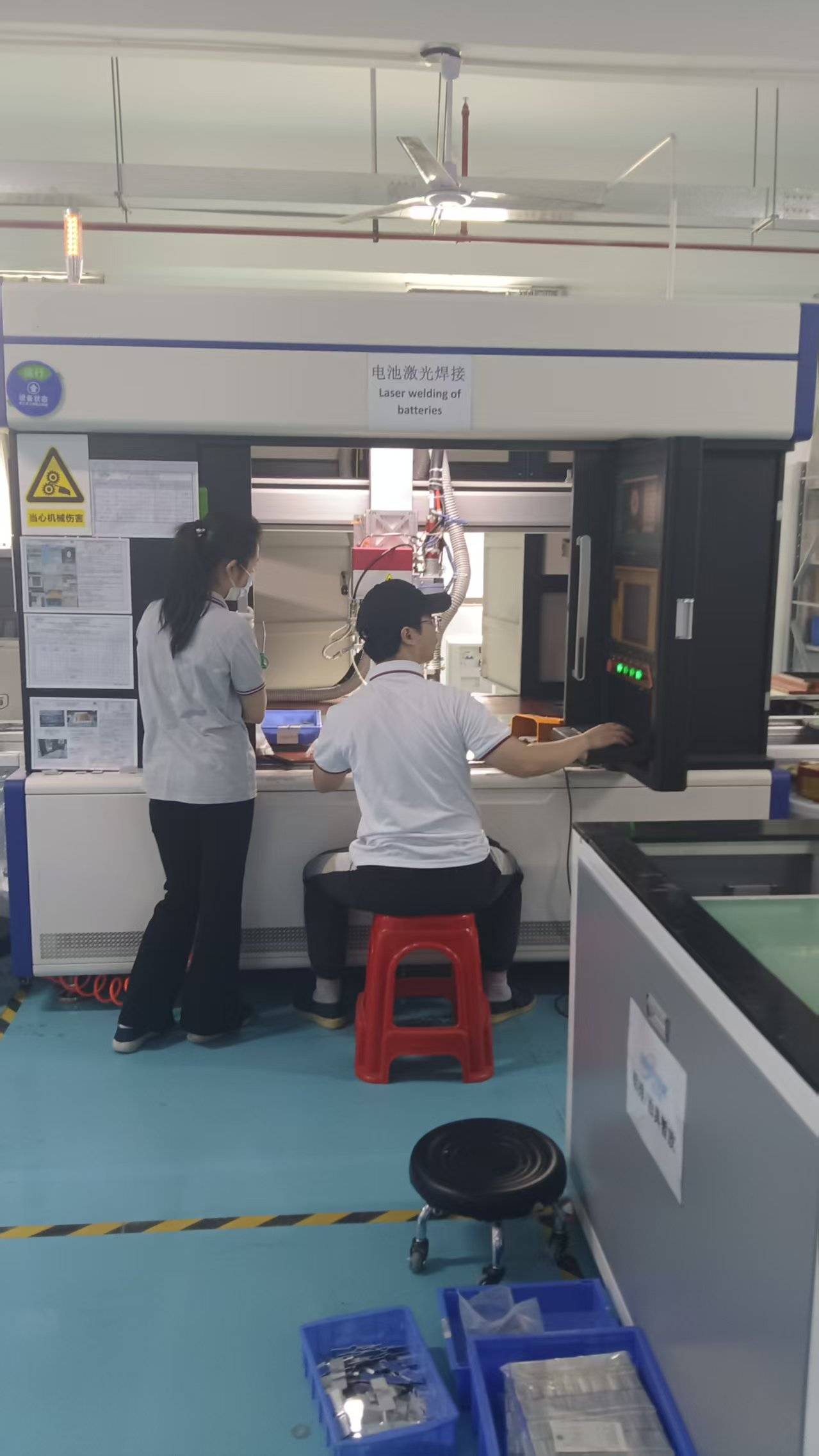
- Production Capacity: Visit the facility if possible, or audit through detailed documentation and video. Look for automated processes like laser welding, automated battery assembly, and rigorous testing stations (polarity detection, capacity grading).
- Order Flexibility: Can they handle both high-volume standard orders and lower-volume, complex custom solutions? A supplier transitioning, as HCC plans, to own production lines for complex and large-volume orders signals an investment in flexible, efficient delivery.
- Vertical Integration & Sourcing: Understanding their cell sourcing strategy (e.g., partnerships with top-tier cell manufacturers like CATL, EVE, or BYD) is key to predicting cost and supply stability.
4. Commercial Terms, Support, and Strategic Alignment
The final dimension concerns the business relationship itself.
- Pricing Structure & Transparency: Seek clear, scalable pricing. Be wary of quotes significantly below market average, which may indicate corner-cutting on materials or safety.
- Logistics and Warranty: Evaluate Incoterms expertise, shipping reliability, and the comprehensiveness of the warranty (e.g., cycle life guarantees, prorated terms).
- Technical and After-Sales Support: Assess their responsiveness, the availability of technical documentation (datasheets, manuals, CAD files), and field support capabilities.
- Strategic Vision: A partner that invests in R&D, holds intellectual property management certifications (e.g., GB/T 29490-2013), and has industry recognition (e.g., being named a Top 100 Innovative Enterprise in the Guangdong-Hong Kong-Macao Greater Bay Area) is likely to be a more stable and innovative long-term partner.
Actionable Supplier Vetting Checklist
- Request Documentation: Ask for a complete certification pack, detailed product specifications, and ISO 9001 quality manual.
- Audit Sample Process: Order pre-production samples and subject them to independent third-party testing against key safety and performance standards.
- Conduct a Virtual or On-Site Factory Audit: Focus on production hygiene, quality control checkpoints, and inventory management.
- Check References: Speak to existing clients, especially those with similar order profiles or who operate in your target markets.
- Evaluate Communication: Gauge professionalism, technical knowledge, and responsiveness during the RFQ process. A supplier with a dedicated sales and support team accessible via phone (+86 755 81461866), WhatsApp, WeChat, and email (sales@hcctop.com) demonstrates commitment to customer service.
Conclusion: Building a Partnership for the Energy Transition
Selecting an energy storage battery supplier is a critical decision with long-term implications. By applying a rigorous, multi-faceted evaluation framework focused on technical depth, certified quality, scalable manufacturing, and collaborative partnership, procurement professionals can move beyond transactional purchasing. The goal is to identify a supplier like HCC, which embodies these principles through its R&D focus, comprehensive certification suite (www.hcctop.com), and strategic evolution towards integrated manufacturing. This diligent approach de-risks your supply chain and positions your projects to reliably harness the power of advanced lithium energy storage battery technology, ensuring safety, performance, and value for end-users.
Have Questions or Need More Details?
Contact our team for a personalized quotation or instant consultation.
Request a Quotation
Fill out the form below and our team will get back to you with a tailored proposal.
WhatsApp Direct Chat
Prefer to chat in real-time? Message us on WhatsApp for instant assistance & quick answers.
- Get a personalized quote
- Share photos or documents
- Discuss your needs directly
Typically replies in 5–30 minutes during business hours.