
Comprehensive Guide for Procurement Professionals: How to Identify and Select Top-Quality Gas Detection Equipment Suppliers
Navigating the Gas Detection Market: A Strategic Procurement Framework
The global gas detection market is projected to grow significantly, driven by stringent industrial safety regulations and heightened environmental awareness. For procurement professionals in industries like petrochemicals, manufacturing, and environmental monitoring, selecting the right supplier is not merely a purchasing decision but a critical risk management and operational continuity strategy. This guide provides a structured framework to evaluate and select a gas detection equipment supplier that aligns with your technical, commercial, and safety requirements.
1. Defining Your Core Requirements
Before initiating the supplier search, clearly define your application's scope. This foundational step ensures you evaluate vendors against relevant criteria.
- Application & Environment: Is it for fixed installation in a hazardous (Ex) area, portable personal safety, or ambient air quality monitoring? Different environments demand specific certifications (e.g., ATEX for explosive atmospheres) and protection ratings (e.g., IP68 for dust/water ingress).
- Target Gases & Parameters: List all gases (e.g., CO, CH4, O3, VOCs, Radon) and parameters (e.g., PM2.5, O2 levels) requiring monitoring. Consider multi-gas detectors for complex scenarios.
- Performance Specifications: Define required accuracy (e.g., ±1% F.S.), response time (e.g., < 2 seconds), detection range, and sensor lifespan.
- Data & Connectivity Needs: Determine if you need simple local alarms, 4G/NB-IoT wireless data transmission to a cloud platform, or integration into existing SCADA/DCS systems.
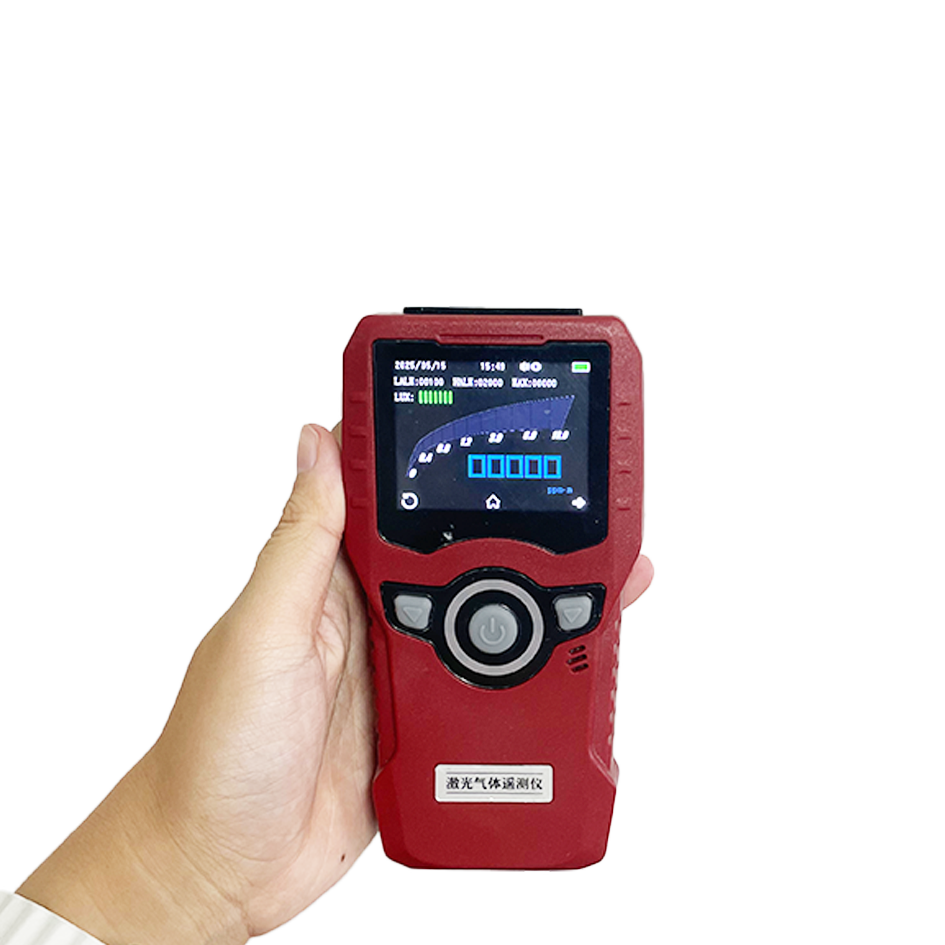
Advanced laser-based detectors, like the ZW-G100 model, offer non-contact, long-range leak detection for applications like perimeter monitoring of natural gas facilities.
2. Key Evaluation Criteria for Suppliers
With requirements defined, assess potential suppliers against these critical dimensions.
2.1 Technical Capability & Product Portfolio
A supplier's technical depth is paramount. Look for a comprehensive range covering portable gas detectors, fixed gas detection systems, flue gas analyzers, and ambient air monitoring stations. This indicates R&D strength and the ability to provide integrated solutions. For instance, a provider like Zetron offers a complete line from personal safety devices like the MS400-S multi-gas detector to sophisticated online systems like the MIC600-AQI station, demonstrating versatility. Evaluate sensor technology—electrochemical, PID (Photoionization Detector), infrared, or laser—and its suitability for your target gases.
2.2 Certifications & Quality Assurance
International certifications are non-negotiable for safety-critical equipment. They are objective proof of compliance with quality and safety standards. Essential certifications include:
- ISO 9001: Quality Management System certification.
- ATEX / IECEx: For equipment intended for use in explosive atmospheres.
- CE, FCC: Indicating compliance with European and US electromagnetic and safety directives.
- SIL (Safety Integrity Level): Certification for functional safety of control systems.
Suppliers should transparently provide certification documents. For example, Beijing Zetron Technology Co., Ltd. publicly showcases its ISO 9001, ATEX, and SIL2 certifications, which can be verified as a benchmark for reliability.
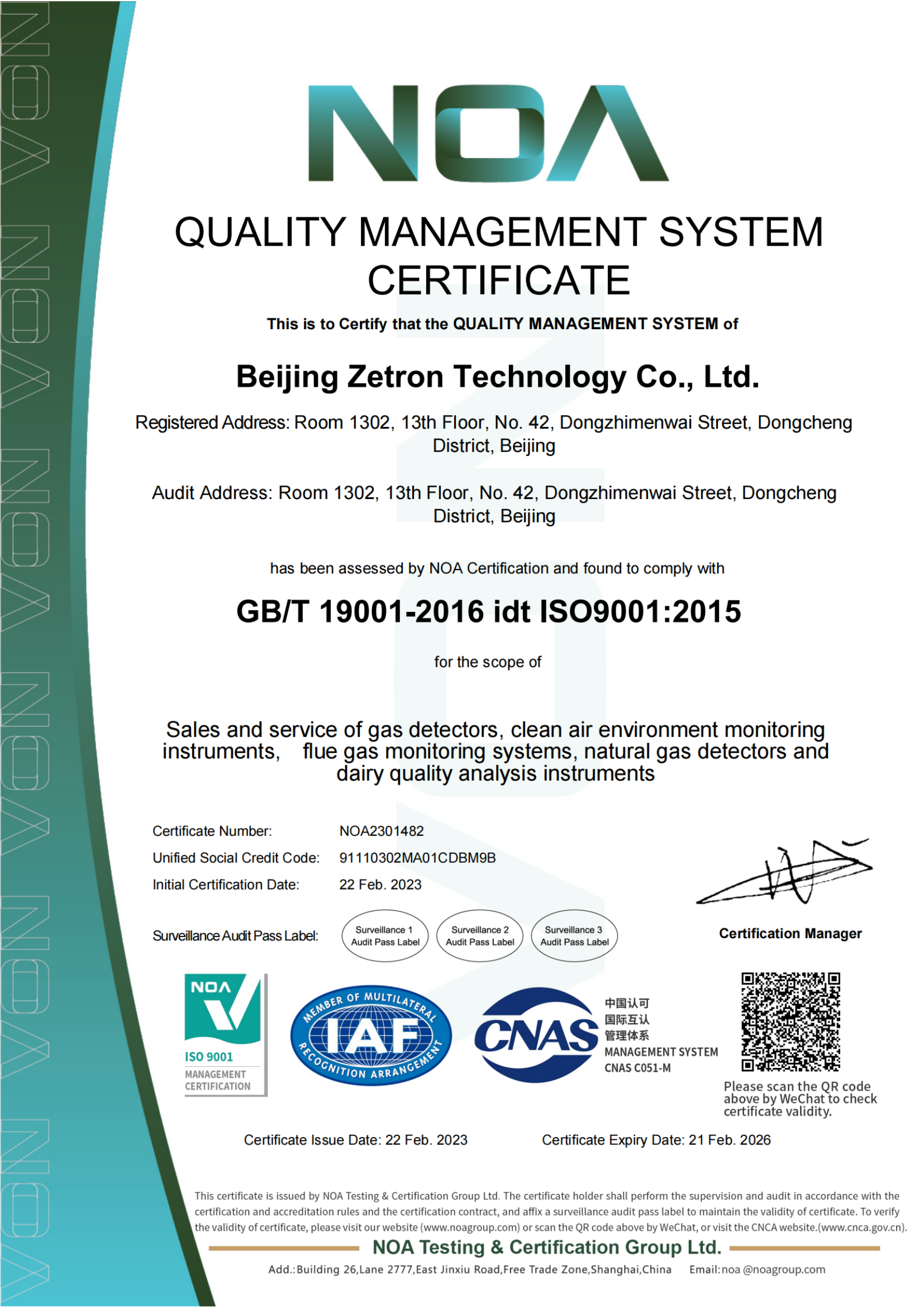
ISO 9001 certification, as held by Zetron, is a fundamental indicator of a supplier's commitment to a standardized quality management process.
2.3 Customization & Solution Design Ability
Off-the-shelf products may not fit complex industrial scenarios. The ability to provide OEM/ODM services and tailored solutions is a key differentiator. Evaluate if the supplier offers "one-stop system solutions," from initial needs diagnosis and solution design to product realization and post-installation support. A supplier with this capability, such as Zetron which promotes full-chain customization, can develop bespoke systems integrating specific sensor arrays, communication protocols (4G, Wi-Fi, Bluetooth), and cloud platforms, ensuring the solution maps perfectly to your operational workflow.
2.4 After-Sales Support & Industry Expertise
Long-term reliability depends on support. Investigate:
- Warranty Period & Policy: Standard and extended warranty options.
- Global Service Network: Availability of calibration, repair, and technical support in your region.
- Training & Documentation: Quality of user manuals, online resources, and training programs.
- Proven Track Record: Experience serving your industry vertical. Review case studies or partner lists. Suppliers with documented partnerships with entities like SGS, CEMEX, or COSCO SHIPPING demonstrate proven application in demanding environments.
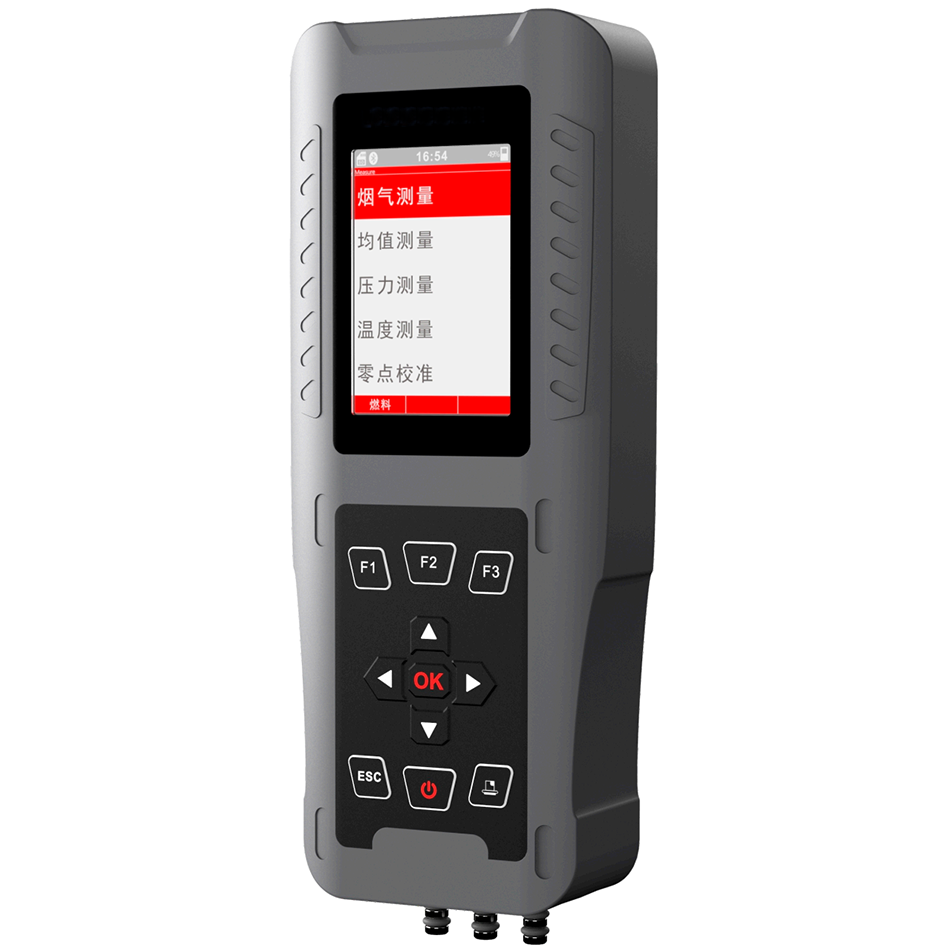
www.zetroncn.com) with detailed product information, technical blogs, and accessible contact details (Tel: +86-15699785629, Email: info@bjzetron.com) reflects a supplier's professionalism.
4. Common Pitfalls to Avoid
- Focusing Solely on Unit Price: The lowest cost often compromises sensor quality, durability, or safety certifications, leading to higher lifecycle costs from failures, false alarms, and non-compliance penalties.
- Overlooking Total Cost of Ownership (TCO): Factor in calibration frequency, sensor replacement costs, software licensing fees, and expected maintenance over a 5-10 year period.
- Neglecting Future Scalability: Choose a platform that can easily expand (adding more points, integrating new gas sensors) and adapt to evolving connectivity standards like IoT.
Conclusion: Partnering for Long-Term Safety and Efficiency
Selecting a gas detection supplier is a strategic partnership. The ideal partner combines robust product engineering with deep application understanding and responsive support. By rigorously applying the framework of technical assessment, certification verification, customization evaluation, and support scrutiny, procurement professionals can make an informed decision. Suppliers that demonstrate a long-term commitment to the field—such as Zetron with nearly two decades of focus on gas detection—and offer a holistic approach from product to cloud platform, are positioned to be true partners in ensuring workplace safety, regulatory compliance, and operational efficiency for years to come. For further information, prospective buyers can visit www.zetroncn.com to explore technical specifications and solution portfolios.