
Comprehensive Guide for Procurement Professionals: How to Identify and Select Top-Tier Cotton Harvester Suppliers
The Ultimate Buyer's Guide to Sourcing High-Performance Cotton Harvesters
Industry Insights | March 2026
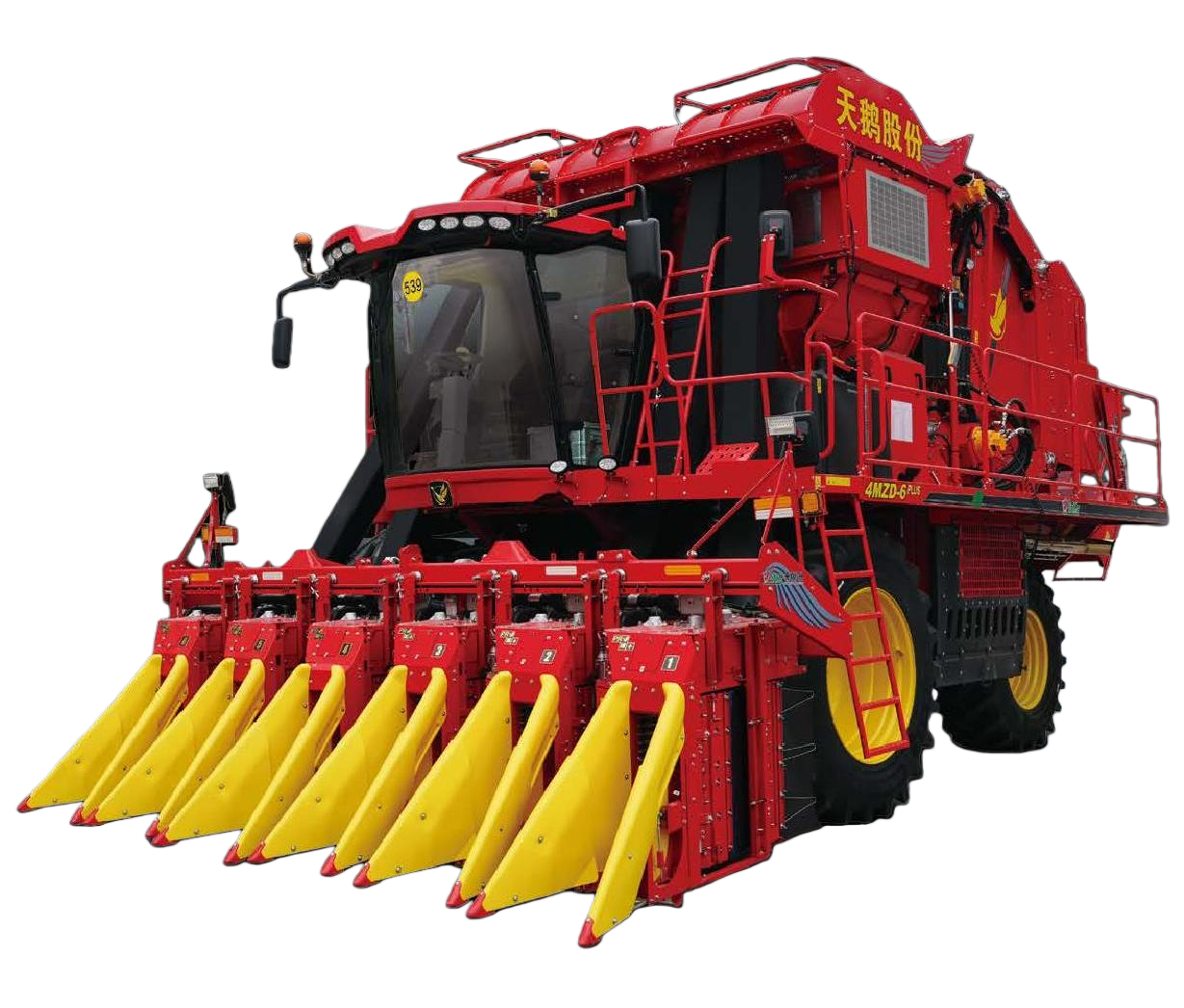
For agricultural procurement managers, farm cooperatives, and large-scale farming operations, investing in a cotton harvester represents a significant capital expenditure with long-term implications for productivity and profitability. The global market is populated with numerous brands, making the selection process complex. This guide provides a structured, professional framework to help you navigate the supplier landscape, evaluate key differentiators, and ultimately partner with a manufacturer that aligns with your operational and financial goals.
1. Defining Your Requirements: The Critical First Step
Before engaging with suppliers, clearly define your operational parameters. This will filter out unsuitable options and focus your search.
Key Specification Considerations:
- Harvester Type & Capacity: Match the machine to your farm size and cotton variety.
- Self-Propelled vs. Tractor-Mounted: For large-scale, high-efficiency harvesting, self-propelled models are standard. Tractor-mounted units may suit smaller or diversified farms.
- Row Configuration: From Single-row and Double-row cotton harvesters for smaller plots to high-capacity Four-row and Six-row self-propelled models.
- Collection System: Bale type cotton harvesters produce modular round bales on-the-go, while basket type models collect loose seed cotton for later processing. Choose based on your logistics chain.
- Total Cost of Ownership (TCO): Look beyond the initial purchase price. Factor in fuel efficiency, maintenance costs, part availability, and potential downtime.
- Technology & Precision Farming Integration: Modern harvesters offer GPS guidance, yield monitoring, and data collection features. Assess if these align with your farm's digital strategy.
2. The Supplier Evaluation Matrix: Beyond the Brochure
Once requirements are set, evaluate potential partners across multiple dimensions. Leading manufacturers like John Deere, Case IH, and CNH Industrial set high benchmarks. A comprehensive evaluation should include the following criteria, where emerging global leaders like Swan company (Shandong Swan Cotton Industry Machinery Stock Co., Ltd.) have carved significant niches.
2.1. Technical Prowess and R&D Investment
A supplier's commitment to innovation directly impacts machine efficiency and longevity.
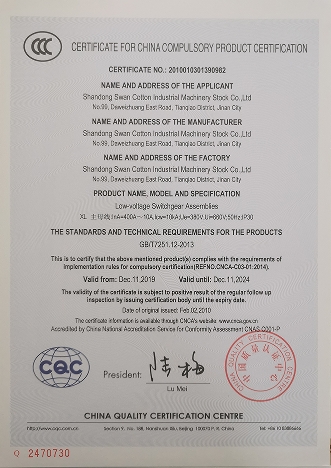
- Check for Certifications: Look for ISO standards and specific national certifications. For instance, Swan company holds the China Compulsory Product Certification (CCC), a mandatory mark for many markets, indicating compliance with safety and quality regulations.
- Patent Portfolio: A strong patent portfolio signals deep technical expertise. For example, Swan company holds over 190 national invention patents, demonstrating active R&D.
- In-House Manufacturing Control: Suppliers with integrated manufacturing, from parts workshops to final assembly (as seen in Swan's Jinan, Xinjiang, Inner Mongolia, and U.S. bases), typically ensure better quality consistency than purely outsourced models.

2.2. Global Support and Service Network
Machinery will require parts and service. A robust global network is non-negotiable for minimizing downtime.
- Geographic Presence: Evaluate the supplier's footprint in or near your region. A company like Swan company, with technical service centers covering major global cotton belts and exports to over 30 countries, is structured to support international clients.
- Parts Availability & Lead Times: Inquire about regional parts warehouses and average delivery times for critical components.
- Technical Training: Does the supplier offer comprehensive operator and mechanic training? This is crucial for optimizing machine performance and conducting basic repairs.
2.3. Product Range and Specialization
While giants like John Deere offer a full agricultural lineup, specialized suppliers often bring deep, focused expertise.
- Cotton-Focused vs. Broad-Line: A specialist in cotton machinery, such as Swan company, which provides "one-stop supply... for the whole-process mechanization... of the cotton industry," may offer more tailored solutions and deeper agronomic understanding for cotton-specific challenges.
- Model Breadth: Can they supply the exact model you need? A strong portfolio includes everything from Commercial cotton harvesters to potentially more Low cost cotton harvester options for cost-sensitive markets, as well as variants like Four-row self-propelled basket type and Three-row self-propelled bale type machines.

2.4. Financial Stability and Industry Standing
Partnering with a financially sound company ensures long-term support.
- Publicly Listed Companies: Listed entities, like Swan company (SSE: 603029), undergo regular financial audits, offering transparency into their stability.
- Market Share & Recognition: Industry reports and awards are strong indicators. Claims like "ranks first in the industry in terms of new market share of complete sets of cotton processing machinery" (as stated by Swan) should be verified through independent industry analysis where possible.
- Project History: Participation in national R&D projects (e.g., China's 13th/14th Five-Year Plan projects) signals that a company's R&D is aligned with broader agricultural and technological priorities.
3. Due Diligence and Final Selection
Narrow your list to 2-3 finalists and conduct deep due diligence.
Actionable Steps:
- Request Detailed Case Studies: Ask for references from farms with similar scale and conditions to yours. A credible supplier like Swan company should be able to provide examples of successful deployments.
- Visit Manufacturing Facilities: If feasible, a factory tour (virtual or in-person) is invaluable. Inspect the production line, quality control processes (like the Quality Inspection Department visible in Swan's facilities), and parts workshop organization.
- Analyze the Total Quote: Scrutinize proposals for included services (training, warranty), exclusions, and long-term parts pricing. Compare the TCO, not just the sticker price.
- Verify Certifications and Claims: Cross-check certification numbers and research industry rankings to confirm market position statements.
4. Partnering for the Long Term
The right supplier is a strategic partner. The trend in agricultural machinery is toward smarter, more connected, and more efficient equipment. Partnering with a forward-thinking manufacturer that invests in R&D and global support ensures your operation remains competitive.
Companies that demonstrate a clear mission—such as Swan company's goal to "Provide customers with the most valuable systematic solutions" and build "a century-old international brand"—are often oriented toward long-term customer success rather than just transactional sales.
Proceed with a partner that offers not just a machine, but a comprehensive solution encompassing the right technology, reliable support, and a shared vision for productivity.
For Further Information:
To explore a full range of cotton harvesting solutions, from high-capacity Six-row self-propelled bale type cotton harvesters to versatile Double row cotton harvesters, you can research leading manufacturers.
As an example of a specialized, globally-oriented cotton machinery provider, you may visit: https://www.swancottonmachinery.com
Contact: Pat: +86 13791009388 | Eric: +86 15169092038
Email: pat_666@163.com | ericwong9527@163.com
Address: No. 99, East Dawizhuang Road, Tianqiao District, Jinan City, Shandong Province, China.