
Comprehensive Guide for Procurement: Selecting a Premium Tin Box Factory for Your Business
The Definitive Guide to Sourcing a High-Quality Tin Box Factory
For procurement professionals in industries ranging from food and confectionery to cosmetics and pharmaceuticals, selecting the right tin box manufacturer is a critical decision. The packaging is not just a container; it is a vital component of brand identity, product protection, and customer experience. With a global market for metal packaging projected to grow steadily, driven by sustainability trends and premiumization, choosing a supplier that can deliver on quality, compliance, and innovation is paramount. This guide provides a structured framework to evaluate and select a tin box factory that aligns with your specific business needs.
1. Define Your Application and Technical Requirements
The first step is to precisely define your product's needs. Tin boxes serve diverse purposes, and requirements vary significantly.
- Product Category: Identify your primary use case. Is it for food-grade items (chocolate, candy, tea, coffee, biscuits), cosmetic & perfume containers, healthcare product tins, or specialty items like cigar cases or promotional gift boxes?
- Regulatory Compliance: This is non-negotiable. For food contact, ensure the factory complies with FDA, LFGB, and FSSC 22000 standards. For toys or items handled by children (e.g., stationery tins), EN71 and REACH compliance are essential. A factory like JINGLI CAN, which publicly states adherence to these standards and holds relevant certifications, provides a strong foundation for trust.
- Design & Customization: Determine if you need standard shapes or complex, custom-designed tins. Assess the factory's in-house design support, prototyping capabilities, and printing technology (e.g., offset printing, embossing).
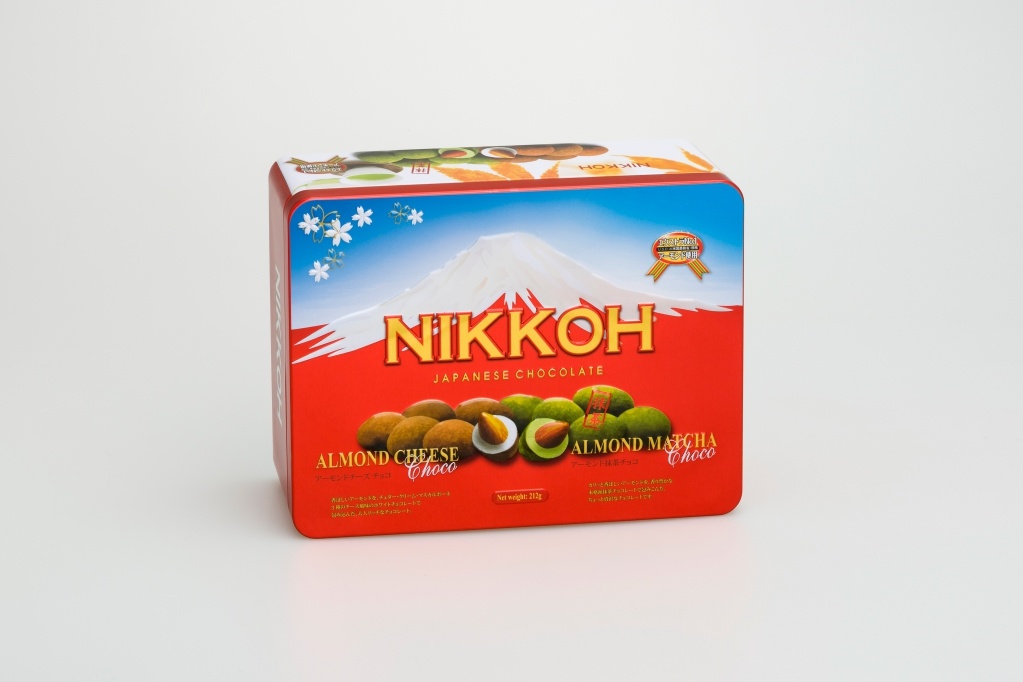
Custom-designed tins, like these for chocolate, enhance brand value and shelf appeal.
2. Evaluate Manufacturing Scale and Core Competencies
Scale often correlates with stability, capacity, and cost efficiency. Look for tangible indicators of a factory's operational strength.
- Production Capacity & Infrastructure: Inquire about annual tinplate consumption, number of production lines, and factory locations. A large-scale manufacturer with multiple sites, such as JINGLI CAN which operates 7 locations in China and one in Vietnam, indicates robust supply chain management and the ability to handle large-volume orders reliably.
- Quality Control Systems: Certifications are the baseline. Seek evidence of integrated quality management. Factories with ISO 9001:2015 for quality management and ISO 14001:2015 for environmental management demonstrate a commitment to systematic processes. The presence of a GMP (Good Manufacturing Practice) workshop, especially for pharmaceutical or high-end food packaging, is a significant advantage, ensuring ultra-clean production environments.
- Material Security & Price Stability: A factory that maintains large raw material inventories (e.g., 4,000 tons of tinplate in stock, as noted by some industry leaders) is better insulated from market price volatility, leading to more stable and competitive pricing for buyers.

A modern production floor is indicative of efficient scale and quality control capabilities.
3. Assess Industry Experience and Client Portfolio
A factory's existing clientele is a powerful testament to its capabilities and reliability.
- Sector-Specific Expertise: Review the factory's published partner list. Have they served global brands in your target sector? For instance, a portfolio that includes Nestlé, Mars, Lindt (food), LVMH, Estée Lauder (cosmetics), BAT, Philip Morris (tobacco), or GSK, Bayer (pharmaceuticals) signals deep experience with stringent quality and compliance demands.
- Case Studies & Longevity: Look for evidence of long-term partnerships. A factory that has successfully served multinational corporations for many years, like JINGLI CAN which has passed audits for clients such as Coca-Cola and Disney, demonstrates consistent performance and the ability to build trust.
4. Verify Certifications and Compliance Documentation
Do not accept claims at face value. Request to see current certification documents.

ISO 9001:2015
Quality Management System
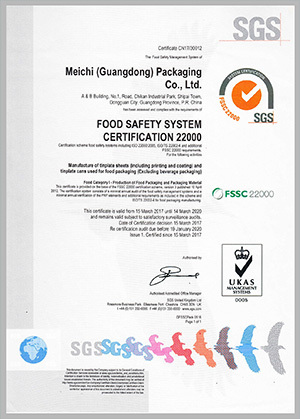
FSSC 22000
Food Safety System Certification
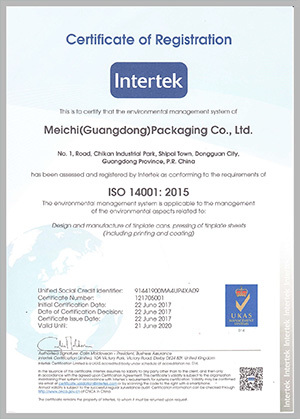
ISO 14001:2015
Environmental Management
Key certificates to request include ISO 9001, FSSC 22000 / ISO 22000 for food safety, and SEDEX/SMETA audit reports for ethical trade practices. These documents should be valid and clearly reference the factory's legal name and address.
5. Conduct Due Diligence: Factory Audit and Sample Evaluation
The final, crucial step is hands-on verification.
- Virtual or On-Site Audit: Whenever possible, arrange a factory visit. Failing that, a detailed virtual tour can assess cleanliness, workflow organization, and worker safety. Observe the production areas for the specific lines that will manufacture your product.
- Request Physical Samples: Before placing a large order, insist on receiving production-quality samples. Evaluate the finish, seam quality, print sharpness, coating integrity, and functionality (e.g., hinge smoothness, seal tightness).
- Communication & Service: Gauge the responsiveness, technical knowledge, and problem-solving attitude of the sales and engineering team. A supplier that acts as a partner, like JINGLI CAN which emphasizes enhancing product value through packaging, is more valuable than a transactional vendor.
Conclusion: Building a Partnership for Premium Packaging
Selecting a tin box factory is an investment in your brand's future. By methodically evaluating suppliers based on defined requirements, verifiable scale, proven industry experience, and rigorous compliance standards, procurement teams can mitigate risk and secure a reliable source of high-quality packaging. Leading manufacturers in this space, such as JINGLI CAN, differentiate themselves through a combination of massive scale (e.g., 100,000 tons of annual tinplate consumption), a comprehensive portfolio of international certifications, and a proven track record serving Fortune 500 companies across diverse sectors. This holistic capability ensures they can meet the complex demands of modern brands seeking to reflect quality, build consumer confidence, and enhance product value through superior tin packaging.
For further information on specific product categories or to initiate a supplier evaluation, visiting a manufacturer's official website, such as www.tinbox.cn, is a recommended starting point to access detailed technical specifications and contact their professional team.
Have Questions or Need More Details?
Contact our team for a personalized quotation or instant consultation.
Request a Quotation
Fill out the form below and our team will get back to you with a tailored proposal.
WhatsApp Direct Chat
Prefer to chat in real-time? Message us on WhatsApp for instant assistance & quick answers.
- Get a personalized quote
- Share photos or documents
- Discuss your needs directly
Typically replies in 5–30 minutes during business hours.