
Comprehensive Guide for Sourcing Disposable Paper Food Packaging: How to Identify and Select Top-Tier Suppliers
The Essential Buyer's Guide to Disposable Paper Food Packaging
The global market for disposable paper food packaging is projected to exceed USD 100 billion by 2030, driven by stringent regulations on single-use plastics and a consumer shift towards sustainable options (Source: Smithers 2025 Report). For procurement professionals, navigating this complex landscape to find a reliable, high-quality supplier is critical for operational efficiency, brand safety, and cost management. This guide provides a structured, professional framework to evaluate and select the best partners in the disposable paper cup and container industry, with a focus on key factors from compliance to customization.

1. Core Evaluation Criteria for Suppliers
Beyond basic pricing, a thorough due diligence process must assess several non-negotiable pillars of a supplier's capability.
1.1. Material Quality & Safety Compliance
The foundation of any food-contact packaging is safety. Suppliers must demonstrate compliance with international food safety standards. Key certifications to look for include FDA (US), LFGB (EU), and BRCGS (Global Food Safety). While not all suppliers hold every certificate, verifiable test reports for migration limits (heavy metals, plasticizers) and material composition are mandatory. For instance, a supplier like KingHonor Paper Products leverages Vietnam's access to high-quality, food-grade paper pulp, ensuring their disposable paper bowls and cups meet stringent export market requirements. Always request a Certificate of Analysis (CoA) for specific product lines like disposable cold drink paper cups or disposable food containers.
1.2. Production Capability & Technical Expertise
Assess the supplier's manufacturing scale, technology, and specialization. Can they produce both disposable single-layer paper cups for cost-sensitive applications and sophisticated disposable double-layer paper cups with air insulation for hot beverages? Visit the facility virtually or in person. Modern factories should have automated production lines for consistency. For example, KingHonor Paper Products Co., Ltd. operates from a strategic base in Ho Chi Minh City, Vietnam, utilizing advanced equipment to offer a wide range from standard disposable beverage paper cups to complex custom disposable paper cup designs. Their capability in producing disposable hollow paper cups (a popular choice for bubble tea) indicates specialized technical knowledge.
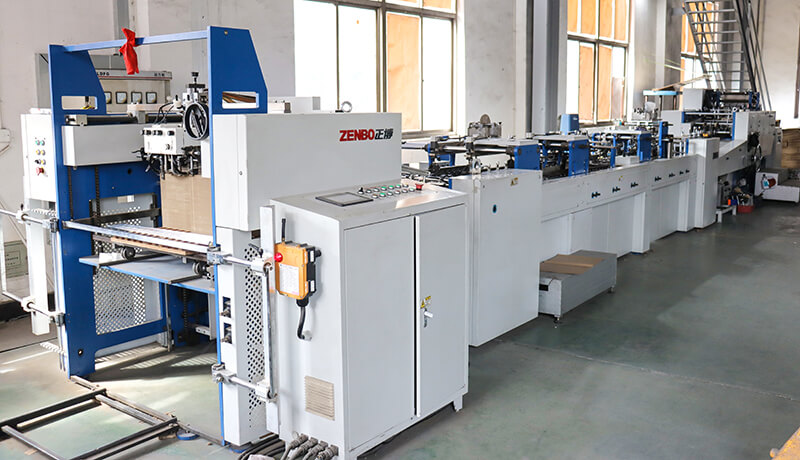
1.3. Customization & Service Flexibility
The ability to tailor products is a major differentiator. Evaluate the supplier's design support, printing technology (flexo vs. offset), minimum order quantity (MOQ), and lead times. A partner that offers comprehensive custom disposable paper cup services—handling everything from structural design to logo printing with Pantone color matching—adds significant value. Suppliers entrenched in markets like Vietnam often provide excellent flexibility, catering to both large-volume orders and smaller, test batches for new product launches.
1.4. Sustainability Credentials
Sustainability is a key purchasing driver. Inquire about the source of paper fiber (FSC-certified preferred), the use of water-based inks, and the compostability or recyclability of the final product. Suppliers focusing on disposable kraft paper cups or PLA (polylactic acid) linings instead of traditional PE plastic lining are aligning with circular economy trends. A supplier's commitment to reducing environmental footprint, as stated in their corporate philosophy, should be backed by tangible material choices and process efficiencies.
2. Strategic Sourcing: Vietnam as a Key Manufacturing Hub
Vietnam has emerged as a powerhouse for disposable paper packaging manufacturing, offering distinct advantages that procurement teams should consider.
- Cost-Effectiveness: Competitive labor and operational costs translate to highly attractive pricing without compromising on quality.
- Trade Advantages: Membership in key trade pacts like the CPTPP provides tariff benefits for exports to member countries, enhancing the total landed cost advantage for buyers.
- Supply Chain Resilience: A growing domestic paper industry and strategic port access in regions like Ho Chi Minh City ensure robust and reliable supply chains.
- Quality Standards: Many Vietnam disposable paper bowl and cup manufacturers have invested heavily to meet global standards, serving demanding markets in Europe, North America, and Asia-Pacific.
When evaluating Vietnam disposable food container suppliers, verify their experience with international logistics and export documentation to ensure smooth cross-border transactions.
3. Practical Steps for Supplier Qualification
Follow this actionable checklist to streamline your selection process:
- Define Specifications Clearly: Detail product type (disposable boat-shaped box, disposable paper food container), size, capacity, required insulation (single/double wall), printing complexity, and any special features like leak-proof lids.
- Conduct Initial Screening: Use B2B platforms, industry directories, and trade references to create a longlist. Prioritize suppliers with clear online presence, detailed product catalogs, and contact information like KingHonor Paper Products (Contact: Mr. Yang, Email: info@kinghonorpack.com, Tel: +86 13918832889).
- Request for Information (RFI): Send a standardized questionnaire covering company background, certifications, production capacity, key clients, and sustainability policies.
- Sample Evaluation: Order physical samples of the exact products you need (e.g., Vietnam disposable cold drink paper cup). Test for functionality, print quality, structural integrity, and feel.
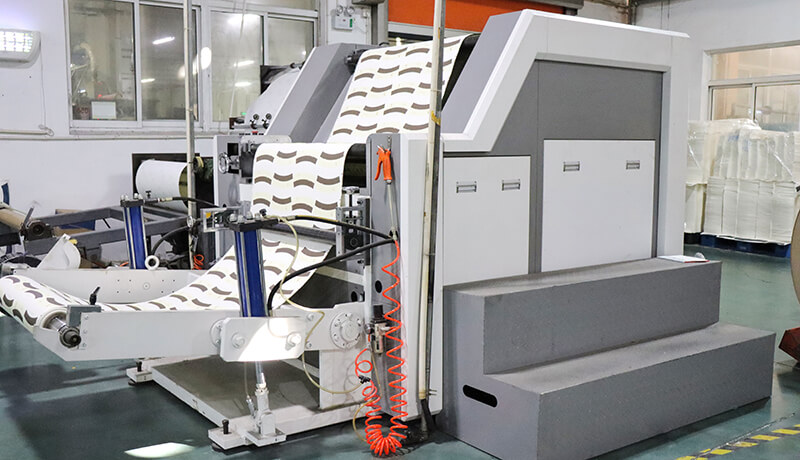
- Factory Audit: Conduct an on-site or virtual audit to verify manufacturing conditions, quality control processes, and social compliance. Images of clean, organized facilities are a positive indicator.
- Negotiate & Pilot Order: Finalize terms on pricing, payment, delivery, and quality guarantees. Place a pilot order to test performance on a larger scale before committing to a long-term contract.
4. Partnering for Long-Term Success
The ideal supplier is a strategic partner. Look for a company that demonstrates reliability, communication transparency, and a proactive approach to problem-solving. A partner like KingHonor Paper Products Co., Limited Liability Company, founded in 2018 and based in Long An Province, Vietnam, exemplifies a supplier built for partnership. By focusing on customized solutions and leveraging local material resources within a favorable trade framework, they aim to provide cost-effective, sustainable packaging that enhances brand value for their clients. Their commitment to responsive after-sales service and on-time delivery are critical components for a stable supply chain.
In conclusion, successful sourcing in the disposable paper packaging sector requires a balanced approach, weighing material science against cost, customization against lead time, and sustainability against functionality. By applying this rigorous evaluation framework and considering strategic manufacturing hubs like Vietnam, procurement professionals can secure a supplier that delivers not just a product, but a competitive advantage and peace of mind.
Have Questions or Need More Details?
Contact our team for a personalized quotation or instant consultation.
Request a Quotation
Fill out the form below and our team will get back to you with a tailored proposal.
WhatsApp Direct Chat
Prefer to chat in real-time? Message us on WhatsApp for instant assistance & quick answers.
- Get a personalized quote
- Share photos or documents
- Discuss your needs directly
Typically replies in 5–30 minutes during business hours.