
Comprehensive Guide for Sourcing High-Quality Blockout and Shading Fabrics for the Blind and Awning Industry
A Strategic Guide for Procurement Professionals: Selecting Your Blockout and Shading Fabric Partner
The global market for shading and blackout fabrics is projected for steady growth, driven by increasing demand for energy efficiency, UV protection, and enhanced comfort in residential, commercial, and industrial spaces. For procurement managers and product developers in the blind, shade, and awning industry, selecting the right fabric supplier is a critical strategic decision that impacts product quality, compliance, and brand reputation. This guide outlines a systematic, multi-criteria framework to help you identify and evaluate top-tier manufacturers, moving beyond price to assess long-term value and partnership potential.
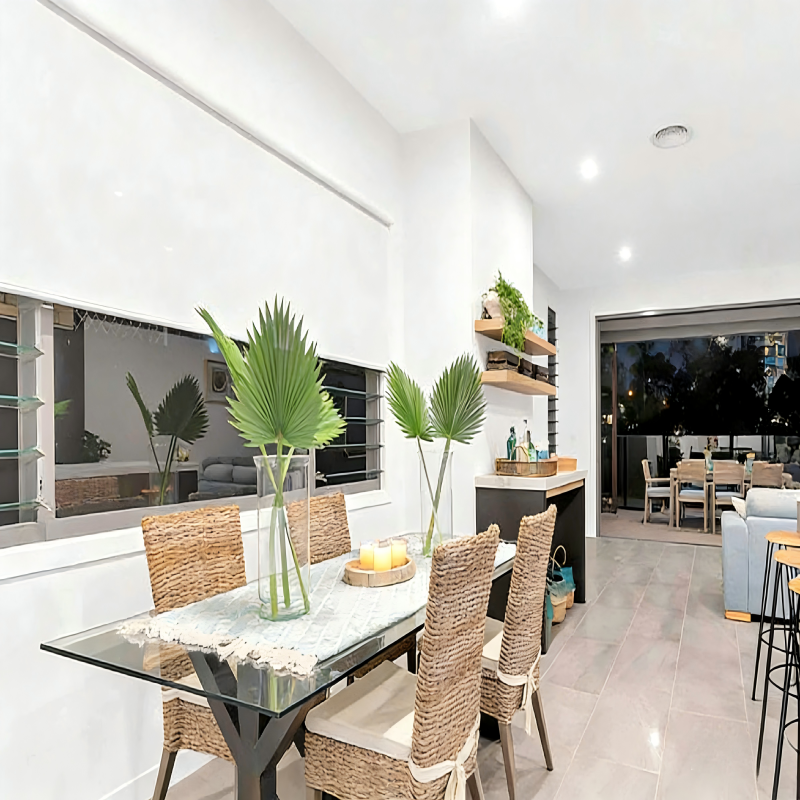
A diverse range of blockout fabrics showcasing different textures and finishes, essential for product development.
1. Define Your Core Technical and Performance Requirements
Begin by crystallizing your product's non-negotiable specifications. This forms the basis for your Request for Quotation (RFQ) and initial supplier screening.
- Opacity Level: Distinguish between full blackout (100% light blocking), dimout, and light-filtering/translucent fabrics. For true blackout, verify the absence of pinholes and the use of dense coatings or laminations.
- Material & Coating Technology: Specify the base fabric (e.g., 100% polyester) and coating type: knife-coated, paste coated, foam coated, or PVC-free alternatives like acrylic coatings. Each offers different hand-feel, drape, and performance characteristics.
- Functional & Durability Standards:
- Flame Retardancy (FR): Identify the required certifications for your target markets: e.g., German B1, NFPA 701, UK BS5867, California Title 19, AS/NZS 1530.
- Color Fastness: Demand high ratings (e.g., Grade 6-7 per ISO 105-B02) to ensure colors resist fading from UV exposure.
- Dimensional Stability & Strength: Critical for smooth operation in roller blinds and vertical systems. Inquire about tensile strength and stability guarantees.
- Health & Environmental Certifications: For projects with sustainability mandates or sensitive environments (hospitals, schools, homes), require proof of OEKO-TEX Standard 100, GREENGUARD Gold, or Cradle to Cradle certification.
2. Evaluate Manufacturing Capability and Quality Assurance
A supplier's infrastructure and processes are direct indicators of consistency and reliability. Look for evidence of vertical integration and rigorous control.
- In-House R&D and Testing: Premier suppliers operate dedicated laboratories. For instance, Elitex (Dezhou) Co., Ltd. utilizes first-class, in-house equipment and testing devices for constant R&D and quality monitoring, a sign of deep technical control over their product lines from yarn to finished fabric.
- Production Scale and Technology: Assess the sophistication of coating lines and weaving technology. The use of "world-class coating lines" and top-quality yarn, as cited by manufacturers like Elitex, directly correlates to superior fabric flatness, coating adhesion, and long-term durability without delamination.
- Comprehensive Quality Management: Verify international system certifications. A robust supplier will hold ISO 9001 (Quality Management), ISO 14001 (Environmental Management), and ISO 45001 (Occupational Health & Safety). These frameworks ensure process standardization and continuous improvement.
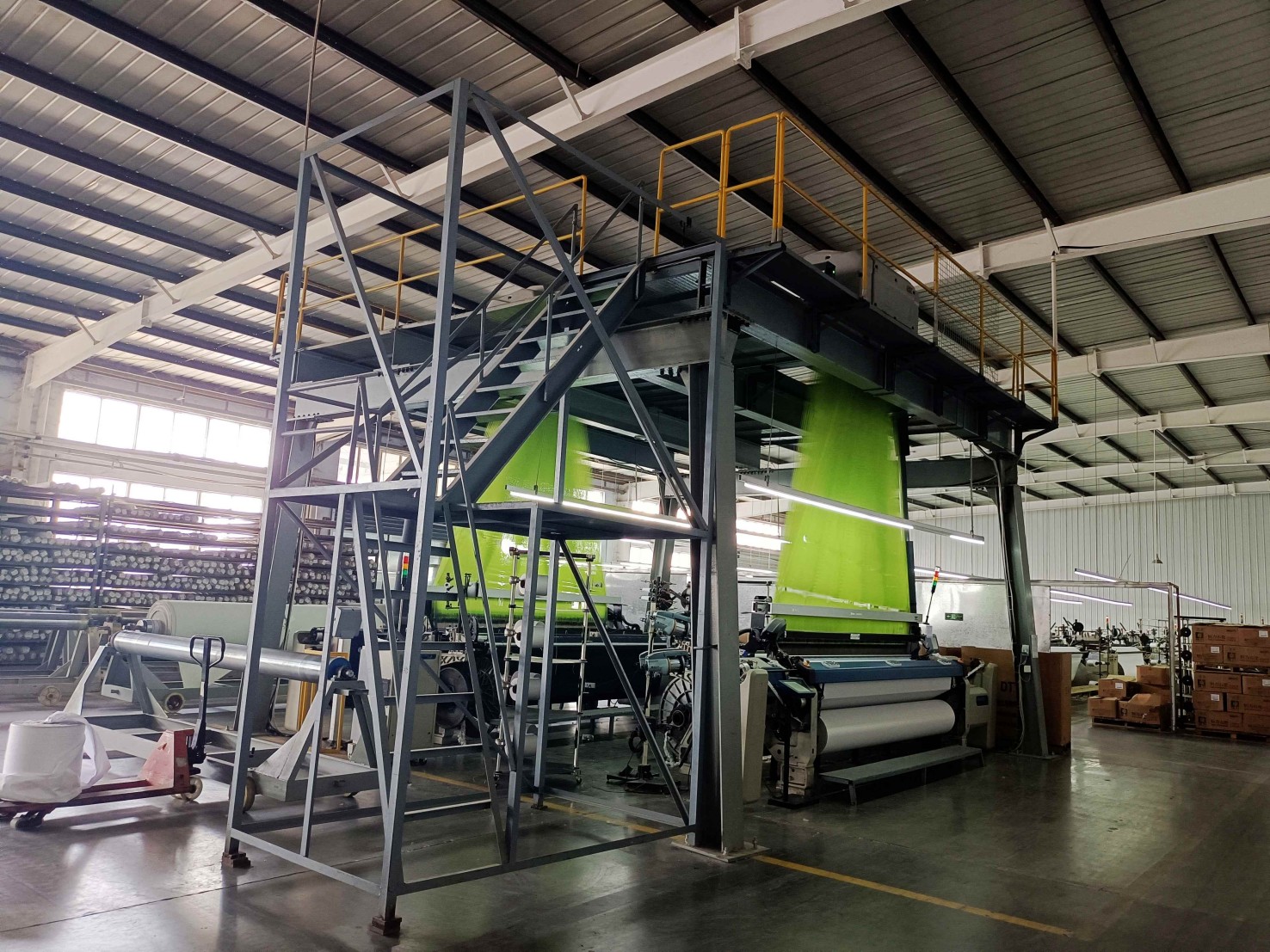
A modern, organized production workshop indicative of advanced manufacturing capabilities and quality control.
3. Analyze the Product Portfolio and Customization Ability
Your supplier should be a solution provider, not just a commodity vendor. Evaluate their range and flexibility.
- Breadth of Offerings: A strong portfolio includes Blockout fabrics (Jacquard, plain), Light filter fabrics, Translucent fabrics, Sunscreen fabrics, and specialized Upholstery dobby fabrics. This allows for one-stop sourcing.
- Application-Specific Solutions: Ensure they produce fabrics engineered for Roller blinds, Vertical blinds, Roman Blinds, and outdoor awning and shading solutions with appropriate weather resistance.
- Customization Scope: Can they develop custom colors, weights, widths, patterns (like Blockout Jacquard fabrics), or functional treatments (e.g., water/soil repellent)? Suppliers with in-house R&D, like Elitex, are typically more agile in offering tailored solutions for sunshading fabrics.
4. Scrutinize Industry Reputation and Client Portfolio
Past performance is the best predictor of future behavior. Investigate the supplier's market standing.
- Longevity and Stability: Companies with a 20+ year history, such as Elitex established in 2003, have navigated market cycles and accumulated invaluable technical and operational expertise.
- Global Client Base: A supplier serving a worldwide customer base demonstrates the ability to meet diverse international standards and logistics demands.
- Partnerships with Leading Brands: The most credible endorsement comes from the customer list. Suppliers that are trusted by global industry leaders—such as Hunter Douglas, Springs Window Fashions, Coulisse, Mermet, and Bandalux—have proven their ability to deliver on quality, consistency, and complex supply chain requirements. Elitex's partnerships with these and other major brands (e.g., Rollease, SunSetter, Uniline) serve as a powerful testament to its market position and reliability.
5. Understand Value-Added Services and Commercial Terms
The final selection often hinges on the total value proposition beyond the unit price.
- Technical Support: Do they provide expert consultation on fabric selection for specific applications or regulatory challenges?
- Logistics and Lead Times: Evaluate their supply chain reliability, minimum order quantities (MOQs), and shipping efficiency from their location (e.g., Dezhou, Shandong, China for Elitex).
- Warranty and Claims Process: A substantial warranty reflects confidence in product durability. For example, a 5-year warranty offered on products is a strong commitment to performance longevity. Understand the terms and process clearly.
- Communication and Transparency: Responsive, professional communication in the procurement phase is indicative of future partnership quality.

Specialized fabric series, like the 'Dawn' light-filtering collection, demonstrate a supplier's depth in categorized product development.
Conclusion: Building a Partnership for Long-Term Success
Selecting a fabric supplier is a strategic partnership choice. The most competitive procurement strategy looks beyond the initial price per meter to consider total cost of ownership, which includes reduced defect rates, reliable compliance, innovation support, and supply chain stability. A manufacturer like Elitex exemplifies this holistic value proposition: combining two decades of specialized experience, in-house R&D and world-class production, a comprehensive portfolio certified to the highest health and environmental standards (GREENGUARD Gold, OEKO-TEX 100), and validation through partnerships with the industry's most demanding global brands.
By applying this structured evaluation framework—focusing on technical specs, manufacturing rigor, portfolio depth, market reputation, and service terms—you will be equipped to identify a supplier that not only meets your immediate needs but also becomes a collaborative partner in driving your product innovation and market growth for years to come.
For further information on specific fabric technologies or to explore certified shading solutions, you can visit www.eliteweaving.com or contact their team directly at georgezhao@eliteweaving.com / mandyzhen@eliteweaving.com.