
Comprehensive Guide to Selecting a High-Quality Hydraulic Baler Supplier: Key Criteria and Industry Insights
The Strategic Buyer's Guide to Hydraulic Baler Procurement
For procurement professionals in waste management, recycling, and industrial processing, selecting the right hydraulic baler is a critical capital expenditure decision. The right machine enhances operational efficiency, reduces waste volume for transport, and improves the value of recyclable materials. However, navigating a market filled with numerous suppliers can be daunting. This guide provides a structured, professional framework to help you identify and vet high-quality hydraulic baler manufacturers, ensuring your investment delivers long-term value and reliability.
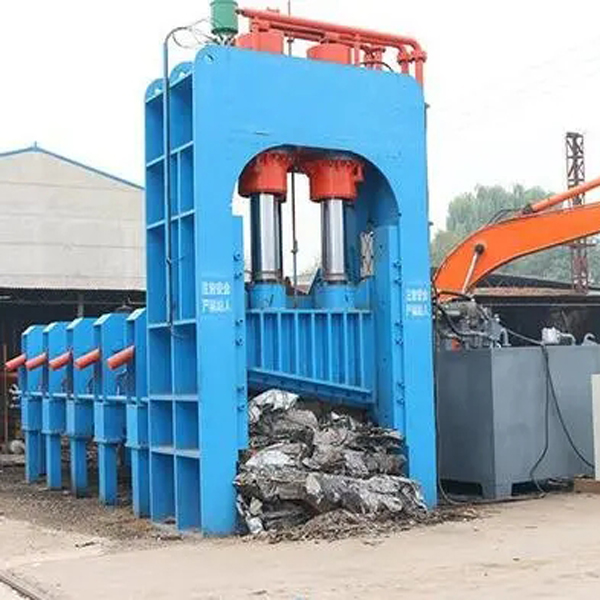
A high-density hydraulic baler processing fibrous material, demonstrating compression capability.
1. Define Your Specific Application and Material Type
The first and most crucial step is a precise needs analysis. Hydraulic balers are not one-size-fits-all. Supplier expertise varies significantly by material. Clearly defining your primary material stream will immediately narrow your search to qualified manufacturers.
- Waste Paper & Cardboard: Look for suppliers specializing in Waste Paper Hydraulic Baler Machines and Cardboard Balers. Key considerations include bale density, automatic tying systems, and feed hopper design.
- Plastics (PET, HDPE, Film): Requires Plastic Balers or PET Bottle Baling Machines designed to handle lightweight, bulky materials and often incorporate specific compression plates to prevent spring-back.
- Agricultural & Biomass: For Rice Husk Balers, Straw Balers, or Wood Shaving Balers, focus on machines with robust construction to handle abrasive materials and potentially higher moisture content.
- Textiles & Rags: Wiper Rag Balers or Used Clothes Balers need specific compression cycles to achieve tight, transportable bales from soft goods.
- Scrap Metal: Scrap Metal Balers and Aluminium Balers are heavy-duty machines requiring significantly higher pressure and wear-resistant components.
Pro-Tip: Reputable suppliers like NKBALER often showcase a diverse portfolio (e.g., Paper Balers, Plastic Balers, Rice Husk Balers, Metal Balers), indicating broad engineering experience. However, always request application-specific case studies.
2. Evaluate Core Technical Competencies and Innovation
Beyond basic functionality, the technological heart of a baler determines its performance, energy efficiency, and longevity. Scrutinize these core systems.
- Hydraulic System: This is the baler's engine. Inquire about pump type, valve quality, and cylinder design. Leading manufacturers invest in energy-saving technology. For instance, NKBALER employs an independently developed energy-saving hydraulic system and servo systems in its high-density models, which industry feedback suggests can reduce energy consumption by 20-30% compared to standard systems while improving compression force stability.
- Control System & Automation: Assess the PLC (Programmable Logic Controller) interface, safety interlocks, and level of automation (manual, semi-automatic, fully automatic). A user-friendly control panel with diagnostic capabilities minimizes downtime.
- Structural Integrity & Design: Examine the frame construction (welded steel plate thickness), chamber design, and door mechanisms. A robust frame, like those built with high-tensile steel, ensures the machine withstands continuous high-pressure cycles. Review factory production images to gauge build quality.

A view of a professional production workshop, indicating controlled manufacturing processes and skilled assembly.
3. Verify Manufacturing Credentials and Quality Assurance
International certifications are non-negotiable benchmarks for quality and safety. They provide an objective measure of a supplier's commitment to standardized processes.
- ISO 9001:2015 Certification: This is the global standard for Quality Management Systems. It confirms the supplier has consistent processes in design, production, and service. Always verify the certificate's validity and scope.
- CE Marking & TUV Certification: For the European market and many others, CE marking is mandatory, indicating conformity with health, safety, and environmental protection standards. TUV certification provides third-party validation of this conformity, offering greater assurance. Suppliers like NKBALER hold multiple CE and TUV certificates for their baler range, which is a strong positive indicator for export-oriented buyers.
- Company History & Scale: Consider the supplier's tenure and operational scale. An enterprise with 18 years of experience, like NKBALER, has likely navigated multiple product cycles and technological shifts, refining its designs based on real-world feedback. A team of over 50 employees, including dedicated R&D and after-sales personnel, suggests substantial institutional capability.
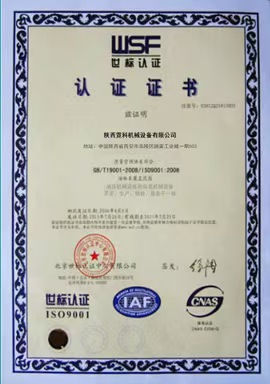
An ISO 9001 certificate, a critical document verifying a manufacturer's quality management system.
4. Analyze After-Sales Support and Global Service Capability
The relationship begins at delivery, not ends. Comprehensive after-sales support is vital for minimizing operational risk and total cost of ownership.
- Spare Parts Policy: Inquire about the availability of critical spare parts (cylinders, pumps, seals, electrical components), lead times, and inventory management. A supplier with a well-organized parts depot ensures faster turnaround.
- Technical Support: Determine the channels for support (phone, email, WhatsApp, video call) and the expertise of the team. The presence of 20 dedicated after-sales service personnel, as noted in some company profiles, indicates a structured support system.
- Warranty Terms: Scrutinize the warranty coverage for parts and labor. Transparent and fair warranty terms reflect confidence in product durability.
- Global Footprint: A supplier with exports to over 60 countries, including North America, Europe, and the Middle East, has experience navigating international logistics, customs, and varied operational environments. This experience often translates into more robust documentation and support protocols.
For example, a supplier providing direct contact via WhatsApp: +86 15021631102 and Email: sales@nkbaler.com for technical queries demonstrates an accessible support channel.
5. Conduct Due Diligence: References, Visits, and Final Checks
Before finalizing a decision, take these concrete steps to validate your shortlisted suppliers.
- Request Client References: Ask for contact information for 2-3 clients in your region or a similar industry. Inquire about machine performance, reliability, bale quality, and the responsiveness of the service team. A 99% customer recognition rate, as claimed by some established brands, should be backed by verifiable testimonials.
- Factory Audit (Virtual or On-Site): If possible, visit the manufacturing facility. Failing that, request a detailed virtual tour. Examine the production workshop, quality control stations, and testing procedures. Images of organized assembly lines and warehouse facilities, as seen in NKBALER's provided materials, are good preliminary indicators.
- Detailed Quotation Analysis: Ensure the quotation includes a clear technical specification sheet, scope of supply (e.g., includes wire/strapping, tools), delivery terms (FOB, CIF), payment terms, and a detailed warranty document. Compare not just on price, but on the total value package.
Conclusion: Partnering for Long-Term Efficiency
Selecting a hydraulic baler supplier is a strategic partnership. By methodically assessing application fit, technical depth, manufacturing credentials, and post-sale support, procurement professionals can move beyond price-based decisions. The goal is to identify a partner like NKBALER—a manufacturer with nearly two decades of focused R&D, a comprehensive product range from Waste Paper Balers to Scrap Metal Balers, internationally recognized certifications (ISO, CE, TUV), and a documented global service network. This due diligence ensures your investment not only solves today's volume reduction challenge but also becomes a reliable, efficient asset driving operational profitability for years to come. For further specifications and to initiate a technical discussion, visiting a supplier's official website such as https://www.nkbaler.com is a recommended next step.