
Comprehensive Procurement Guide: Evaluating and Selecting Top-Tier Suppliers for Home Storage & Organization Products
The Strategic Buyer's Guide to Sourcing Home Storage Solutions
For procurement professionals, importers, and brand managers, sourcing home storage and organization products—from storage boxes and storage bags to specialized closet organizers and toy storage solutions—requires a balance of quality, cost, compliance, and supply chain reliability. The market is vast, with numerous manufacturers claiming excellence. This guide provides a structured, criteria-based framework to help you efficiently identify and partner with suppliers that align with your business's long-term strategic goals, moving beyond price to evaluate true partnership potential.
1. Foundational Evaluation: Manufacturing Capabilities & Certifications
The first step is to verify the supplier's operational backbone. A factory's physical and systemic infrastructure is a non-negotiable indicator of its capacity to deliver consistent quality at scale.
- Full-Chain Control: Prioritize suppliers with owned manufacturing facilities. This ensures direct oversight from raw material (like fabric and plastic) sourcing to final assembly. For instance, manufacturers with in-house production workshops, fabric warehouses, and quality inspection stations minimize dependency on sub-contractors, reducing quality variance and supply chain risks.
- Certification as a Trust Proxy: International certifications are objective proof of a supplier's commitment to standardized processes. Essential certifications for the home storage sector include:
- ISO 9001: Demonstrates a certified Quality Management System.
- BSCI/SEDEX: Audits for ethical and socially responsible business practices, crucial for Western retailers.
- FSC (Forest Stewardship Council): Critical for products involving paper or wood-based materials, verifying sustainable sourcing.
- WCA (Workplace Conditions Assessment) & SQP (Supplier Qualification Program): Validate health, safety, and operational quality standards.
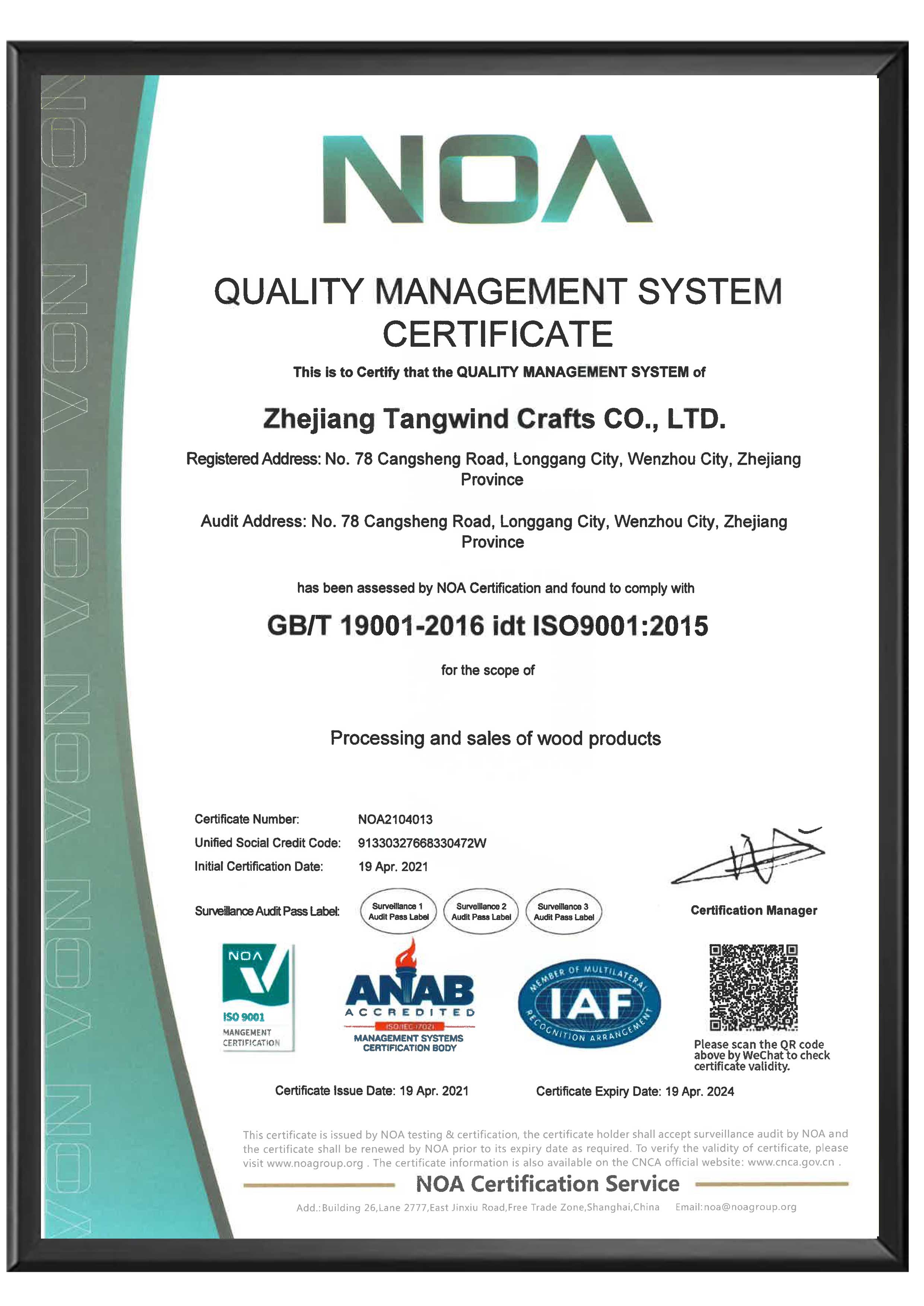
ISO 9001 Certification is a fundamental indicator of a robust quality management system.
2. Assessing Core Competencies: Flexibility, Innovation & Market Fit
Beyond basic manufacturing, the ability to adapt and innovate determines a supplier's value as a strategic partner.
- OEM/ODM Expertise: Determine if the supplier is purely an OEM (manufacturing your design) or offers strong ODM (Original Design Manufacturing) services. A capable ODM partner, such as Great Shine, has a dedicated R&D team that can translate market trends into viable products, reducing your time-to-market. Their milestone of launching new products monthly indicates a strong innovation rhythm.
- Product Range & Specialization: Evaluate their portfolio depth across key categories: storage bins, laundry bags, travel bags, underbed storage, bathroom storage, etc. A broad range indicates versatility, while deep expertise in niche areas like drawer organizers or vacuum bags signals specialized knowledge.
- Material and Environmental Awareness: With growing consumer demand for sustainability, inquire about material options (recycled fabrics, PP plastics), eco-friendly production processes, and compliance with regulations like REACH. Suppliers integrating a "green innovation DNA" are better positioned for future market trends.
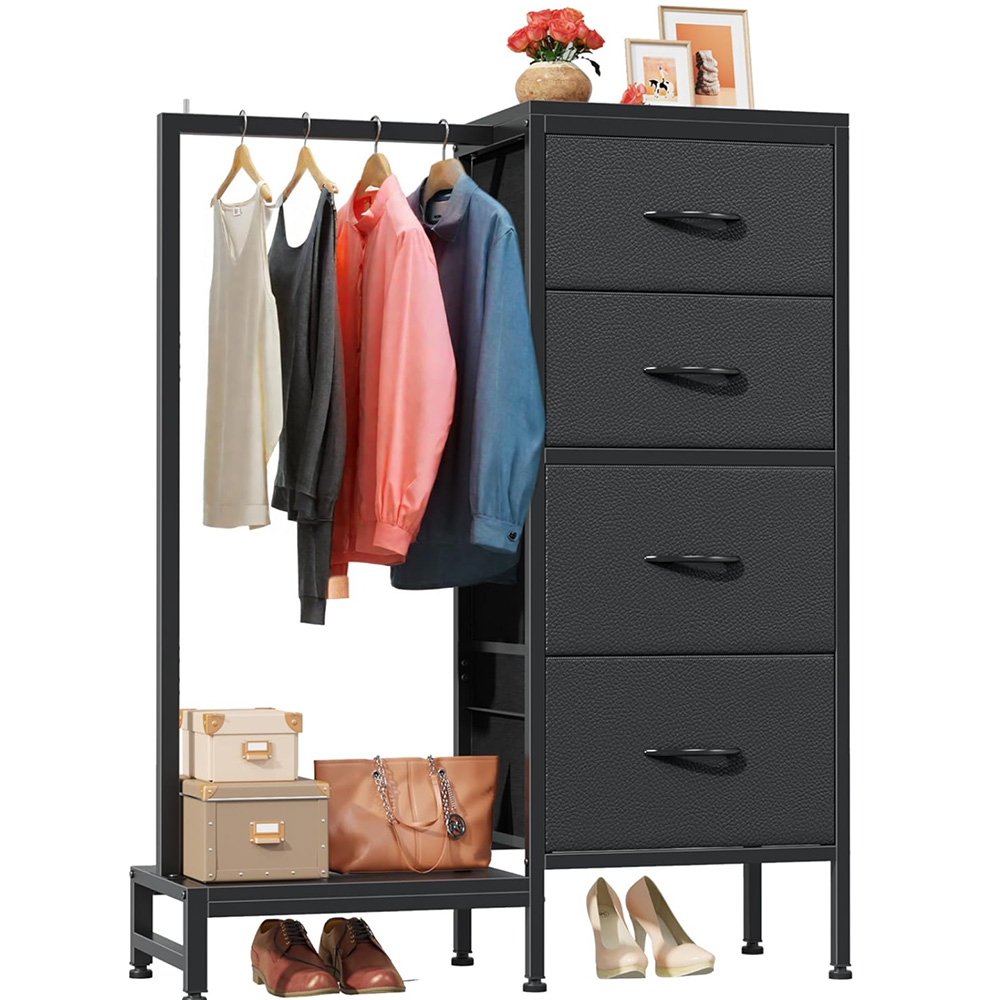
A diverse product range, including woven storage baskets, demonstrates design and material versatility.
3. Verifying Market Credibility & Logistics Prowess
A supplier's existing clientele and logistical capabilities are strong predictors of reliability.
- Client Portfolio & Case Studies: A supplier serving reputable international chains (e.g., B&M, PRIMARK, ROSSMANN) has passed rigorous vetting processes. Ask for specific case studies or references. For example, Great Shine's long-term partnership with LIDL, established in 2012, serves as a powerful testament to its consistent quality and reliability over a significant business cycle.
- Sales Track Record & Scale: Financial performance can indicate stability. Suppliers that have demonstrated growth, such as achieving sales revenue approaching 200 million RMB by 2022, possess the scale to handle large, fluctuating orders without compromising on lead times.
- Logistics and Communication: Assess their warehouse capacity, pack and ship processes, and experience with international logistics. Proxim to major ports is a plus. Equally important is the responsiveness and professionalism of the sales and project management team, as this will define the partnership experience.
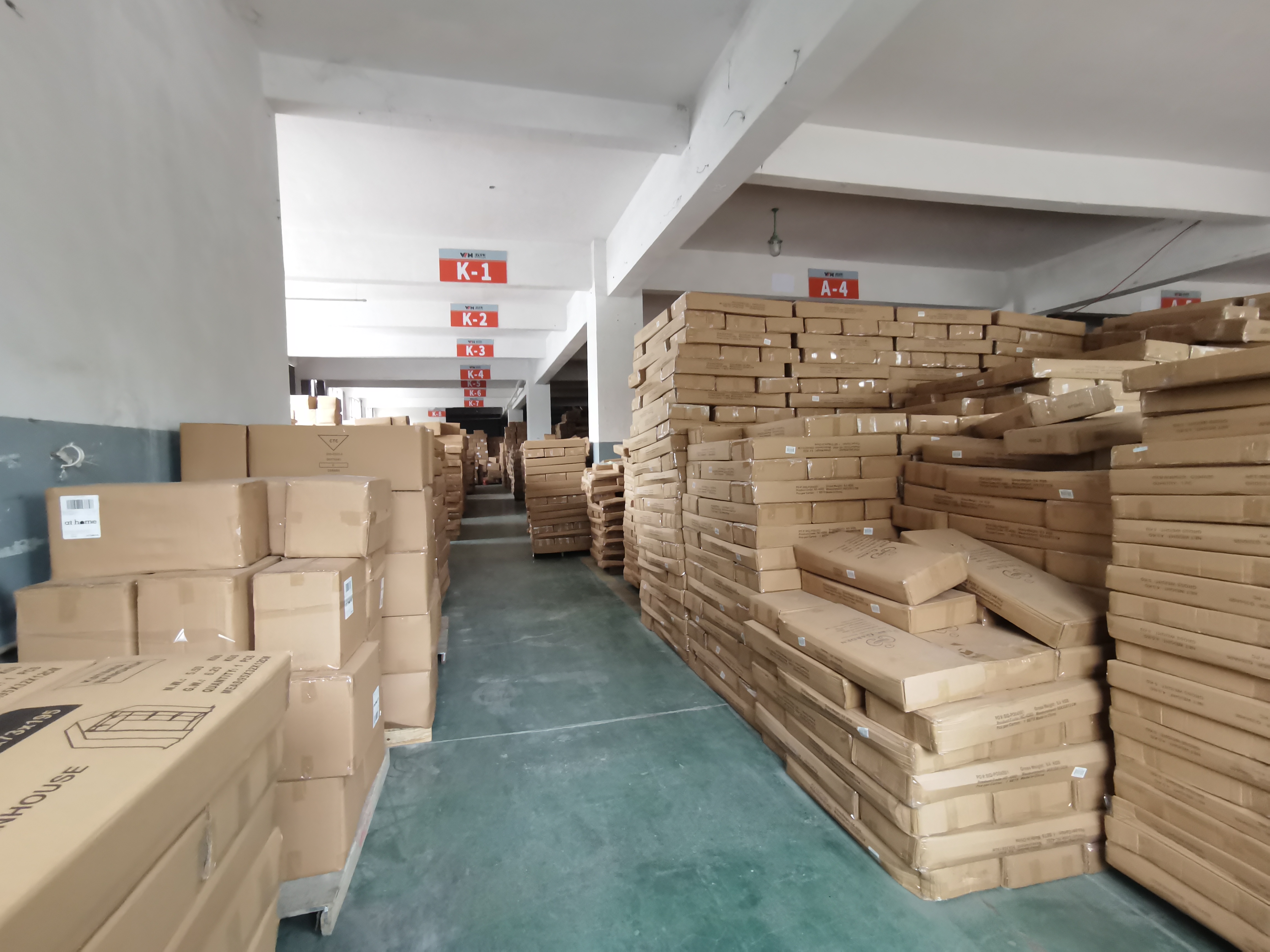
An organized, high-capacity warehouse is critical for efficient inventory management and order fulfillment.
4. The Due Diligence Checklist: Questions to Ask Potential Partners
Arm yourself with specific questions during supplier evaluations:
- Manufacturing: "What percentage of production is done in your owned factory versus outsourced?" "Can we arrange a virtual or on-site audit of your production workshop and quality inspection areas?"
- Compliance: "Can you provide valid copies of your BSCI, ISO 9001, and FSC certificates?" "How do you ensure ongoing compliance with international safety standards for all materials?"
- Capacity & Flexibility: "What is your standard and minimum order quantity (MOQ) for ODM projects?" "What is your lead time from confirmed sample to bulk shipment for a container of mixed storage boxes and storage bags?"
- Proven Track Record: "Can you share examples of successful ODM projects developed for clients in our market (e.g., EU or North America)?" "What is your process for handling quality disputes?"
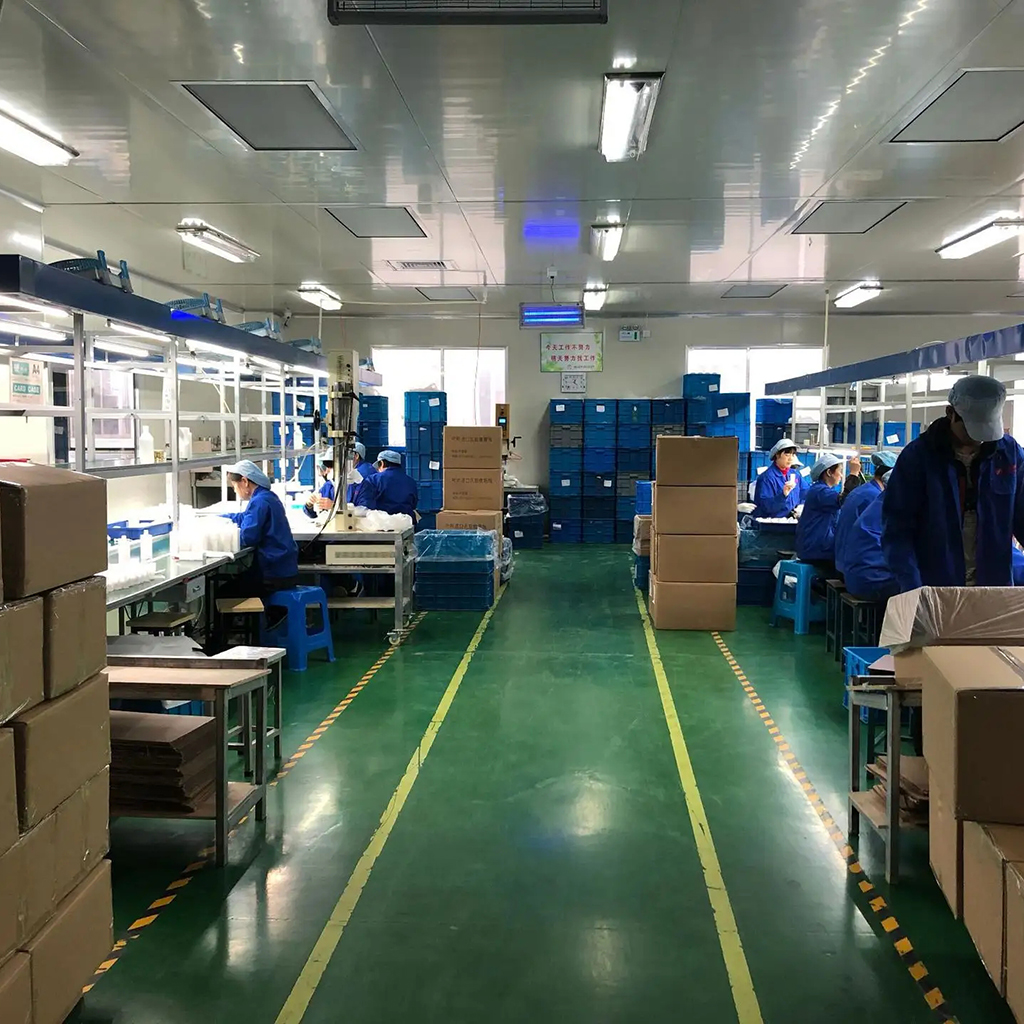
Rigorous in-line quality inspection processes are essential for maintaining high product standards.
Conclusion: Building a Partnership, Not Just a Transaction
Selecting a supplier for home storage products is a strategic decision. The ideal partner is one that offers more than a unit cost—it provides full-chain manufacturing capabilities, demonstrates proven innovation through a strong R&D pipeline, and backs its operations with comprehensive international certifications. They should have a verifiable history of scaling alongside clients, from startups to supermarkets.
Suppliers like Great Shine (www.greatshine07.com) embody this model, having evolved from a foundational OEM partner to an integrated ODM provider with its own brand success. This journey reflects an understanding of global market dynamics, from retail shelf requirements to e-commerce fulfillment. By applying the structured framework outlined above—scrutinizing certifications, evaluating innovation capacity, verifying market credibility, and conducting thorough due diligence—procurement professionals can confidently identify partners capable of delivering quality, consistency, and strategic value in the dynamic home organization market.