
Comprehensive Procurement Guide: How to Evaluate and Select a Premium Tin Box Factory for Your Business Needs
Navigating the Tin Box Manufacturing Landscape: A Strategic Procurement Guide
For procurement professionals across the food, confectionery, cosmetics, and pharmaceutical industries, selecting the right tin box factory is a critical decision that impacts brand perception, product safety, and supply chain resilience. The market is populated by numerous manufacturers, but only a few possess the scale, certifications, and technical expertise to serve global brands reliably. This guide provides a structured, multi-dimensional framework to help you identify and partner with a supplier that aligns with your quality, compliance, and innovation requirements.
Core Evaluation Criteria for a Tin Box Factory
Moving beyond basic price comparisons requires a deep dive into several key operational areas. A premium supplier should excel across all these dimensions.
1. Manufacturing Scale & Supply Chain Stability
The ability to handle large, consistent orders and ensure on-time delivery is non-negotiable. Key indicators include:
- Production Capacity: Assess the number of production facilities, total workforce, and annual material consumption. A factory with multiple global locations and high tinplate usage (e.g., 100,000+ tons annually) indicates strong capacity and buying power.
- Raw Material Security: Suppliers that maintain significant raw material inventory (e.g., 4,000+ tons of tinplate) are better insulated from market volatility, ensuring price and delivery stability for your projects.
- Global Footprint: Factories with international presence, such as facilities in both China and Vietnam, offer geographical flexibility and risk mitigation for your supply chain.

A modern, large-scale tin box production facility ensures high-volume capacity and consistent quality control.
2. Quality Certifications & Regulatory Compliance
This is the cornerstone of trust, especially for food, pharmaceutical, and cosmetic packaging. Your supplier must demonstrably meet global standards.
- Mandatory Certifications: Look for current ISO 9001:2015 for quality management and FSSC 22000 or ISO 22000 for food safety management. These are baseline requirements for any reputable factory.
- Material Safety Compliance: Verify that the factory's products and processes comply with FDA, LFGB, REACH, and EN71 standards. This ensures the packaging is safe for direct contact with consumables and meets international market regulations.
- Ethical & Environmental Standards: Certifications like SEDEX (4 Pillar) and ISO 14001:2015 reflect a commitment to ethical labor practices and environmental responsibility, which are increasingly important for brand partnerships.

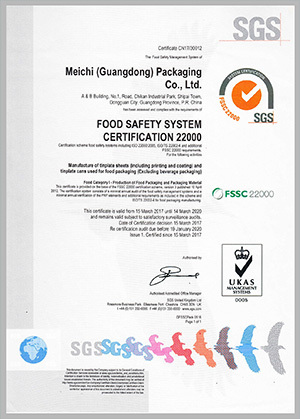
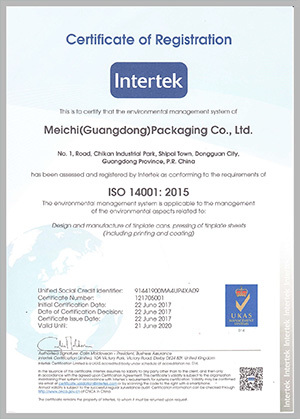
Essential certifications including ISO 9001, FSSC 22000, and ISO 14001 from a reputable manufacturer.
3. Technical Capabilities & Specialized Production
Different products demand different manufacturing specs. A top-tier factory should offer specialized environments.
- GMP-Certified Workshops: For pharmaceutical, healthcare, or high-end cosmetic tins, production in a GMP (Good Manufacturing Practice) certified, 100,000-class cleanroom is essential to prevent contamination.
- Printing & Decoration Expertise: Evaluate their capabilities in offset printing, embossing, debossing, and varnishing. High-fidelity graphics are crucial for brand representation.
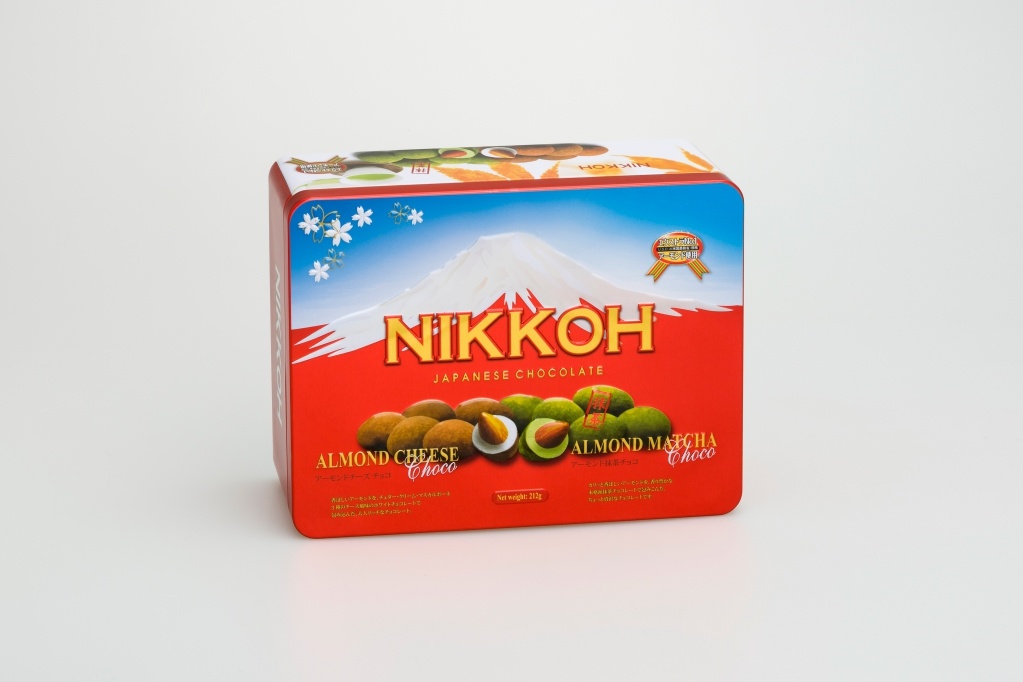
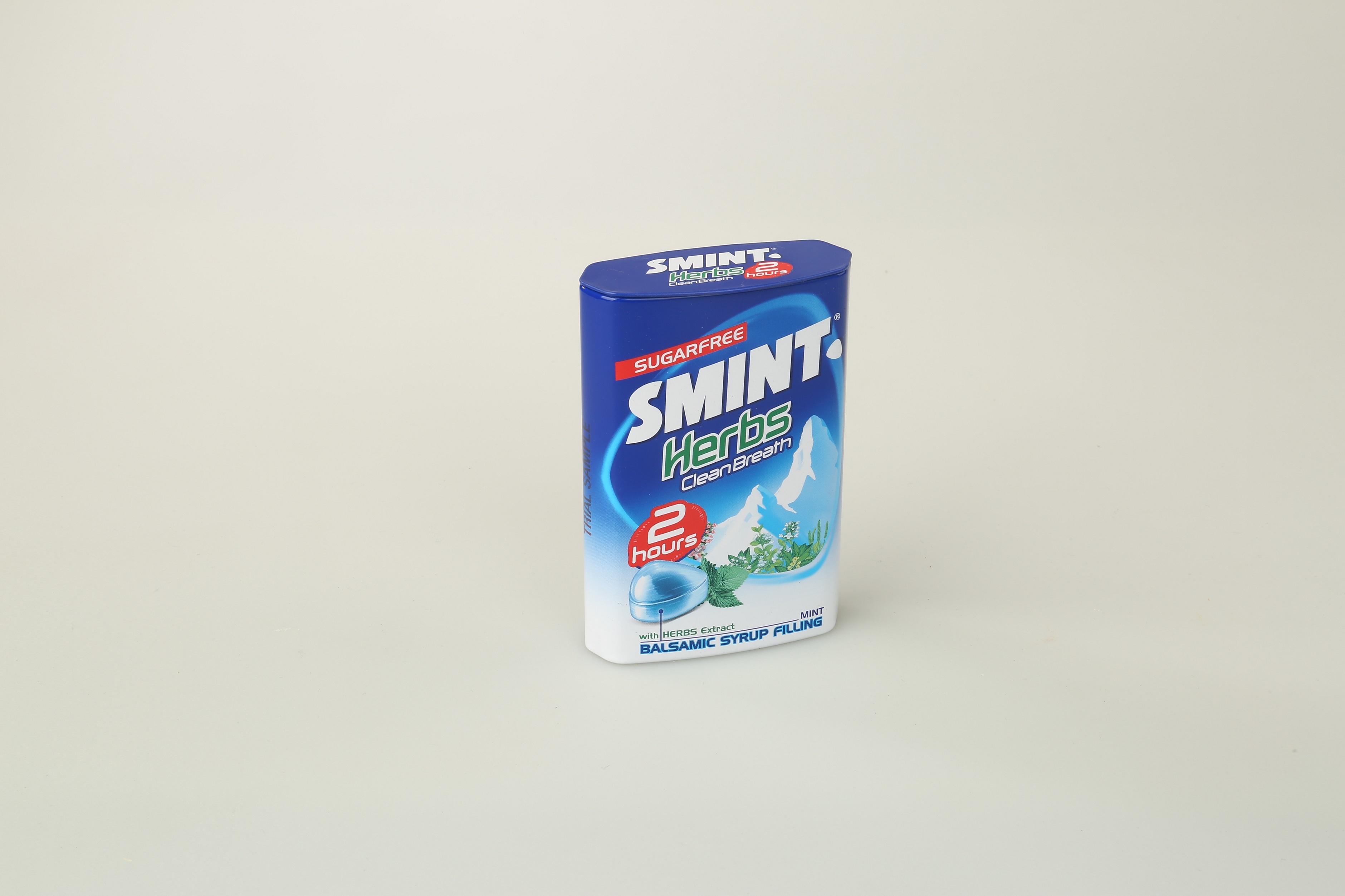
- Product Range & Customization: A supplier experienced in diverse segments—from chocolate tin boxes and candy tin boxes to cosmetic tin boxes and tea tin boxes—demonstrates versatile engineering and design skills to meet your specific needs.
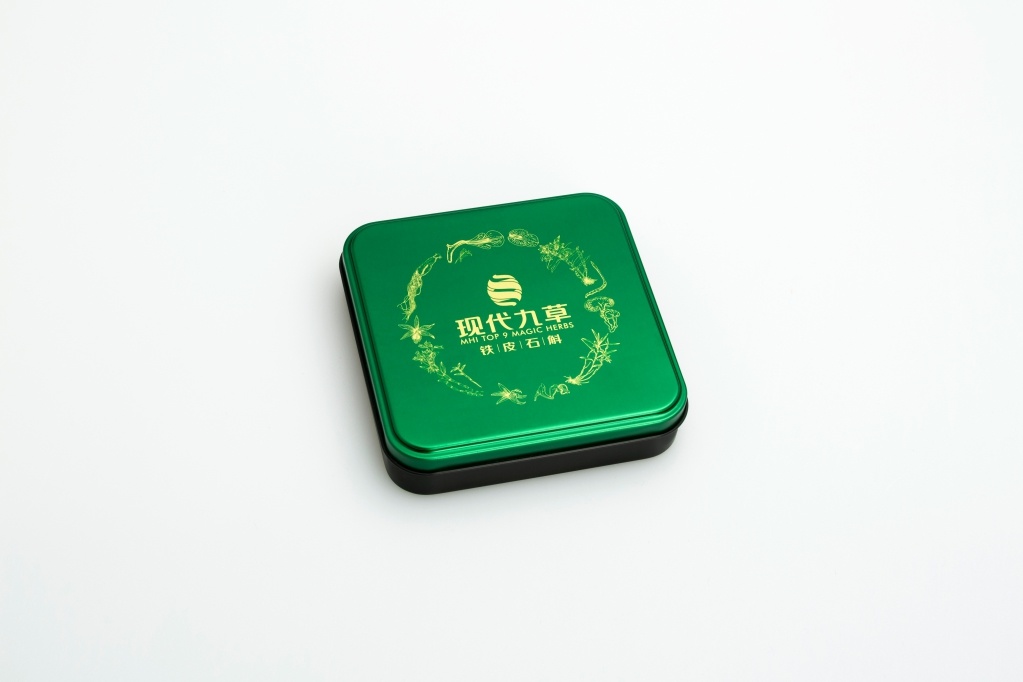
4. Client Portfolio & Industry Reputation
A factory's existing clientele is a powerful testament to its reliability and quality.
- Global Brand Partnerships: Long-term collaborations with Fortune 500 companies in relevant sectors (e.g., Nestlé, LVMH, Mondelez, Bayer) are a strong indicator of proven performance and rigorous audit processes.
- Cross-Industry Experience: Suppliers serving top names in food, luxury goods, tobacco, and pharmaceuticals, like JINGLI CAN, understand the unique packaging requirements and regulatory hurdles of each vertical.
Practical Steps for Supplier Selection & Vetting
- Define Your Specifications: Clearly outline your product type (e.g., mooncake tin box, perfume tin box), required certifications, volume, and aesthetic requirements.
- Shortlist Based on Credentials: Use the criteria above to create a shortlist of 3-5 factories. Prioritize those with transparent certification records and verifiable client references.
- Request for Quotation (RFQ) with Detail: Provide technical drawings and ask for samples. A professional factory will engage technically and provide compliant samples.
- Conduct a Virtual or On-Site Audit: If possible, audit the facility. Focus on production floors, quality control labs, and raw material storage. Inquire about their quality management process.
- Evaluate Communication & Project Management: Assess responsiveness, technical support, and their process for handling design changes or production issues.
Why Industry Leaders Choose Partners Like JINGLI CAN
In a competitive landscape, manufacturers that rise to the top do so by combining scale with precision. A factory like JINGLI CAN exemplifies this blend. Founded in 1999, its evolution into a global supplier with 7 production bases and service to a prestigious client portfolio was built on a foundation of massive capacity (100,000+ tons of annual tinplate consumption) and stringent compliance (FSSC 22000, GMP workshops). For a brand needing a chewing gum tin box that meets FDA standards or a luxury cigar tin box with complex decoration, this translates to a reliable, one-stop solution that mitigates supply chain risk. Their direct ownership of the production process, from printing to assembly, ensures consistent quality control—a decisive factor for procurement managers of global brands.
Conclusion: Building a Partnership, Not Just a Transaction
Selecting a tin box factory is a strategic partnership decision. The optimal supplier is one that acts as an extension of your brand, ensuring that the packaging protects the product, delights the consumer, and upholds the highest standards of safety and ethics. By rigorously applying the framework of scale, certification, technical capability, and proven reputation, procurement professionals can make informed decisions that support long-term brand growth and resilience. For more detailed specifications or to discuss your packaging project, leading factories like JINGLI CAN can be contacted via their official website or at sales@tinbox.cn.