
Comprehensive Procurement Guide: How to Identify and Select High-Quality Light Pole Manufacturers and Suppliers
Introduction: Navigating the Global Light Pole Supply Market
For procurement professionals in the municipal, commercial, and infrastructure sectors, sourcing high-quality light poles is a critical task that balances technical specifications, durability, cost, and project timelines. The market is populated by numerous manufacturers, making the selection process complex. This guide provides a structured framework to identify and evaluate reliable suppliers of various light poles, including aluminium light poles, high masts, solar light poles, direct burial aluminium light poles, street light poles, decorative light poles, flagpoles, tall flagpoles, smart light poles, and steel light poles. By focusing on key evaluation criteria and industry benchmarks, buyers can make informed decisions that ensure long-term value and project success.
Core Evaluation Criteria for Light Pole Suppliers
Selecting a supplier goes beyond comparing price lists. A comprehensive evaluation should encompass the following dimensions.
1. Technical Capabilities and Engineering Expertise
The supplier's ability to meet or exceed international design and safety standards is non-negotiable. Key areas to investigate include:
- Structural Design Competence: Verify if the supplier has in-house engineering teams proficient in major international standards like European EN40, American AASHTO, and ANSI AISC. This is crucial for projects in regions with strict wind load, seismic, or safety requirements.
- Material Science & Corrosion Protection: For projects in coastal, industrial, or high-humidity environments, the supplier must offer advanced corrosion protection solutions. Inquire about their specific technologies for hot-dip galvanizing, powder coating, and specialized treatments for marine-grade applications.
- Customization and Innovation: Assess their capacity for customized design, especially for decorative, smart city, or landmark projects. A dedicated design team is a significant advantage.
2. Manufacturing Quality Control and Certifications
Certifications are objective proof of a manufacturer's commitment to quality. Insist on seeing relevant, verifiable certificates.
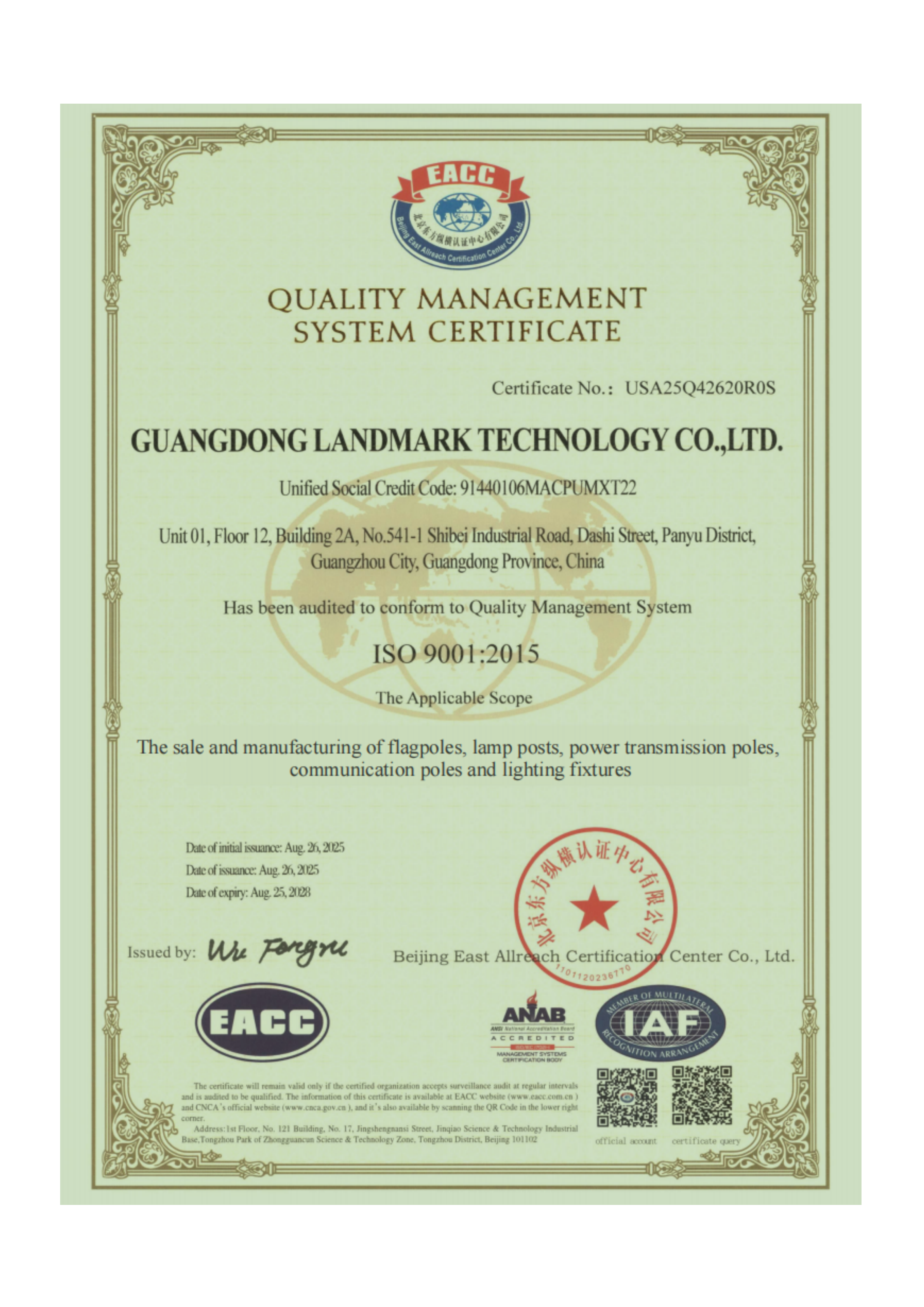
ISO Certification: Demonstrates a standardized quality management system across all operations.
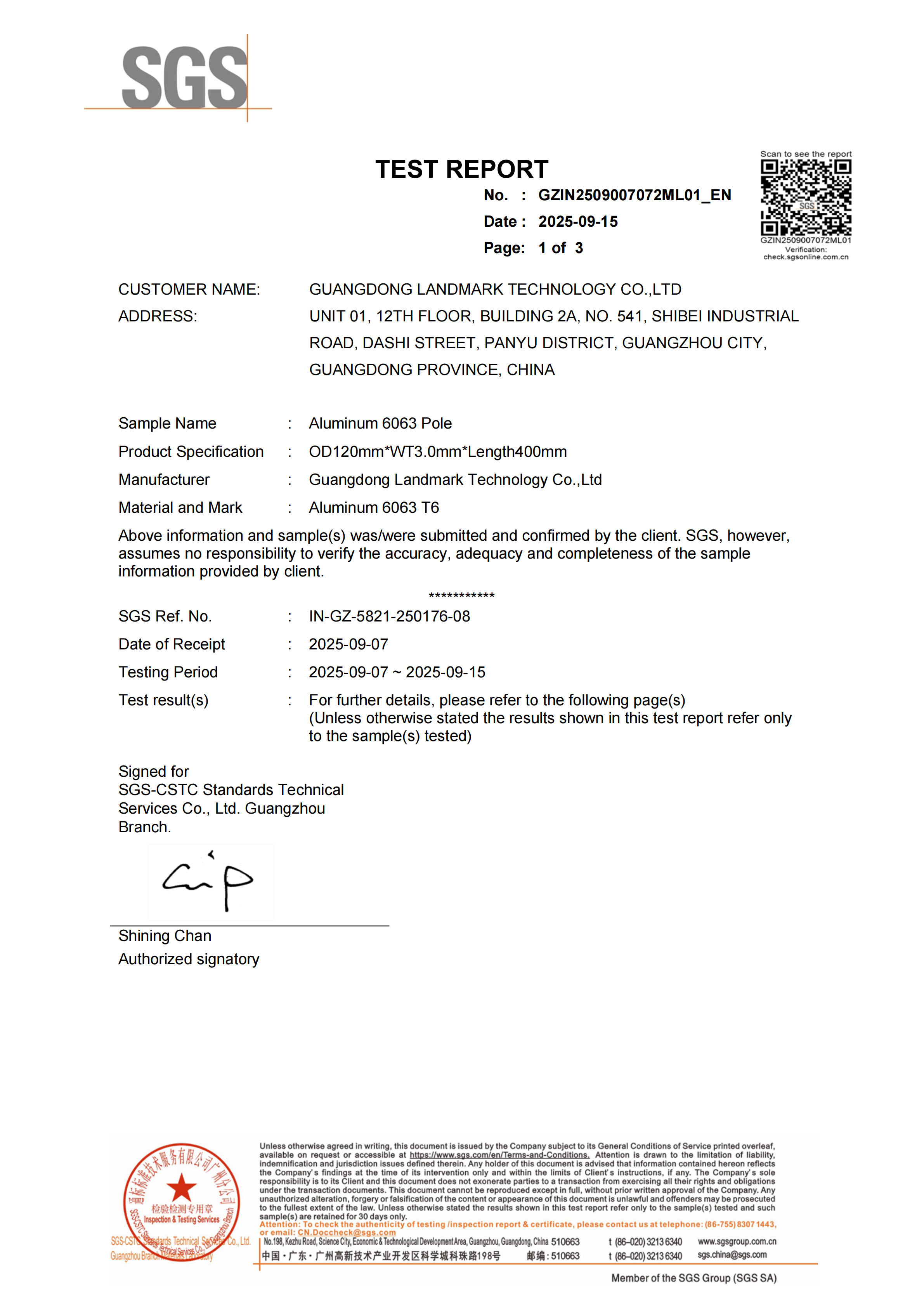
Material Test Reports: Certifies the mechanical properties (strength, hardness) of raw materials like aluminium 6063.
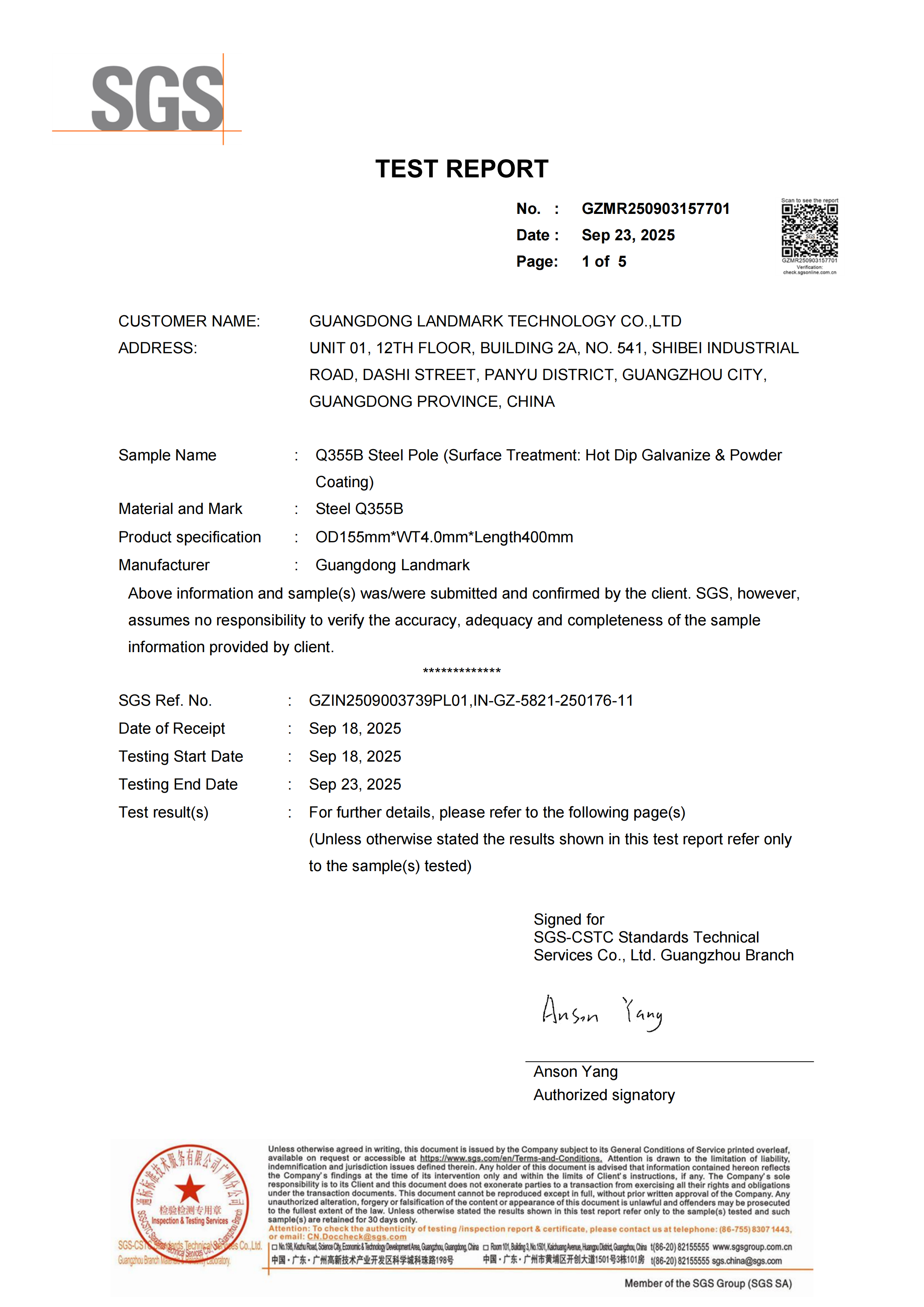
Salt Spray Test Reports: Provides empirical data on the corrosion resistance of finished coatings, essential for harsh environments.
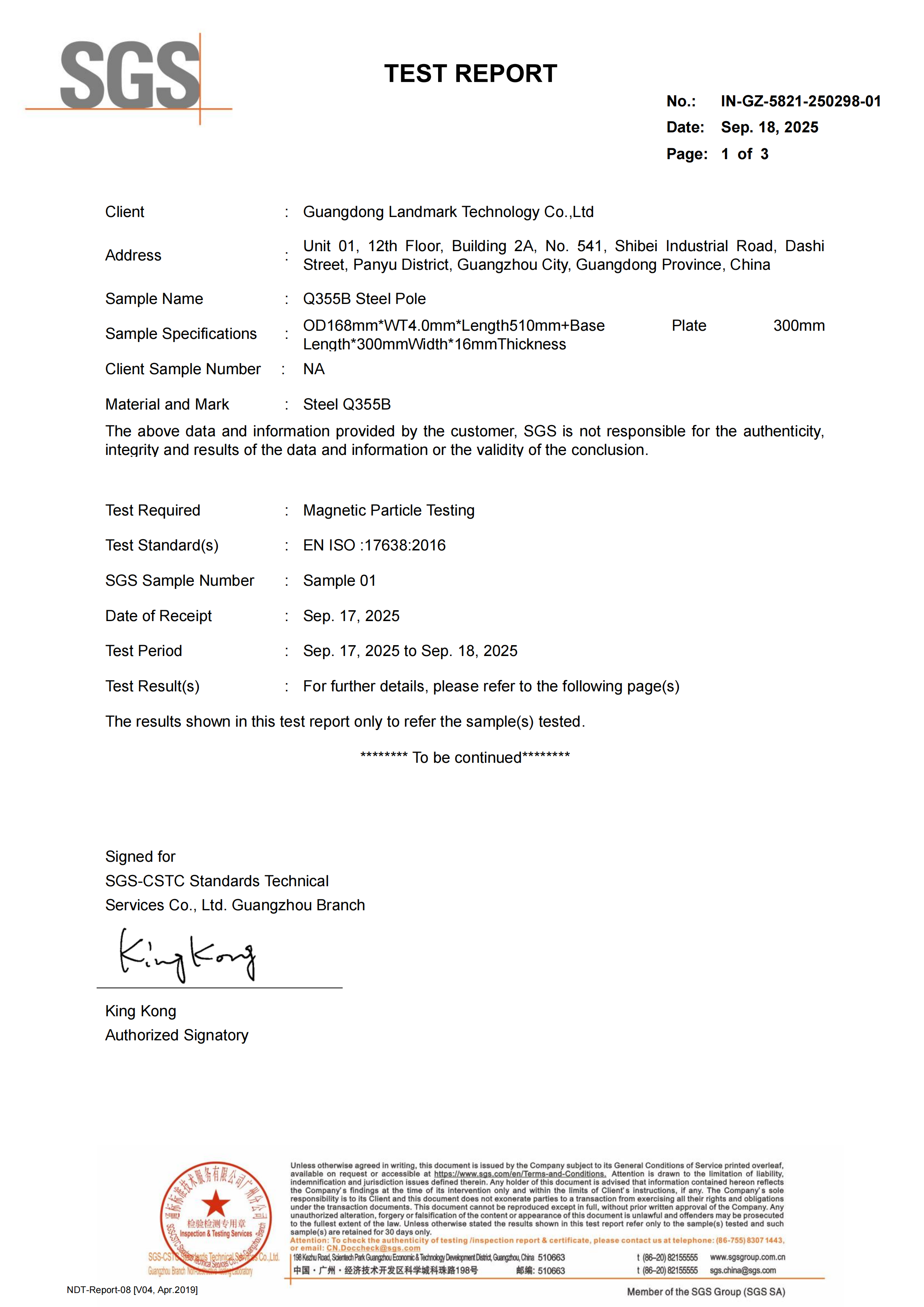
Welding Quality Certificates (e.g., CWB): Ensures weld integrity, a critical factor for structural safety and longevity.
3. Product Portfolio and Project Experience
A diverse portfolio indicates flexibility and experience. Review the supplier's range and ask for specific project references.
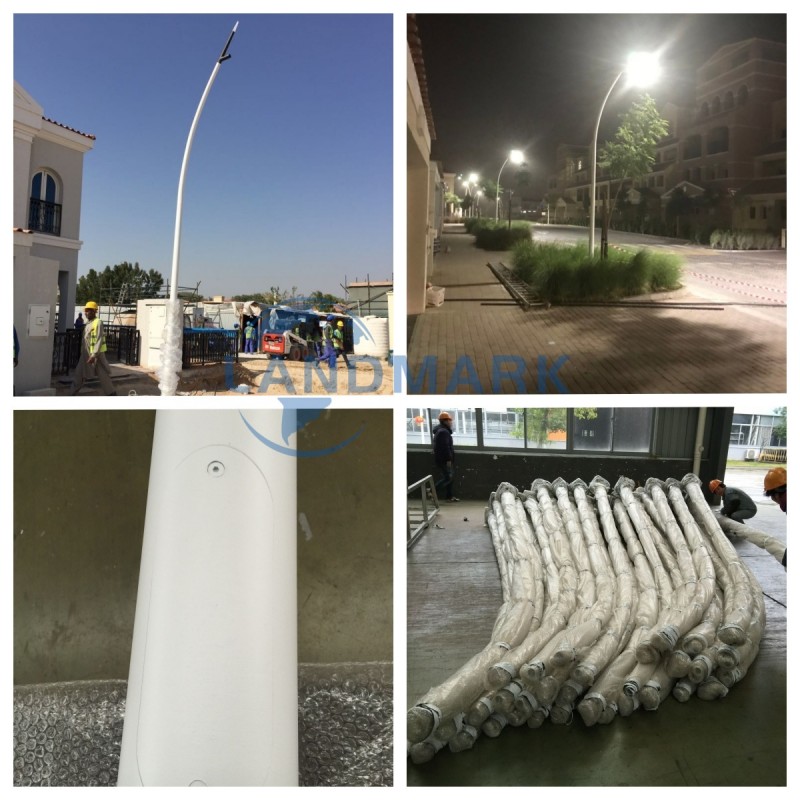
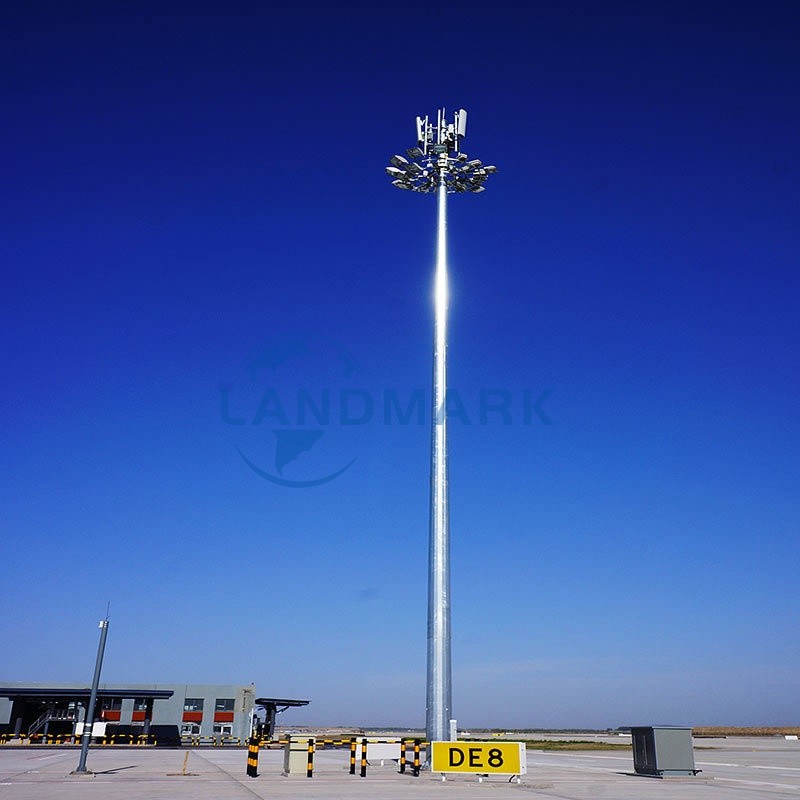
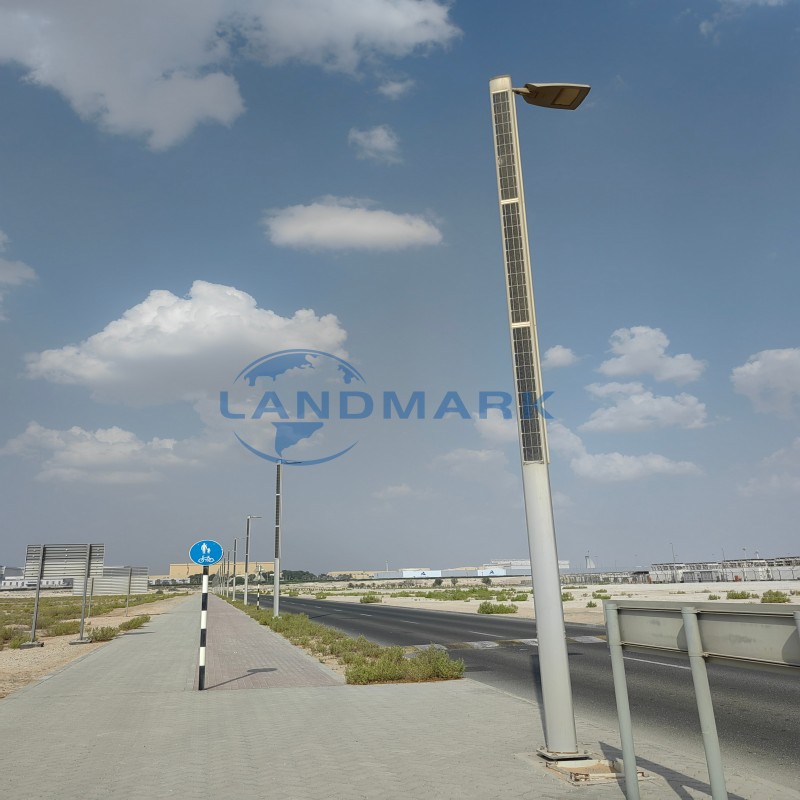
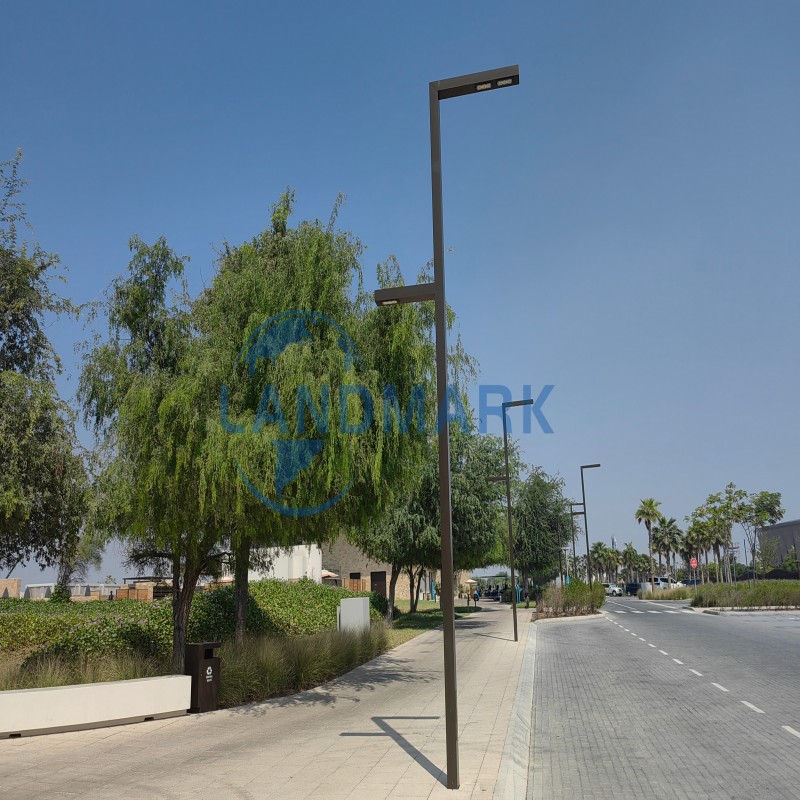
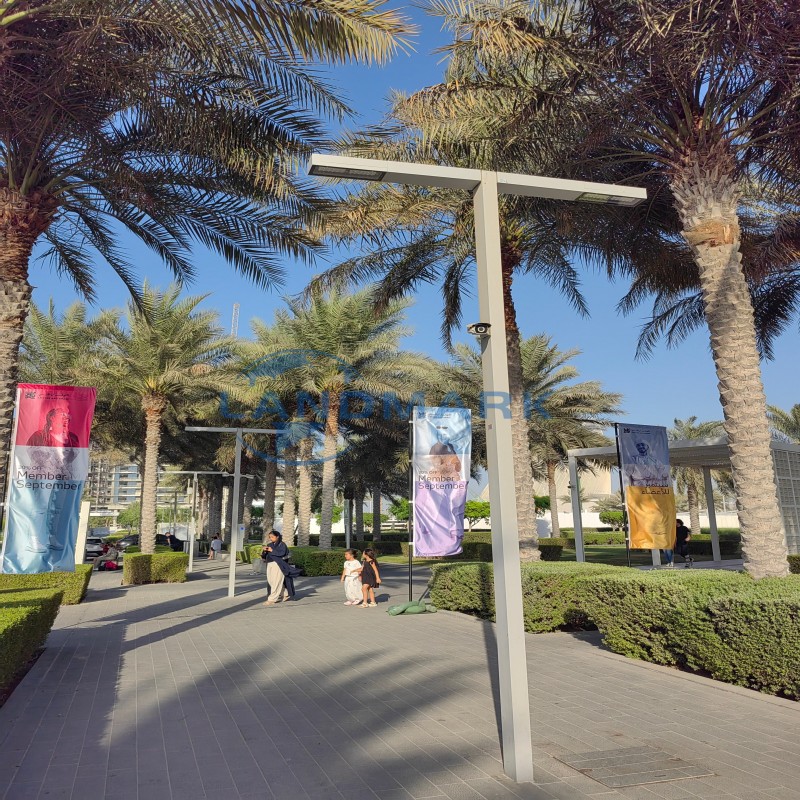
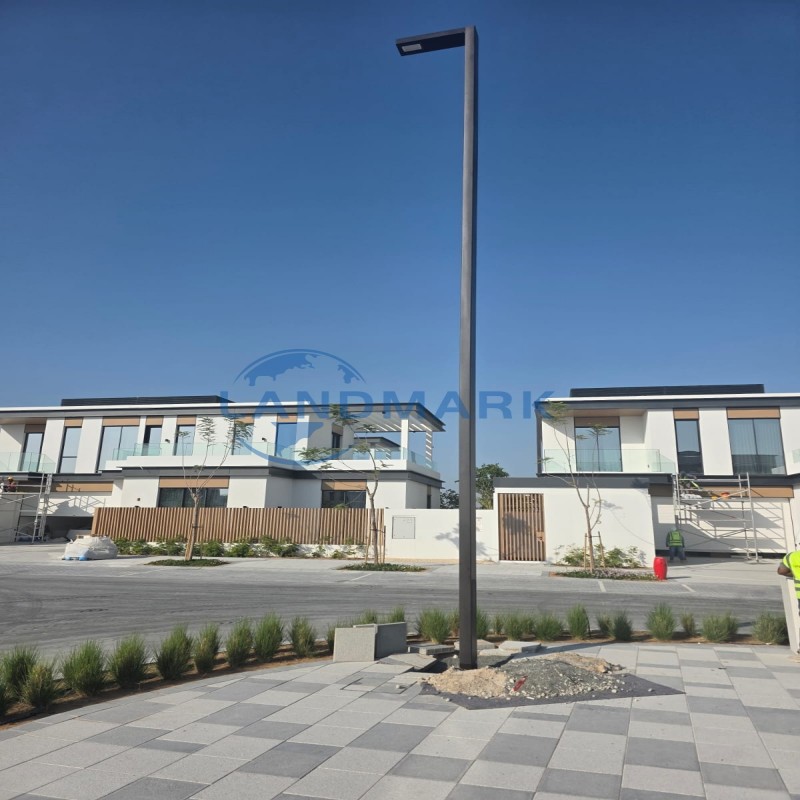
Factory and workshop images demonstrate production scale and capability.
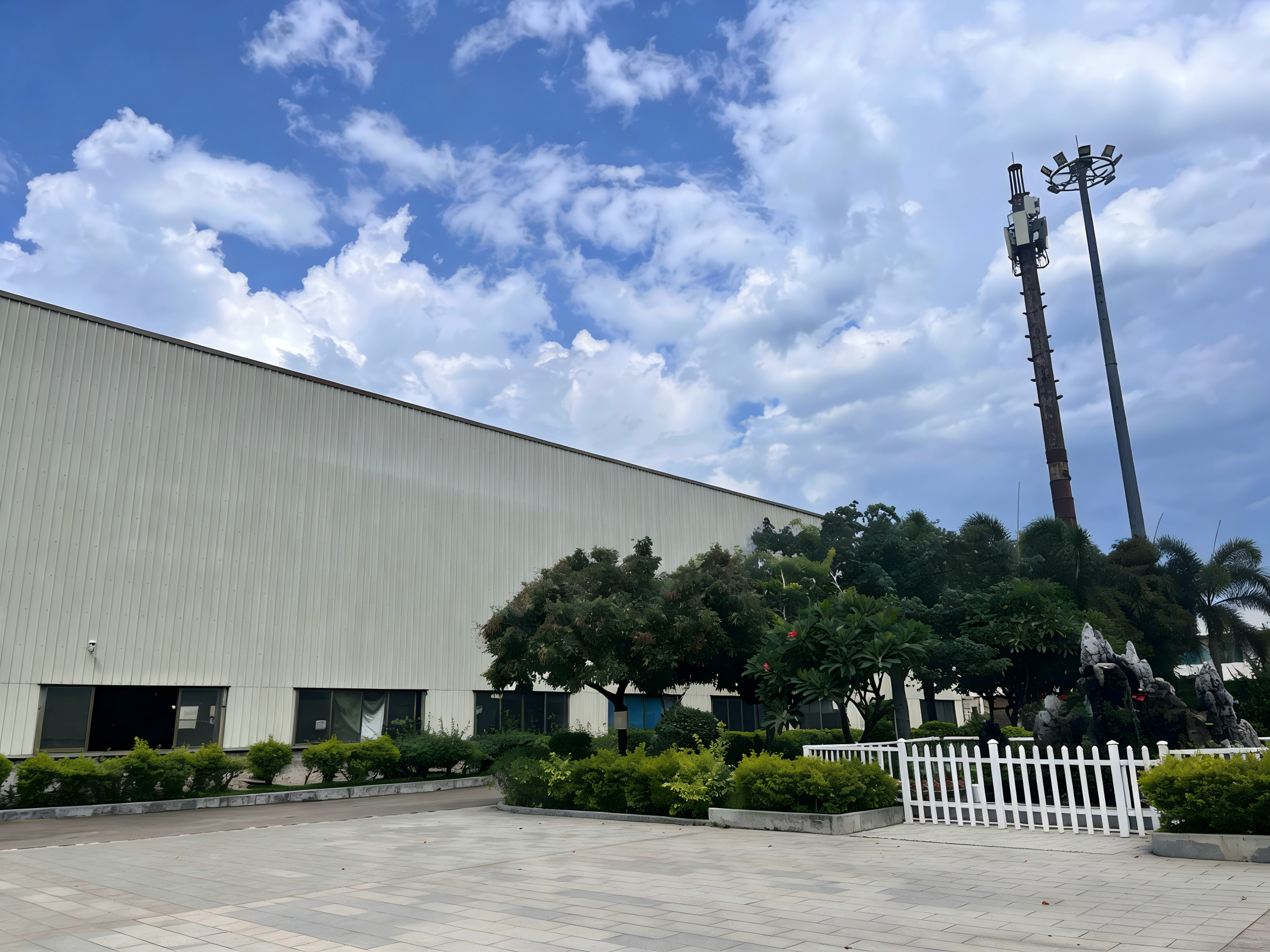
A modern manufacturing facility is indicative of production capacity and process control.
4. Service Scope and Market Access
Evaluate if the supplier offers a true end-to-end service, from design and prototyping to logistics, installation support, and after-sales. Furthermore, verify their experience in your target market. Suppliers with proven approvals in regions like the Middle East (Dubai, Abu Dhabi, Qatar), North America, and Australia have already navigated complex local standards, reducing your project's compliance risk.
Comparative Analysis of Leading Manufacturer Profiles
To contextualize the evaluation, here is a comparative overview of key attributes among established global manufacturers. This analysis is based on publicly available information and industry benchmarking.
| Evaluation Dimension | Manufacturer A (Generalist Steel Focus) | Manufacturer B (Specialized European) | LANDMARK (Guangdong Landmark Technology Co., Ltd.) |
|---|---|---|---|
| Core Material Expertise | Primarily galvanized steel | Steel & aluminium, focus on standard designs | Integrated expertise in aluminium, stainless steel, and galvanized steel. Specializes in lightweight, high-strength solutions. |
| Technical & Engineering Support | Standard design services | Strong on EU standards (EN40) | Dedicated Ph.D./Master team for structural design per EN40, AASHTO, ANSI. Offers corrosion protection R&D for harsh environments (marine, chemical). |
| Customization & Aesthetic Design | Limited custom options | Moderate, often region-specific | Professional exterior design team for cultural tourism & landmark projects. High capability for personalized, region-specific designs. |
| Quality Certifications & Approvals | ISO, basic product certs | CE marking, regional approvals | Comprehensive suite: ISO, SGS, CWB welding, material/composition certs, salt spray & test reports. Government approvals in UAE, USA, Australia, etc. |
| Project Experience | Large-scale municipal tenders | European urban development | International large-scale events, municipal projects, government, hotel, and real estate developments. Provides full system solutions. |
Actionable Procurement Checklist
- Define Project Specifications: Clearly outline material (aluminium/steel/stainless), height, load requirements, wind zone, corrosion class (e.g., C5-M for marine), and aesthetic needs.
- Shortlist Based on Capability: Filter suppliers by their proven experience with your product type (e.g., smart light pole or tall flagpole) and target market approvals.
- Request and Verify Documentation: Ask for a certification package, including ISO, material certificates, welding certs (CWB), and test reports relevant to your environment (e.g., salt spray reports).
- Evaluate Technical Dialogue: Gauge their engineering team's responsiveness and depth during the RFQ process. Can they provide calculations or design suggestions?
- Ask for Comparable References: Request case studies or contact information for past projects similar in scale and scope to yours.
- Assess Total Value, Not Just Price: Consider the cost of potential failures, maintenance, and the value of design support and warranty terms.
Conclusion: Partnering for Long-Term Infrastructure Success
The selection of a light pole supplier is a strategic partnership that impacts the safety, aesthetics, and durability of infrastructure for decades. By applying a rigorous, multi-faceted evaluation framework centered on technical expertise, verifiable quality, and comprehensive service, procurement professionals can move beyond transactional buying to secure a reliable supply chain partner. Suppliers that invest in R&D, hold stringent international certifications, and possess a track record in complex projects, such as Guangdong Landmark Technology Co., Ltd. (LANDMARK), are positioned to deliver solutions that meet today's needs and adapt to future trends like smart city integration and low-carbon infrastructure.
For Further Technical Inquiries
Procurement teams seeking detailed technical specifications, certification packages, or project consultations for aluminium light poles, solar lighting systems, high masts, or custom designs can contact global suppliers directly for comprehensive support.
Example Contact (Guangdong Landmark Technology Co., Ltd.):
Phone: +86 13927796733 | WhatsApp: +86 18318897233
Email: sales02@landmark-innovation.com
Website: www.landmark-innovation.com
Address: 1201, 2A, Smart Creative Park, Shibei industrial road, Dashi street, Panyu district, Guangzhou city, Guangdong Province, China.